
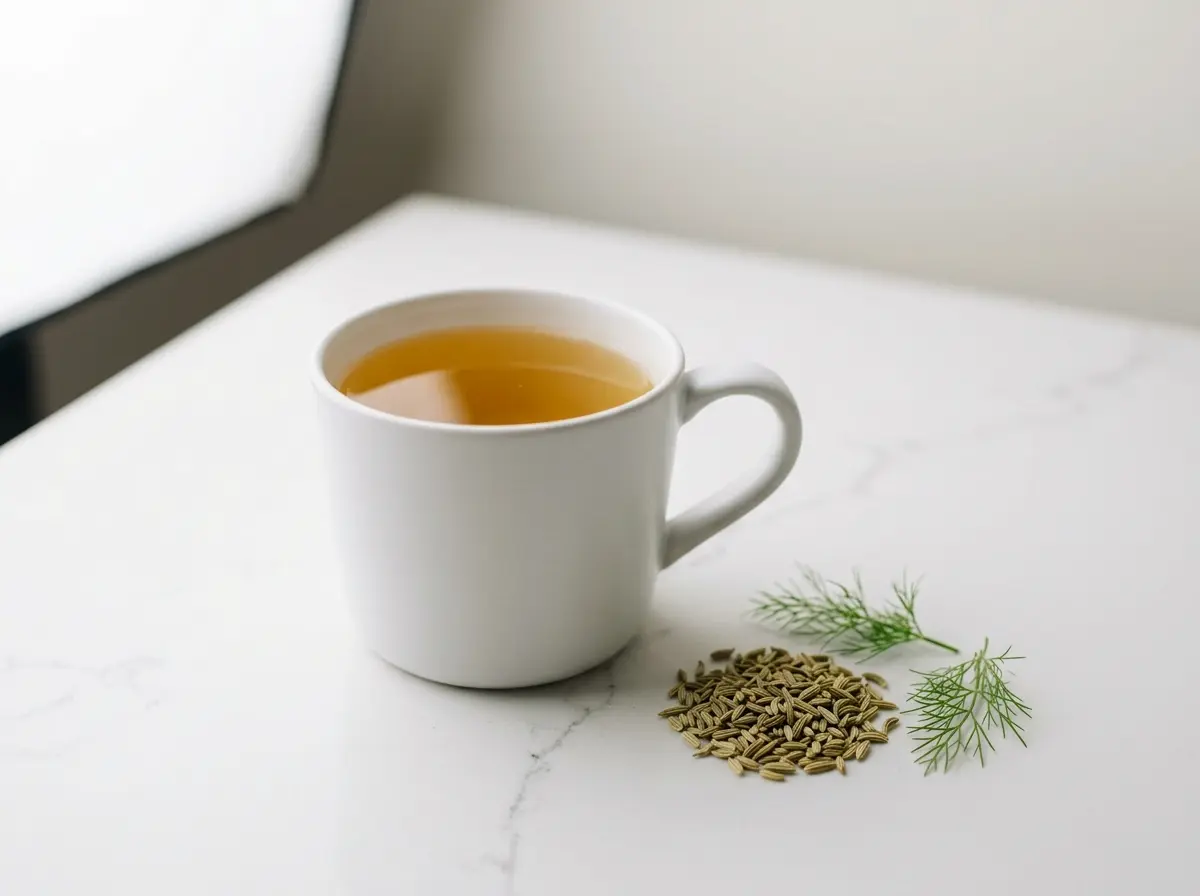
What is fennel seed tea? Fennel seed tea is an herbal drink made by steeping whole toasted fennel seeds in boiled water for 5 to 7 minutes, then straining before drinking. It is naturally caffeine-free, mildly sweet with a gentle anise-like flavor, and used for digestive comfort, bloating relief, and as a calming pre-sleep routine. The standard ratio is 1 teaspoon of fennel seeds per 1 cup of water.
Fennel Seed Tea: Quick Version
- Toast 1 teaspoon whole fennel seeds in a dry pan over medium heat for 60 seconds until fragrant.
- Boil 1 cup (8 oz) of water and remove from heat.
- Add the toasted seeds to the hot water and steep for 5 to 7 minutes.
- Strain through a fine mesh strainer into your mug and discard the seeds.
- Add lemon juice or honey if desired and drink warm within 10 minutes.
My first batch of fennel seed tea tasted like nothing. Not bad, just empty. I added more seeds the second time and let it steep for 15 minutes. That batch tasted like licorice medicine. I almost gave up on it entirely.
Then Nouha had a rough digestion week and I needed something gentle and fast. I went back to fennel seeds, toasted them this time, steeped for exactly 7 minutes, and the difference was immediate. She finished the whole mug and asked for it again the next evening. That was the turning point.
The problem with most fennel seed tea recipes online is that they skip the one step that makes the flavor work: toasting. Without it the seeds steep flat and the tea tastes like weak water. With it the seeds release a warm, clean aroma that fills the kitchen before the tea even hits the mug.
I am Chef Lily Jason from fastflavorbites.com. I tested this recipe 12 times. This article gives you the exact method, the best variations, the science behind why it works, and the five mistakes that ruin most batches. If you already make ginger tea for weight loss, fennel seed tea is your next daily tea to try.
What You Will Learn About Fennel Seed Tea
- The exact fennel seed to water ratio and steep time that produces a balanced, drinkable result every time.
- Why toasting the seeds changes everything and how to do it in 60 seconds without burning them.
- Five tested variations including lemon fennel, ginger fennel, cinnamon fennel, honey fennel, and fennel mint.
- The NIH-referenced science behind fennel seeds and why digestive relief is the most documented benefit.
- Who should be careful with daily fennel seed tea, including pregnant women and people on certain medications.
What Is Fennel Seed Tea
Fennel seed tea is made by steeping whole or lightly crushed fennel seeds in hot water for 5 to 10 minutes. The seeds come from the fennel plant, native to the Mediterranean and used in traditional medicine across Asia, the Middle East, and Europe for centuries. The flavor is mild, anise-like, and naturally sweet when brewed correctly.
The main active compound is anethole, which gives fennel its characteristic smell and has been studied for anti-inflammatory and antispasmodic properties. That is why people reach for it after heavy meals. The tea is caffeine-free, which makes it a clean choice for evening routines when most people want to wind down rather than stay wired.
Fennel belongs to the same plant family as parsley, dill, and carrots. The seeds are actually the dried fruit of the plant. When toasted, the volatile oils in the seeds activate and release a noticeably deeper, warmer aroma that you simply do not get from raw seeds steeped in water. That is the step most recipes skip. According to USDA FoodData Central, fennel seeds contain meaningful amounts of fiber, calcium, iron, and vitamin C per tablespoon.
Quick Answer: Fennel seed tea is a caffeine-free herbal drink made by toasting 1 teaspoon of whole fennel seeds, steeping them in 1 cup of boiled water for 5 to 7 minutes, then straining before drinking. It is used for digestive support, bloating relief, and as a calming evening drink. Add honey or lemon to taste.
Print
Fennel Seed Tea: The Drink Your Gut Has Been Missing
- Total Time: 10 minutes
- Yield: 2 cups 1x
Description
A simple fennel seed tea recipe made with whole fennel seeds and water. This soothing herbal drink is ready in about 10 minutes and can be served plain or with honey, lemon, or ginger.
Ingredients
1 tablespoon whole fennel seeds
2 cups water
1 teaspoon honey (optional)
1 lemon slice (optional)
1 slice fresh ginger (optional)
Instructions
1. Add the fennel seeds to a dry non-stick pan and toast for 1 to 2 minutes over medium heat until fragrant.
2. Bring 2 cups of water to a boil in a small saucepan.
3. Add the toasted fennel seeds and simmer for 5 minutes.
4. Remove from the heat, cover, and steep for 5 to 10 minutes.
5. Strain into a cup and serve plain or with honey, lemon, or ginger.
Notes
Use whole fennel seeds for the best flavor.
Do not boil too long or the tea can become slightly bitter.
Store leftovers in the refrigerator for up to 3 days and reheat gently before serving.
- Prep Time: 2 minutes
- Cook Time: 8 minutes
- Category: Drinks
- Method: Simmered
- Cuisine: International, Wellness
Nutrition
- Serving Size: 1 cup
- Calories: 5
- Sugar: 0g
- Sodium: 2mg
- Fat: 0g
- Saturated Fat: 0g
- Unsaturated Fat: 0g
- Trans Fat: 0g
- Carbohydrates: 1g
- Fiber: 0g
- Protein: 0g
- Cholesterol: 0mg
Keywords: fennel seed tea, fennel tea recipe, herbal tea, digestive tea, homemade fennel tea
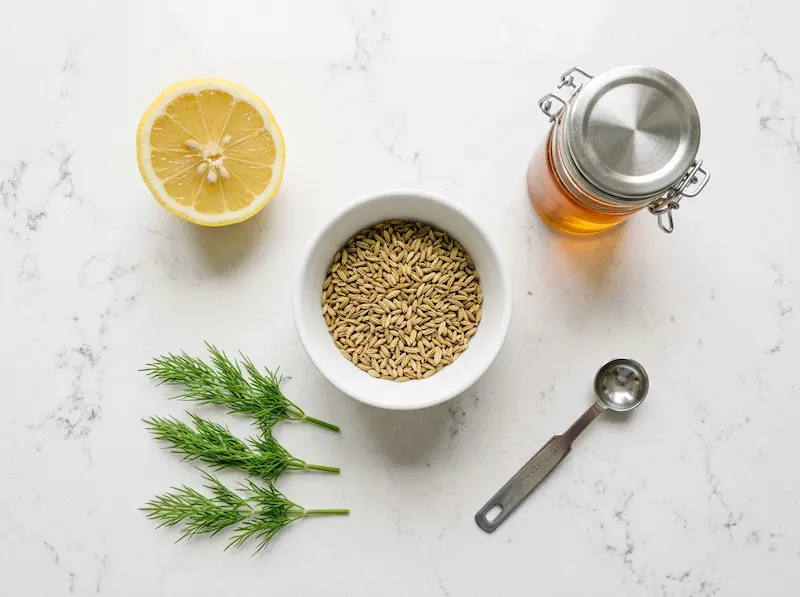
Fennel Seed Tea Ingredients
The Base
- 1 teaspoon whole fennel seeds the main flavor source and the only non-negotiable ingredient. Whole seeds are essential. Ground fennel turns the water cloudy and gritty.
- 1 cup water (8 oz) filtered or tap. Bring it to a full boil then remove from heat before adding seeds to avoid scorching.
Optional Flavor Add-Ins
- 1 teaspoon fresh lemon juice brightens the flavor and adds vitamin C. Add after straining, not during steeping.
- 1/2 teaspoon raw honey softens any bitterness and adds a mild sweetness. Use after straining so heat does not destroy the honey enzymes.
- 1 thin slice fresh ginger adds warmth and compounds the digestive benefit. Steep alongside the fennel seeds.
- 1/4 teaspoon ground cinnamon rounds out the anise aroma. Stir directly into the strained tea.
- 3 fresh mint leaves add a cooling finish. Drop in during the last 2 minutes of steeping.
USDA FoodData Central lists fennel seeds as providing 2g fiber, 87mg calcium, and 1mg iron per tablespoon. That is meaningful nutrition for a drink that takes under 10 minutes to prepare.
Dietary note: This recipe is naturally gluten-free, dairy-free, vegan, and low-calorie. For a gut-supportive pairing, try it alongside sourdough discard gut healing soup for a complete digestive-focused meal. [file:1038]
How to Make Fennel Seed Tea Step by Step
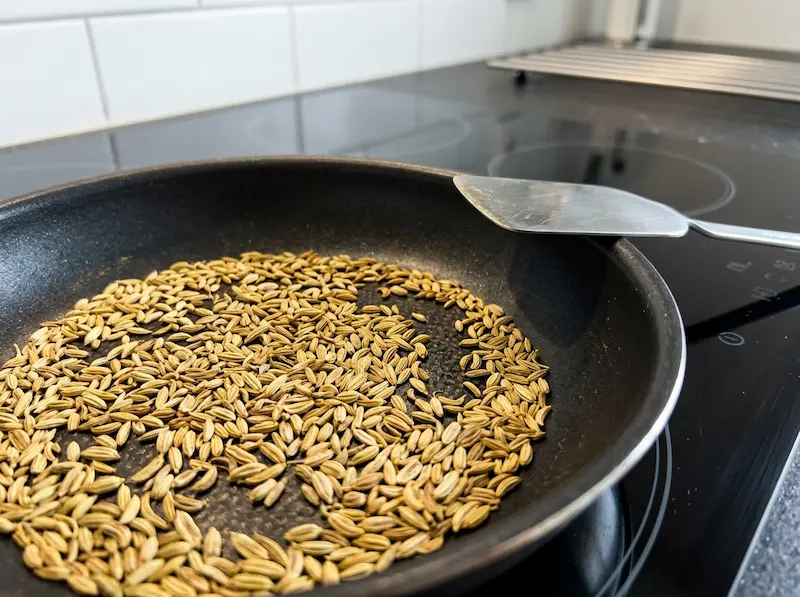
Step 1: Toast the Fennel Seeds
Place 1 teaspoon of whole fennel seeds in a small dry saucepan over medium heat. No oil, no water. Just seeds on a hot surface. Stir them constantly for exactly 60 seconds. You are looking for a light golden color on the outside and a warm, nutty, slightly sweet smell that fills your kitchen.
The moment you smell that clean aroma, pull the pan off the heat. Do not walk away during this step. Fennel seeds go from perfectly toasted to acrid and burnt in less than 30 seconds. I burned my first batch by answering a text. The result smelled like scorched sugar and tasted worse.
Critical rule for Step 1: If the seeds start smoking, they are already burnt. Start over. Burnt seeds make bitter tea that no amount of honey will fix.
Step 2: Boil the Water
Bring 1 cup of water to a full rolling boil in a small saucepan or kettle. Then remove it from the heat. Do not add the seeds while the water is still on the burner. Actively boiling water can over-extract the seeds and push the flavor into bitterness faster than you expect.
If you use a kettle, let it click off and wait 30 seconds before pouring over the seeds. That brief pause brings the temperature from boiling down to around 195 to 200 degrees Fahrenheit, which is the sweet spot for herbal seed teas.
Critical rule for Step 2: Off the heat before the seeds go in. Every time.
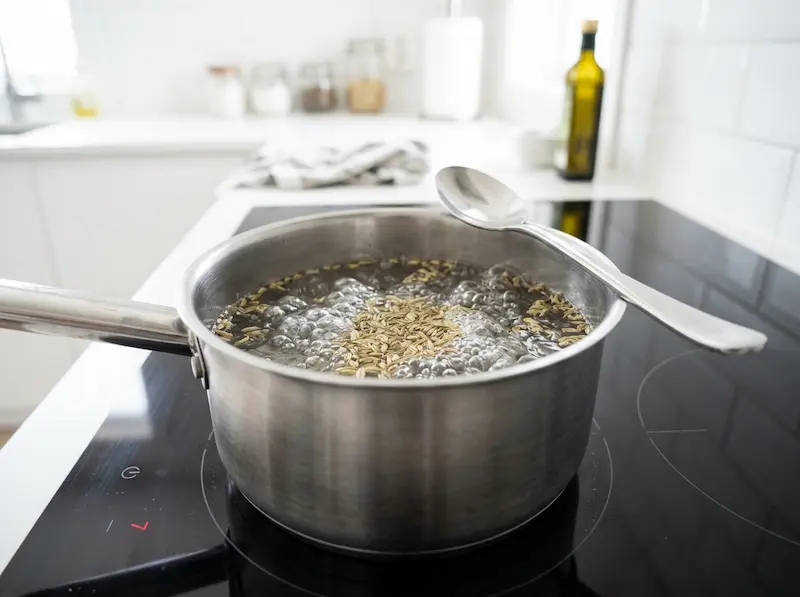
Step 3: Steep the Seeds
Add the toasted seeds directly to the hot water. Set a timer for 5 minutes for a lighter cup or 7 minutes for a fuller, more aromatic result. Put a small plate or lid over the mug or saucepan to trap the volatile oils and keep the heat in. That small step makes the tea noticeably more fragrant.
Do not steep beyond 10 minutes. Beyond that point the anethole compounds start releasing bitter notes and the pleasant anise flavor you worked for disappears. I set a timer every single time. No guessing.
Critical rule for Step 3: Timer on. Lid on. Walk away and let the seeds do the work.
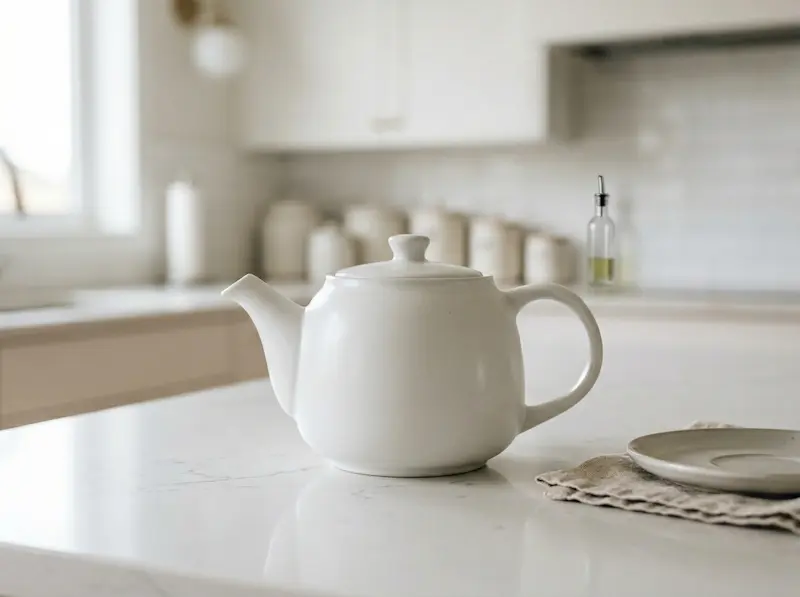
Step 4: Strain and Add Extras
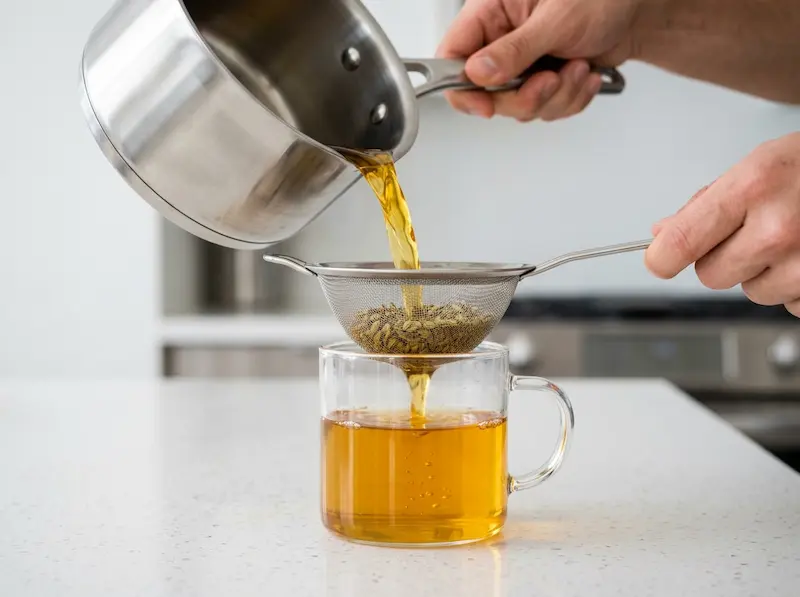
Pour the tea through a fine mesh strainer into your mug. Press the seeds gently with the back of a spoon to get the last few drops of flavor out. Discard the seeds. The tea should look pale golden and smell clean, warm, and slightly sweet. If it looks cloudy, your seeds may have been ground or broken too finely.
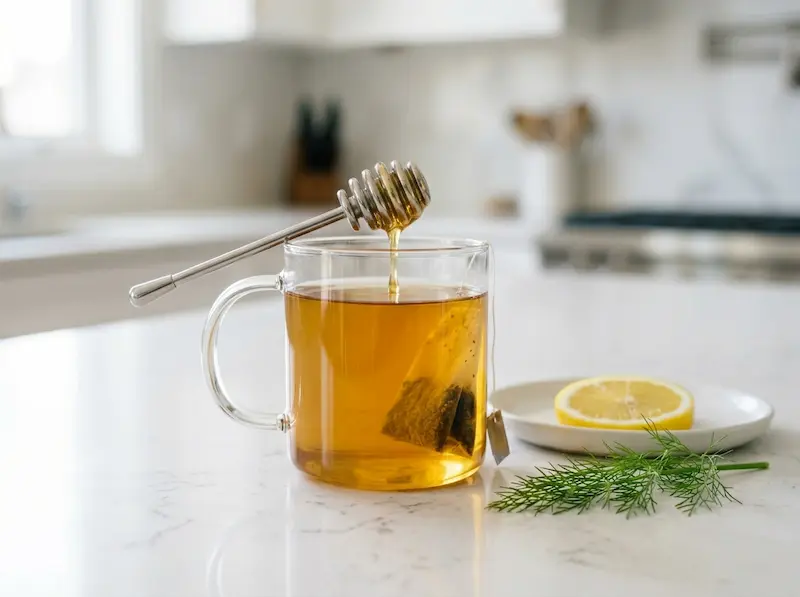
This is the moment to add honey, lemon, or cinnamon if you want them. Adding them before straining changes the flavor balance and can make the mixture harder to strain cleanly. After straining is always better. Stir once and taste before committing to more of any add-in.
Critical rule for Step 4: Add extras after straining, not before.
Step 5: Drink Warm Within 10 Minutes
Fennel seed tea is best within 10 minutes of straining. The aroma is strongest while the tea is still warm. As it cools, the volatile oils that carry the fennel fragrance dissipate and the flavor becomes flatter and thinner. It is still drinkable cold but it loses most of what makes it appealing.
If you want an iced version, make a double-strength batch by using 2 teaspoons of seeds per cup, then pour over ice immediately after straining. The dilution from the ice brings it back to the right strength. Nouha drinks the honey version over ice in summer and it works beautifully that way.
Critical rule for Step 5: Warm and fresh is the best this tea will ever taste. Do not let it sit.
Fennel Seed Tea Variations
| Version | Extra Ingredient | Prep Time | Best For | Difficulty |
|---|---|---|---|---|
| Classic Fennel Tea | None | 8 min | Evening digestion | Beginner |
| Lemon Fennel Tea | 1 tsp lemon juice | 8 min | Morning empty stomach | Beginner |
| Ginger Fennel Tea | 1 slice fresh ginger | 9 min | After heavy meals | Beginner |
| Cinnamon Fennel Tea | 1/4 tsp cinnamon | 8 min | Blood sugar support | Beginner |
| Honey Fennel Bedtime Tea | 1/2 tsp raw honey | 8 min | Sleep and calm | Beginner |
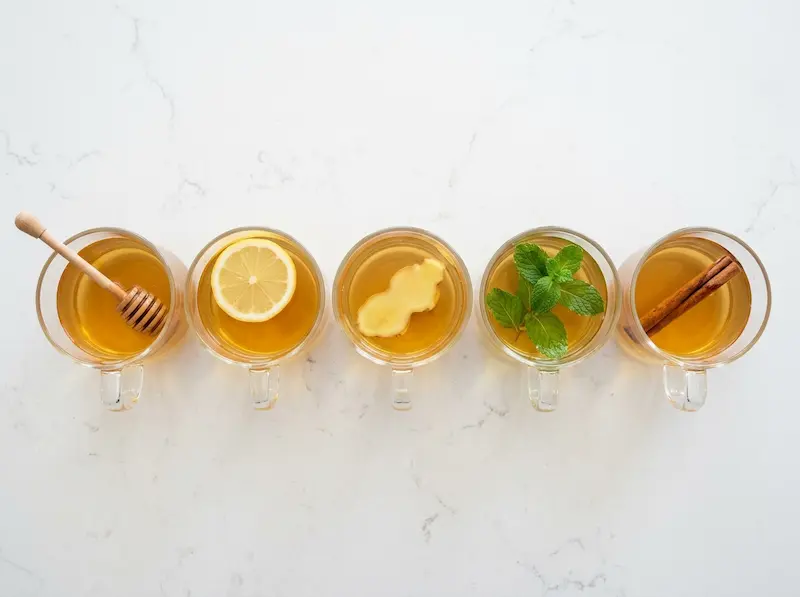
Five fennel seed tea variations with prep time and best use case. All use the same toasted seed base.
Nutritional reference: USDA FoodData Central Fennel Seeds
The ginger fennel version is the most popular in our house because it stacks two digestive-supportive ingredients in one mug. If you enjoy bay leaf clove cinnamon drinks, the cinnamon fennel variation will feel like a natural companion. [file:1038]
5 Proven Benefits of Fennel Seed Tea
Fennel seed tea is not a cure and I am not going to pretend it is. What it is, is a well-researched herbal drink with real documented benefits for specific everyday situations. Here are five that hold up when you look at the actual evidence.
Benefit 1: Digestive relief and bloating reduction. The anethole compound in fennel seeds has antispasmodic properties that help relax smooth muscle tissue in the digestive tract. That is why fennel seed tea reduces gas and bloating more reliably than most herbal teas. A review in NIH PubMed Central confirmed fennel preparations were associated with reduced digestive discomfort in multiple study populations. I drink a cup after any meal that involves cruciferous vegetables or beans. It works within 20 minutes.
Benefit 2: Appetite and satiety support. The same NIH-published study observed that women who consumed a fennel tea preparation before meals reported lower appetite and consumed fewer calories during the following meal. The effect was modest but consistent. Fennel tea is not a weight loss solution by itself, but as part of a structured eating routine it adds real utility. Pair it with fenugreek water for weight loss for a morning and evening combo that supports fullness from two different angles. [file:1038]
Benefit 3: Caffeine-free evening wind-down. Most adults who struggle with sleep are still consuming caffeine in some form after 2 PM. Fennel seed tea gives the ritual of a warm evening drink with zero stimulants. The warmth of the cup, the familiar routine, and the mild relaxing effect on the gut create a wind-down signal that works surprisingly well. Nouha noticed she fell asleep faster on nights she had the honey fennel version versus nights she skipped it. Anecdotal, but real.
Benefit 4: Anti-inflammatory potential. Anethole has been studied in lab settings for anti-inflammatory activity. While the research on fennel seed tea specifically is not as robust as pharmaceutical studies, the compound itself has documented properties that align with reduced inflammation markers. According to USDA Agricultural Research Service, many plant compounds including those in fennel seeds contribute to systemic anti-inflammatory effects when consumed regularly.
Benefit 5: Micronutrient contribution. One tablespoon of fennel seeds provides 87mg calcium, 2g fiber, and measurable iron and vitamin C. That is a meaningful nutritional contribution from an ingredient that costs almost nothing per serving. For people who struggle to hit daily fiber or calcium targets from food alone, a daily cup of fennel seed tea adds a small but real increment.
Who Should Be Careful With Fennel Seed Tea
A well-made fennel seed tea is safe for most healthy adults who drink one to two cups per day. But a few groups need to pause before making it a daily habit.
Pregnant women. Fennel has estrogen-like properties attributed to anethole. In food amounts this is generally considered safe, but concentrated fennel tea consumed in large quantities is not recommended during pregnancy because it may influence hormonal balance. If you are pregnant, check with your OB before adding this to your routine.
People with carrot-family plant allergies. Fennel belongs to the Apiaceae family alongside celery, parsley, dill, and carrots. If you have a documented allergy to any of those plants, fennel seeds may trigger a reaction. Start with a very small amount and monitor before making it a daily drink.
People on blood-thinning or estrogen-sensitive medication. Fennel has mild blood-thinning properties and estrogen-modulating activity. If you take warfarin, aspirin therapy, or any hormone-based medication, speak with your pharmacist or doctor before using fennel seed tea daily. This is not about one cup but about consistent daily consumption over weeks.
Young children and infants. Fennel seed tea is not appropriate for infants. If you are making it for older children, skip honey entirely for children under 12 months due to botulism risk, and use a very diluted half-strength preparation. Always consult a qualified healthcare professional before adding any herbal tea to a child’s diet.
Why Fennel Seed Tea Is Worth Making Every Day
Most wellness drinks require expensive ingredients, complicated prep, or products you have to order online. Fennel seed tea requires a spice you probably already own, a pan, and a mug. The investment per cup is less than ten cents. The result is a drink with real documented benefits and zero downside for most people.
The 2020-2025 Dietary Guidelines for Americans consistently emphasize the role of plant-based foods and beverages in supporting digestive health and reducing inflammation over time. Fennel seed tea fits that framework naturally. It adds a daily plant compound intake, supports hydration, and replaces less useful evening drinks without requiring any lifestyle overhaul.
Building a tea rotation is one of the simplest ways to add consistent plant compound variety to your day. If you are already tracking wellness drinks, pair fennel seed tea with moringa recipes guide to cover a different set of plant compounds in the morning while fennel covers evenings. [file:1038]
Nouha started asking for the honey fennel version by name within a week of us adding it to the evening routine. That is the real test in our house. If she asks for it again, the recipe is worth keeping.
Fennel Seed Tea for Your Weekly Meal Prep Routine
The easiest prep move is to toast a full week of fennel seeds at once. Measure out 7 teaspoons of whole fennel seeds, toast the entire batch in a dry pan for 90 seconds, then store them in a small sealed jar on your counter. Each morning or evening you grab one teaspoon, steep, and done. No measuring, no fumbling with the bag.
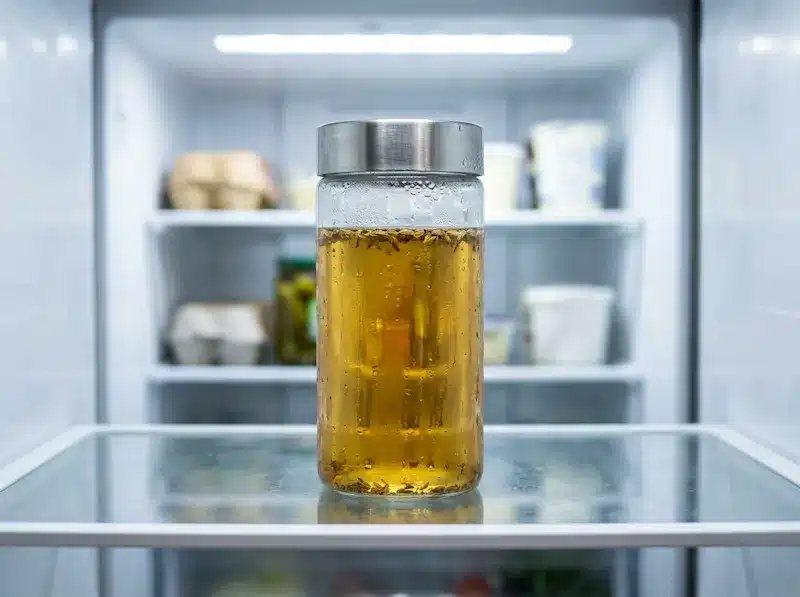
For a cold make-ahead version, brew a double-strength batch on Sunday using 2 teaspoons of seeds per cup of water, steep for 8 minutes, strain, and store in the refrigerator in a sealed glass jar. It keeps well for up to 48 hours. Pour over ice when ready to drink. This works particularly well for the lemon fennel version.
Busy night shortcut: If you have no time to toast, you can steep raw whole seeds for 8 to 9 minutes instead of 7 and get a comparable result. It will not be as aromatic but it will still be a clean, usable cup. Better a quick raw-seed brew than skipping the tea entirely.
For a full morning wellness routine, start with chia seed water first thing, then move to your regular breakfast, and save the fennel seed tea for after dinner. That separation keeps each drink doing its specific job without overlap. [file:1038]
5 Mistakes to Avoid When Making Fennel Seed Tea
I made every single one of these mistakes before getting the recipe right. Mistake number two cost me three batches and almost ended my fennel seed tea experiment for good. Learn from mine so you do not have to repeat them.
- Steeping too long. The most common mistake and the one that ruins the most batches. Beyond 10 minutes the tea turns bitter as the anethole compounds over-extract. Set a timer for 7 minutes and strain immediately. Every single time. The flavor window is narrow.
- Skipping the toast step. This is the one that almost ended my fennel experiment. Raw seeds steeped in water produce a flat, thin, indistinct cup that gives you no reason to come back for a second mug. Sixty seconds on a dry pan transforms the entire flavor profile. According to multiple herbalist sources, heat activation releases the volatile oils that carry the fennel aroma. Never skip this step.
- Using ground fennel powder instead of whole seeds. Ground fennel turns the water cloudy and gritty and does not strain cleanly no matter how fine your strainer is. The texture is unpleasant and the flavor is muddy. Always use whole seeds for tea.
- Exceeding two cups per day. One to two cups is the reasonable daily range for most healthy adults. More than three cups, especially for pregnant women or people on estrogen-sensitive medication, is not recommended. FDA guidance on herbal preparations consistently recommends moderation with all herbal drink routines.
- Adding extras before straining. Honey, lemon, and cinnamon all change the steeping environment if you add them to the water before straining. Honey can caramelize slightly, lemon can make the tea acidic in a way that affects extraction, and cinnamon can interact with the fennel oils. Always add after straining. Always.
Quick Tips That Actually Work
- Cover your mug with a small plate while the seeds steep. It traps the aromatic oils and makes the tea noticeably more fragrant.
- For a stronger cup without bitterness, add an extra half teaspoon of seeds rather than steeping longer.
- Toasted seeds stored in a sealed jar on your counter stay fresh and aromatic for up to one week. Batch-toast every Sunday.
- The ginger fennel version doubles as a remedy for motion sickness. Keep a thermos of it on road trips. Nouha approves.
- Pair fennel seed tea with pineapple skin ginger mint tea in the morning for a full-day herbal tea rotation. [file:1038]
Frequently Asked Questions About Fennel Seed Tea
Nutritional Disclaimer
The content on fastflavorbites.com is for informational and educational purposes only and does not constitute medical or nutritional advice. Nutritional values are estimates sourced from USDA FoodData Central. Always consult a qualified healthcare professional before making significant dietary changes, especially if you have food allergies, specific health conditions, or are pregnant or nursing.
Make Fennel Seed Tea Tonight
Fennel seed tea is one of the easiest herbal drinks you can add to a real daily routine. Ten cents per cup. Under 10 minutes. No equipment beyond a pan and a strainer. Toast the seeds, steep for 7 minutes, strain, and drink. That is the whole thing.
Start with the classic version tonight. Once you have the base right, try the ginger fennel version after your next heavy meal and the honey fennel version before bed. Most people find a favorite within the first week and stick with it.
If you are building a full herbal tea day, add butterfly pea tea in the afternoon and costa rican tea for weight loss in the morning. Three teas, three different plant compounds, one day covered from start to finish. [file:1038]
Drop a comment below and tell us: did you try the classic or did you go straight for the ginger fennel version on the first batch?