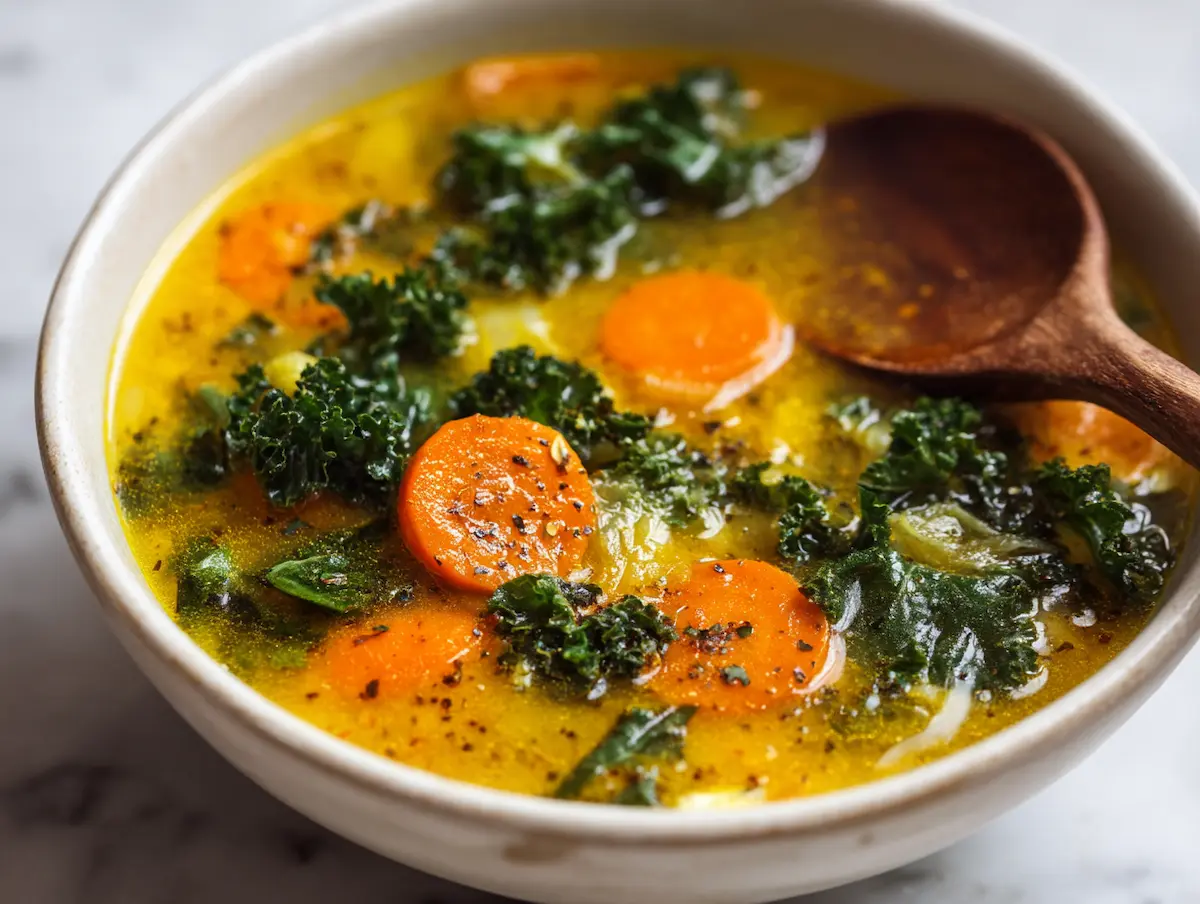
I had a jar of sourdough discard sitting on the counter and a pot of bone broth on the stove, and at some point the two just ended up together. What came out was the best soup I had made in months.
The discard thickened the broth without flour. It added a tangy, fermented depth that no spice blend could replicate. And it used up every last gram of starter I would have otherwise thrown away.
I’m Chef Lily Jason from fastflavorbites.com, and this sourdough discard gut healing soup is now one of my most-used weeknight recipes. It takes 30 minutes, uses pantry staples, and every bowl tastes like something you spent two hours on.
If you already make my bone broth turmeric ginger recipe, that same broth is the ideal base for this sourdough discard gut healing soup.
Key Takeaways
Sourdough discard gut healing soup is made by simmering vegetables and bone broth, then tempering and stirring in sourdough discard as a natural thickener in the final 5 minutes.
Sourdough discard contains lactic acid bacteria, wild yeast, prebiotic fiber, and fermentation byproducts that support a healthy gut microbiome.
A 2024 PMC review found that sourdough fermentation increases prebiotic polysaccharide production, supports butyrate-producing bacteria, and improves intestinal health markers.
Adding discard at the end of cooking rather than the beginning preserves more of the live bacteria and fermentation compounds in the finished soup.
This sourdough discard gut healing soup works with any discard hydration level and with any vegetable combination you have on hand.
What Is Sourdough Discard Gut Healing Soup?
Sourdough discard gut healing soup is a bone broth-based vegetable soup thickened and flavored with sourdough discard instead of a flour roux or cornstarch slurry.
The discard replaces the starch thickener entirely. It adds body, a mild tang, and a layer of fermented complexity that makes the finished soup taste slow-cooked even when it is not.
The gut healing part is not marketing. Sourdough discard is loaded with lactic acid bacteria, prebiotic fiber, and fermentation metabolites. A 2024 PMC nutritional impact review confirmed that sourdough fermentation supports butyrate-producing bacteria, reduces phytic acid, and enhances intestinal health through multiple mechanisms. [web:633]
This is also a zero-waste recipe. Every gram of discard you would normally tip down the drain goes into a bowl of soup instead.
Print
7 Reasons This Sourdough Discard Gut Healing Soup Works
- Total Time: 30 minutes
- Yield: 4 servings 1x
Description
Sourdough discard gut healing soup made in 30 minutes with bone broth, vegetables, and fermented discard as a natural thickener. Zero waste, rich flavor, and real gut health benefits in every bowl.
Ingredients
1/2 cup sourdough discard, room temperature
4 cups bone broth, chicken or vegetable
1 tablespoon olive oil or butter
1 medium onion, diced
3 cloves garlic, minced
2 medium carrots, sliced into rounds
2 stalks celery, sliced
1 cup chopped kale or spinach
1 teaspoon turmeric powder
1/2 teaspoon black pepper
1 teaspoon sea salt, adjust to taste
1/2 teaspoon dried thyme
1/2 lemon, juiced, added at the end
Instructions
1. Heat olive oil in a large pot over medium heat. Add diced onion and cook 3 to 4 minutes until softened.
2. Add minced garlic, carrots, celery, turmeric, thyme, salt, and pepper. Stir and cook 2 minutes so spices bloom in the oil.
3. Pour in bone broth and bring to a gentle boil. Reduce to a low simmer, cover, and cook 15 to 20 minutes until carrots are fork-tender.
4. Temper the discard: ladle 1/2 cup of hot soup into a bowl, add sourdough discard, and whisk until fully smooth.
5. Stir tempered discard mixture back into the soup pot continuously. Add kale or spinach and stir until wilted, about 2 minutes.
6. Squeeze in lemon juice, taste for salt, and serve immediately.
Notes
Storage: Refrigerate up to 4 days in a sealed container. Reheat gently over low heat, do not boil after the discard has been added.
Always temper the discard before adding to the soup. Adding cold discard directly to boiling soup causes curdling and uneven texture.
Use discard at room temperature, not cold from the fridge.
Do not boil the soup after adding the discard. Keep heat on low to preserve the fermentation benefits.
For a thicker soup use up to 3/4 cup discard. More than 3/4 cup can make the flavor too sharp.
Add 1 tablespoon miso paste with the broth for extra gut-supporting fermented depth.
- Prep Time: 10 minutes
- Cook Time: 20 minutes
- Category: Soup
- Method: Stovetop
- Cuisine: American
Nutrition
- Serving Size: 1 bowl (approx. 350ml)
- Calories: 165
- Sugar: 5
- Sodium: 620
- Fat: 7
- Saturated Fat: 1
- Unsaturated Fat: 5
- Trans Fat: 0
- Carbohydrates: 18
- Fiber: 3
- Protein: 8
- Cholesterol: 0
Keywords: sourdough discard gut healing soup,sourdough discard soup recipe,sourdough discard thickener soup,gut healing soup recipe,sourdough starter soup,lactic acid bacteria soup,sourdough discard bone broth soup,gut microbiome healing soup,fermented soup gut health,leaky gut healing soup
Sourdough Discard Gut Healing Soup Ingredients
These are the core ingredients. The vegetables are flexible but the discard and the bone broth are the two non-negotiables for this sourdough discard gut healing soup.
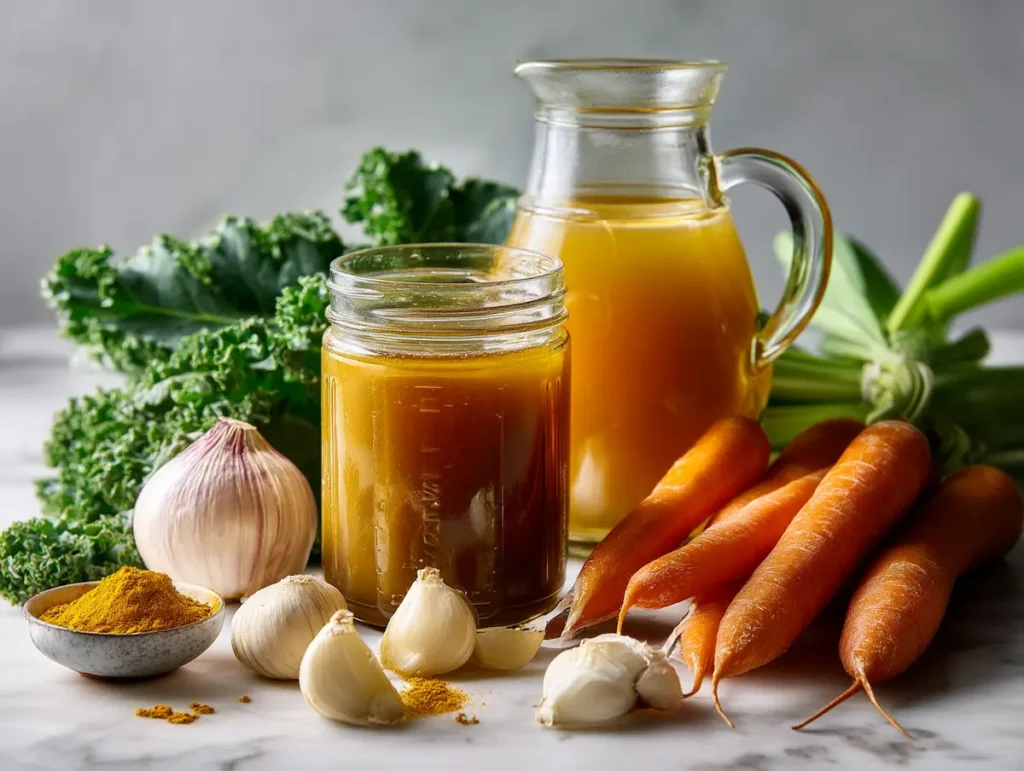
1/2 cup sourdough discard, room temperature.
4 cups bone broth, chicken or vegetable both work.
1 tablespoon olive oil or butter.
1 medium onion, diced.
3 cloves garlic, minced.
2 medium carrots, sliced into rounds.
2 stalks celery, sliced.
1 cup chopped kale or spinach.
1 teaspoon turmeric powder.
1/2 teaspoon black pepper.
1 teaspoon sea salt, adjust to taste.
1/2 teaspoon dried thyme.
1/2 lemon, juiced, added at the end.
For the science behind sourdough discard as a functional food thickener, Tasting Table’s sourdough discard thickener guide is the clearest practical reference available. [web:627]
How to Make Sourdough Discard Gut Healing Soup Step by Step
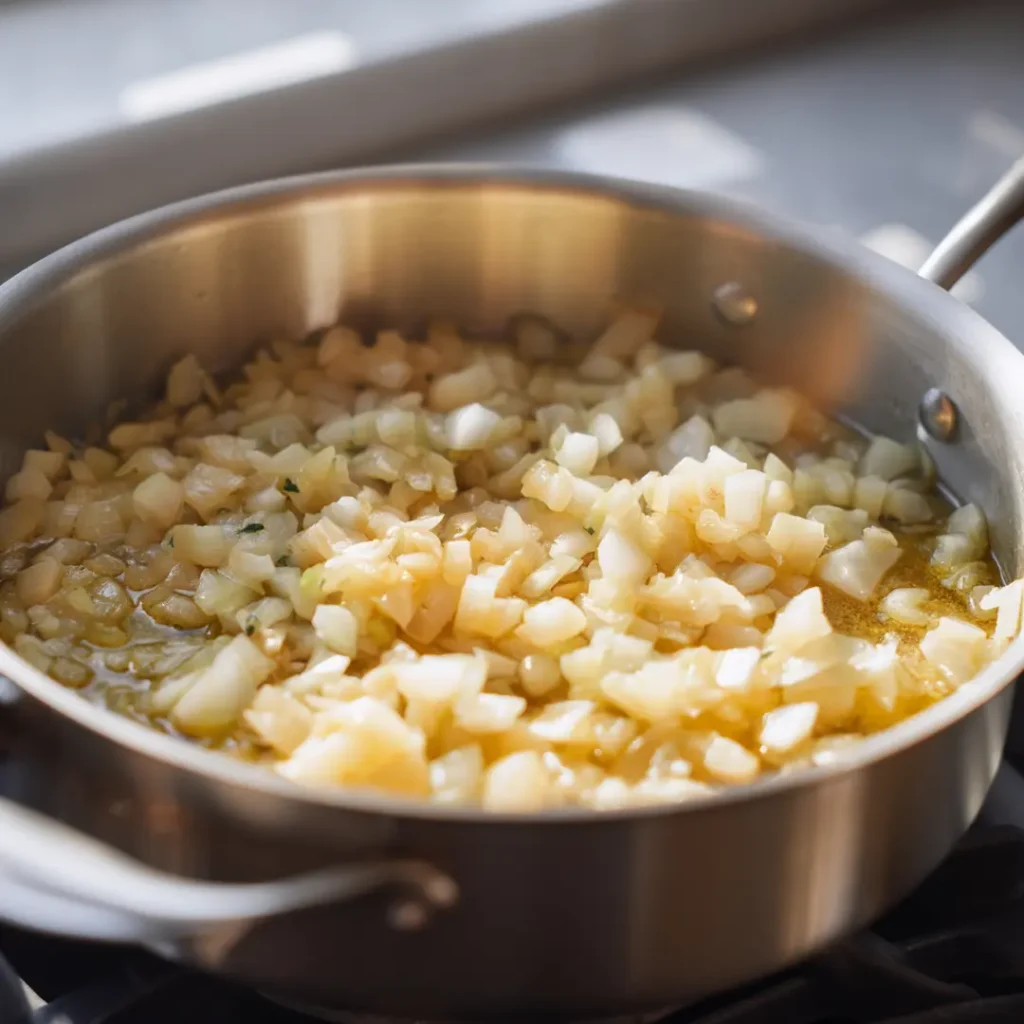
Step 1: Sauté the Base
Heat olive oil in a large pot over medium heat. Add diced onion and cook for 3 to 4 minutes until softened and translucent.
Add minced garlic and cook for 1 more minute until fragrant. The kitchen should smell deeply savory at this point. This base is what gives the sourdough discard gut healing soup its rich, rounded flavor from the very first spoonful.
Step 2: Add Vegetables and Spices
Add carrots, celery, turmeric, thyme, salt, and black pepper directly to the pot. Stir everything together and cook for 2 minutes so the spices bloom in the oil.
Turmeric in particular needs a little fat to activate its bioavailability, so cooking it in the oil first rather than adding it to the broth makes this a smarter gut healing soup from the start.
Step 3: Pour In the Broth and Simmer
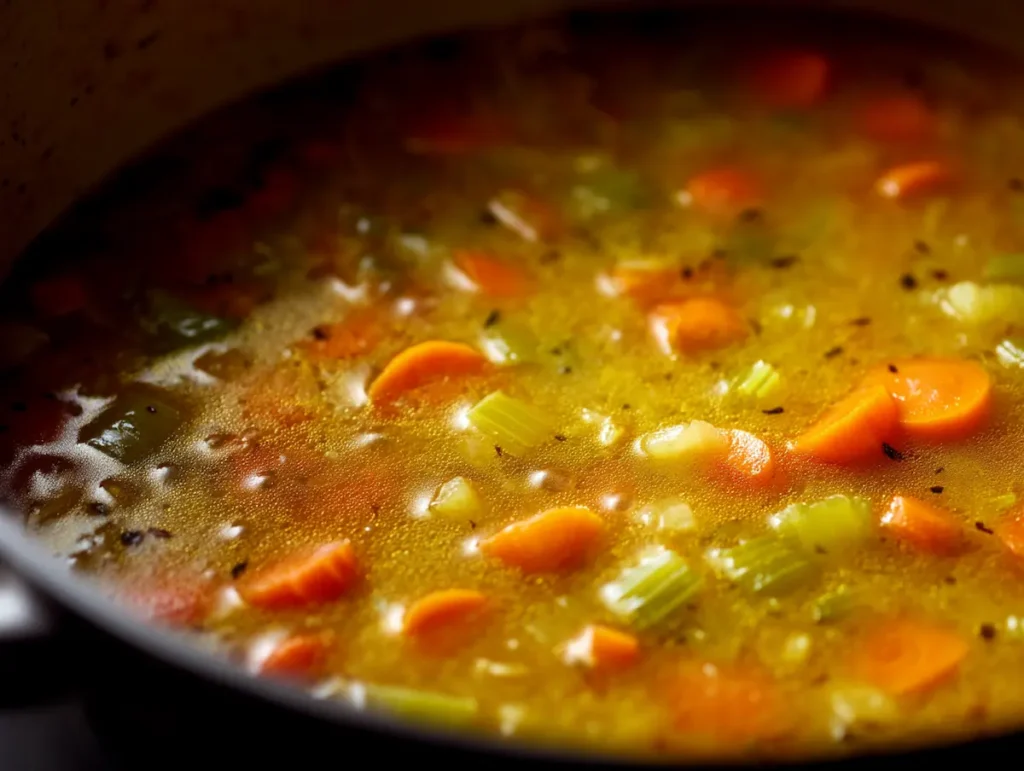
Pour in 4 cups of bone broth and bring to a gentle boil over medium-high heat. Once boiling, reduce to a low simmer.
Cover and cook for 15 to 20 minutes until the carrots are fork-tender. The soup will smell incredible at this point. The bone broth and turmeric combination is the backbone of this sourdough discard gut healing soup.
Step 4: Temper the Sourdough Discard
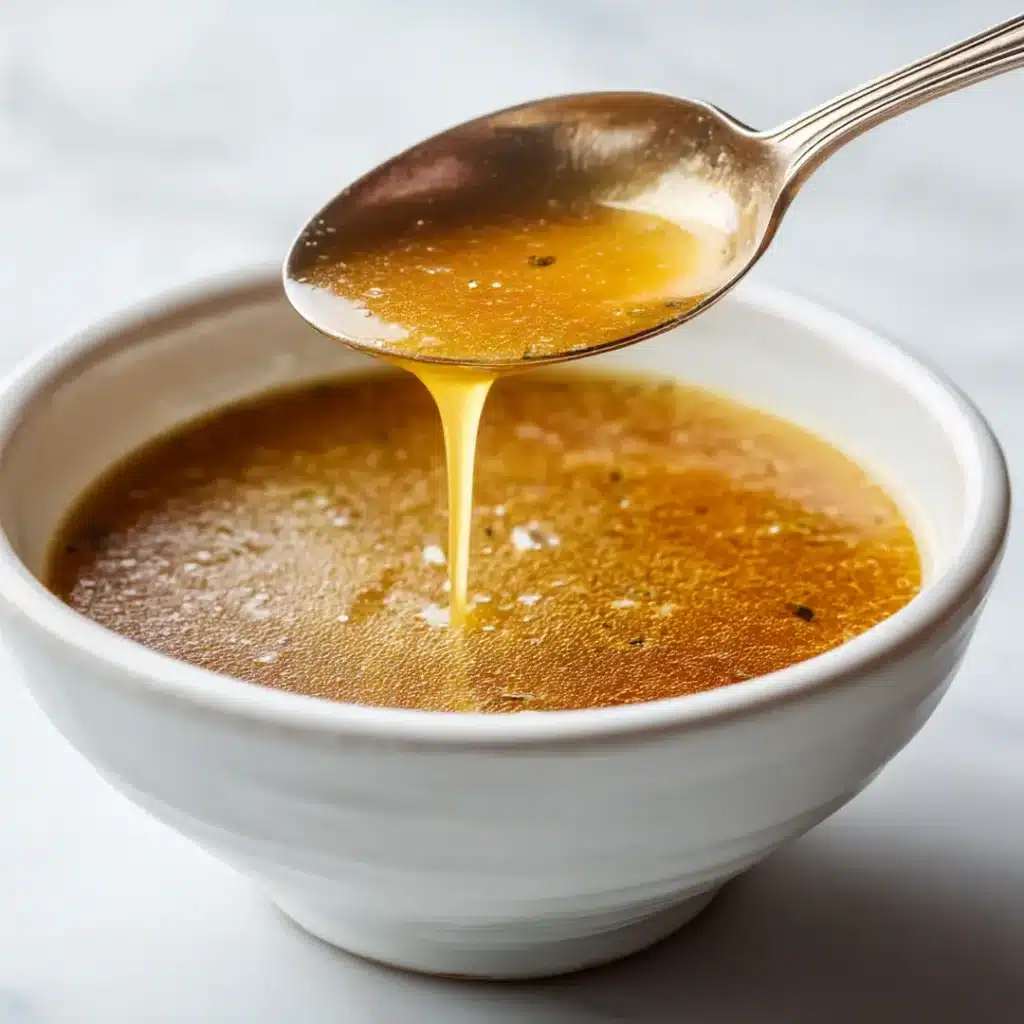
This step is the most important one and the step most people skip. Do not add the sourdough discard directly to the hot soup. Tempering prevents curdling and keeps the texture smooth.
Ladle about 1/2 cup of hot soup from the pot into a separate bowl. Add the sourdough discard and whisk until fully smooth and combined. The warm broth brings the discard up to temperature gradually so it blends without seizing.
Step 5: Stir Discard Into the Soup
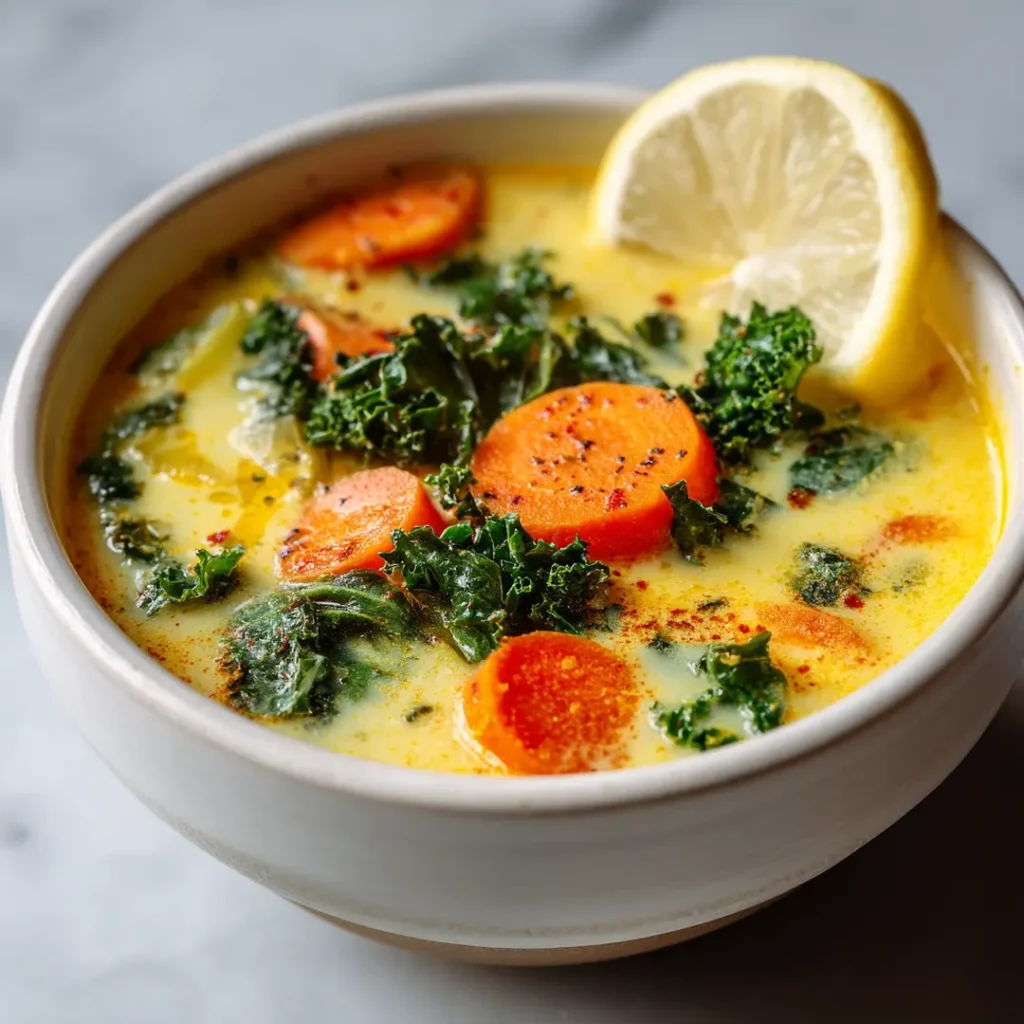
Pour the tempered discard mixture back into the pot while stirring continuously. The sourdough discard gut healing soup will thicken visibly within 2 minutes.
Add the chopped kale or spinach and stir until wilted, about 2 more minutes. Squeeze in the lemon juice, taste for salt, and serve immediately.
Why Sourdough Discard Makes This a Gut Healing Soup
Sourdough discard is not just a thickener. It is one of the most functional food ingredients you can add to a savory recipe.
Lactic acid bacteria in sourdough discard are the same strains that have been studied extensively for their role in supporting a balanced gut microbiome. A 2022 PMC review confirmed that sourdough LAB strains have antimicrobial, immune-modulating, and microbiota-shaping properties that distinguish fermented grain ingredients from conventional flour. [web:623]
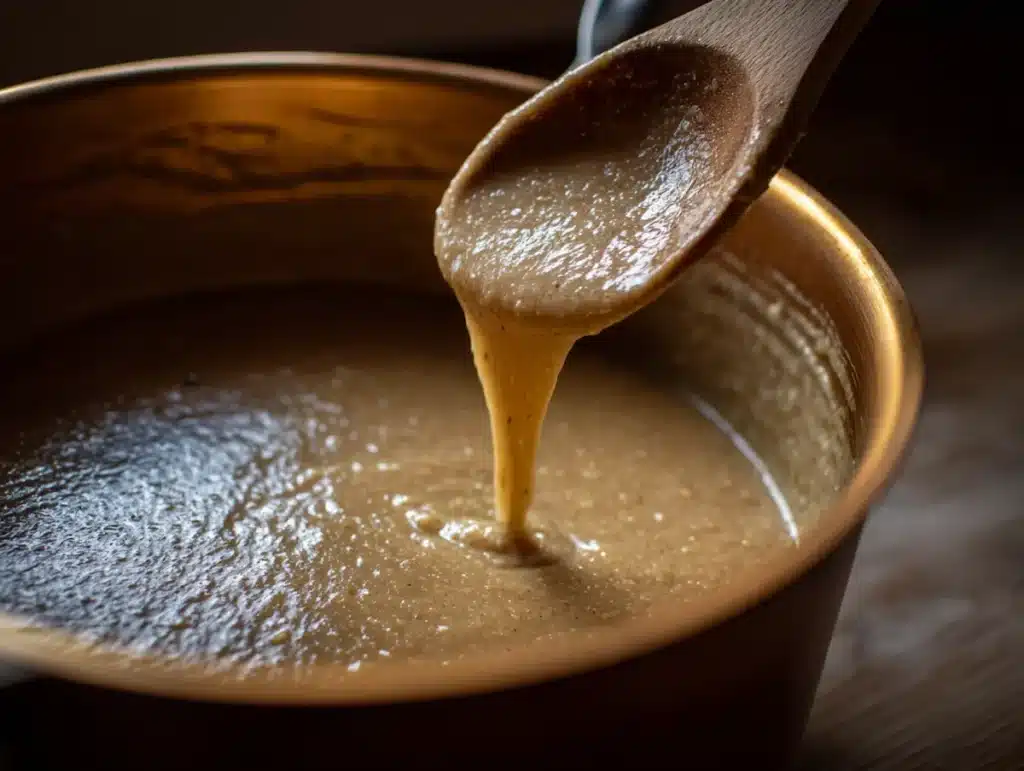
Prebiotic fiber is the second major gut benefit. Sourdough fermentation produces exopolysaccharides including glucans and fructans that act as prebiotic substrates for beneficial bacteria like Bifidobacterium and Lachnospira. [web:633]
Reduced phytic acid is the third benefit. Sourdough fermentation breaks down phytic acid in the flour, which means the minerals in this soup including iron, zinc, and magnesium from the bone broth are more bioavailable than in a soup thickened with unfermented flour. [web:633]
Adding the discard at the end of cooking preserves more of these live compounds than adding it at the start. Heat above 140°F kills lactic acid bacteria, so the tempering method in this sourdough discard gut healing soup is specifically designed to minimize heat exposure while still fully incorporating the discard.
7 Reasons This Sourdough Discard Gut Healing Soup Works
Reason 1: It uses sourdough discard as a natural thickener that adds fermented depth without any processed starch or flour.
Reason 2: Bone broth provides collagen, glycine, and glutamine, three amino acids studied for their role in gut lining integrity and intestinal barrier support.
Reason 3: Turmeric and black pepper work together as a curcumin and piperine pair, with piperine increasing curcumin absorption by up to 2000 percent according to published bioavailability data.
Reason 4: Lactic acid bacteria in the discard support butyrate-producing bacteria in the colon, which are the key microorganisms for maintaining a healthy gut lining.
Reason 5: Kale and spinach add prebiotic fiber, folate, and magnesium that feed and support the gut microbiome directly.
Reason 6: The tempering method preserves more live fermentation compounds in the finished bowl than conventional soup-making approaches.
Reason 7: It takes 30 minutes and uses up every last gram of discard you would otherwise waste, making it the most practical gut healing recipe in any sourdough baker’s weekly rotation.
For the full PMC research on sourdough lactic acid bacteria and gut microbiome benefits, the PMC Sourdough Microbiome Comparison and Benefits study is the most comprehensive published source available. [web:622]
Sourdough Discard Gut Healing Soup Variations
Classic chicken version: replace bone broth with chicken bone broth and add 1 cup shredded rotisserie chicken in the final 2 minutes alongside the kale.
Creamy version: stir in 2 tablespoons full-fat coconut milk or a dollop of plain yogurt alongside the tempered discard for a richer, creamier gut healing soup.
Ginger boost version: add 1 teaspoon freshly grated ginger with the garlic in Step 1 for extra anti-inflammatory support that complements the sourdough discard beautifully.
Legume version: add 1/2 cup cooked white beans or lentils with the broth in Step 3 for extra protein and prebiotic fiber in this sourdough discard gut healing soup.
Low-sodium version: use homemade unsalted bone broth and skip the added sea salt, letting the sourdough discard’s natural tanginess carry the flavor instead.
For a complementary gut-supporting side dish, my kimchi for weight loss recipe pairs perfectly alongside this sourdough discard gut healing soup as a double-fermented meal.
5 Mistakes to Avoid
The single biggest mistake I made in early batches was skipping the tempering step. I added the discard straight to the boiling soup, it went stringy, and the texture was ruined in under a minute.
Mistake 1: Adding discard directly to boiling soup. Always temper first by mixing the discard with a ladleful of hot broth before adding it to the pot. This single step is what separates a smooth, silky sourdough discard gut healing soup from a lumpy one.
Mistake 2: Using cold discard straight from the fridge. Cold discard shocks the soup and creates uneven texture. Let it sit at room temperature for 20 minutes before cooking.
Mistake 3: Boiling the soup after adding the discard. Once the discard goes in, keep the heat on low. A hard boil after adding discard will break the emulsion and destroy the lactic acid bacteria you added it for.
Mistake 4: Using too much discard. Half a cup per 4 cups of broth is the right ratio. More than 3/4 cup makes the sourdough discard gut healing soup taste sharp and overly fermented rather than balanced and tangy.
Mistake 5: Skipping the lemon juice at the end. The acid brightens the whole bowl, lifts the turmeric, and balances the richness of the bone broth. It takes 2 seconds and makes a real difference.
Frequently Asked Questions
What is sourdough discard gut healing soup?
Sourdough discard gut healing soup is a bone broth vegetable soup thickened with sourdough discard instead of flour or cornstarch. The discard adds fermented flavor, lactic acid bacteria, and prebiotic fiber that support the gut microbiome. It is a zero-waste, 30-minute weeknight soup that uses up starter you would otherwise discard.
Does sourdough discard survive cooking in soup?
Some of the lactic acid bacteria in sourdough discard are killed by heat above 140°F. Adding the discard at the very end of cooking using the tempering method preserves more live bacteria and fermentation compounds than adding it at the start. Even if the bacteria do not survive, the prebiotic fiber and fermentation metabolites remain in the finished soup.
How much sourdough discard should I add to soup?
Use 1/2 cup of sourdough discard per 4 cups of broth for a balanced, tangy thickening effect. Up to 3/4 cup works if you want a thicker, more pronounced sourdough flavor. More than 3/4 cup can make the sourdough discard gut healing soup taste overly sharp and acidic.
Can I use sourdough discard that has been in the fridge for a week?
Yes. Sourdough discard keeps well in the fridge for up to two weeks in a sealed jar. Older discard has more acidity and a sharper flavor, which works well in savory recipes like this sourdough discard gut healing soup. Just bring it to room temperature before using.
What vegetables work best in sourdough discard gut healing soup?
Carrots, celery, onion, garlic, kale, spinach, leeks, zucchini, sweet potato, and mushrooms all work well. Root vegetables that hold their shape during simmering are best for texture. Leafy greens added at the very end stay bright green and add prebiotic fiber without turning mushy.
Is sourdough discard gut healing soup good for IBS?
Sourdough fermentation breaks down FODMAPs in the flour, making sourdough discard lower in fermentable carbohydrates than unfermented wheat flour. For many people with mild IBS, sourdough-based recipes are easier to tolerate. However, individual responses vary and you should monitor your own reaction and consult a clinician if you have a diagnosed condition.
Can I make sourdough discard gut healing soup without bone broth?
Yes. Use a good-quality vegetable broth as a direct substitute for bone broth. You lose the collagen and glycine from the bone broth, but the sourdough discard’s gut benefits remain fully intact. Add 1 tablespoon of miso paste to vegetable broth to recover some of the fermented umami depth that bone broth provides.

Make It This Week
This sourdough discard gut healing soup is the recipe that finally made me feel good about every single jar of discard sitting in my fridge.
Thirty minutes, one pot, zero waste, and a bowl that tastes like you spent the afternoon cooking. Make it once and it becomes part of the regular rotation.
If you want to build a full gut-health meal plan around this soup, my foods to lower blood sugar guide and my chia seed water recipe are the two best companion reads for building a gut-supportive daily routine around real food.
Disclaimer
The content on fastflavorbites.com is for informational and educational purposes only and does not constitute medical advice. Sourdough discard gut healing soup is a real food recipe, not a treatment or cure for IBS, leaky gut, or any digestive condition. Claims about gut health, lactic acid bacteria, and prebiotic fiber are based on published nutritional science and the studies cited above. Always consult a qualified healthcare professional before making dietary changes, especially if you have a diagnosed digestive condition, food sensitivity, or take medications. Nutritional values are estimates only.