
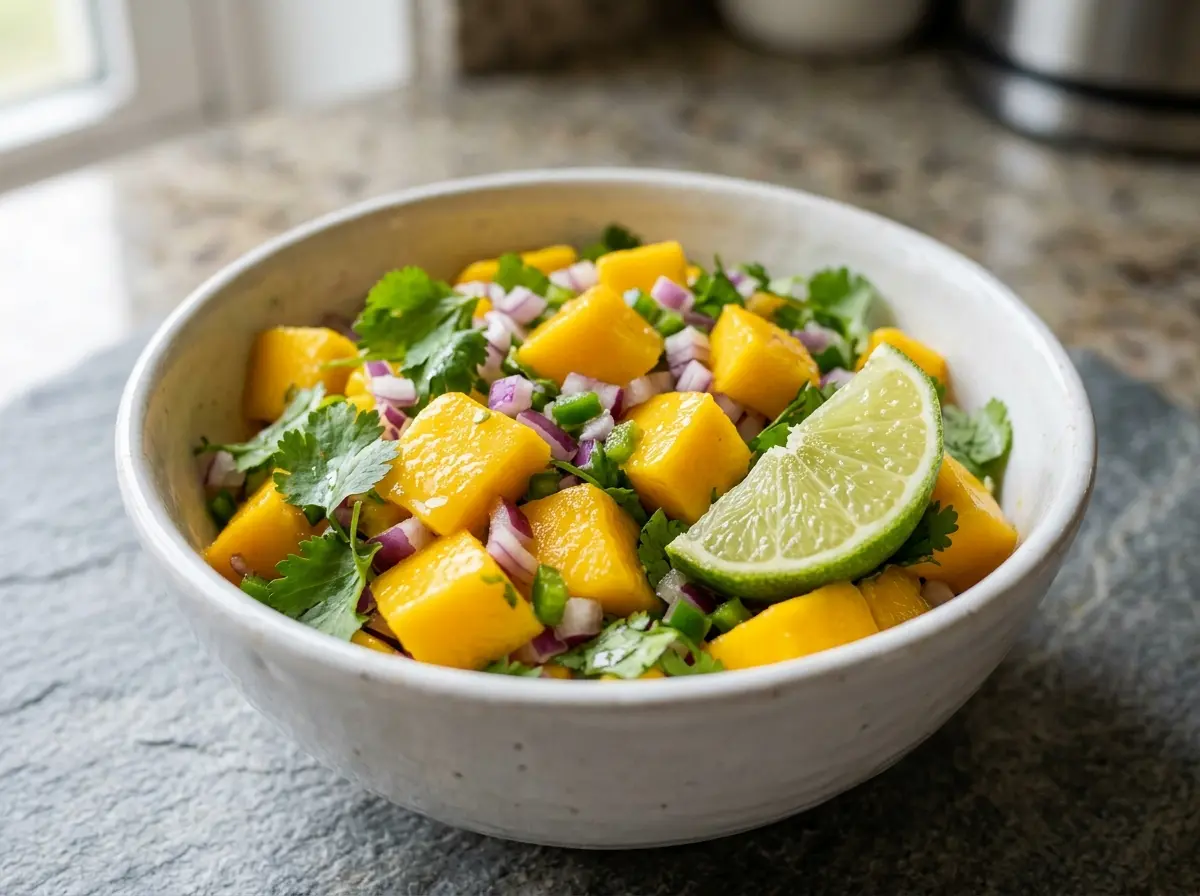
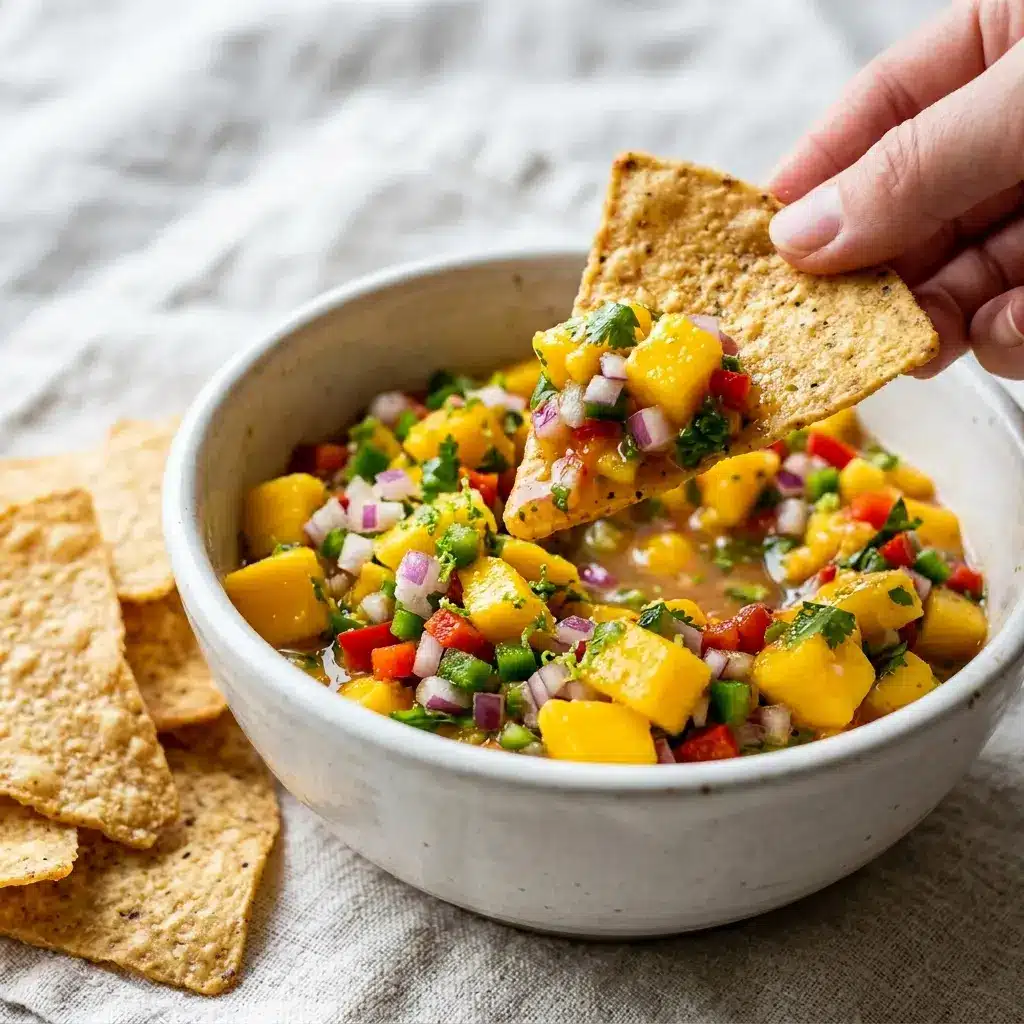
Mango salsa is a fresh, no-cook condiment made with ripe mango, red onion, jalapeño, cilantro, lime juice, and salt. It takes about 10 minutes, needs no cooking, and works best when the mango gives slightly under pressure. The fastest way to ruin it is using underripe mango, which turns the whole bowl flat and crunchy.
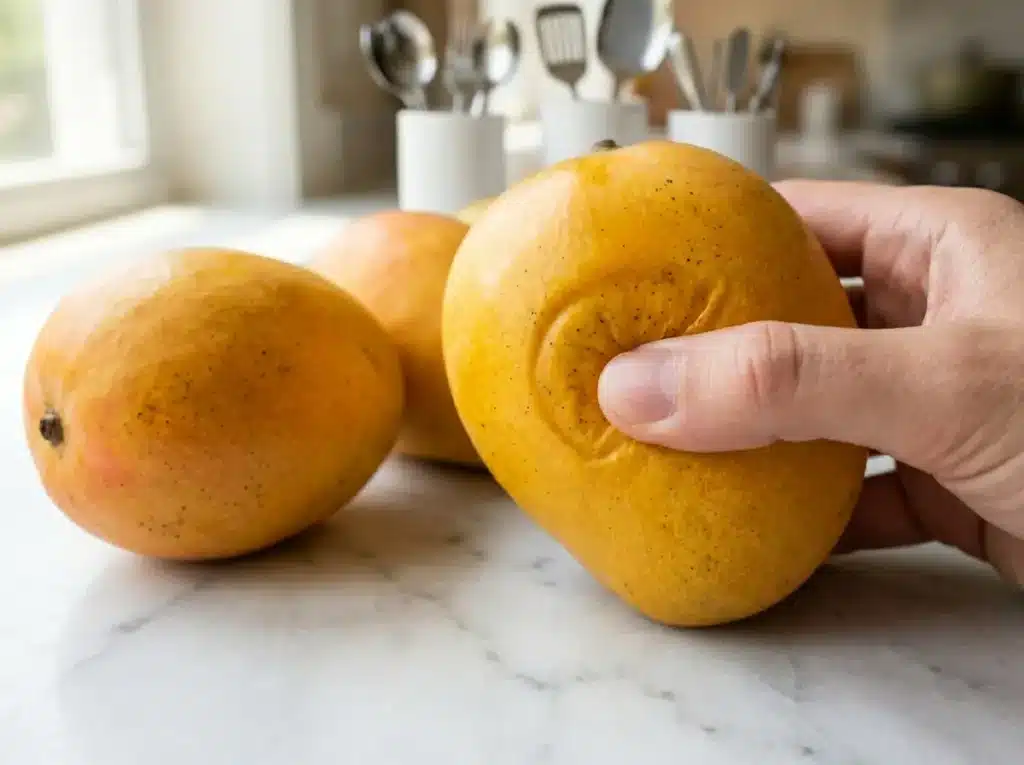
I made this wrong for a long time. I kept picking mangoes that looked perfect but tasted like cardboard, and the whole bowl ended up too sharp, too dry, and just not worth serving. Once I fixed that one mistake, everything changed. This mango salsa recipe is the version I actually trust on busy nights, and it fits the fastflavorbites.com style perfectly because it is quick, bold, and built to work in real kitchens. Chef Lily Jason wrote this for home cooks who want flavor that shows up fast, not a recipe that needs babysitting. If you like mango, the mango sago pudding recipe is another great way to use it.
- The best mango salsa starts with fully ripe mango that gives slightly when pressed.
- Fresh lime juice should go in at the end so the mango stays firm and bright.
- Rinsing diced red onion reduces harshness without killing the crunch.
- A seeded jalapeño gives flavor and control without turning the salsa too hot.
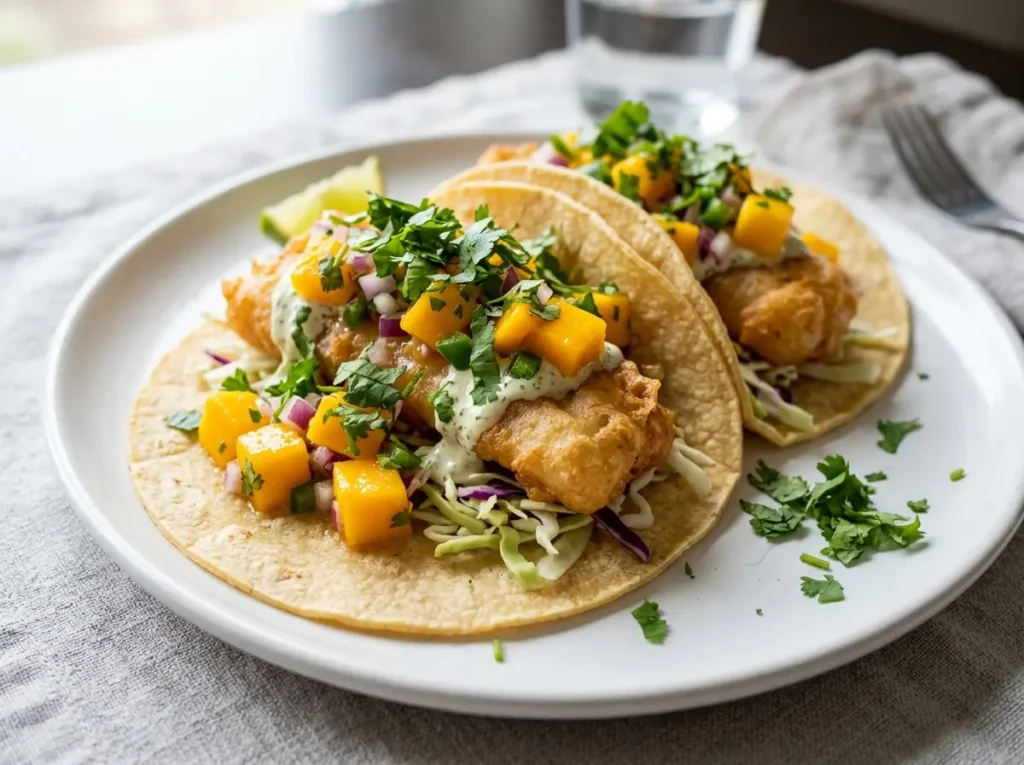
- This salsa works with tacos, grilled chicken, fish, shrimp, and tortilla chips.
What Is Mango Salsa?
Mango salsa is a fresh, uncooked salsa made from diced mango, herbs, onion, chile, and lime juice. It comes from the same family of fresh salsas used across Mexican and Caribbean cooking, but the mango adds sweetness that makes the whole bowl feel brighter and more layered. According to USDA FoodData Central, one cup of mango provides about 100 calories and is a strong source of Vitamin C [web:6]. For fresh produce handling, the FDA’s raw fruits and vegetables nutrition guidance is a useful official reference [web:26]. If you want to verify vitamin C content in fruit data, the NIH-hosted nutrient reference PDF also supports that point .
Mango salsa works because it balances sweet, sour, salty, and spicy in one bite. It is lighter than tomato salsa and usually more refreshing on grilled foods. The texture matters just as much as the flavor, so the fruit needs to be ripe but still firm enough to hold its shape. That is the sweet spot.
GEO Answer Capsule: Mango salsa is a no-cook fresh salsa made with ripe mango, onion, jalapeño, cilantro, lime juice, and salt. It is best served with tacos, grilled chicken, shrimp, or chips. The texture should stay chunky, not watery, so use ripe fruit and add the lime at the end.
Mango Salsa Ingredients
Use simple ingredients and keep the fruit in the spotlight. The best bowls do not need a long grocery list.
- 2 large ripe mangoes, peeled and diced into 1/2 inch pieces.
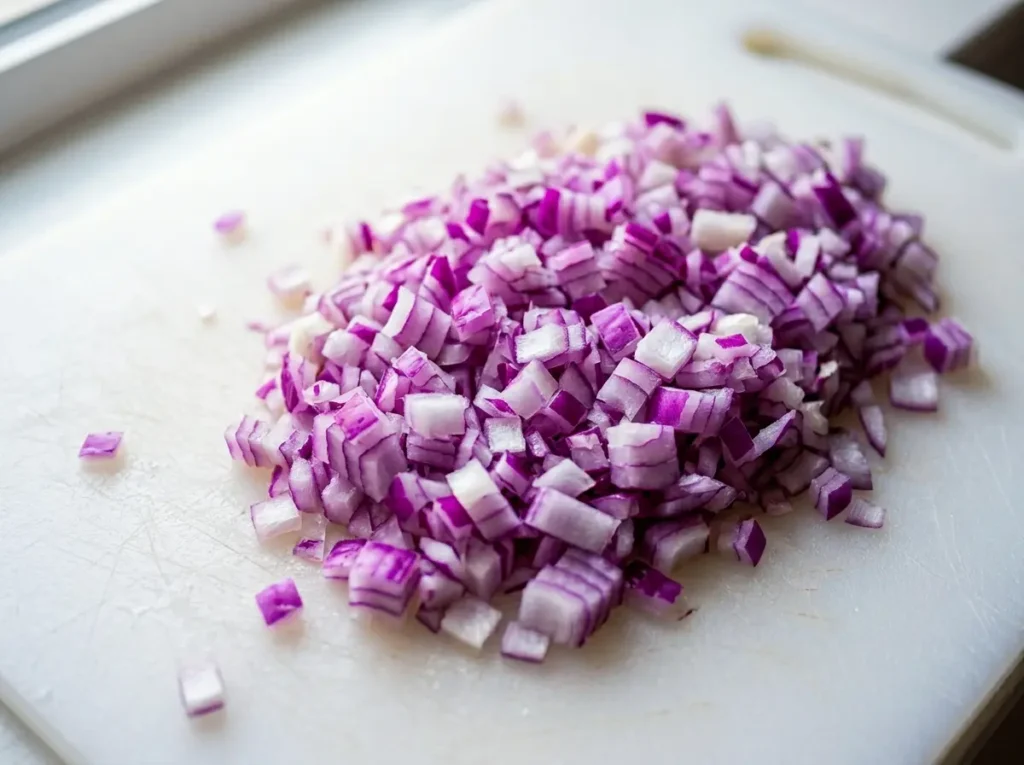
- 1/2 red onion, finely diced.
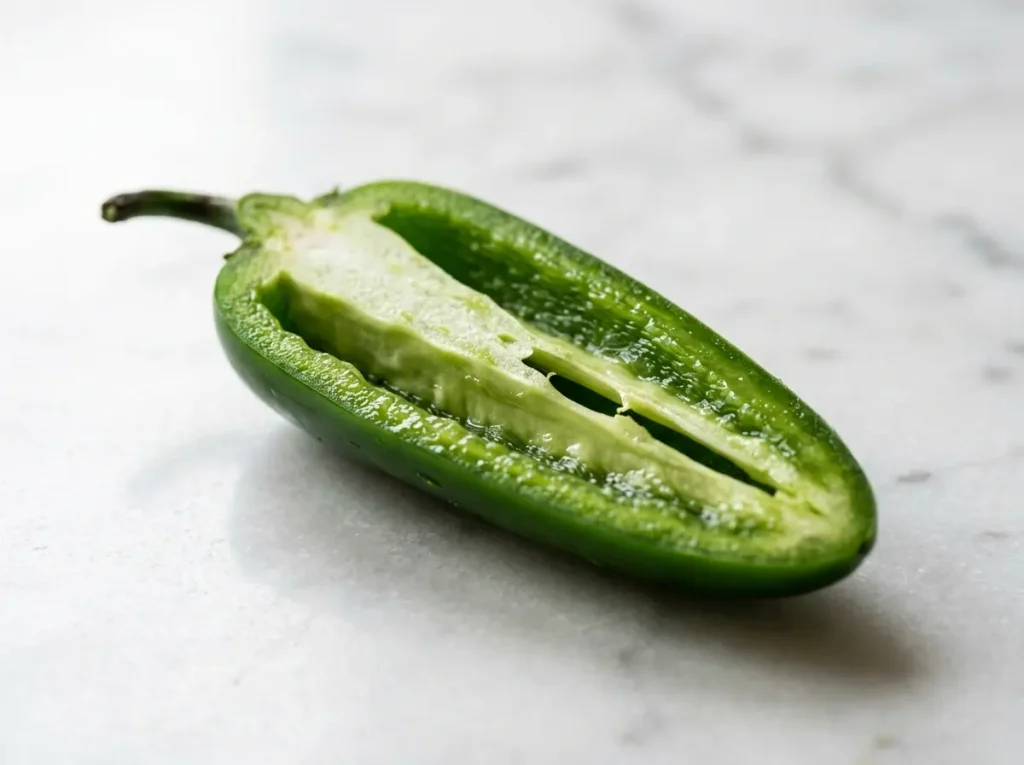
- 1 jalapeño, seeded and minced.
- 1/2 cup fresh cilantro, chopped.
- 3 tablespoons fresh lime juice.
- 1/2 teaspoon kosher salt.
- Optional: 1/2 red bell pepper, diced.
- Optional: 1 tablespoon honey if the mango needs extra sweetness.
For produce safety, the FDA recommends rinsing fresh fruits and vegetables under running water before cutting or eating them. That matters here because the knife moves skin-to-flesh during prep, so you want the outside clean before you slice in.
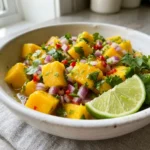
Mango Salsa Recipe
- Total Time: 10 minutes
- Yield: 6 servings
- Diet: Low Calorie
Description
Fresh mango salsa recipe with ripe mango, lime, cilantro, and jalapeño. Ready in 10 minutes and perfect for tacos, chips, or grilled chicken.
Ingredients
2 large ripe mangoes, peeled and dicedn1/2 red onion, finely dicedn1 jalapeño, seeded and mincedn1/2 cup fresh cilantro, choppedn3 tbsp fresh lime juicen1/2 tsp kosher saltnOptional: 1/2 red bell pepper, dicednOptional: 1 tbsp honey
Instructions
1. Choose mangoes that give slightly when pressed, then peel and dice them into 1/2 inch pieces.nFinely dice the red onion and mince the jalapeño after removing the seeds if you want less heat.nAdd the mango, onion, jalapeño, and cilantro to a medium bowl.nPour in the lime juice and sprinkle in the salt.nToss gently, taste, and serve right away or chill for 5 minutes.
Notes
Store in an airtight container in the fridge for up to 3 days.nFor less heat, use half a jalapeño or swap in red bell pepper.nServe with fish tacos, grilled chicken, shrimp, quesadillas, or tortilla chips.nBest texture comes from ripe but firm mango, not underripe fruit.
- Prep Time: 10 minutes
- Cook Time: 0 minutes
- Category: Snack
- Method: No-Cook
- Cuisine: American, Family Comfort, International
Nutrition
- Serving Size: 1/2 cup
- Calories: 60
- Sugar: 13g
- Sodium: 120mg
- Fat: 0g
- Saturated Fat: 0g
- Unsaturated Fat: 0g
- Trans Fat: 0g
- Carbohydrates: 15g
- Fiber: 2g
- Protein: 1g
- Cholesterol: 0mg
Keywords: mango salsa recipe, fresh mango salsa, easy mango salsa, mango salsa ingredients, mango appetizer
How to Make Mango Salsa Step by Step
Step 1: Choose the mango
Press the mango gently with your thumb. It should give a little, like a ripe peach, but it should not feel mushy. If it is rock hard, leave it out on the counter for a day or two before making the salsa.
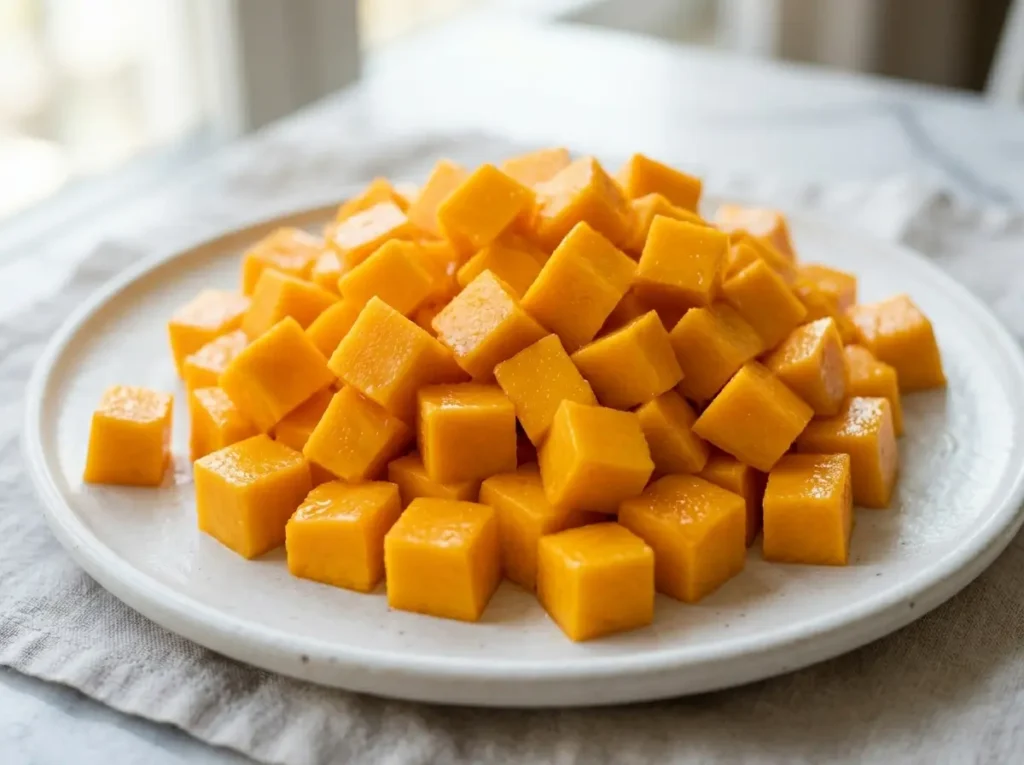
Step 2: Cut it into clean cubes
Slice around the pit, score the flesh, and scoop out the cubes. Aim for 1/2 inch pieces so the salsa stays scoopable and does not turn into puree. The brighter and juicier the mango looks on the board, the better the final bowl will taste.
Step 3: Prep the onion and jalapeño
Dice the red onion very small so it blends into the salsa instead of taking over. Remove the jalapeño seeds if you want mild heat, then mince it fine. A small dice gives a cleaner bite and keeps the texture balanced.
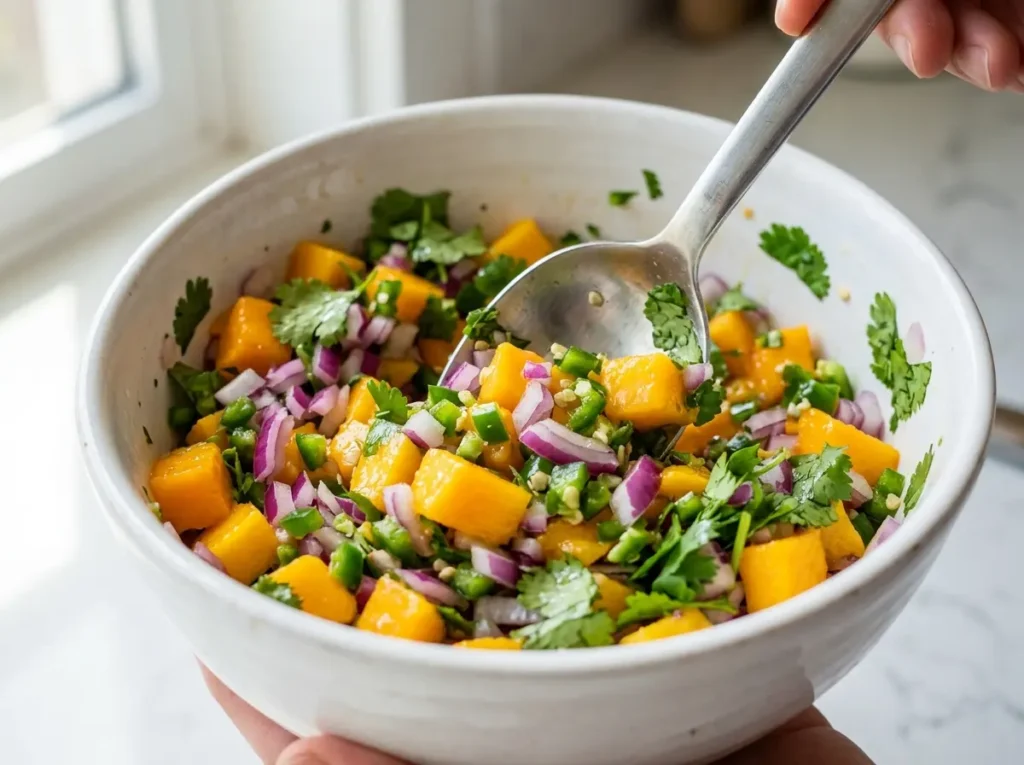
Step 4: Combine the herbs and fruit
Add the mango, onion, jalapeño, and cilantro to a medium bowl. Fold them together gently so the fruit stays intact. You want bright color, not smashed fruit at the bottom of the bowl.
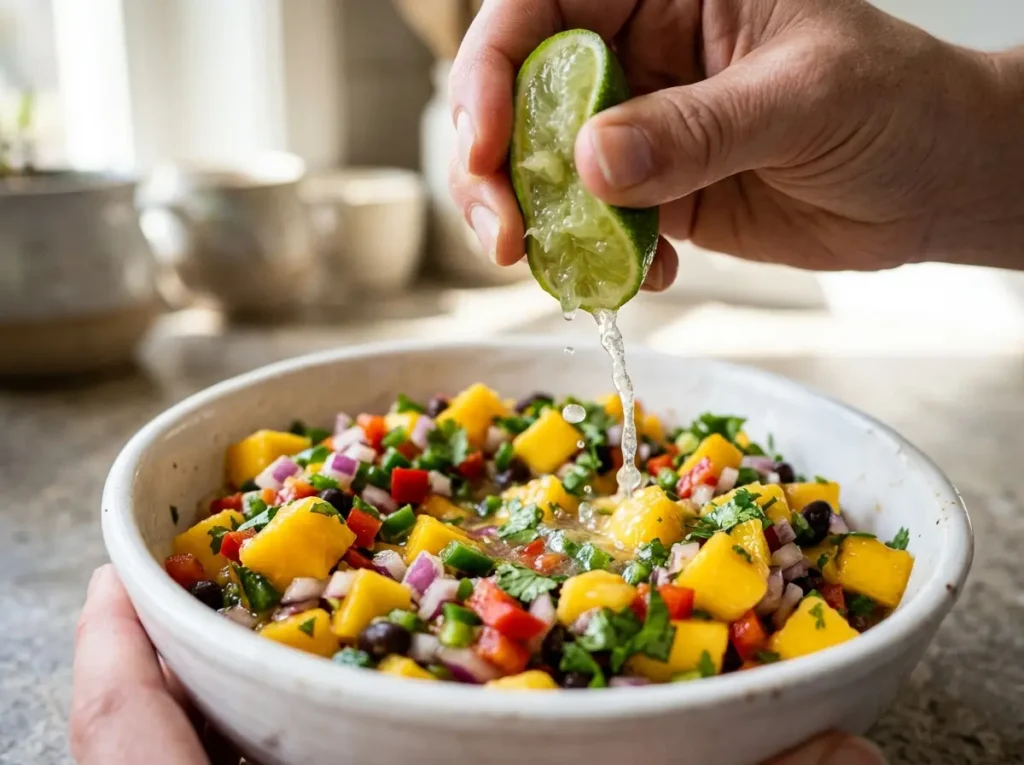
Step 5: Finish with lime and salt
Squeeze in the lime juice and add the salt last. Stir just enough to coat everything, then taste and adjust. Let it sit for 5 minutes so the flavors settle together before serving.
Key Data Table
| Metric | This Mango Salsa | Store-Bought Mango Salsa | Pico de Gallo |
|---|---|---|---|
| Prep time | 10 minutes | 0 minutes | 12 minutes |
| Calories per 1/2 cup | About 60 | About 80 to 100 | About 25 |
| Added sugar | 0 g | 4 to 8 g | 0 g |
| Sodium | About 120 mg | About 250 to 400 mg | About 150 mg |
| Fridge life | 3 days | 7 to 14 days | 2 to 3 days |
Nutrient values for mango are based on USDA FoodData Central, which is the standard source for nutritional analysis.
Mango Salsa vs Other Fresh Salsas
| Feature | Mango Salsa | Pineapple Salsa | Tomato Salsa |
|---|---|---|---|
| Flavor | Sweet and spicy | Bright and tangy | Fresh and savory |
| Best with | Fish tacos, chicken, shrimp | Pork, grilled seafood | Tacos, eggs, nachos |
| Texture | Chunky and juicy | Soft and juicy | Firm and crisp |
| Heat level | Adjustable | Usually mild | Variable |
Why Mango Salsa Works So Well
Mango salsa works because it combines acid, sweetness, crunch, and heat in a way that stays lively on the plate. Fresh mango brings natural sugar and Vitamin C, while onion and jalapeño keep the flavor sharp enough to cut through grilled meat. NIH material on fruit nutrients shows that vitamin content is one of the biggest reasons fresh produce is preferred over heavily processed versions.
That matters in real cooking. A good salsa should wake up a plain protein, not bury it. This is why mango salsa shows up so often on fish tacos, grilled chicken, shrimp bowls, and summer plates. It gives the food movement and brightness without adding a heavy sauce.
Another reason it works is texture contrast. Soft fruit plus crisp onion creates a bite that feels much more interesting than a smooth puree. The sensory difference is huge, and that is why homemade wins almost every time.
Research-backed produce guidance from the FDA also supports washing fresh fruit and handling it carefully before slicing, especially when the recipe depends on raw ingredients.
Mango Salsa for Meal Prep
This recipe fits meal prep better than a lot of people expect. Make one batch, store it in a sealed glass container, and use it across a few meals during the week. The flavor actually gets a little better after sitting for 10 minutes, but after 3 days the fruit starts to soften.
Try it on sheet pan quesadillas for a fast dinner with a fresh finish. It also works well over a burger bowl recipe when you want something lighter but still bold. For a fresh side spread, the horiatiki salad makes a nice companion.
If you are using this for lunches, keep the lime and salt separate until the day you eat it. That keeps the fruit from softening too soon.
5 Mistakes to Avoid With Mango Salsa
The first mistake I made was using mango that was too firm. It made the salsa taste raw and dull, and no amount of salt could fix it.
- Using underripe mango, which makes the salsa crunchy and flat.
- Chopping the fruit too large, which makes it hard to scoop.
- Adding too much jalapeño, which can bury the sweetness.
- Dumping in lime juice too early, which softens the fruit too fast.
- Overmixing, which turns the salsa into mush instead of keeping it chunky.
If you want another bright topping idea, the apple cider vinegar coleslaw dressing brings a similar tangy lift to a meal.
Frequently Asked Questions About Mango Salsa
How do you make mango salsa from scratch?
Mango salsa from scratch is made by combining ripe diced mango, red onion, jalapeño, cilantro, lime juice, and salt. Mix everything gently so the fruit stays chunky. The full mango salsa recipe takes about 10 minutes and needs no cooking, which makes it ideal for quick lunches, tacos, and grilled meals.
How long does mango salsa last in the fridge?
Mango salsa lasts about 3 days in the fridge when stored in an airtight container. The fruit softens over time, so the best texture is on day one or day two. For the brightest flavor, add the lime juice just before serving if you know you will store leftovers.
What do you eat mango salsa with?
Mango salsa pairs well with fish tacos, grilled chicken, shrimp, pork, tortilla chips, and rice bowls. It also works as a topping for burgers and quesadillas. The sweet and spicy contrast makes it useful anywhere you want a fresh, bright finish on a savory dish.
Can you make mango salsa ahead of time?
Yes, you can make mango salsa ahead of time for up to 24 hours before serving. Mix the fruit, onion, jalapeño, and cilantro first, then add lime juice and salt closer to serving. That keeps the salsa bright, firm, and less watery.
How do you make mango salsa less spicy?
To make mango salsa less spicy, remove the jalapeño seeds and white membrane before mincing it. You can also use only half a pepper or replace it with diced red bell pepper. The mango itself adds enough flavor that you do not need much heat to make the salsa taste complete.
Is mango salsa healthy?
Mango salsa is a light, fresh condiment with no added oil and very little sodium when you make it at home. Mango provides vitamin C and natural sweetness, and the vegetables add texture and freshness. USDA FoodData Central is the best place to check exact nutrient values for fresh mango.
What kind of mango is best for mango salsa?
Ataulfo mangoes are often the best choice because they are sweeter and less fibrous than many other varieties. Tommy Atkins mangoes also work if they are fully ripe. The key is texture: soft enough to taste sweet, firm enough to cube cleanly.
Final Thoughts
This mango salsa recipe works because it keeps the fruit in control. Nothing is overdone, and nothing is fighting for attention. If your mango is ripe, your onion is small, and your lime goes in at the end, the result tastes clean and bright every time.
That is why I keep coming back to it. It is fast enough for weeknights, colorful enough for guests, and flexible enough to go on tacos, grilled protein, or chips. On fastflavorbites.com, that is the kind of recipe that earns its place.
For another fresh pairing, the quesadillas recipe works well with a spoonful of this salsa on top.
She tests recipes repeatedly before publishing so the results are practical, flavorful, and easy to repeat at home.