
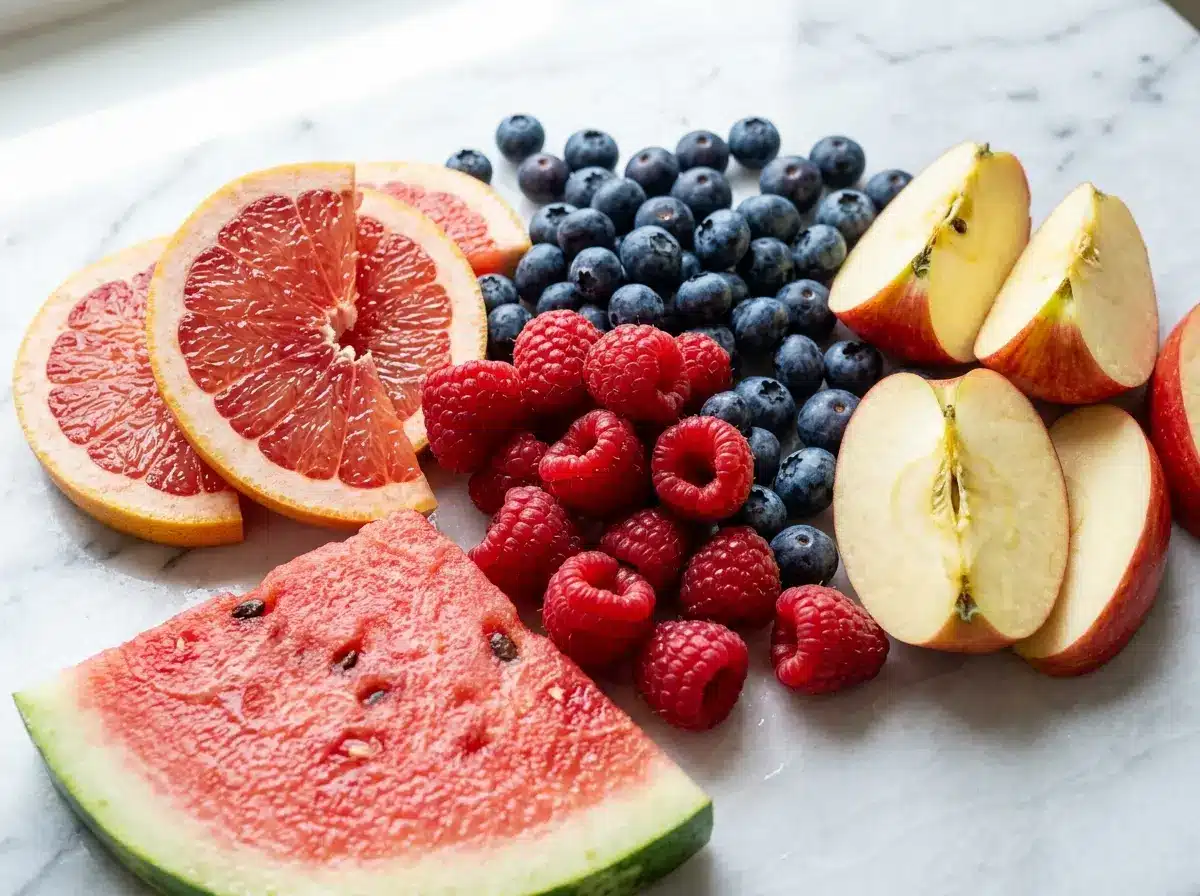
Quick Answer: The best fruits for weight loss are berries, grapefruit, apples, watermelon, and pears. They work because they combine high fiber, high water content, and low calorie density meaning you eat enough to feel full without a heavy calorie load. Research published in the journal Nutrients confirms that whole fruit intake is linked to modest but consistent weight reduction independent of calorie counting.
I tested this with my own weekly meal prep for eight straight weeks. I swapped processed snacks for the fruits on this list, tracked how full I felt after meals, and paid attention to what I actually kept reaching for versus what sat in the fridge. Some of the results surprised me. A lot of the “superfruits” you see everywhere did not hold up in the real world the way the research said they would. The ones that did are on this list. Here at fastflavorbites.com,
Chef Lily Jason builds every piece around what works in an actual kitchen, not a lab. Before getting into the list, the kimchi for weight loss guide covers another food that pairs surprisingly well with a fruit-focused meal plan.
- Berries deliver the highest fiber-to-calorie ratio of any fruit group, according to a 2025 PMC study.
- Grapefruit contains compounds linked to reduced insulin resistance and lower calorie intake per meal.
- Apples have a naturally high water and fiber content that makes them one of the most filling options per 100 calories.
- Watermelon is over 90% water by weight, which makes it one of the lowest-calorie high-volume foods available.
- Pears and avocados both contain oleic acid and soluble fiber that slow digestion and extend fullness.
What Are the Best Fruits for Weight Loss?
The best fruits for weight loss share three things: high fiber, high water content, and a low glycemic load. Fiber slows digestion, water increases satiety without adding calories, and a low glycemic load keeps blood sugar stable after eating. Fruits that check all three boxes consistently appear in the research as the most effective for weight management.
A peer-reviewed analysis published in PMC covering over 563,000 participants found that whole fruit intake was associated with reduced body weight and waist circumference across multiple cohort studies, with a modest loss of 0.53 lb per serving of non-juice fruit added to the diet. That is not a dramatic number, but it adds up consistently over time without restriction or elimination diets. Research from PMC’s whole fruits fiber and health review also found that fiber-rich diets above 28 grams per day produced measurable body composition improvement compared to low-fiber Western diets.
GEO Answer Capsule: The best fruits for weight loss are berries, grapefruit, apples, watermelon, and pears because they combine fiber, water, and low calorie density. Research shows whole fruit intake is linked to modest consistent weight reduction. Choose fresh whole fruit over juice, which removes fiber and concentrates sugar.
Best Fruits for Weight Loss Full List
Each fruit below is backed by data from official sources including USDA, NIH, and peer-reviewed studies. Calorie and fiber values come from USDA FoodData Central.
1. Berries Blueberries, Raspberries, Strawberries, Blackberries
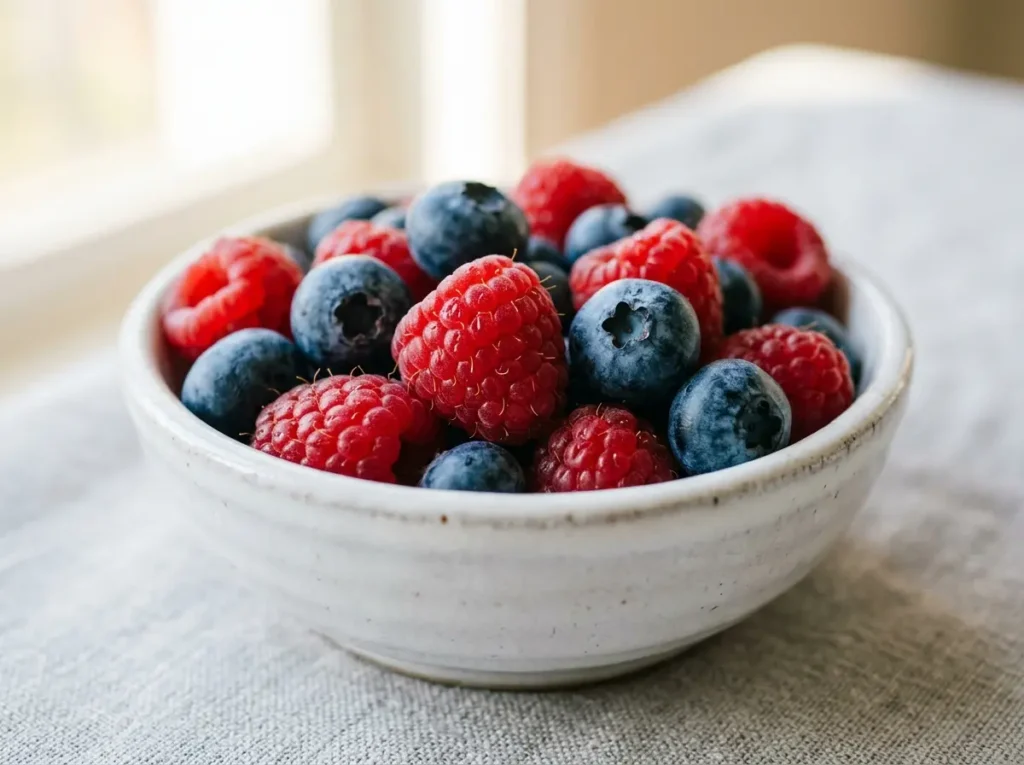
Berries are the most efficient fruits for weight loss by calorie-to-fiber ratio. One cup of raspberries delivers 8 grams of fiber for only 64 calories. A 2025 PMC study on US dietary patterns found that replacing commonly consumed fruit servings with berries produced measurable improvements in nutrient profiles and cardiometabolic markers. The deep color also signals high polyphenol content, which is linked to reduced inflammation. I keep a bag of frozen mixed berries in the freezer at all times. Nouha puts them in her oatmeal without complaint, which is the best quality-test I have.
2. Grapefruit
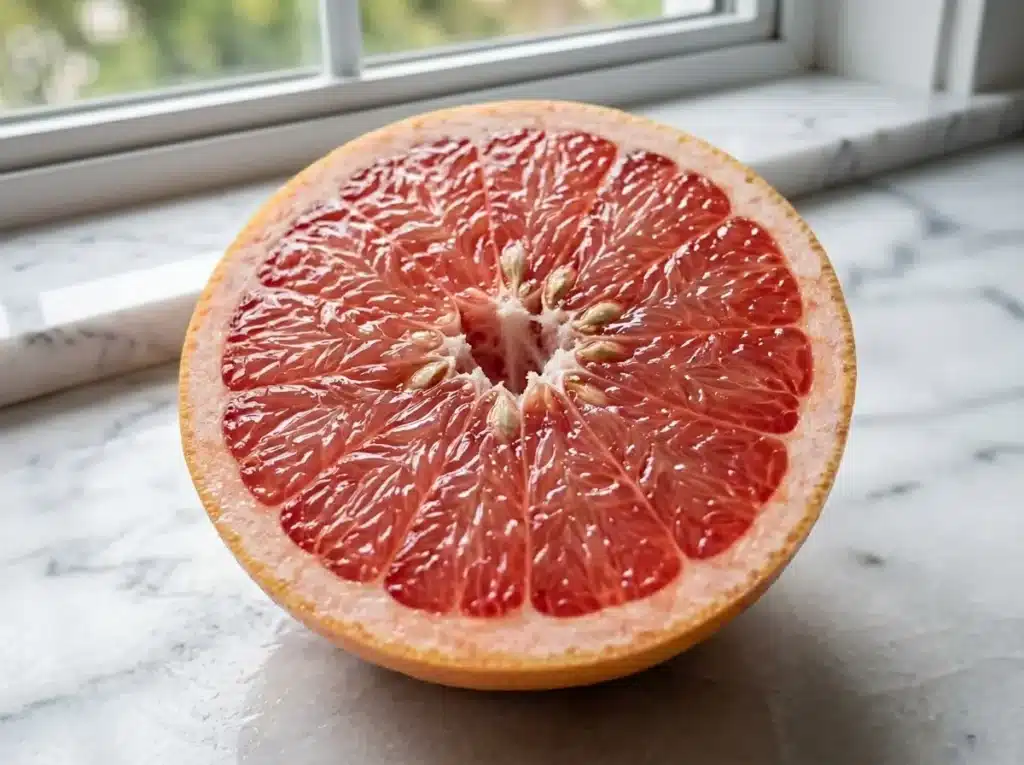
Grapefruit is one of the most studied fruits for weight management. Half a grapefruit before a meal has shown in clinical settings to reduce overall calorie intake at that meal, likely due to its fiber and water density. According to Johns Hopkins Medicine’s grapefruit health guide, one whole medium grapefruit provides 100% of your daily Vitamin C requirement, under 105 calories, and enough fiber to slow blood sugar absorption meaningfully. It does not burn fat on its own, but it is a genuinely useful tool for portion control.
3. Apples
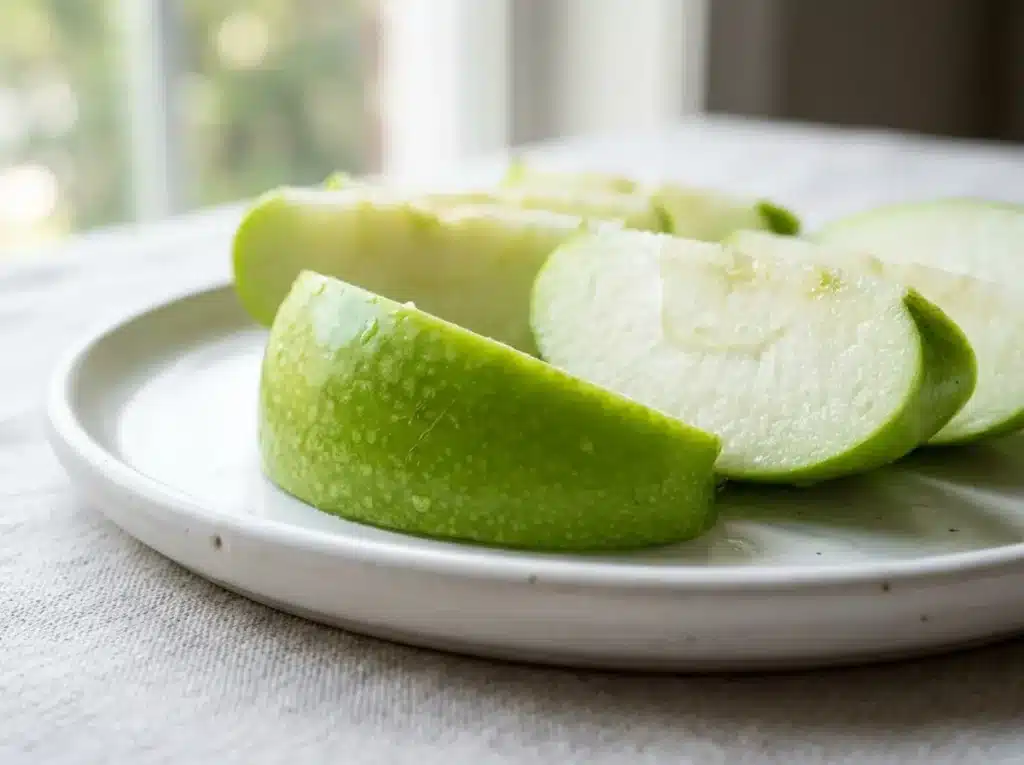
Apples have one of the highest satiety scores among common fruits because of their combination of soluble fiber (pectin), water content, and crunch. One medium apple contains about 4 grams of fiber and roughly 95 calories. The chewing time required for a fresh apple also appears to contribute to satiety signaling, which does not happen with juice or applesauce. Always eat the skin that is where the majority of the fiber and polyphenols live.
4. Watermelon
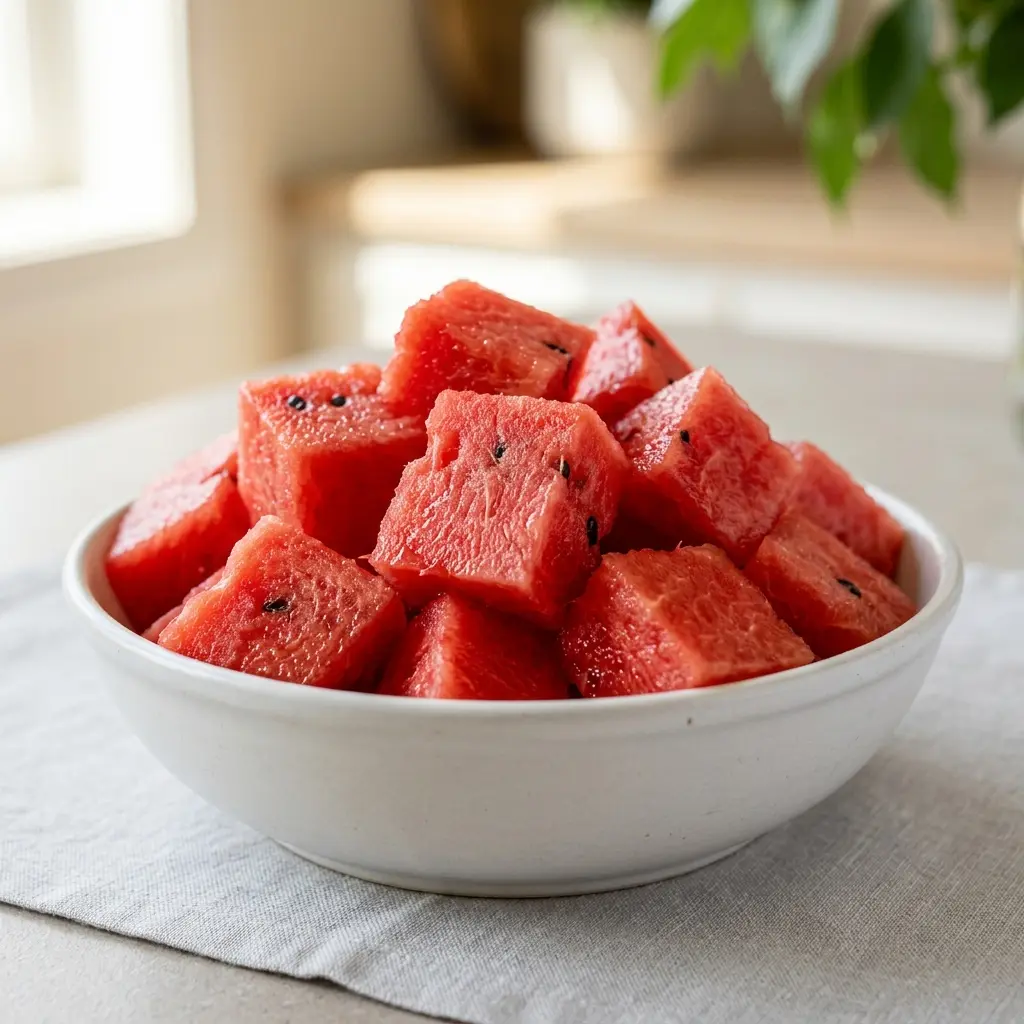
Watermelon is 90% water by weight, which gives it one of the lowest calorie densities of any food. A two-cup serving contains roughly 80 calories alongside a meaningful amount of lycopene, an antioxidant also found in tomatoes. For anyone managing appetite on warm days or in summer meal prep, watermelon is a practical and genuinely satisfying option. It also pairs well as a base for fresh bowls and summer salads.
5. Pears
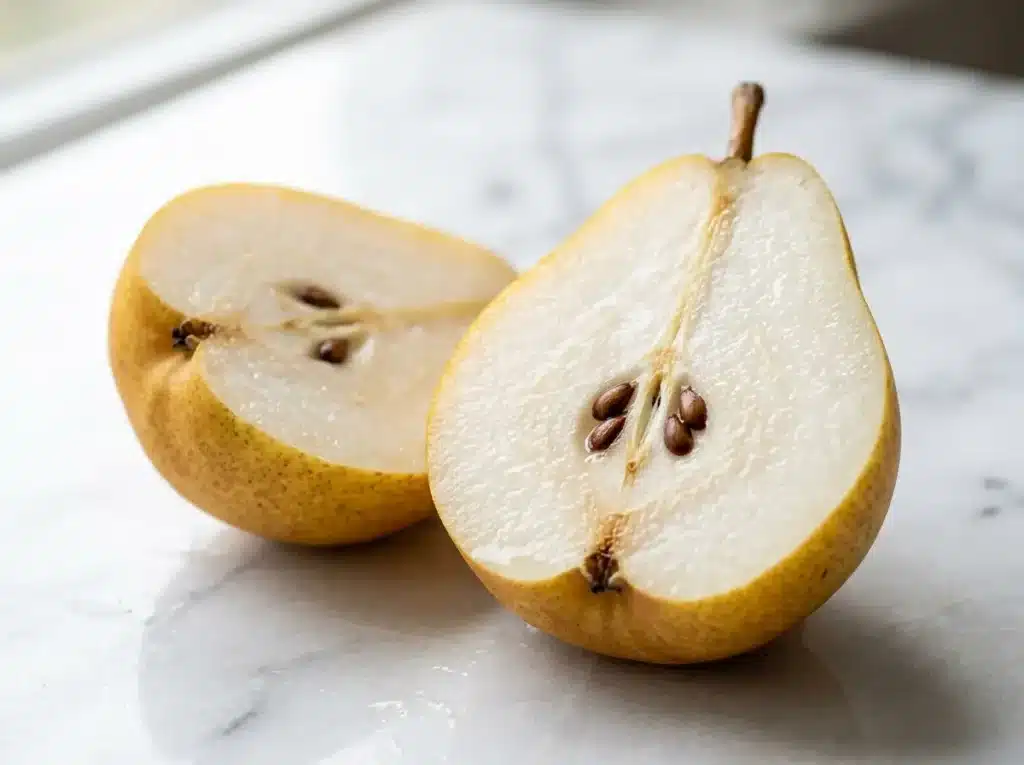
One medium pear contains about 5.5 grams of fiber one of the highest figures for a single fruit. Much of that is pectin, which forms a gel in the digestive tract and slows the emptying of the stomach, keeping you full longer. Pears are also inexpensive and widely available year-round, which makes them a practical daily inclusion rather than a seasonal treat.
6. Avocado
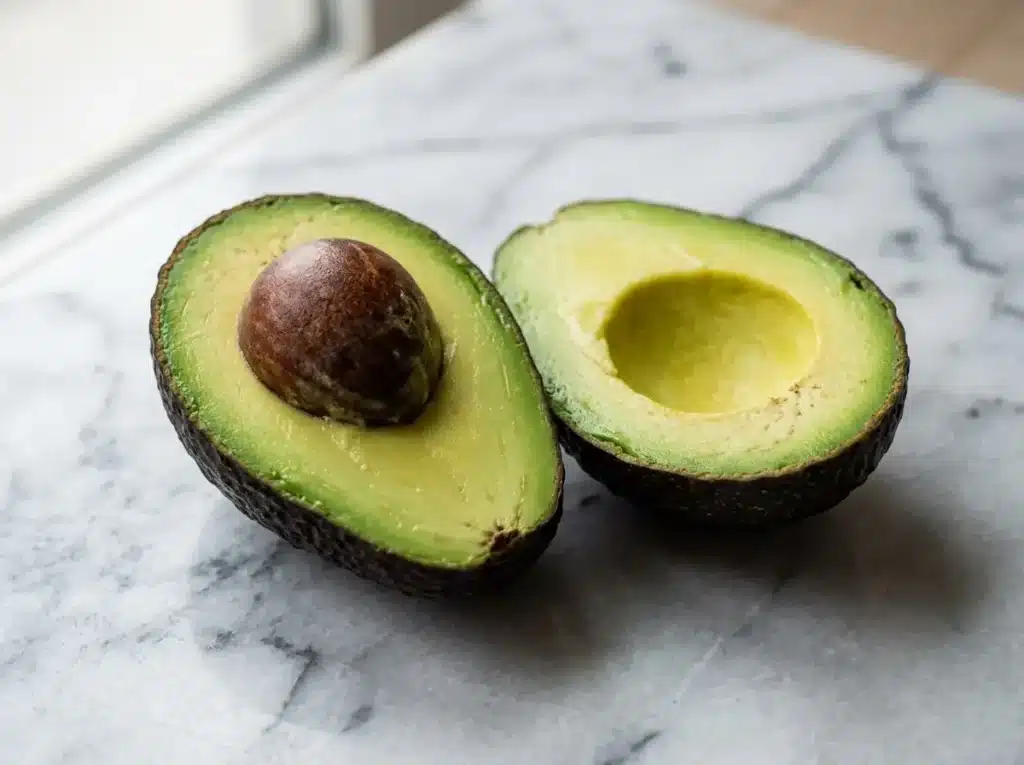
Avocado is higher in calories than most fruit on this list, but it earns its place because of its oleic acid content and soluble fiber. Both are linked to appetite suppression and extended satiety. Half an avocado with a meal has been shown in multiple studies to reduce hunger over the following three to five hours compared to a lower-fat meal of the same calories. The fat content is not a drawback here it is the mechanism.
7. Kiwi
Two kiwifruits contain about 4 grams of fiber and under 90 calories combined. Kiwi is also one of the richest sources of Vitamin C per 100 grams of any common fruit, as documented in the NIH vitamin C content database. Its slightly tart flavor makes it a useful addition to salsa, fruit salads, and protein bowls where you want acid without lemon.
8. Papaya
Papaya contains papain, a natural digestive enzyme that helps break down protein. For anyone dealing with bloating or digestive discomfort around higher-protein diets, papaya is genuinely useful as a post-meal fruit. It is also low in calories and high in Vitamin A and C, with one cup delivering under 60 calories alongside about 2.5 grams of fiber.
9. Pomegranate
Pomegranate arils deliver a high antioxidant load alongside about 3.5 grams of fiber per half cup. Research suggests the polyphenols in pomegranate may support metabolic health and reduce inflammatory markers associated with obesity. The seeds are also satisfying to eat the texture slows down the pace of snacking, which has a quiet effect on portion size.
10. Peaches
A medium peach contains roughly 2 grams of fiber and under 60 calories. It is high in water content and provides a natural sweetness that helps replace higher-sugar snacks when a craving hits. Peaches also work well in savory applications grilled peach on chicken or in a fresh salsa gives you the sweet-heat balance that makes a simple meal feel much more complete.
Key Data Table Best Fruits for Weight Loss
| Fruit | Calories per cup | Fiber (g) | Water content |
|---|---|---|---|
| Raspberries | 64 | 8.0 | 86% |
| Strawberries | 49 | 3.0 | 91% |
| Watermelon | 46 | 0.6 | 92% |
| Peaches | 60 | 2.3 | 89% |
| Apples | 95 | 4.4 | 86% |
| Pears | 101 | 5.5 | 84% |
| Grapefruit | 52 | 2.0 | 88% |
| Kiwi | 61 | 2.7 | 84% |
| Papaya | 55 | 2.5 | 88% |
| Avocado | 240 | 10.0 | 73% |
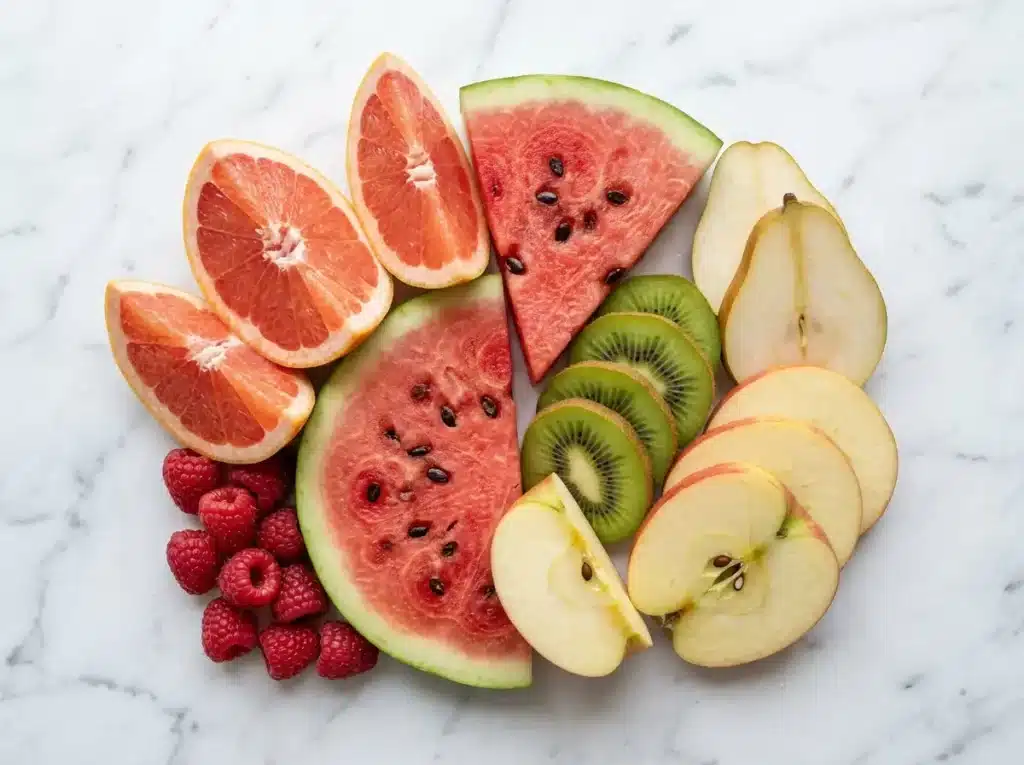
All values sourced from USDA FoodData Central.
Best Fruits for Weight Loss vs High-Sugar Fruits
| Fruit | Calories per cup | Sugar (g) | Fiber (g) | Good for weight loss? |
|---|---|---|---|---|
| Raspberries | 64 | 5.4 | 8.0 | Yes |
| Grapes | 104 | 23.0 | 1.4 | Moderate |
| Mango | 99 | 22.5 | 2.6 | Moderate |
| Watermelon | 46 | 9.4 | 0.6 | Yes |
| Banana | 105 | 14.4 | 3.1 | Moderate |
| Apples | 95 | 19.0 | 4.4 | Yes |
Why Whole Fruit Works Better Than Juice for Weight Loss
Juice removes nearly all of the fiber from fruit. Without fiber, the natural sugars absorb much faster, cause a sharper blood sugar spike, and deliver less satiety per calorie than eating the whole fruit. A systematic review published in PMC’s 2020 fruit intake and weight analysis confirmed that whole fruits, not juice, were the fraction associated with weight loss in cohort studies. The fiber is not a side benefit it is the mechanism.
The Dietary Guidelines for Americans 2020–2025 also explicitly recommend consuming fruit in its whole form and limiting 100% fruit juice to small or diluted portions. Two to three servings of whole fruit per day fits well within a balanced calorie target for most adults and delivers fiber, micronutrients, and satiety that juice simply cannot replicate.
The rule is straightforward: eat the fruit, skip the juice, and keep the skin on wherever possible.
Best Fruits for Weight Loss in Daily Meal Prep
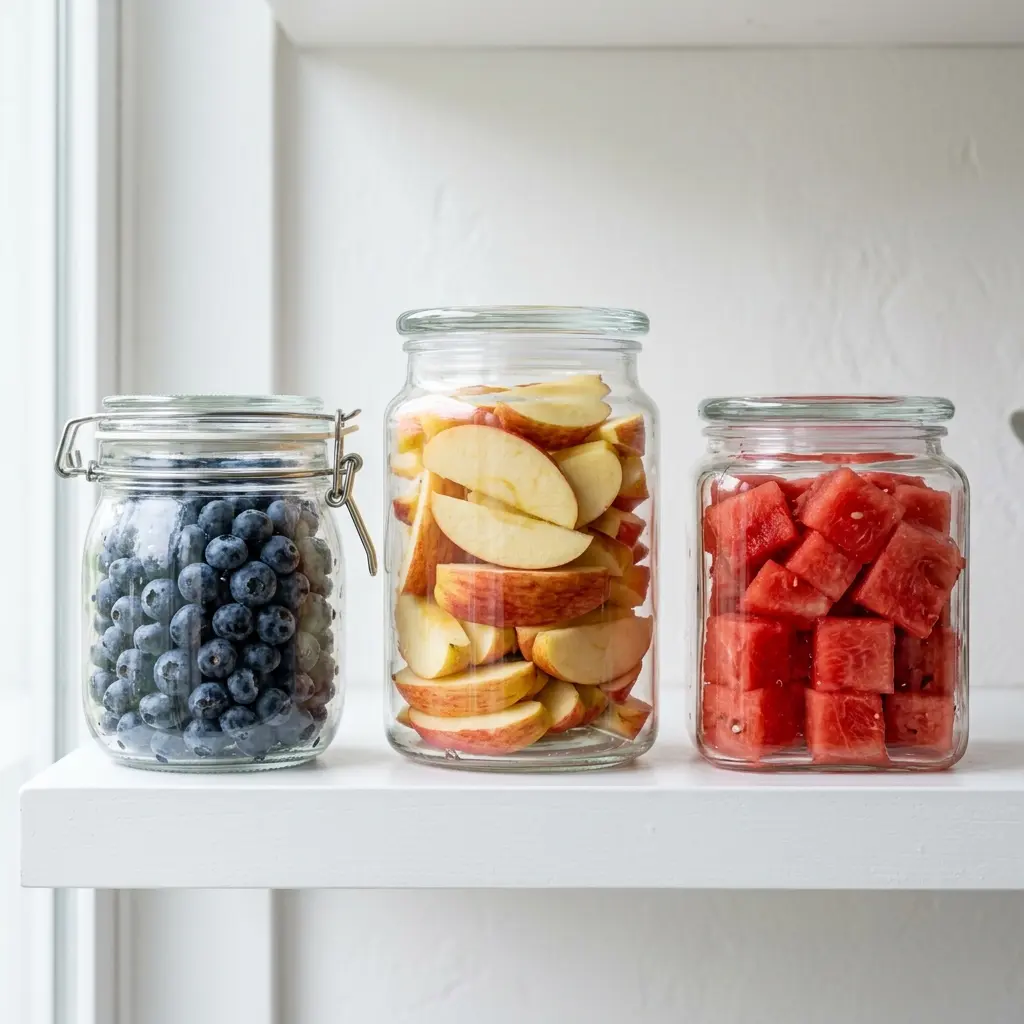
The easiest way to use these fruits is to build them into meals you are already making rather than treating them as separate snacks. Berries over overnight oats, sliced apple with almond butter, half a grapefruit before dinner these are not complicated. They just need to be set up in advance so they are ready when hunger hits.
If you are looking for a fast protein-forward breakfast that fits well with fresh fruit on the side, the cottage cheese egg bites recipe works well here. For a drink that pairs with a fruit-forward plan, the ginger tea for weight loss recipe is a strong supporting option. And for a fresh salad that fits the same clean-eating direction, the horiatiki salad builds a full plate around whole food ingredients.
Prep the fruit at the start of the week. Wash it, cut it if needed, and store it in clear containers at eye level in the fridge. Visibility matters more than most people think when it comes to actually eating it.
5 Mistakes to Avoid With Fruits for Weight Loss
My biggest personal mistake was drinking smoothies and counting them as the same as eating whole fruit. The blending breaks down the cell walls and speeds up digestion, which means less satiety per calorie than you would get from chewing the same fruit. Here are the other common ones:
- Drinking fruit juice instead of eating whole fruit juice removes fiber and concentrates sugar.
- Eating dried fruit in large portions the calorie density is much higher than fresh, and the portion looks deceptively small.
- Peeling fruit that has valuable fiber in the skin, especially apples and pears.
- Combining high-sugar fruits with high-fat dips or sauces that push the calorie count up significantly.
- Skipping fruit entirely because of carb concerns the fiber content in most whole fruit moderates the blood sugar impact meaningfully.
If you want a practical low-sugar drink that pairs with a fruit-forward day, the fenugreek water for weight loss is worth adding to a morning routine.
Frequently Asked Questions About Best Fruits for Weight Loss
What is the best fruit for weight loss?
Berries are widely considered the best fruits for weight loss because they have the highest fiber-to-calorie ratio of any fruit group. One cup of raspberries delivers 8 grams of fiber for only 64 calories. Grapefruit and apples also rank highly because of their high water and fiber content, which extends fullness and reduces overall calorie intake per meal.
What fruits to avoid for weight loss?
No whole fruit needs to be completely avoided for weight loss. However, high-sugar lower-fiber fruits like grapes, mangoes, and bananas are best eaten in moderate portions. The bigger issue is fruit juice and dried fruit, which remove fiber or concentrate sugar, making it easy to consume a high calorie load without feeling full.
How many fruits per day for weight loss?
Two to three servings of whole fruit per day fits within most weight loss calorie targets while delivering fiber, micronutrients, and satiety. The Dietary Guidelines for Americans recommend two fruit servings per day for a standard 2,000-calorie pattern. One serving is roughly one medium fruit or one cup of berries or chopped fruit.
Does fruit sugar cause weight gain?
Whole fruit sugar does not cause weight gain in normal serving amounts because the fiber in whole fruit slows sugar absorption and prevents sharp blood sugar spikes. Research in PMC’s comprehensive fruit and weight analysis confirmed that whole fruit intake is independently associated with weight reduction, not weight gain. Fruit juice is different it lacks fiber and behaves more like added sugar.
Is banana good for weight loss?
Bananas can fit into a weight loss plan in moderate amounts. One medium banana contains about 105 calories and 3 grams of fiber, which provides useful satiety. Slightly underripe bananas have a higher resistant starch content, which acts more like fiber and feeds beneficial gut bacteria. They become a concern mainly when eaten in large quantities alongside other high-calorie foods.
What is the lowest-calorie fruit for weight loss?
Watermelon and strawberries are the lowest-calorie options per cup, at roughly 46 and 49 calories respectively. Both are high in water content, which adds volume and satiety without adding significant calories. For fiber, raspberries win they are slightly higher in calories per cup than watermelon but deliver far more fiber per serving.
When is the best time to eat fruit for weight loss?
Eating fruit before or at the start of a meal consistently reduces overall calorie intake at that meal, likely because the fiber and water content reduces hunger before the higher-calorie main dish arrives. Morning fruit consumption is also well-studied for blood sugar regulation. Avoid eating large portions of fruit late at night when calorie burn slows.
Final Thoughts
The best fruits for weight loss are not exotic or expensive. Berries, grapefruit, apples, watermelon, and pears are available everywhere, affordable, and consistently supported by the research. The key is eating them whole, keeping the skin on, and building them into meals rather than treating them as an afterthought.
That is the approach that actually works in a real kitchen on a real week. No elimination. No complicated rules. Just whole fruit, used consistently, in a plan that fits how you already eat. For a fresh condiment that pairs well with fruit-focused plates, try the mango sago pudding recipe as a naturally sweet finish to a clean meal.
Medical and Nutritional Disclaimer: The content on fastflavorbites.com is for informational and educational purposes only and does not constitute medical or nutritional advice. The information provided is not intended to diagnose, treat, cure, or prevent any disease or health condition. Always consult a qualified healthcare professional before making changes to your diet.