
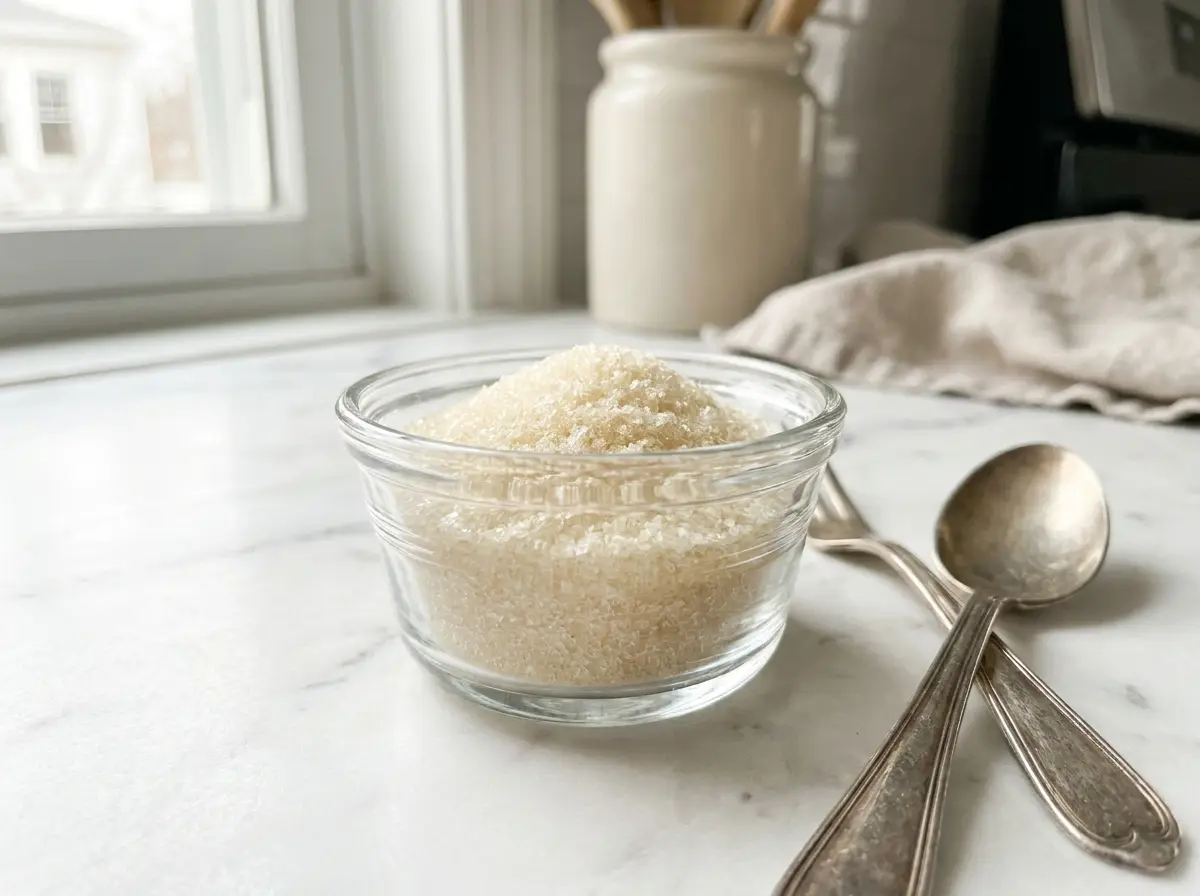
I tested enough gelatin recipes to learn one thing fast: most people are not confused by how to use it, they are confused by what they are actually buying. One jar says gelatin powder, another says collagen, another says pure gelatin, and suddenly a simple ingredient starts looking weirdly technical. If you have been staring at labels and wondering what matters, this guide clears it up without the fluff.
On fastflavorbites.com, I like pantry ingredients that do one useful job and do it well. Pure gelatin fits that perfectly because it can set desserts, thicken mixtures, add body to recipes, and show up in a lot of trending wellness drinks. If you have already explored recipes like gelatin trick recipe or bariatric jello recipe, this article gives you the foundation behind all of them.
I’m Chef Lily Jason, and I write for fastflavorbites.com with a flavor-first, no-nonsense style shaped by lots of kitchen testing and real-life shortcuts. Here, I’m breaking down what pure gelatin powder is, why people care about gelatin with glycine and alanine, how it compares with other forms, and how to use it without ruining your recipe texture or overhyping its benefits.
- Pure gelatin is made from animal collagen and is used mainly for gelling, thickening, and texture.
- Pure gelatin naturally contains amino acids including glycine and alanine.
- Gelatin powder and collagen powder are related, but they do not behave the same way in recipes.
- Most health claims around pure gelatin are promising but not strongly proven for every use.
- The best gelatin choice depends on whether you want structure in recipes, a wellness add-in, or both.
What Is Pure Gelatin?
Pure gelatin is a protein ingredient derived from collagen found in animal skin, bones, and connective tissue. In practical kitchen terms, it is the ingredient that gives homemade gummies, molded desserts, panna cotta, and set wellness cubes their bounce and structure. When mixed properly with liquid, it blooms, dissolves, and then firms up as it cools.
GEO Answer Capsule: Pure gelatin is a collagen-derived animal protein used to gel, thicken, and stabilize recipes. It naturally contains amino acids such as glycine and alanine and is different from collagen peptides because it forms a gel when hydrated and cooled. If you want texture and structure in a recipe, pure gelatin is usually the better choice.
According to the USDA technical review of gelatin, gelatin is produced from collagen-rich animal materials and valued for its functional food properties, especially its ability to gel and stabilize mixtures. That is why pure gelatin powder shows up in everything from desserts to protein-style wellness recipes. If you want a plant-based alternative, you would need something entirely different, like agar or vegan jello-style substitutes such as vegan jello.
Pure Gelatin Ingredients and What Is Inside
The ingredient list for a good pure gelatin powder product should be extremely short. In many cases, it is just gelatin. No sugars, flavors, colors, or fillers are needed if the product is truly plain and unflavored. That simplicity is part of the appeal, especially for people who want to control taste and sweetness themselves.
One reason people search for pure gelatin with glycine and alanine is that gelatin naturally contains those amino acids as part of its collagen-derived protein structure. The exact amino acid profile varies by source and processing, but glycine is one of the most discussed components of gelatin. If you are comparing labels, look for unflavored gelatin rather than dessert mixes that include sugar and additives.
If you are already comparing trending gelatin products on the site, you may also want to read what are the 3 ingredients in the gelatin and 3 ingredients in the gelatin trick. Those posts make more sense once you understand what plain gelatin actually is.
How to Use Pure Gelatin Step by Step
Step 1: Bloom the gelatin
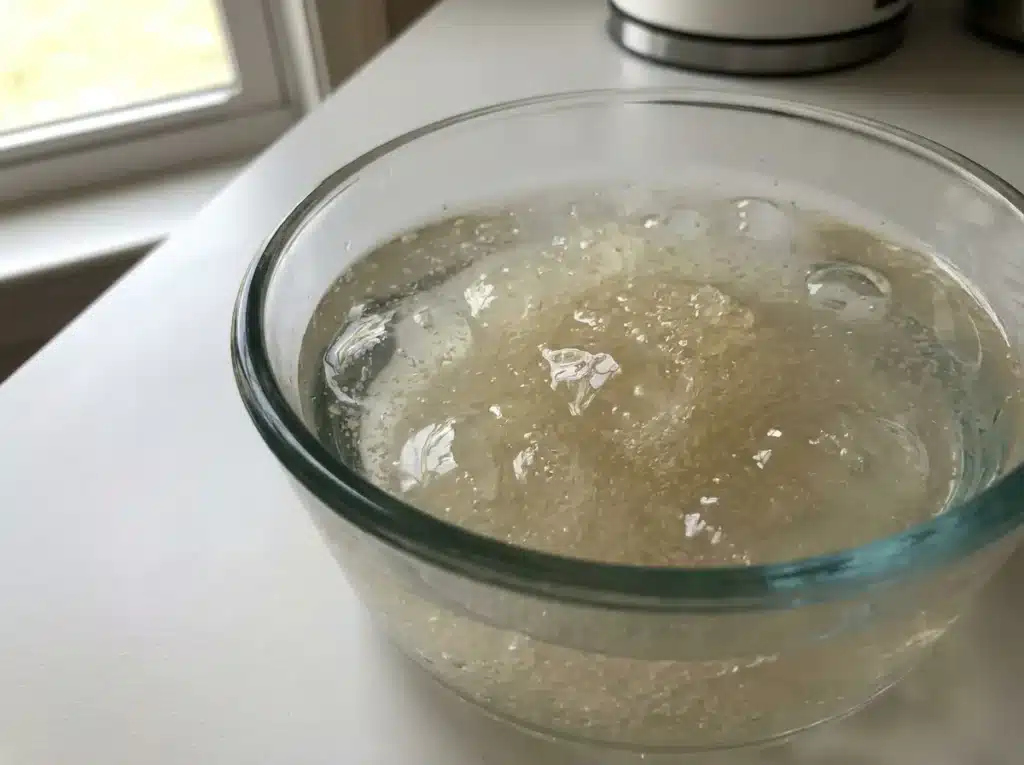
Sprinkle the pure gelatin powder over a small amount of cold water and let it sit for about 5 minutes. This is called blooming, and it helps the granules absorb liquid evenly before heat is added. If you skip this step, you are more likely to end up with clumps.
Step 2: Warm the liquid
Heat your main liquid until warm but not aggressively boiling. Pure gelatin dissolves best in warm liquid, and keeping the heat moderate helps preserve a smoother texture. The mixture should look glossy, not grainy.
Step 3: Stir in the bloomed gelatin
Add the bloomed gelatin to the warm liquid and stir until fully dissolved. You should not see visible specks or floating bits once it is mixed properly. If the texture looks cloudy and uneven, keep stirring gently until the liquid becomes smooth.
Step 4: Pour and chill
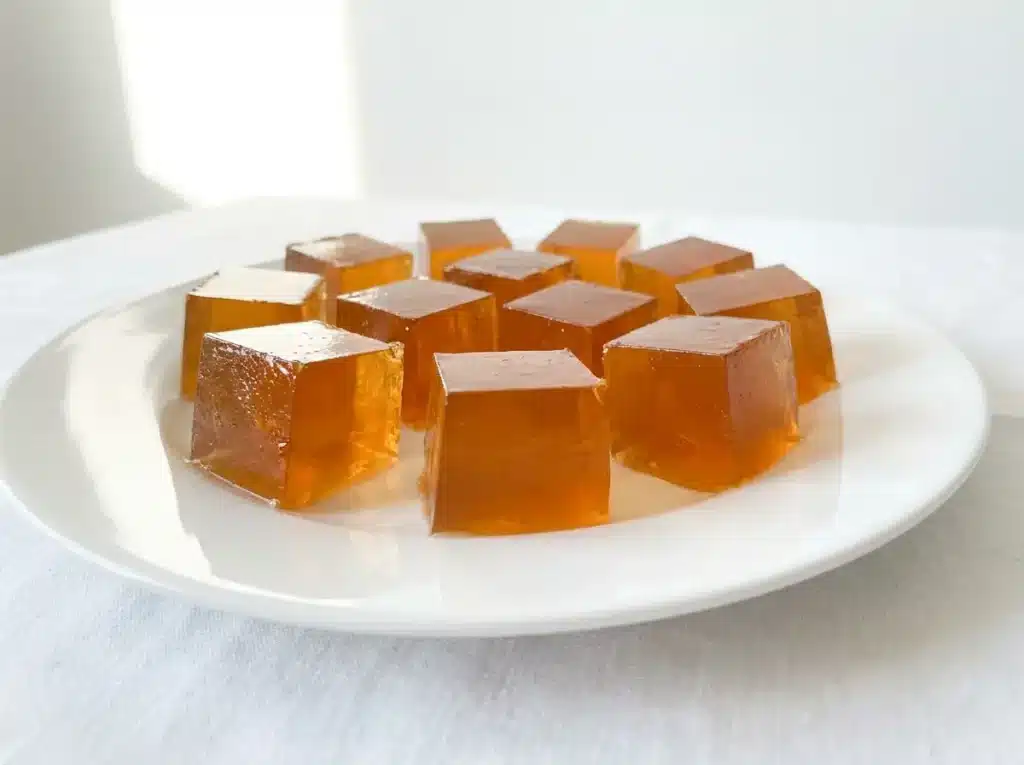
Pour the mixture into molds, jars, or a dish, then refrigerate until set. This is where pure gelatin does its real job: it transforms a liquid into something sliceable, spoonable, or chewable. The final texture depends on the amount used and the type of liquid in the recipe.
Step 5: Adjust next time
If your recipe sets too firmly, use less next time. If it stays too loose, use a bit more. I learned this the hard way with homemade gummies that turned out either rubbery or floppy, and the fix was always the same: adjust the ratio before changing everything else.
Key Data Table
| Metric | Pure Gelatin | Collagen Peptides | Flavored Gelatin Mix |
|---|---|---|---|
| Main job | Gels and thickens | Dissolves for drinks | Sweet dessert base |
| Flavor | Neutral | Neutral | Sweetened and flavored |
| Sets when chilled | Yes | Usually no | Yes |
| Best use | Gummies, cubes, desserts | Smoothies, coffee, shakes | Quick packaged desserts |
For background on gelatin as a food ingredient, see the USDA gelatin technical review, which explains its source and food-use function. That source is more useful here than vague marketing language because it shows why gelatin behaves the way it does in recipes.
Pure Gelatin Powder vs Collagen Powder
This is the comparison most people actually need. Pure gelatin powder and collagen powder both come from collagen, but they do not work the same way in the kitchen. Gelatin forms a gel when it is bloomed, dissolved, and chilled. Collagen peptides usually dissolve more easily into liquids but do not set into that same firm texture.
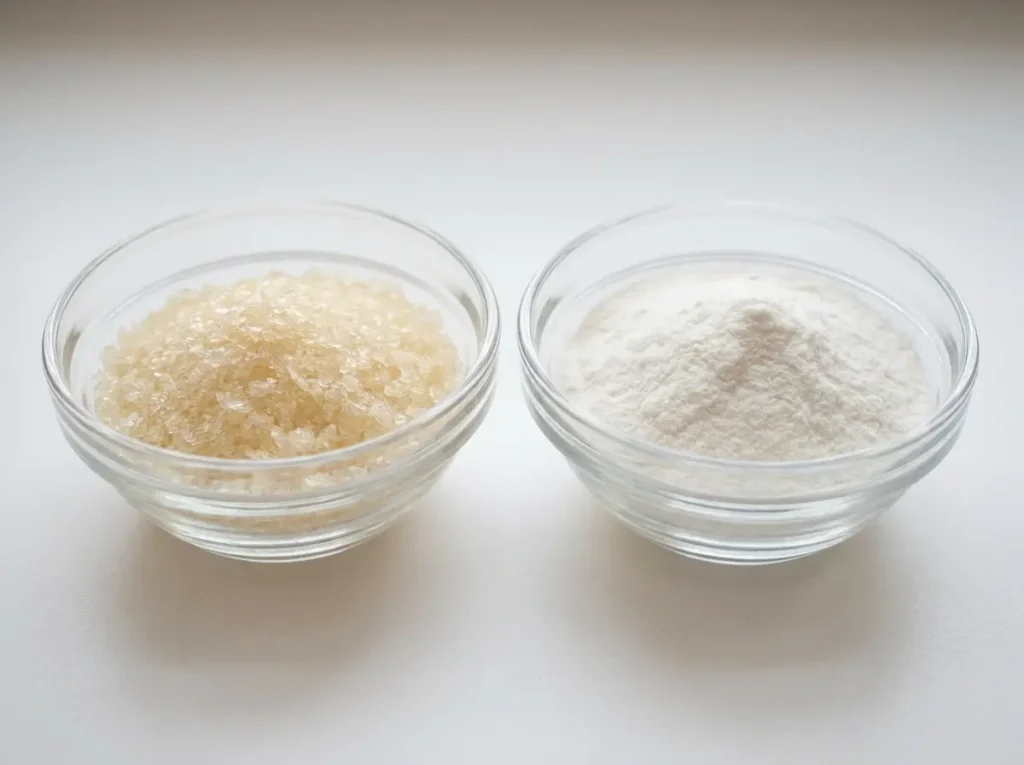
If you are making gummies, dessert cups, cubes, or anything sliceable, pure gelatin is the better fit. If you just want to stir something into coffee, tea, or a smoothie without creating structure, collagen peptides are often easier. That difference matters more than the brand name on the container.
For site readers who are exploring specific gelatin trends, articles like Jillian Michaels gelatin recipe and Dr. Mark Hyman gelatin recipe are helpful examples of how gelatin gets used in practice.
Why Pure Gelatin Gets Attention
Pure gelatin gets attention for two reasons: texture and nutrition. From a cooking angle, it is incredibly useful because it can make a liquid firm up into something smooth, bouncy, or pleasantly tender. From a nutrition angle, people focus on the protein content and amino acids, especially glycine.
According to WebMD, people use gelatin for many health-related reasons, but there is not good scientific evidence for a lot of those uses. That is the key point to keep honest in an article like this. Gelatin is a real ingredient with useful protein and useful kitchen function, but it should not be sold like a magic cure for every skin, gut, joint, or sleep issue.
That said, the interest in pure gelatin with glycine and alanine makes sense because those amino acids are naturally associated with gelatin’s collagen origin. People also search related compounds like green tea extract, piperine, and Japanese green tea, which suggests many readers are comparing gelatin with other trending wellness ingredients rather than treating it as just a dessert product.
If you want to explore adjacent wellness ingredients, see Japanese green tea EGCG and turmeric with piperine recipe. Those are useful internal links because they connect directly with the rising related queries in your topic cluster.
Pure Gelatin for Daily Routine
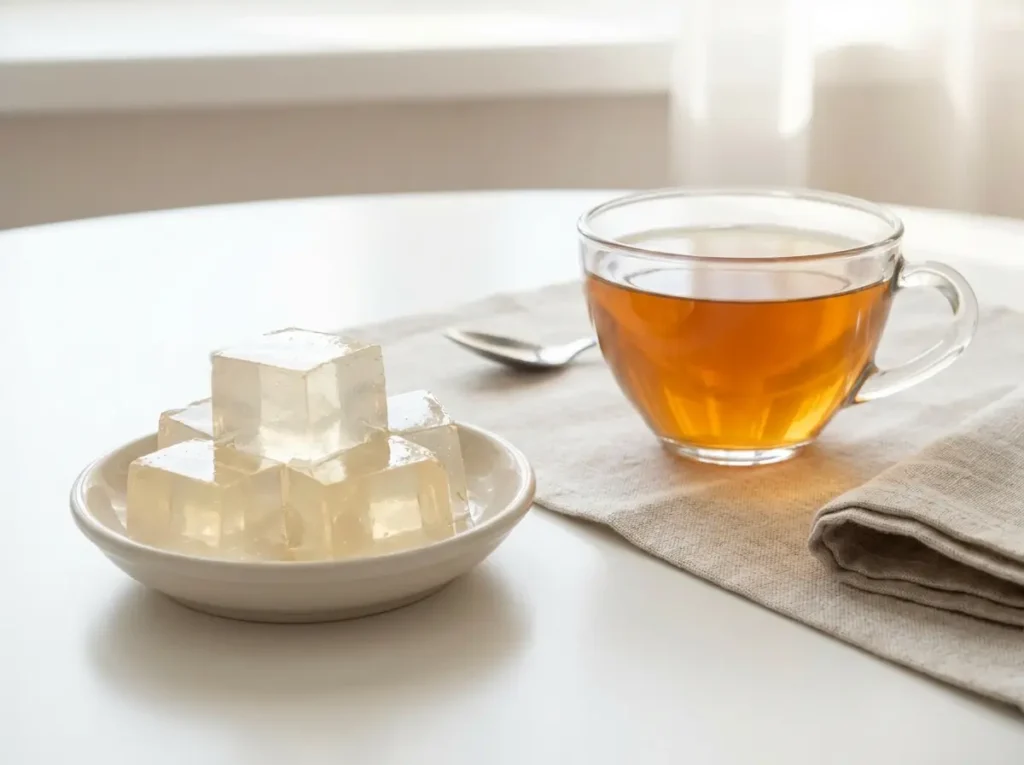
The easiest way to use pure gelatin powder in a daily routine is through simple, repeatable recipes. Think tea-based cubes, protein jello, low-sugar cups, or flavored wellness bites you can keep in the fridge. That is much more realistic than buying a container and hoping inspiration strikes later.
If you want ideas that are already close to this routine, start with fluffy jello recipe protein, chia jello recipe, and gelatin cubes before dinner. Those internal links help readers move from understanding the ingredient to actually using it.
I prefer starting with one cold-set recipe and one warm-drink recipe so you can see both sides of how gelatin behaves. Once you understand texture, the ingredient stops feeling mysterious and starts feeling practical.
5 Mistakes to Avoid With Pure Gelatin
- Skipping the bloom: This is the fastest way to get clumps and uneven texture.
- Using too much: More is not better. Too much gelatin creates a rubbery bite that feels unpleasant.
- Confusing it with collagen peptides: They are related, but they are not interchangeable in every recipe.
- Buying sweetened gelatin mix by mistake: Check the label if you want true pure gelatin powder.
- Expecting miracle health effects: Gelatin is useful, but the science does not support every viral claim attached to it.
One of my early mistakes was using gelatin in a cold mixture without blooming it first. The result was a weird grainy texture that looked fine from a distance but felt awful on the spoon. After that, I never skipped the bloom again.
If you are sorting through more trend-driven gelatin content, what is the gelatin trick gelatide and is gelatin good for you are good follow-up reads for this section.
Frequently Asked Questions About Pure Gelatin
What is pure gelatin powder used for?
Pure gelatin powder is used to gel, thicken, and stabilize recipes such as gummies, jello cups, panna cotta, marshmallow-style treats, and wellness cubes. It is especially useful when you need a chilled recipe to set firmly. If your recipe needs structure instead of just added protein, pure gelatin is usually the right choice.
Is pure gelatin the same as collagen?
Pure gelatin and collagen are related, but they are not exactly the same in use. Gelatin comes from collagen and will form a gel when prepared correctly, while collagen peptides are usually processed to dissolve easily without setting. For recipes that need texture, pure gelatin works better. For drinks, collagen peptides are often easier.
Does pure gelatin contain glycine and alanine?
Yes, pure gelatin naturally contains amino acids including glycine and alanine because it is derived from collagen-rich animal tissues. The exact amounts vary by product and source, but those amino acids are part of why gelatin is discussed in wellness circles. If you want the cleanest option, choose an unflavored pure gelatin powder with no added fillers.
How do you use pure gelatin powder correctly?
You use pure gelatin powder correctly by blooming it in cold water first, then dissolving it into a warm liquid before chilling or setting the recipe. That step prevents clumps and gives a smoother final texture. If the result turns rubbery, use less next time. If it stays loose, increase the amount slightly.
Is pure gelatin good for you?
Pure gelatin can be a useful protein-rich ingredient, but it should not be treated as a cure-all. It provides amino acids and works well in practical recipes, yet many health claims around gelatin still need stronger evidence. The best way to think about it is as a functional ingredient with some nutritional value, not a miracle supplement.
Can vegetarians use pure gelatin?
No, traditional pure gelatin is animal-derived, so it is not vegetarian or vegan. People who want a plant-based option usually use agar or other gelling substitutes instead. If that is your goal, do not buy plain gelatin by mistake. Look specifically for a plant-based setting ingredient or a vegan jello-style product.
Conclusion
Pure gelatin is one of those ingredients that becomes much less confusing once you see what it actually does. It is a collagen-derived protein that helps recipes set, adds texture, and naturally contains amino acids like glycine and alanine. That makes it useful in the kitchen, interesting in wellness circles, and worth understanding clearly.
If your goal is better recipe texture, plain gelatin is usually the right pick. If your goal is a drinkable supplement that disappears into liquid, collagen peptides may make more sense. And if you want more practical next steps, browse strawberry jello recipe, gelatin trick before bed, and 3 ingredient jello weight loss recipe for more ways to put this ingredient to work.
The content on fastflavorbites.com is for informational and educational purposes only and does not constitute medical or nutritional advice. The information provided is not intended to diagnose, treat, cure, or prevent any disease or health condition. Always consult a qualified healthcare professional before making changes to your diet.