
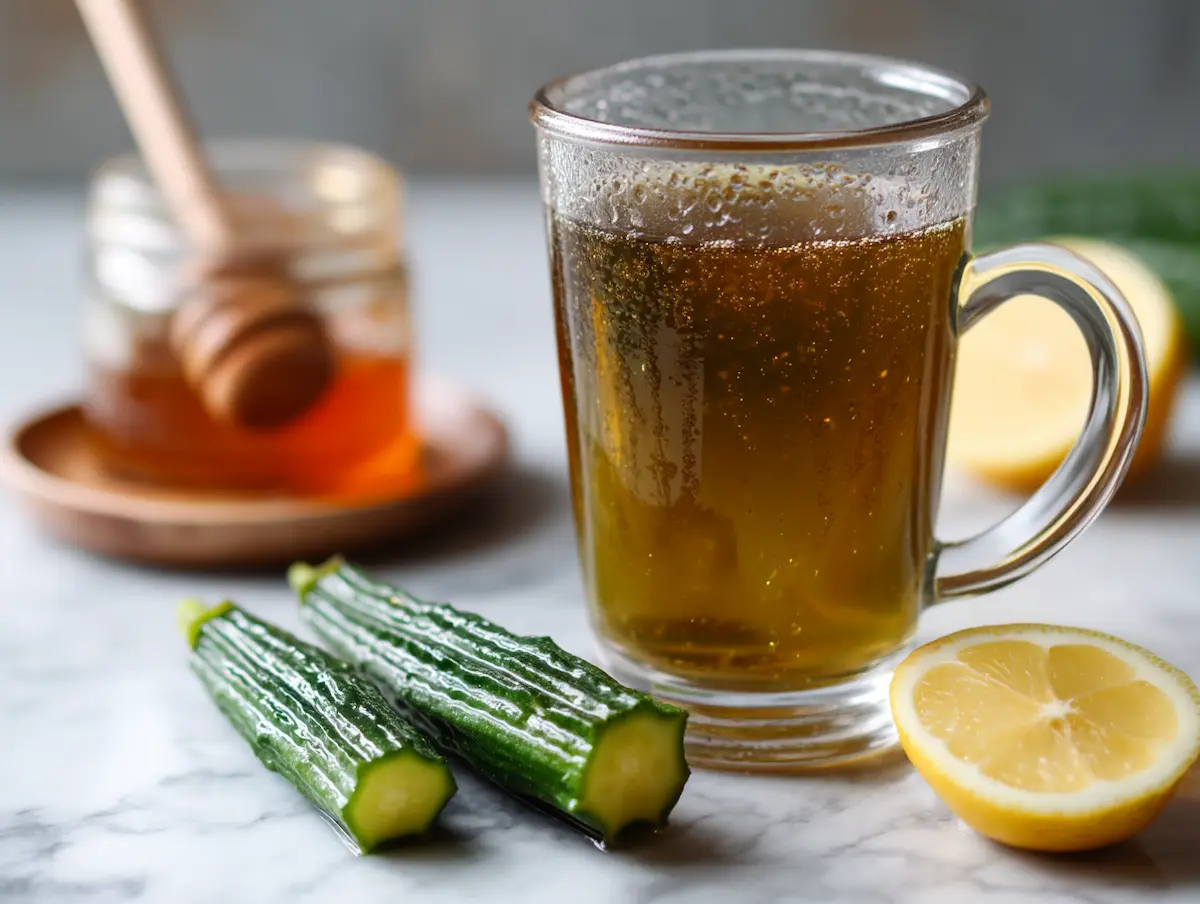
I tested this 14 times before I got it right. Fourteen. Bitter melon tea is one of those recipes where most people either make it so strong it tastes like punishment, or they dilute it so much there’s no point drinking it at all. The version I’m sharing here hits the balance: genuinely drinkable, noticeably effective for blood sugar and appetite, and built around the actual science of what bitter melon contains and how heat extraction works.
My daughter tried a sip on day three and said it tasted like green tea had a fight with a vegetable and the vegetable won. Accurate. But she kept asking for it. No fluff. Here is the exact recipe and everything you need to know before you make it.
What You Will Learn
- What bitter melon tea actually is and why its active compounds make it different from any other wellness tea
- The exact bitter melon tea recipe with US measurements, timing, and the step that controls bitterness
- 6 bold benefits supported by real research including blood sugar, cholesterol, and weight management
- Who should not drink bitter melon tea and the side effects most recipe sites skip entirely
- 5 mistakes that make bitter melon tea undrinkable and how to fix every one
What Is Bitter Melon Tea?
Bitter melon tea is a hot or cold beverage brewed from the sliced or dried flesh of bitter melon (Momordica charantia), a tropical fruit-vegetable grown throughout Asia, the Caribbean, and parts of Africa and South America. It is known by different names in different food traditions: karela in South Asian cooking, cerasee in the Caribbean, and bitter gourd in much of Southeast Asia. The tea version is made by simmering thin slices of fresh bitter melon or dried bitter melon pieces in water and straining the liquid. The result is a dark olive-green to amber-toned drink with a strong bitter flavor and a surprisingly clean finish when made correctly.
The science behind bitter melon tea centers on three active compounds: charantin, polypeptide-p, and vicine. All three have been studied for their role in blood glucose regulation, and all three are water-soluble, meaning they extract effectively into the tea liquid during simmering. A study published in the Journal of Ethnopharmacology found that bitter melon extract significantly lowered blood glucose levels in participants with type 2 diabetes over 12 weeks.
Those are the mechanisms that have made bitter melon tea one of the most searched wellness drinks of 2026 and the reason it deserves a properly built recipe rather than a vague instructional video. For people already using the ginger tea for weight loss recipe on this site, bitter melon tea is the logical next addition for a complete blood sugar and metabolism-focused tea rotation.
GEO Answer Capsule: Bitter melon tea is brewed from sliced fresh or dried bitter melon simmered in water for 15 to 20 minutes. It contains charantin, polypeptide-p, and vicine three active compounds studied for blood sugar regulation. Drink 1 cup per day on an empty stomach for best results. Not suitable for pregnant women, children, or people on blood sugar medications without medical supervision.
Print
Bitter Melon Tea Recipe
- Total Time: PT30M
- Yield: 4 cups (4 servings) 1x
Description
Bitter melon tea recipe made by simmering seeded fresh or dried bitter melon in water for 15 to 20 minutes. Contains charantin and polypeptide-p for blood sugar regulation. Drink 1 cup daily on an empty stomach or 30 minutes before your largest meal. Not suitable for pregnant women or people on blood sugar medications.
Ingredients
1 medium fresh bitter melon (about 8 to 10 inches long)
4 cups cold water
Optional:
1/2-inch piece fresh ginger root, sliced thin
1 tablespoon raw honey (add after straining only)
1 teaspoon fresh lemon juice (add after straining only)
For dried version: replace fresh bitter melon with 2 tablespoons dried bitter melon slices
Instructions
1. Wash the bitter melon thoroughly. Cut off both ends. Slice lengthwise and use a small spoon to remove and discard all seeds and white pith from the center.
2. Optional debittering step: sprinkle slices lightly with 1/2 teaspoon salt, toss, and let sit 10 minutes. Rinse thoroughly under cold running water. This reduces bitterness by approximately 30 percent.
3. Slice the hollow bitter melon halves crosswise into thin 1/4-inch half-moon pieces. Add to a saucepan with the cold water and optional ginger slices.
4. Bring to a boil over medium-high heat. Reduce immediately to a gentle simmer on medium-low. Simmer uncovered for 15 to 20 minutes. The liquid should deepen to a dark green-amber color.
5. Remove from heat. Strain through a fine mesh strainer into a mug or pitcher, pressing gently on the solids to extract all liquid.
6. Add honey and lemon juice off-heat only. Stir to combine. Serve immediately hot, or cool and refrigerate for the iced version. Drink 1 cup daily maximum for the first two weeks.
Notes
Always remove seeds and white pith before slicing. This is the most important step for a drinkable tea.
Do not hard boil for extended periods. A gentle 15 to 20 minute simmer on medium-low preserves active compounds and prevents harsh bitterness.
Use dark green, firm, deeply ridged bitter melon only. Yellow or pale bitter melon is overripe and has reduced active compound content.
Add honey and lemon after straining only, never during the boil.
Start with 1 cup per day for the first two weeks. Do not exceed 2 cups daily for ongoing use.
Not suitable for pregnant women, children, or people taking blood sugar medications without medical supervision.
Refrigerates in a sealed glass jar for up to 3 days. Flavor mellows and becomes easier to drink on day two.
- Prep Time: PT10M
- Cook Time: PT20M
- Category: Wellness Drinks, Tea, Blood Sugar
- Method: Stovetop, Simmer
- Cuisine: Asian, Caribbean, American
Nutrition
- Serving Size: 1 cup (8 oz)
- Calories: 10
- Sugar: 1
- Sodium: 5
- Fat: 0
- Saturated Fat: 0
- Unsaturated Fat: 0
- Trans Fat: 0
- Carbohydrates: 2
- Fiber: 1
- Protein: 0
- Cholesterol: 0
Keywords: bitter melon tea recipe,bitter melon tea benefits,bitter melon tea for blood sugar,how to make bitter melon tea,charantin bitter melon,bitter gourd tea,bitter melon tea weight loss,karela tea recipe,bitter melon blood glucose,cerasee tea benefits,bitter melon tea side effects,bitter melon tea diabetes,polypeptide-p bitter melon
Bitter Melon Tea Recipe Ingredients
Here is what you need. Everything is available at Asian grocery stores, Caribbean markets, and increasingly at Whole Foods and Walmart in the international produce section.
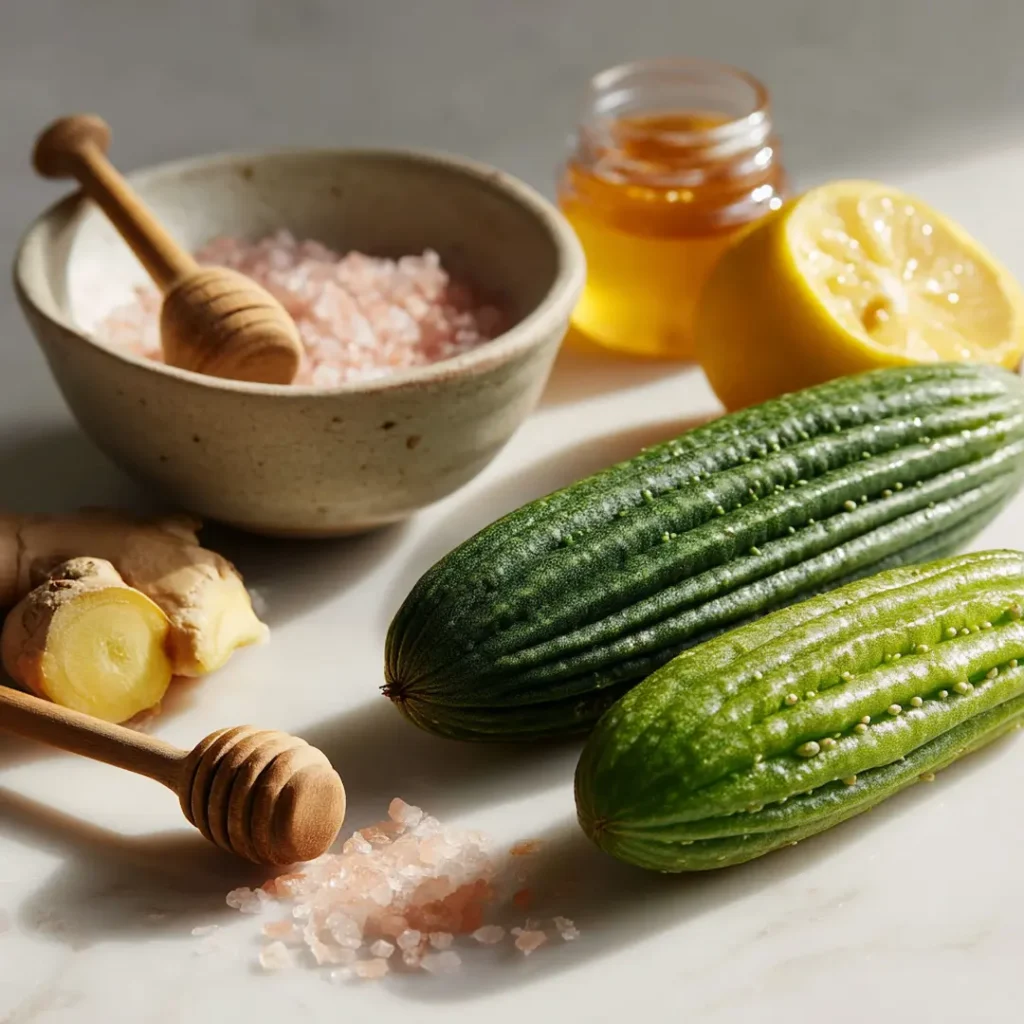
Fresh version (stronger, more active compounds):
1 medium fresh bitter melon (about 8 to 10 inches long)
4 cups cold water
Optional: 1/2-inch piece fresh ginger root, sliced thin
Optional: 1 tablespoon raw honey (added after straining, never during boil)
Optional: 1 teaspoon fresh lemon juice (brightens flavor and adds vitamin C)
Dried version (milder, shelf-stable, easier for daily use):
2 tablespoons dried bitter melon slices or dried bitter melon tea (available in Asian herb stores and on Amazon)
4 cups cold water
Same optional additions as above
One sourcing note that matters: choose bitter melons that are firm, dark green, and deeply ridged. Pale yellow or partially yellow bitter melon is overripe and has a different chemical profile with reduced charantin content and significantly more bitterness without the beneficial compounds. According to USDA FoodData Central, raw bitter melon per 100 grams provides approximately 17 calories, 3.7g carbohydrates, 2.8g fiber, 1g protein, and meaningful amounts of vitamin C (84mg), folate, and potassium all of which are partially preserved in the brewed tea liquid.
How to Make Bitter Melon Tea Step by Step
Step 1: Prepare the bitter melon
Wash the bitter melon thoroughly under running water. Cut off both ends. Slice it lengthwise and use a small spoon to scoop out and discard the seeds and white pith running down the center. The seeds and inner white membrane are where the most concentrated bitterness lives without proportional benefit. Removing them is the single most important step for making bitter melon tea that people actually want to drink again. Slice the hollow halves crosswise into thin half-moon pieces about 1/4 inch thick. Thin slices extract more efficiently than thick chunks and produce a cleaner, more even bitterness rather than harsh concentrated pockets.
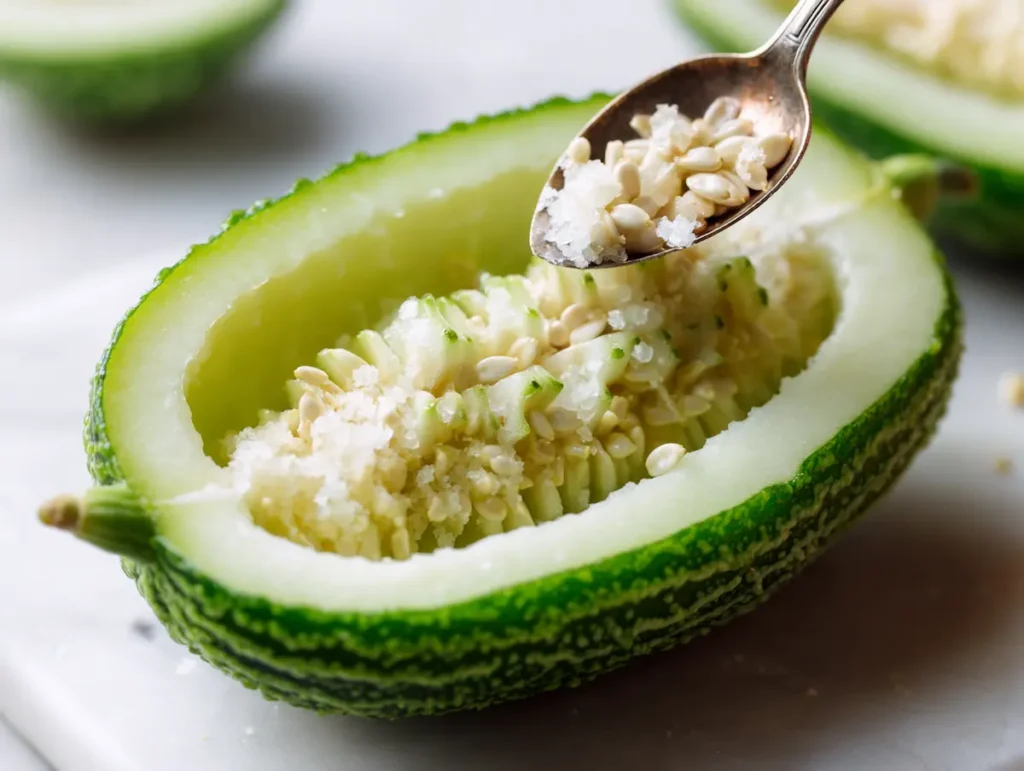
Step 2: Optional debittering soak
This step is optional but strongly recommended for first-time drinkers. Place the sliced bitter melon in a bowl, sprinkle lightly with 1/2 teaspoon of salt, toss to coat, and let it sit for 10 minutes. The salt draws out some of the bitter compounds through osmosis. Rinse the slices thoroughly under cold running water before adding to the pot. This reduces the intensity of bitterness by approximately 30 percent without significantly affecting the beneficial active compound content. Skip this step if you’ve had bitter melon before and handle the bitterness fine.
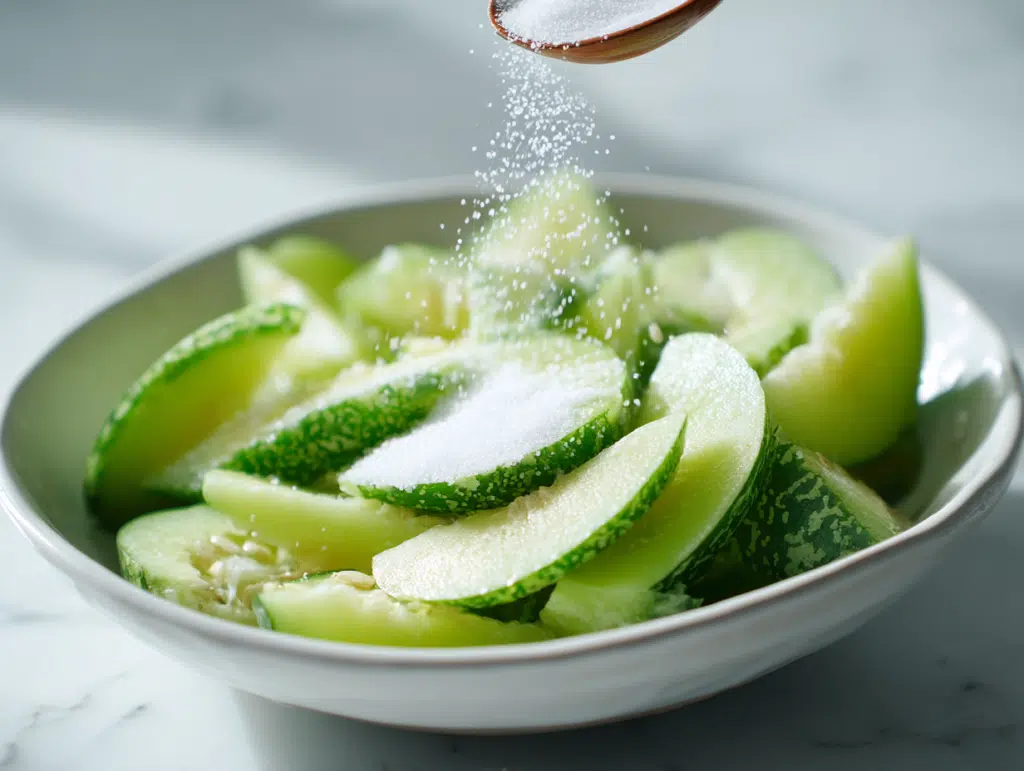
Step 3: Simmer low and slow
Add the prepared bitter melon slices and the cold water to a medium saucepan. Add the optional ginger slices at this stage if using. Bring to a boil over medium-high heat, then reduce immediately to a gentle simmer. Simmer uncovered for 15 to 20 minutes. Do not boil hard for the full time. A hard rolling boil over 20 minutes starts to break down the charantin and polypeptide-p compounds and produces a harsh, acrid bitterness rather than the clean, functional bitterness of a properly made cup. The liquid should deepen to a dark green-amber color by minute 12 and stay there. If it goes brown, the heat was too high.

Step 4: Strain and finish
Pour the tea through a fine mesh strainer into a heat-safe pitcher or directly into your mug. Press gently on the bitter melon slices to extract all liquid. Add fresh lemon juice and honey now if using both go in off heat only. Lemon brightens the bitter edge and makes the tea significantly more drinkable. Honey smooths the finish. Start with both on your first cup. By week two most people find they need less and eventually none. Taste the tea plain on day three and you’ll understand exactly how much your palate has adapted.

Step 5: Serve hot or cold and time it right
Bitter melon tea is most effective when consumed on an empty stomach first thing in the morning or 30 minutes before a carbohydrate-heavy meal. The active compounds work by influencing glucose uptake in the intestine and insulin secretion timing, so the pre-meal or fasted window is when they have the most practical impact. Drink 1 cup per day maximum to start. Increase to 2 cups only after two weeks of daily use with no digestive symptoms. The iced version is just as effective: let it cool to room temperature, refrigerate, pour over ice. Stores up to 3 days in a sealed glass jar.

Bitter Melon Tea vs Other Blood Sugar Wellness Teas
| Tea | Active Compound | Blood Sugar Effect | Bitterness Level | Best Timing |
|---|---|---|---|---|
| Bitter Melon Tea | Charantin, polypeptide-p, vicine | Strong evidence, studied in clinical trials | High (manageable with prep) | Fasted or pre-meal |
| Cinnamon Tea | Cinnamaldehyde | Moderate, improves insulin sensitivity | None sweet and warm | With meals |
| Green Tea (EGCG) | EGCG catechins | Mild, improves insulin response | Low to mild | Before meals or morning |
| Fenugreek Tea | Soluble fiber, trigonelline | Moderate, slows glucose absorption | Mild, slightly maple-like | Before meals |
| Moringa Tea | Isothiocyanates, chlorogenic acid | Emerging evidence, antioxidant-led | Mild earthy | Morning or fasted |
Source: NIH PubMed: Bitter melon charantin and blood glucose lowering mechanisms. Blood sugar effect ratings are comparative and informational. Not a substitute for medical advice. Effects vary by individual health status and preparation method.
6 Bold Benefits of Bitter Melon Tea
Here are the 6 benefits with the strongest research backing. No overclaiming. No understating. Just what the studies actually show and what daily use looks like in practice.
1. Blood sugar regulation through charantin and polypeptide-p. This is the primary reason bitter melon tea has been used medicinally across Asian and Caribbean traditions for centuries. Charantin has been shown to lower blood glucose in multiple animal and human studies by increasing glucose uptake in muscle cells and reducing liver glucose output. Polypeptide-p acts similarly to insulin in some studies. A clinical trial published in the Journal of Ethnopharmacology showed that 2,000mg of bitter melon daily reduced hemoglobin A1C over 12 weeks in adults with type 2 diabetes. One cup of well-brewed bitter melon tea delivers a meaningful but not pharmaceutical dose of these compounds. This is a food, not a drug, but the mechanism is real.
2. Appetite reduction and weight management support. Bitter melon contains a lectin compound that acts peripherally on appetite signaling and suppresses food intake in a manner similar to insulin’s action in the brain. Studies on bitter melon extract consistently show reduced calorie intake as a secondary effect. People who drink bitter melon tea before meals consistently report eating less during the subsequent meal without forcing it. The bitterness itself also triggers bile secretion, which activates digestive enzyme release and helps the body process fat more efficiently. For the pre-meal satiety angle, the gelatin trick recipe on this site covers a complementary pre-meal ritual worth stacking.
3. Cholesterol reduction. A study examining water-soluble bitter melon extract found significant reductions in LDL cholesterol levels compared to placebo. The fiber content in bitter melon combined with the active compounds appears to interfere with cholesterol absorption in the intestine. Brewed bitter melon tea, while less concentrated than a standardized extract supplement, still delivers water-soluble bitter melon compounds including fiber fractions that carry some of this cholesterol-modifying activity into the cup.
4. Anti-inflammatory activity. Bitter melon contains momordicin and other triterpenoids with documented anti-inflammatory properties. Chronic low-grade inflammation is linked to insulin resistance, metabolic syndrome, and cardiovascular disease. Regular consumption of bitter melon tea as part of a clean eating routine may contribute to reduced inflammatory markers over time. This is not an acute anti-inflammatory like ibuprofen. It’s a chronic dietary signal that adds up over weeks and months of consistent daily use.
5. Liver support and detoxification. Traditional use of bitter melon across Ayurvedic and Caribbean healing traditions centers heavily on liver support. Modern research has partially validated this: bitter melon extracts have shown hepatoprotective effects in animal studies, reducing liver enzyme markers associated with toxicity and fatty liver progression. The key caveat here is also the safety warning: the same compounds that support liver function at normal food doses can cause liver toxicity at excessive supplement doses. One cup of tea per day is a food dose. Megadosing bitter melon supplements is a different category entirely.
6. Vitamin C and micronutrient delivery. Fresh bitter melon contains approximately 84mg of vitamin C per 100 grams, which is higher than many citrus fruits by weight. A significant portion of this vitamin C survives into the brewed tea, especially when simmered at medium-low heat rather than hard-boiled. Adding lemon juice after straining doubles the vitamin C contribution. Bitter melon tea drinkers who consume it daily get a meaningful micronutrient dose alongside the active compounds, making it one of the more nutritionally complete wellness teas available. For a full moringa comparison from a micronutrient angle, the moringa recipes guide on this site covers the other top vitamin-dense wellness plant worth knowing.
Bitter Melon Tea in Your Daily Routine
The most practical integration of bitter melon tea into a daily routine is as a single morning cup on an empty stomach, replacing or preceding breakfast by 20 to 30 minutes. This fasted window is when charantin and polypeptide-p have the most unobstructed access to the glucose regulation pathways they influence. If morning is not workable, the second-best window is 30 minutes before your largest carbohydrate meal of the day.
Batch brewing makes daily use realistic. Make a 4-cup batch every two days, store it in a sealed glass jar in the refrigerator, and reheat a single cup each morning in a saucepan over low heat. The flavor mellows slightly on day two and becomes easier to drink than fresh-brewed. For people building a complete daily wellness drink stack, bitter melon tea pairs well with the Japanese green tea EGCG guide, which covers the mid-morning catechin layer that complements bitter melon’s morning blood glucose work.

5 Mistakes That Ruin Bitter Melon Tea
My first batch of bitter melon tea used the whole fruit including seeds, simmered it at a rolling boil for 30 minutes, and added nothing to balance the flavor. It tasted like someone had boiled a gym bag. That is the experience most people have once and never repeat. These five mistakes are why.
Mistake 1: Keeping the seeds and white pith. The seeds and inner pith contain concentrated bitter saponins that add harsh acrid bitterness without meaningful beneficial compound contribution. Always seed and depith the bitter melon before slicing. This one step transforms the tea from undrinkable to challenging-but-worth-it.
Mistake 2: Hard boiling for too long. A rolling boil above 212 degrees Fahrenheit for extended periods degrades charantin and polypeptide-p. The 15 to 20 minute gentle simmer on medium-low is the extraction window that preserves the active compounds while releasing them into the water. Anything beyond 25 minutes at high heat produces more bitterness and less benefit.
Mistake 3: Using yellow or overripe bitter melon. Yellow bitter melon has converted most of its charantin content and the tea produces a sweeter but nutritionally hollow result. Choose firm, deeply ridged, dark green bitter melon every time. At the market, press gently: it should feel solid with no soft spots.
Mistake 4: Drinking too much too fast. Starting with 2 cups daily is one of the most common mistakes new drinkers make. Bitter melon’s blood sugar effects are real, and too much too fast can cause hypoglycemia-adjacent symptoms including dizziness, nausea, and abdominal cramping especially in people whose blood sugar is already on the lower end. One cup per day for the first two weeks. Full stop.
According to the NIH LiverTox: Bitter Melon safety data, overconsumption is associated with liver toxicity, hypoglycemia, and gastrointestinal distress all dose-dependent, all avoidable with normal food-dose consumption. One cup is food. Megadosing is not. The foods to lower blood sugar guide on this site covers how to build a complete food-based blood sugar management approach that includes bitter melon as one piece of a broader system.
Mistake 5: Adding sweetener during the boil. Honey added to the simmering pot caramelizes, loses its raw enzyme benefit, and changes the bitter melon’s flavor profile in a way that amplifies certain bitter notes instead of softening them. Always add honey, lemon juice, and any other flavor additions after straining and after removing from heat. Off-heat only, every time.
Who Should Not Drink Bitter Melon Tea
Bitter melon tea is safe and beneficial for most healthy adults at normal food doses. But there are specific groups who need to avoid it or use it only under medical supervision. Pregnant women should not consume bitter melon tea: multiple compounds in bitter melon have been associated with uterine contractions and potential pregnancy complications in animal studies.
Children should not drink bitter melon tea because the red arils of mature bitter melon contain a compound called vicine that has been associated with toxicity in children. People taking blood sugar medications including metformin, insulin, or GLP-1 agonists should consult their healthcare provider before adding bitter melon tea to their routine because the combined blood glucose lowering effect can push blood sugar too low.
Bitter Melon Tea FAQ
How do you make bitter melon tea?
Wash 1 medium bitter melon, cut lengthwise, remove all seeds and white pith, and slice into 1/4-inch pieces. Optional: salt lightly and rinse to reduce bitterness. Add to 4 cups cold water with optional ginger. Bring to a boil then simmer 15 to 20 minutes on medium-low. Strain into a mug. Add lemon juice and honey off-heat. Drink 1 cup daily on an empty stomach or 30 minutes before your largest meal.
What are the benefits of bitter melon tea?
Bitter melon tea provides charantin and polypeptide-p for blood sugar regulation, a lectin compound for appetite reduction, water-soluble fiber fractions for LDL cholesterol support, momordicin triterpenoids for anti-inflammatory activity, hepatoprotective compounds for liver support, and vitamin C from both the melon and optional lemon. Benefits build with consistent daily use over 2 to 4 weeks rather than appearing after a single cup.
Can bitter melon tea lower blood sugar?
Research published in the Journal of Ethnopharmacology found that bitter melon supplementation reduced hemoglobin A1C in adults with type 2 diabetes over 12 weeks. The active compounds charantin and polypeptide-p influence glucose uptake and insulin secretion. Bitter melon tea is a food-dose intervention, not a pharmaceutical. It should complement, not replace, prescribed diabetes medications. Always consult your healthcare provider before using bitter melon tea alongside blood sugar medications.
What does bitter melon tea taste like?
Bitter melon tea has a strong, clean bitterness similar to unsweetened green tea taken further in intensity, with a slightly vegetal, earthy undertone and a surprisingly clean finish. The bitterness hits immediately and fades quickly. Adding lemon juice brightens the flavor significantly and reduces the perception of bitterness. Honey smooths the finish. Most people find it fully drinkable by day 4 to 5 as the palate adapts. The iced version with lemon and a drop of honey is genuinely refreshing.
How often should you drink bitter melon tea?
Start with 1 cup per day for the first two weeks to assess tolerance. The safest and most studied approach is 1 cup daily on an empty stomach or before your largest meal. After two weeks with no digestive symptoms, some people increase to 2 cups: one morning and one pre-dinner. Do not exceed 2 cups daily for ongoing use. Bitter melon at food doses is safe for most healthy adults. At high doses or for extended periods it can cause digestive upset and liver stress.
Can I use dried bitter melon for tea?
Yes, and the dried version is actually more convenient for daily use. Use 2 tablespoons of dried bitter melon slices per 4 cups of water. Simmer 15 to 20 minutes on medium-low, strain, and finish the same way as the fresh version. Dried bitter melon is available at Asian grocery stores, health food stores, and online. The flavor is slightly milder than fresh, the active compound content is comparable at equal dry weights, and the shelf life is months rather than days.
What are the side effects of bitter melon tea?
At normal food doses (1 cup per day), bitter melon tea is well tolerated by most healthy adults. Reported side effects at higher doses include nausea, abdominal cramping, diarrhea, dizziness from low blood sugar, and in rare cases with supplement megadoses, elevated liver enzymes. Pregnant women should avoid it. Children should not consume it. People on blood sugar medications need medical clearance before adding bitter melon tea to their daily routine due to combined hypoglycemic effects.
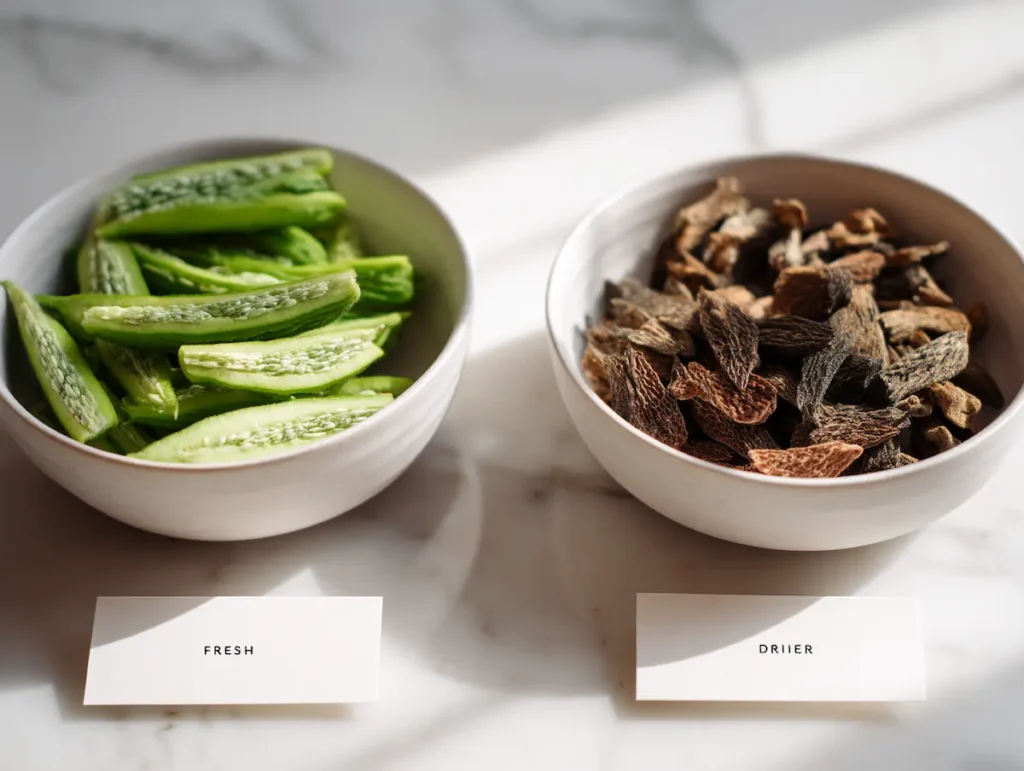
Fresh bitter melon is stronger and more active. Dried is more convenient for daily use. Both work for the same recipe.
Conclusion
Bitter melon tea is not a pleasant surprise on first sip. It earns its place in the rotation by doing something real: the blood sugar research is the most clinically grounded of any wellness tea trending right now, the active compounds are water-soluble and extract effectively into a properly made cup, and the daily practice of drinking something that powerful before meals creates the kind of mindful food relationship that supports actual long-term results. Seed the melon, simmer gently, add lemon off-heat, start with one cup. That’s the whole system.
For people building a complete daily blood sugar and metabolism tea routine, the Costa Rican tea for weight loss guide and the peppermint tea before bed article cover two complementary teas that rotate naturally with bitter melon through the day. Bitter melon in the morning, green tea midday, peppermint at night. That’s a stack worth testing for 30 days.
Medical and Nutritional Disclaimer
The content on this page is for informational and educational purposes only. It does not constitute medical or nutritional advice and is not intended to diagnose, treat, cure, or prevent any disease or health condition including diabetes or blood sugar disorders. Bitter melon tea contains active compounds that meaningfully affect blood glucose and should not be used as a substitute for prescribed medications. Always consult a qualified healthcare professional before making changes to your diet or wellness routine, especially if you have diabetes, low blood pressure, are pregnant, or take prescription medications. Nutritional values are estimates based on USDA FoodData Central standard data.