
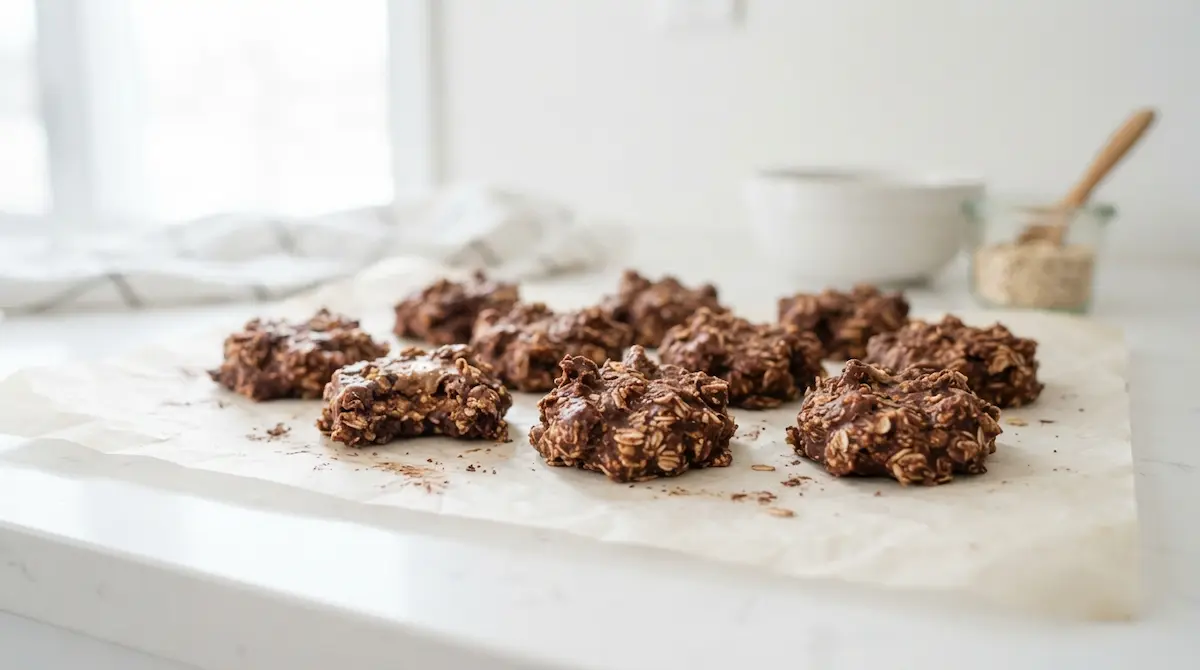
If you want a cookie that is fast, nostalgic, and does not require the oven, no bake cookies are hard to beat. The trick is not just mixing everything together. The real secret is boiling the cocoa base long enough for the cookies to set properly, but not so long that they turn dry or crumbly.
This no bake cookies recipe is the one to make when you want something chocolatey, chewy, and reliable without turning on the oven. It uses pantry ingredients, comes together in minutes, and gives you that classic peanut butter and oats texture people expect from a true no bake cookie.
Chef Lily Jason here from fastflavorbites.com, and I like recipes like this because they are practical on busy days. I have tested enough cookie batches to know that a minute too short or too long on the stove changes the whole result, so this version is written to help you avoid that mistake.
If you need another dependable pantry dessert, you can also check out these banana oatmeal cookies. They are a good backup when you want a softer baked option instead of a stovetop cookie.
What Are No Bake Cookies?
No bake cookies are stovetop drop cookies made by boiling sugar, cocoa, butter, and milk, then stirring in peanut butter, oats, and vanilla before scooping the mixture onto parchment or wax paper. They set as they cool and do not need an oven at all. That is why they have stayed popular for generations and continue to perform well in search.
The texture is what makes them special. A good no bake cookie should be glossy when warm, soft but not runny, and chewy once cooled. If the mixture is underboiled, the cookies can stay sticky. If it is overboiled, they can turn dry and grainy. That balance is what makes the technique worth learning.
No Bake Cookie Ingredients
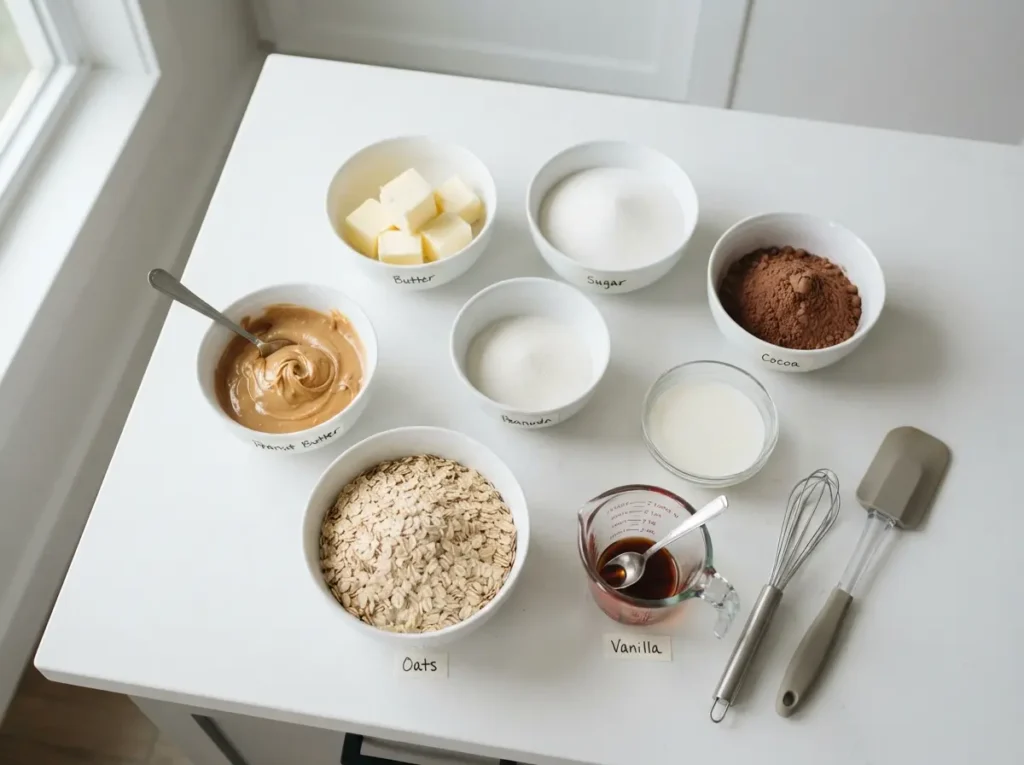
You only need a small list of ingredients for classic no bake cookies, and most of them are pantry staples. The quality of the texture comes from how they are cooked, not from complicated add-ins or special equipment.
For general food safety and baking guidance around pantry storage, official consumer resources from USDA and FoodSafety.gov are the kind of references that support better kitchen decisions. You can use the USDA FoodKeeper resource for storage planning and FoodSafety.gov for safe handling guidance. FoodSafety.gov and USDA are reliable sources for those basics.
- 1/2 cup butter.
- 2 cups granulated sugar.
- 1/4 cup unsweetened cocoa powder.
- 1/2 cup milk.
- 1/2 cup creamy peanut butter.
- 1 teaspoon vanilla extract.
- 3 cups quick oats or old-fashioned oats.
Quick oats make slightly softer cookies and help the mixture set more evenly. Old-fashioned oats give a chewier bite. Either can work, but quick oats are a little more forgiving if this is your first batch.
How to Make No Bake Cookies
1. Prepare your surface. Line a baking sheet or countertop area with parchment paper or wax paper. This makes scooping faster and keeps the cookies from sticking while they cool.
2. Melt and combine the base. Add butter, sugar, cocoa, and milk to a medium saucepan over medium heat. Stir as the butter melts and the mixture starts to look smooth and glossy.
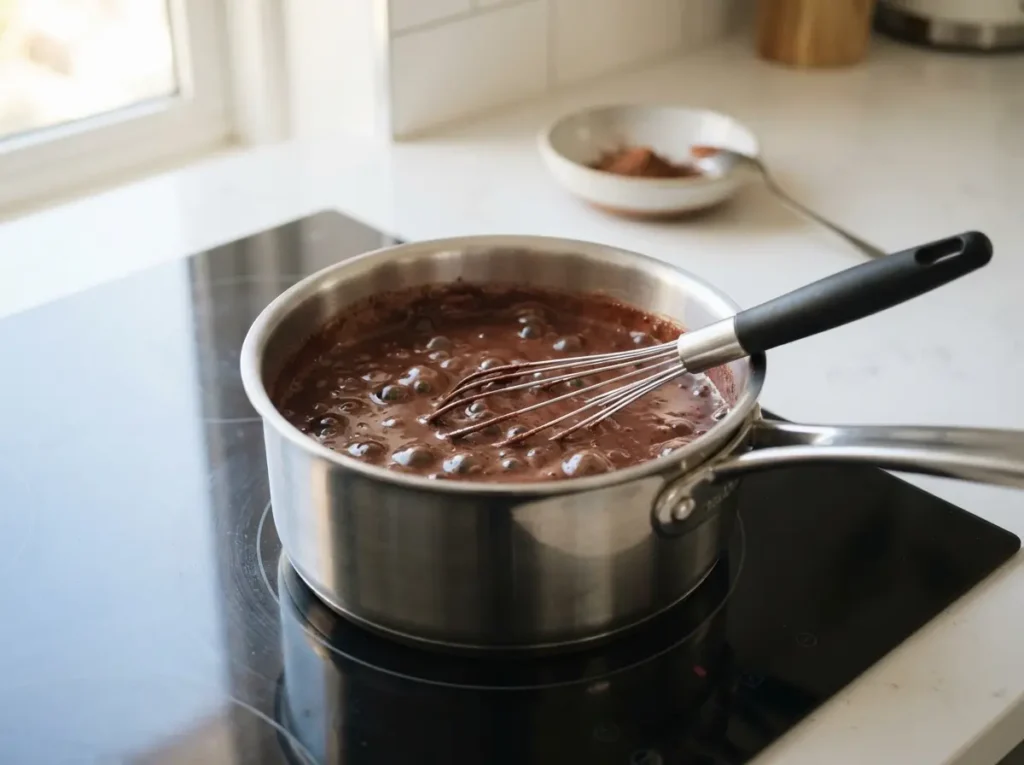
3. Bring it to a full boil. Once the mixture starts bubbling evenly, let it boil for exactly 1 minute. This step matters because the boil time affects whether the cookies set properly later.
4. Add the finishing ingredients. Remove the pan from the heat and immediately stir in peanut butter and vanilla until smooth. Then fold in the oats until every piece is coated.
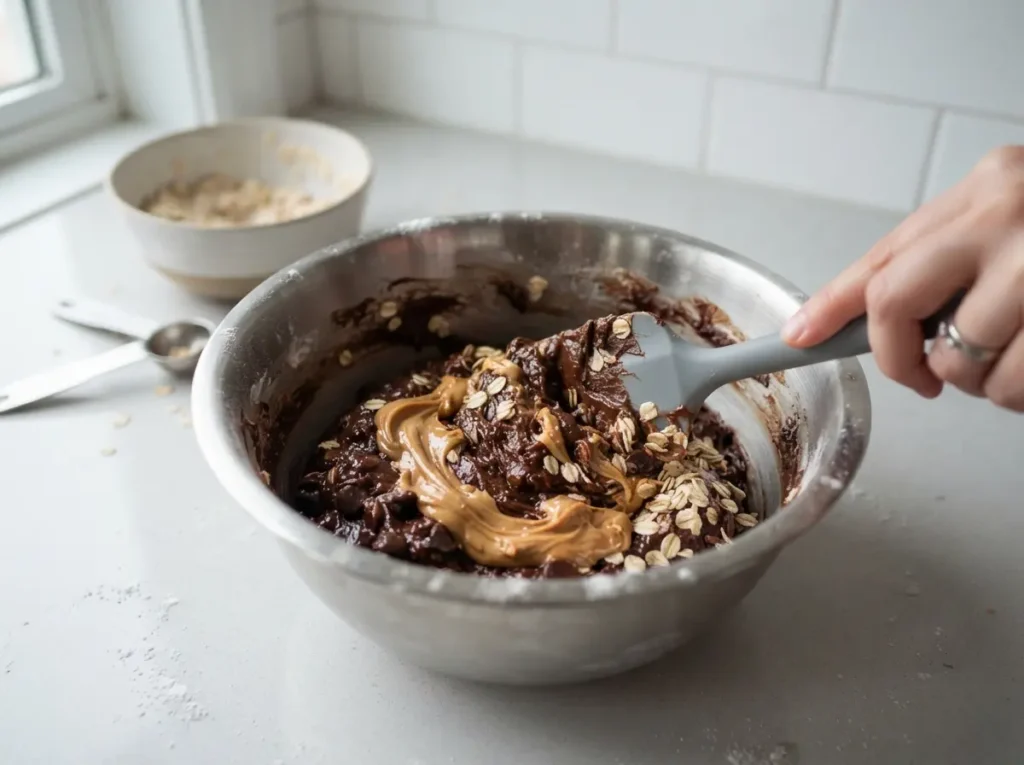
5. Scoop and cool. Drop spoonfuls of the mixture onto the prepared paper. Let the cookies rest at room temperature until firm, then transfer them to a container once they are fully set.
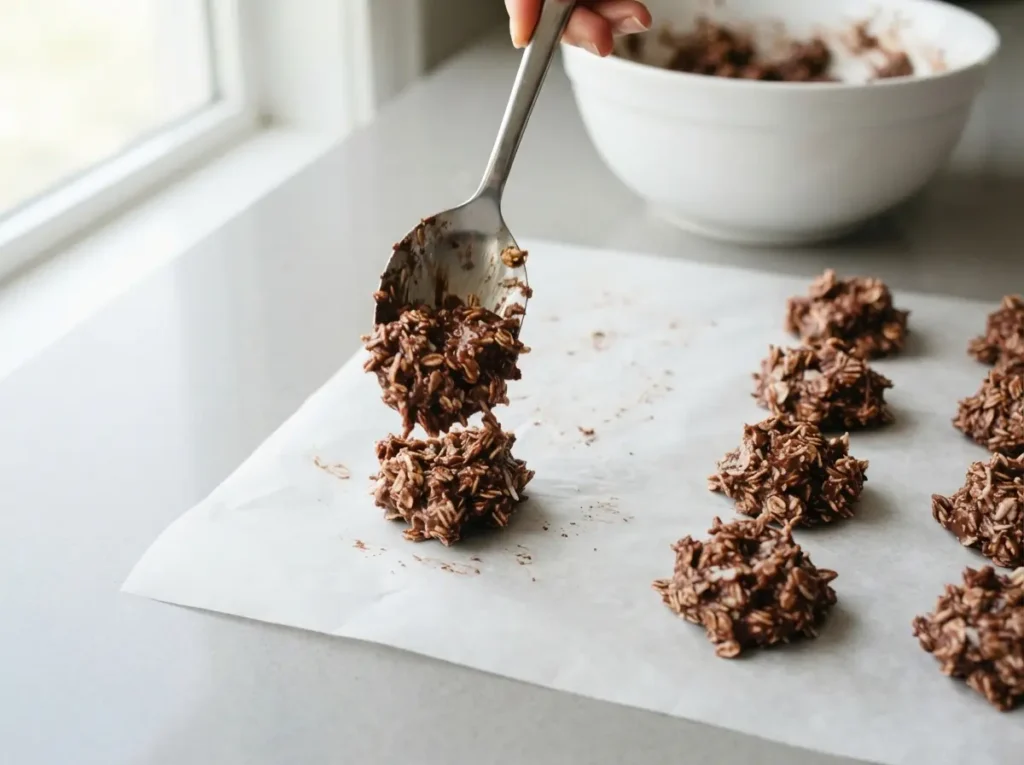
That method is simple, but it is precise enough to give you consistent results. If you want more softness, use slightly less boil time next batch. If you want firmer cookies, boil a little more carefully, not longer than necessary.
Why These Cookies Set Properly
The setting process comes from the sugar mixture cooling into a firmer structure around the oats and peanut butter. That is why the boil time is the most important part of the recipe. Underboiling leaves too much moisture in the pan, while overboiling can dry out the mixture before you scoop it.
In practice, the boil should be steady and uninterrupted, not just bubbling at the edges. The mixture should look thick enough to coat the back of a spoon. That visual cue is often more helpful than guessing by time alone, especially if your stove runs hot or cool.
That is also why no bake cookies are such a useful recipe for search. They are simple in ingredient count, but technique driven enough to create repeat visits from readers who had a failed batch and want the method explained clearly.
Best Texture Tips
If you want chewy cookies, use creamy peanut butter and quick oats. If you want more texture, use old-fashioned oats or a crunchy peanut butter. The good thing about this recipe is that the base technique stays the same even if you adjust the texture slightly.
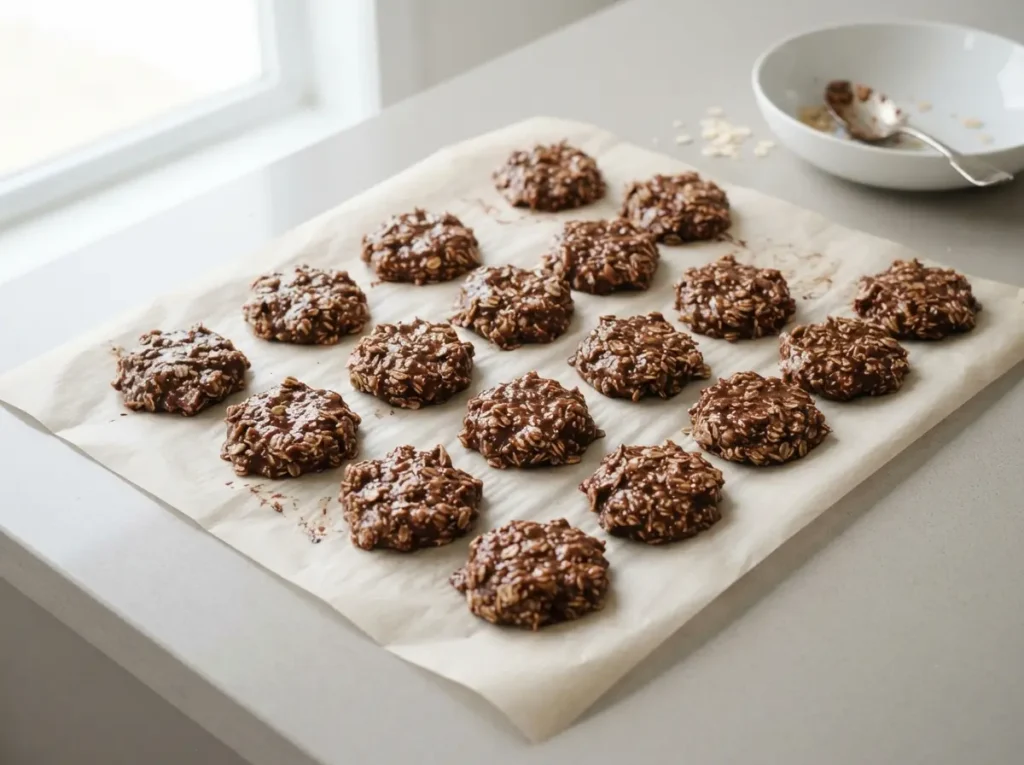
Do not stir the cookies too long after removing them from the heat. Once the oats go in, work quickly so the mixture does not begin setting in the pot before you scoop it. A cookie scoop can help keep the shapes consistent and reduce mess.
If your kitchen is warm, the cookies may take a little longer to firm up. If it is cool, they may set faster than expected. Either way, let them finish at room temperature before moving them, because early handling can flatten the tops.
Storage and Make-Ahead
No bake cookies store well, which is one of the reasons they remain such a practical dessert. Keep them in an airtight container at room temperature for short-term storage, or refrigerate them if your kitchen is especially warm. If you want to make them ahead, separate layers with parchment paper so they do not stick together.
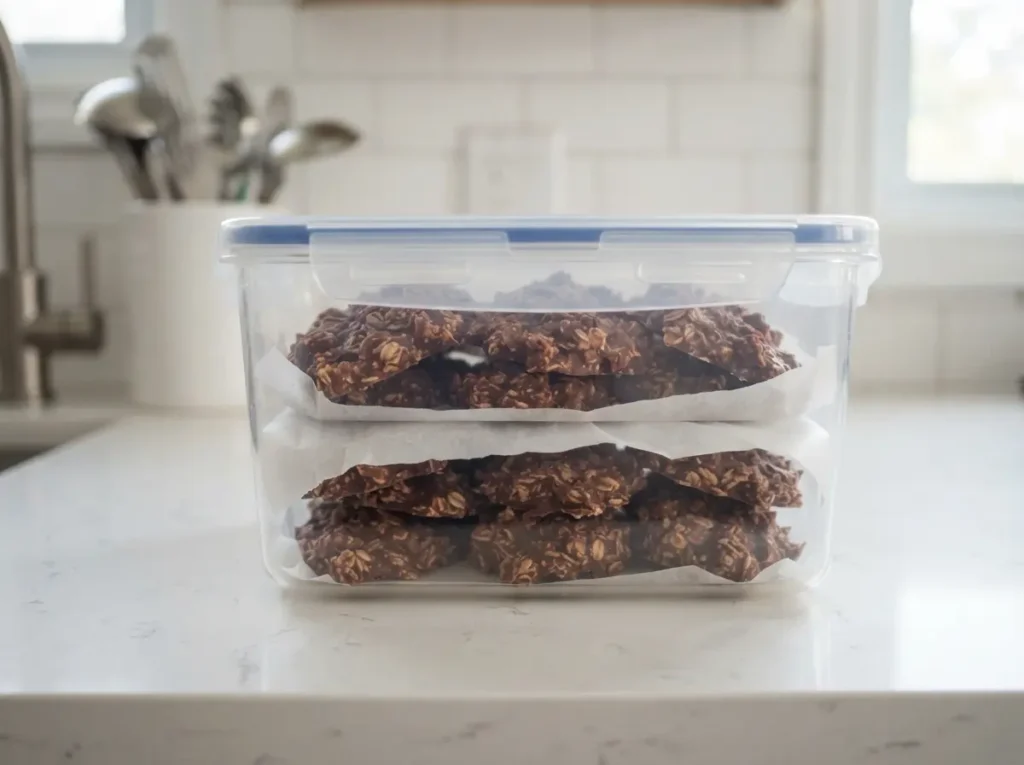
For longer storage or meal planning, the USDA and FoodSafety.gov recommend keeping an eye on pantry conditions and safe food handling in general. A dry, sealed container is the best way to protect texture and freshness.
If you are planning a dessert tray or a cookie swap, pair these with this no bake cheesecake idea for a mixed dessert spread. That gives guests both a chewy cookie and a creamy alternative.
Common Mistakes
Boiling too briefly. This is the most common reason no bake cookies stay soft and sticky. If the boil is short, the cookies will not firm up properly.
Boiling too long. This can make the cookies dry and crumbly instead of chewy. The difference between one minute and two minutes can matter a lot here.
Using the wrong oats. Steel-cut oats will not work well. Use quick oats or old-fashioned oats for a texture that makes sense in a no bake cookie.
Waiting too long to scoop. Once the oats are mixed in, the batter starts to set quickly. Have your paper lined and ready before you remove the saucepan from heat.
Frequently Asked Questions
Why are my no bake cookies not hardening?
They usually were not boiled long enough. The sugar mixture needs a full boil so it can set once cooled. If the cookies are still soft after resting, the best fix is usually to remake the batch and boil the base a little longer.
Can I use old-fashioned oats instead of quick oats?
Yes, old-fashioned oats can work, but the cookies will be a little chewier and less uniform. Quick oats usually give more reliable results, especially if this is your first time making no bake cookies.
How long do no bake cookies take to set?
Most no bake cookies take about 20 to 30 minutes to firm up at room temperature, depending on the size of the scoops and the temperature of your kitchen. Smaller cookies usually set faster.
Can I freeze no bake cookies?
Yes, no bake cookies freeze well in an airtight container with parchment between layers. Let them thaw at room temperature before serving so the texture returns to normal and the chocolate flavor comes through better.
What if I want a healthier no bake cookie?
You can reduce the sugar slightly and use a natural peanut butter or a less sweet variation, but the cookie will set and taste differently. For a lighter version, the key is keeping the stovetop technique consistent while adjusting sweetness carefully.
Do no bake cookies need peanut butter?
Peanut butter is the classic ingredient because it adds flavor, body, and help with setting. You can test alternatives, but the texture may change. If you swap it, choose another nut or seed butter with a similar consistency.
Conclusion
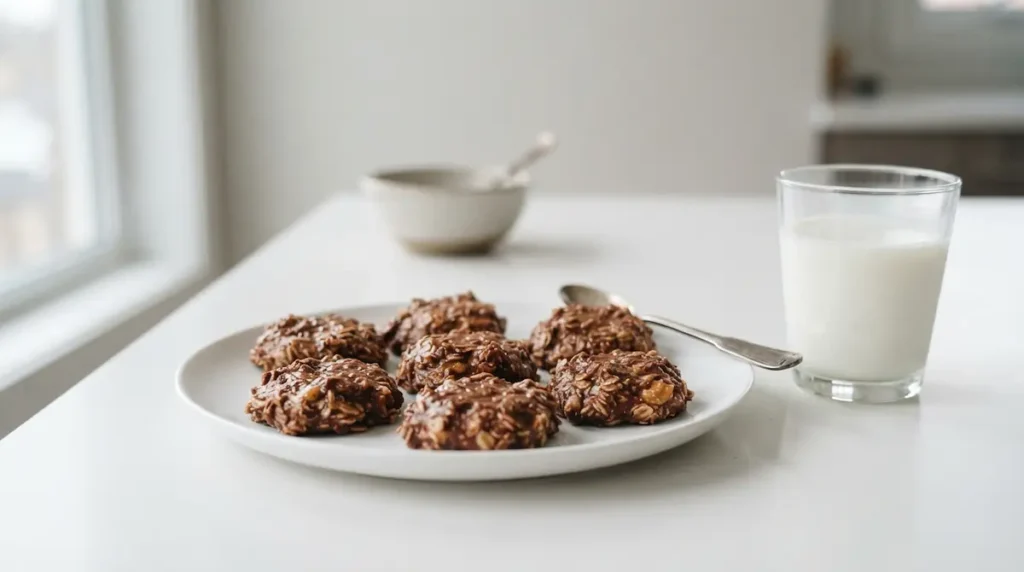
No bake cookies are one of those recipes that stay popular because they are fast, familiar, and genuinely useful. When the boil time is right and the ingredients are measured carefully, the result is a chocolate peanut butter cookie that sets well and tastes like childhood.
If you want a dessert that does not need an oven and still feels satisfying, this is a strong choice. Start with the classic version, learn how your stove behaves, and then adjust texture or sweetness on your next batch. That is the easiest way to make the recipe your own without losing the structure that makes it work.
For another easy dessert to bookmark, try these banana oatmeal cookies or keep a second no bake option like Japanese yogurt cheesecake on hand for dessert nights.
Chef Lily Jason is the recipe developer behind fastflavorbites.com, where she tests practical fast-flavor recipes for busy households. She focuses on techniques that are easy to repeat, easy to trust, and easy to serve.