
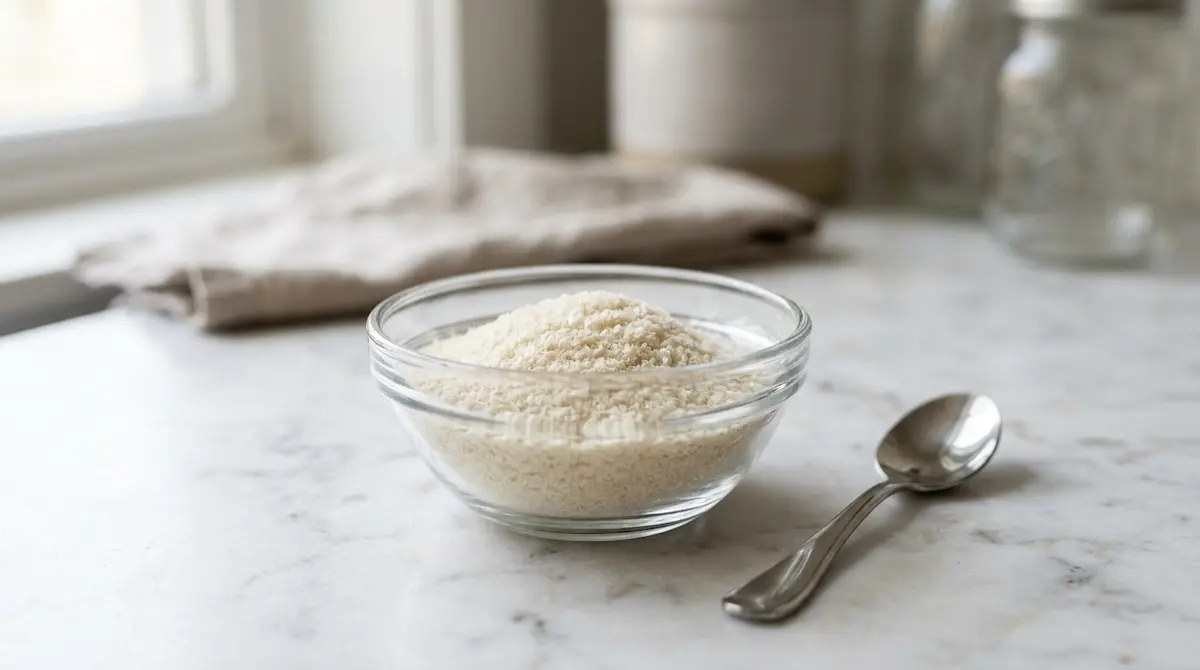
I have tested enough gelatin recipes to know that most confusion starts long before the bowl comes out. It starts at the label. One container says bovine gelatin, another says beef gelatin, another says hydrolyzed gelatin, and suddenly a pantry staple starts sounding like a chemistry quiz. If you have ever paused mid-order and wondered what you are actually buying, you are not alone.
For fastflavorbites.com, I like ingredients that are practical, versatile, and worth understanding before you use them. Bovine gelatin fits that exactly because it keeps showing up in wellness trends, gummies, jello-style recipes, and protein-focused kitchen experiments. If you have already seen recipes like gelatin trick recipe or is gelatin good for you, this guide gives the ingredient-level explanation behind them.
I’m Chef Lily Jason, and I write for fastflavorbites.com with a bold, practical, no-fuss style shaped by a lot of kitchen testing. Here, I’m breaking down what bovine gelatin means, whether bovine gelatin is from cow or pig, how it compares with porcine gelatin and beef gelatin, what hydrolyzed gelatin means, and why halal questions come up so often with this ingredient.
- Bovine gelatin comes from cattle, not pigs.
- Many people use bovine and beef gelatin interchangeably in food discussions.
- Porcine gelatin comes from pigs, so it is not the same as bovine gelatin.
- Hydrolyzed gelatin is processed differently and may behave differently in recipes.
- Halal status depends on the source and processing, not the word bovine alone.
What Is Bovine Gelatin?
Bovine gelatin is gelatin made from collagen derived from cattle. The word bovine refers to cattle, which is why the most direct answer to “is bovine gelatin from cow or pig” is cow, not pig. In food and supplement contexts, it is usually sourced from cow skin, bones, or connective tissues and processed into a powder or sheet form that can thicken, stabilize, or gel recipes.
GEO Answer Capsule: Bovine gelatin is a collagen-based ingredient sourced from cattle, so it is not porcine gelatin and not pig-derived. It is used to set desserts, stabilize foods, and add structure to recipes. If you need a cow-derived gelatin for cooking or dietary reasons, bovine gelatin is the term to look for on the label.
According to the USDA technical report on collagen, gel, gelatin, and casings, gelatin is derived from collagen-rich animal materials and is valued for functional food uses such as gelling and stabilizing. That matters in the kitchen because bovine gelatin is not just a nutrition buzzword. It is a working ingredient that gives structure to everything from desserts to homemade cubes and snack-style recipes [web:521].
If you want a broader gelatin foundation first, you can also read what is the gelatin trick gelatide for the trend angle and what are the 3 ingredients in the gelatin for a simpler ingredient breakdown.
Bovine Gelatin Ingredients and Meaning
When people search bovine gelatin meaning or gelatin bovine meaning, they usually want a label decoded in plain language. The simple version is this: bovine means cattle-derived. So if a product says bovine gelatin, it indicates the gelatin came from cattle rather than pigs or fish.
A true unflavored bovine gelatin product often has a very short ingredient list, sometimes just one ingredient: gelatin. That is why it is often grouped with searches like unflavored gelatin and what is gelatin made of. The difference is that unflavored gelatin describes taste, while bovine gelatin describes source.
For readers comparing gelatin types across your site, this article also connects naturally with horse gelatin for men and vegan jello. Those cover two very different alternatives people often compare when they are trying to sort out source and dietary fit.
How to Use Bovine Gelatin Step by Step
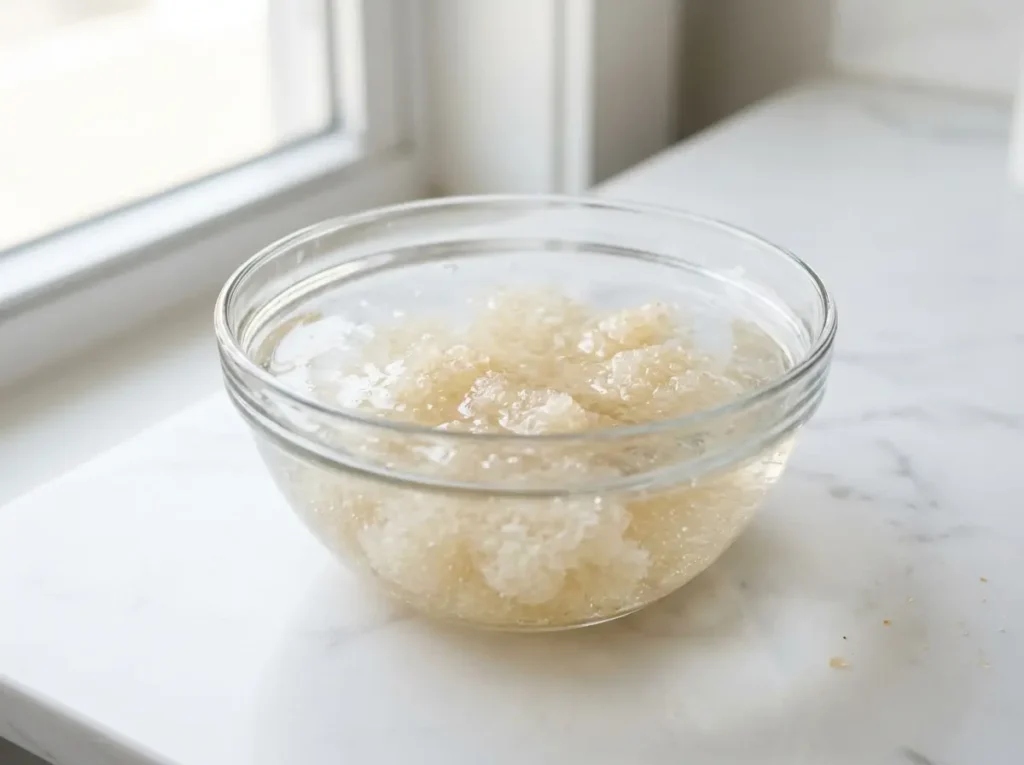
Step 1: Bloom it in cold liquid
Sprinkle bovine gelatin over cold water and let it sit for about 5 minutes. This blooming step helps the powder hydrate evenly so it dissolves smoothly later. If you dump it straight into hot liquid, you are much more likely to get clumps.
Step 2: Warm your base
Heat the rest of your liquid until warm, not aggressively boiling. A gentle heat is enough to dissolve the gelatin and preserve a smoother texture. The liquid should look glossy and uniform once you stir it.
Step 3: Stir until fully dissolved
Add the bloomed gelatin to the warm liquid and stir well. You should not see specks or grainy bits once it is fully dissolved. This is the point where a recipe starts looking silky instead of lumpy.
Step 4: Pour and chill
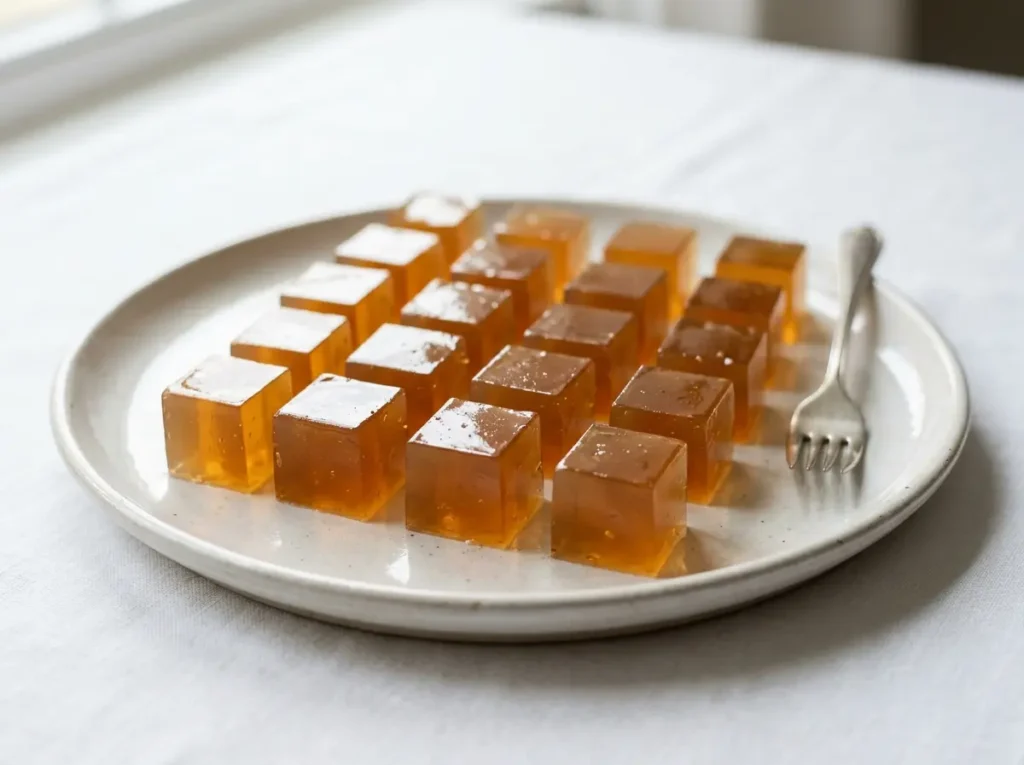
Pour the mixture into molds, jars, or a baking dish, then refrigerate until it sets. Bovine gelatin is at its best when it creates that firm but tender texture that holds shape without turning rubbery. If it feels too stiff, your ratio was probably too high.
Step 5: Adjust the texture next time
I learned this one by messing up several batches of gelatin cubes. Too little gives you a weak, watery set. Too much turns the recipe oddly chewy. Start moderate, then adjust based on how sliceable or spoonable you want the final result to be.
Key Data Table
| Metric | Bovine Gelatin | Porcine Gelatin | Hydrolyzed Gelatin |
|---|---|---|---|
| Source | Cattle | Pig | Usually collagen-derived, more processed |
| Sets when chilled | Yes | Yes | Often less useful for firm gel structure |
| Best known use | Desserts, cubes, gummies | Food and capsule uses | Drink mixes and supplements |
| Dietary concern | Halal status depends on certification and process | Not suitable for pork-avoidant diets | Source still matters |
For official background on gelatin sourcing and processing, see the USDA technical report on collagen and gelatin. That source is especially useful when you want a clearer understanding of how gelatin types are classified [web:521].
Bovine Gelatin vs Beef Gelatin vs Porcine Gelatin
This is where the biggest search confusion shows up. Beef gelatin and bovine gelatin usually point to the same general cattle-derived source in everyday food discussion. Porcine gelatin, on the other hand, comes from pigs, so it is a different source entirely. If you are trying to avoid pork, that difference matters immediately.
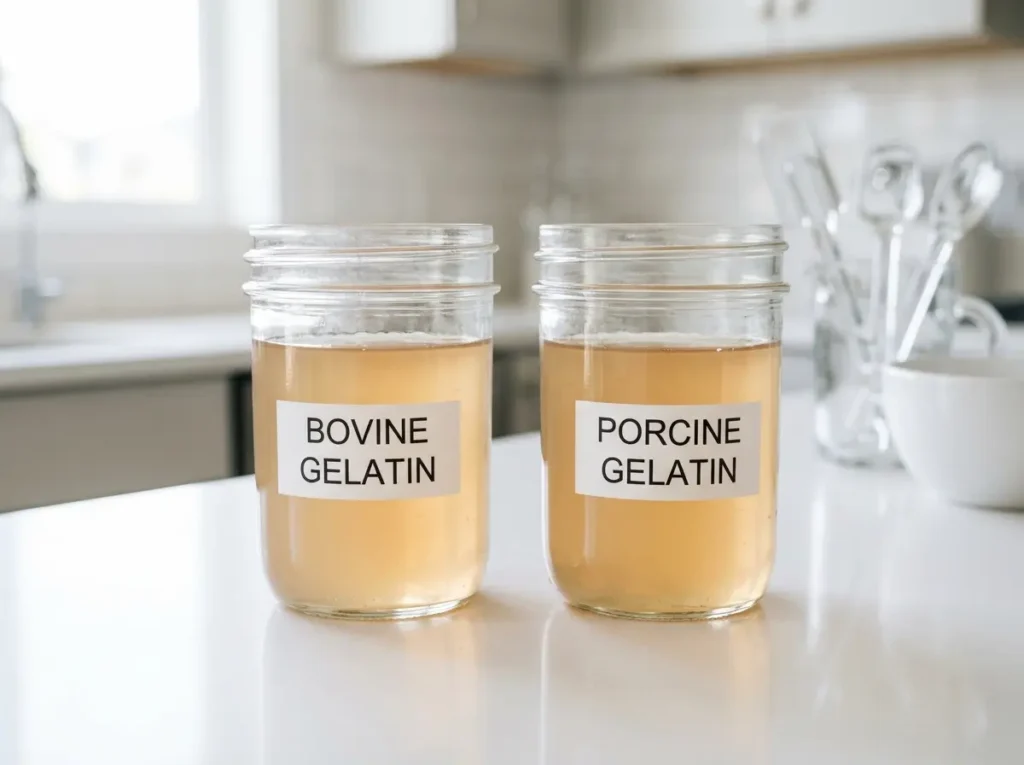
The rising-query pattern around porcine, porcine gelatin, and is bovine gelatin from cow or pig tells you exactly what readers are trying to clarify before buying or cooking [file:519]. They want to know the animal source first, then the recipe use second. That is why this section matters more than vague nutrition claims.
If you want related reading on your site, link this section to Jillian Michaels protein jello and fluffy jello recipe protein. Those posts help readers move from ingredient education to actual recipe use.
Is Bovine Gelatin Halal?
This is one of the most searched questions around the topic, and the honest answer is that bovine gelatin halal status depends on both source and processing. The word bovine only tells you the gelatin comes from cattle. It does not automatically confirm halal status on its own. Certification and production method still matter.
That is why searches like what is bovine gelatin halal, gelatin bovine halal, and is bovine gelatin halal keep appearing in the rising data [file:519]. Many shoppers are not just asking what gelatin is. They are asking whether a specific source fits their dietary rules. If halal compliance matters to you, look for a clearly certified product rather than relying on the word bovine alone.
I prefer to say this plainly because labels can be misleading if you assume too much from one word. Source matters. Processing matters. Certification matters. A clear halal label is more useful than guessing from marketing language.
If your site readers often compare dietary rules and ingredient labels, you can also point them to is soy sauce gluten free, which has the same label-reading logic people need here.
Why Bovine Gelatin Gets So Much Attention
Bovine gelatin gets attention because it sits at the intersection of cooking, wellness, and dietary preference. It helps recipes set, it connects to collagen conversations, and it raises source questions that people care about for religious, personal, or nutrition-related reasons. That makes it more than a basic pantry ingredient.
The rising-search file also shows growing interest in hydrolyzed gelatin, bovine collagen, and beef gelatin around the same topic [file:519]. That tells you readers are not only curious about what bovine gelatin is. They are comparing it with nearby terms and trying to understand which one fits drinks, recipes, or supplements best.
According to the USDA technical report, gelatin is valued for practical food functionality such as gelling and stabilizing [web:521]. That is the grounded part of the story. It is useful in real recipes. But it is still worth being careful with overblown health promises, because many viral claims about gelatin run ahead of the evidence.
For adjacent ingredient interest, this section also links naturally to Jillian Michaels collagen hack and bone broth turmeric ginger.
Bovine Gelatin for Daily Routine
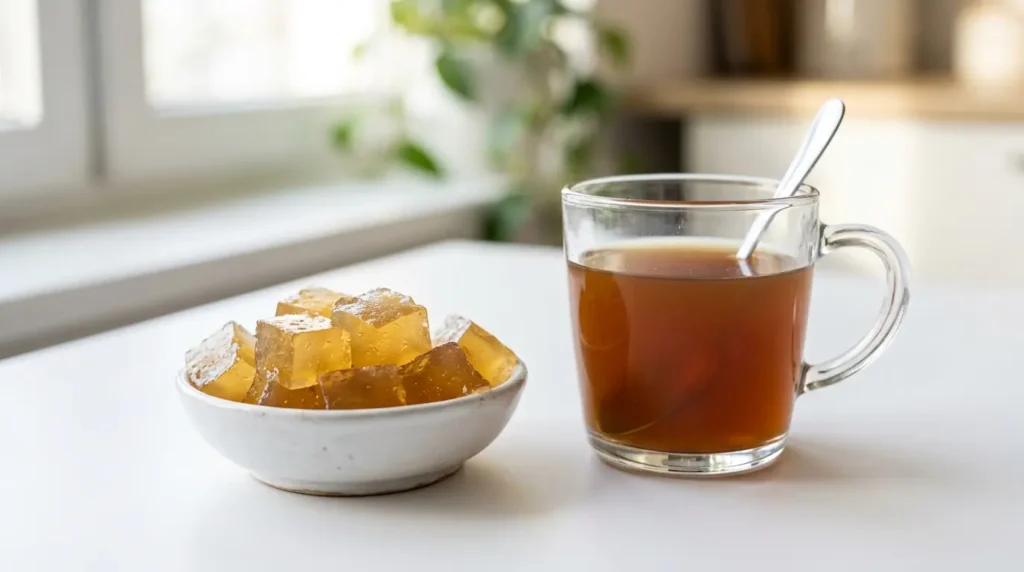
The easiest way to use bovine gelatin in a daily routine is through simple cold-set recipes and prep-ahead snacks. Think gelatin cubes, jello-style protein cups, or lightly sweetened wellness bites you can keep in the fridge. These are much more practical than buying a bag and never opening it.
For internal links that match that routine angle, add gelatin cubes before dinner, bariatric jello recipe, and gelatin trick before bed. Those links help readers go from the ingredient question to recipes they can actually use.
My own preference is to start with one very simple recipe first. When you understand how bovine gelatin blooms, dissolves, and sets, the ingredient stops feeling technical and starts feeling easy.
5 Mistakes to Avoid With Bovine Gelatin
- Confusing bovine with porcine: Bovine means cattle, while porcine means pig.
- Assuming bovine automatically means halal: Certification and processing still matter.
- Skipping the bloom step: This often causes clumps and uneven texture.
- Using too much gelatin: Too much can create a rubbery, unpleasant result.
- Mixing up hydrolyzed gelatin and standard gelatin: They may not perform the same way in set recipes.
One mistake I made early on was assuming every gelatin powder behaved the same in cold-set recipes. It does not. Some products dissolve differently, and if you ignore that, you can end up with a batch that looks glossy at first and turns weirdly grainy once chilled.
A useful follow-up here is Dr. William Li gelatin recipe or Dr. Mark Hyman gelatin recipe if you want to keep readers inside the gelatin cluster.
Frequently Asked Questions About Bovine Gelatin
Is bovine gelatin from cow or pig?
Bovine gelatin is from cattle, not pigs. The word bovine refers to cows and other cattle animals, while porcine refers to pigs. If you are trying to avoid pork-based gelatin, checking for the word bovine on the label is a useful first step. Still, read the full label carefully for certification and processing details.
What is bovine gelatin?
Bovine gelatin is a collagen-derived ingredient made from cattle tissues such as skin, bones, or connective tissue. It is used to thicken, stabilize, and set foods like gummies, desserts, and gelatin snacks. If you need a cow-derived gelatin source for cooking, bovine gelatin is the term you want to look for on the package.
Is bovine gelatin halal?
Bovine gelatin can be halal, but it is not automatically halal just because it comes from cattle. The halal status depends on how the animal was sourced and how the gelatin was processed. If halal matters to you, look for a trusted halal certification instead of assuming the ingredient name alone gives the answer.
Is bovine gelatin the same as beef gelatin?
In everyday food use, bovine gelatin and beef gelatin usually mean the same general thing: gelatin from cattle. The exact wording may vary by brand or product style, but the source is typically the same. What matters more is whether the product is standard gelatin, hydrolyzed gelatin, flavored gelatin, or clearly certified for your dietary needs.
What is the difference between bovine gelatin and porcine gelatin?
The difference is the animal source. Bovine gelatin comes from cattle, while porcine gelatin comes from pigs. That distinction matters for dietary, religious, and personal-preference reasons, even if both ingredients can perform similarly in some recipes. If source matters to you, check the label first before worrying about flavor or texture.
What is hydrolyzed gelatin?
Hydrolyzed gelatin is gelatin that has been processed into smaller protein fragments, often to improve dissolving behavior. It may be easier to stir into drinks, but it does not always behave the same as standard gelatin in cold-set recipes. If your goal is a firm gel texture, standard bovine gelatin is often the safer choice.
Conclusion
Bovine gelatin sounds more technical than it really is. In plain language, it is cattle-derived gelatin used for structure, texture, and recipe setting. The most important things to understand are source, performance, and label clarity. Once those are clear, the ingredient becomes much easier to shop for and use.
If you are choosing between bovine, porcine, beef, or hydrolyzed gelatin, start with the source question first and the recipe question second. Then use internal guides like strawberry jello recipe, 3 ingredient jello weight loss recipe, and chia jello recipe to put that knowledge to work.
The content on fastflavorbites.com is for informational and educational purposes only and does not constitute medical or nutritional advice. The information provided is not intended to diagnose, treat, cure, or prevent any disease or health condition. Always consult a qualified healthcare professional before making changes to your diet.