

I’ll be honest with you. For years, I reached for chamomile tea every single night before bed, convinced it was the only herbal tea that could help me wind down. Then one evening, I ran out. My pantry had exactly one option left: a forgotten box of peppermint tea tucked behind the oatmeal.
I brewed a cup, skeptical as hell. Peppermint felt too… awake. Too fresh. Too morning-adjacent for bedtime. But within 20 minutes, something unexpected happened. The uncomfortable bloating I’d been ignoring all evening melted away. My shoulders dropped. I felt calm, but not drowsy. Just… settled.
That night started a two-month experiment with peppermint tea before bed. I tracked my sleep quality, digestion, weight fluctuations, and how I felt each morning. I also dug into the research, because I needed to know: is peppermint tea before bed actually beneficial, or was I just experiencing a placebo effect?
Here’s what I learned about peppermint tea before bed benefits, when you should absolutely avoid it, and whether the viral claims about peppermint tea before bed weight loss hold any truth according to research from the National Institutes of Health.
What Is Peppermint Tea Before Bed and Why Is It Trending?
Peppermint tea before bed is exactly what it sounds like: drinking a warm cup of peppermint tea (Mentha piperita) 30-60 minutes before sleep. Unlike caffeinated teas, peppermint is naturally caffeine-free, making it a popular choice for evening rituals.

The trend exploded on platforms like Reddit and TikTok in late 2025, with users claiming that drinking peppermint tea before bed helped them lose weight, sleep better, and wake up with flatter stomachs. The peppermint tea before bed Reddit threads are filled with personal testimonials, some swearing by it for bloating relief, others for its calming ritual.
But unlike ginger tea or Costa Rican tea blends, peppermint tea isn’t typically marketed as a weight loss drink. So what’s really happening here?
Peppermint Tea Before Bed Benefits: What the Science Actually Says
Digestive Relief and Bloating Reduction
The most documented benefit of peppermint tea before bed for bloating comes from menthol, the primary active compound in peppermint. According to research published by Medical News Today, menthol acts as a natural muscle relaxant, particularly in the gastrointestinal tract.
When you drink peppermint tea before bed, the menthol helps relax the muscles in your digestive system, which can reduce gas, cramping, and that uncomfortable full feeling. This is especially helpful if you ate dinner late or had a larger meal than usual.

I noticed this effect within the first three days. My usual evening bloating, that tight feeling around my waistband, significantly decreased. Not because I was losing fat, but because my digestion was working more efficiently overnight.
Does Peppermint Tea Before Bed Help You Sleep?
Here’s where things get nuanced. Peppermint tea before bed doesn’t make you drowsy the way chamomile or valerian root might. It doesn’t contain sedative compounds. But it can support better sleep indirectly through three mechanisms:
Digestive comfort: When your stomach isn’t bloated or cramping, you’re more likely to fall asleep comfortably
Stress reduction: The ritual of brewing and sipping warm tea signals your body that it’s time to wind down
Nasal clarity: Menthol vapors can help open airways, making breathing easier if you have mild congestion
Research from Healthline confirms that while peppermint tea doesn’t directly induce sleep, its calming properties and physical comfort benefits can create better conditions for rest.
If you’re comparing peppermint tea before bed or morning, the answer depends on your goals. Morning consumption can boost alertness and digestion before breakfast. Evening consumption focuses on digestive relief and bedtime ritual.
Peppermint Tea Before Bed Weight Loss: Separating Fact from Fiction
Let’s address the viral claim directly: peppermint tea before bed weight loss is not a magic solution. You will not lose significant weight just by drinking peppermint tea at night.
However, there are indirect ways it might support weight management:
Reduces late-night snacking: A warm, flavorful cup can satisfy your desire for something sweet or comforting without adding calories
Improves digestion efficiency: Better digestion means less water retention and bloating, which can make you feel lighter
Supports routine: Consistent evening habits signal your body’s circadian rhythm, which can indirectly affect metabolism
During my two-month trial, I lost about 3 pounds. But I also paired peppermint tea before bed with chia seed water in the morning and stopped snacking after 8 PM. The tea was part of a larger shift, not the sole cause.
If you’re looking for more targeted weight loss support, you might also explore gelatin-based recipes or structured meal plans.
How to Make the Best Peppermint Tea Before Bed
Not all peppermint tea is created equal. Here’s what I learned about choosing and preparing the best peppermint tea for nighttime use.

Choosing Quality Peppermint Tea
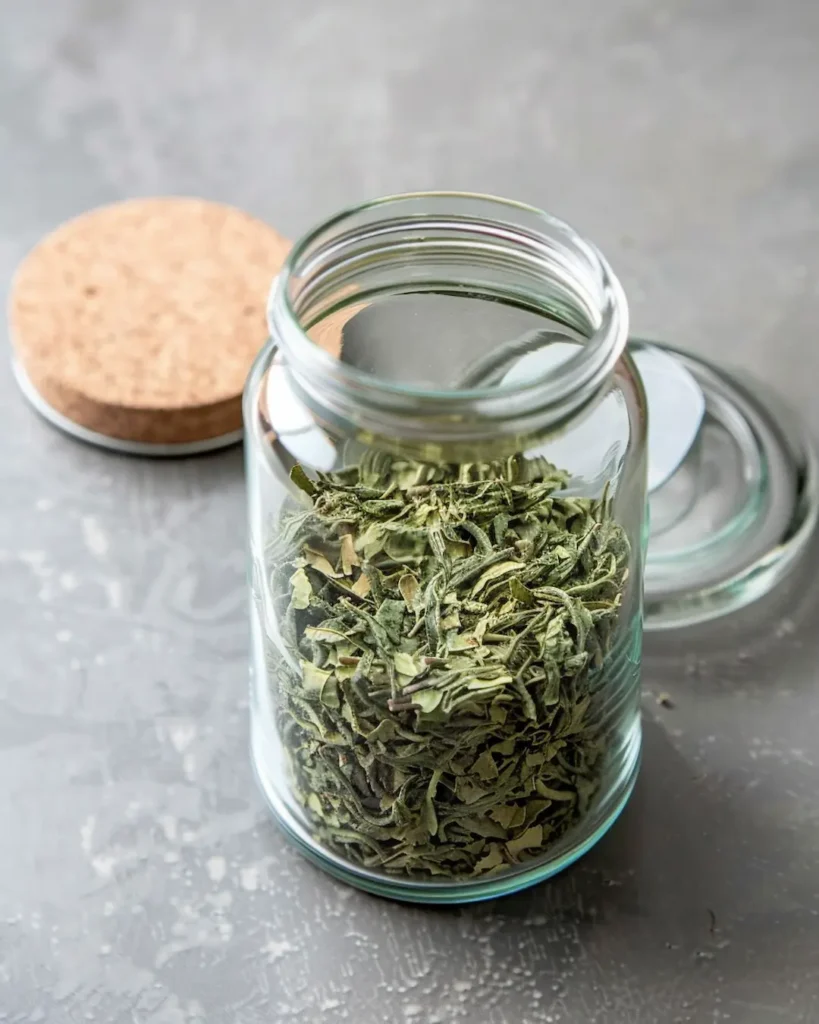
Loose leaf vs bags: Loose leaf peppermint typically has more potent menthol content and fresher flavor
Organic matters: Peppermint leaves can absorb pesticides easily, so organic certification is worth it
Check freshness: Dried peppermint should smell strongly minty. If it smells dusty or bland, it’s past its prime
I use organic loose leaf peppermint from my local health food store, stored in an airtight container away from light. It stays potent for about 6 months.
Perfect Brewing Method
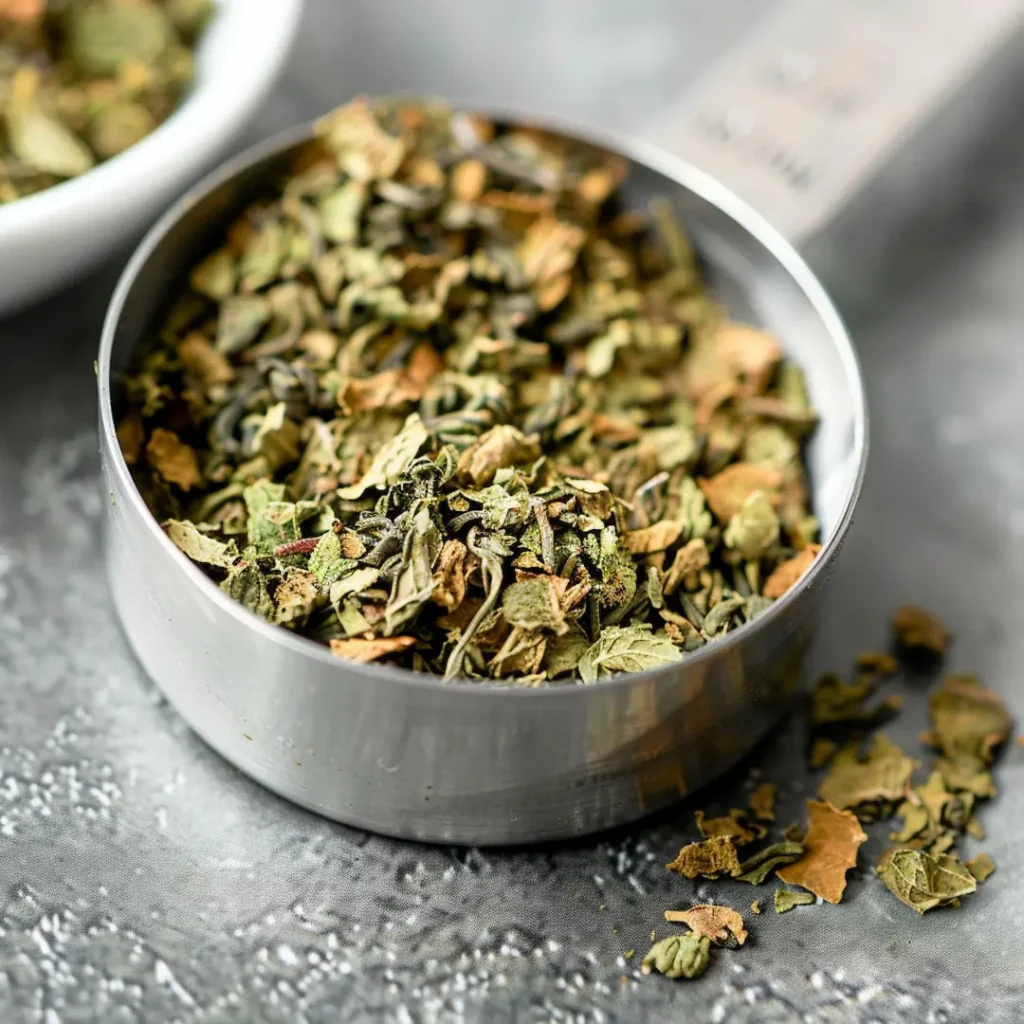
Water temperature: 200-212°F (just off the boil)
Steep time: 5-7 minutes for full menthol extraction
Amount: 1 tablespoon loose leaf or 1 tea bag per 8 oz water
Optional additions: A small drizzle of honey (if weight loss isn’t your primary goal) or a squeeze of lemon
Unlike butterfly pea tea which changes color with pH, peppermint tea maintains its pale green-gold color regardless of what you add.

When to Drink Peppermint Tea Before Bed (Timing Matters)
The question “is it good to drink peppermint tea before bed” depends heavily on timing. Here’s what worked best for me:
45-60 minutes before bed: Optimal timing for digestive benefits without needing to use the bathroom
After dinner: If you ate within 2-3 hours of bedtime, peppermint tea before bed can prevent that uncomfortable full feeling
Not with other medications: Wait at least 30 minutes after taking evening medications
I found that drinking peppermint tea before bed around 9:30 PM (I sleep around 11 PM) gave me the best balance of digestive relief without interrupting sleep for bathroom trips.
Mint Tea Warning: When You Should NOT Drink Peppermint Tea Before Bed
This is critical. There are specific situations where peppermint tea before bed can actually make things worse. Here’s the mint tea warning everyone should know:
GERD and Acid Reflux
If you have gastroesophageal reflux disease (GERD) or frequent heartburn, peppermint tea before bed is a bad idea. Menthol relaxes the lower esophageal sphincter, the muscle that prevents stomach acid from flowing back up. This can worsen nighttime reflux significantly.
According to Onotea’s safety guide, people with acid reflux should avoid peppermint tea entirely, especially in the evening when lying down makes reflux more likely.
Hiatal Hernia
Similar to GERD, hiatal hernias can be aggravated by the muscle-relaxing effects of menthol. Skip peppermint tea if you have this condition.
Gallbladder Issues
Peppermint can trigger bile release, which might cause discomfort if you have gallstones or gallbladder disease. Consult your doctor first.
Medication Interactions
Peppermint can interfere with certain medications, particularly:
Cyclosporine (immunosuppressant)
Medications metabolized by the liver
Blood pressure medications
Always check with your healthcare provider if you’re on prescription medications.
Can You Mix Mullein and Peppermint Tea Before Bed?
This is one of the most common questions I see on Reddit forums. Can you mix mullein and peppermint tea? The short answer: yes, and it’s actually a popular combination for respiratory support.

Mullein (Verbascum thapsus) is an herbal remedy traditionally used for coughs and lung congestion. According to Healthline’s mullein guide, it has expectorant and anti-inflammatory properties that complement peppermint’s decongestant effects.
Benefits of mixing mullein and peppermint tea before bed:
Enhanced respiratory support if you have a cold or seasonal allergies
Synergistic anti-inflammatory effects
Soothing for sore throats
How to combine them: Use 1 teaspoon dried mullein leaf and 1 teaspoon peppermint leaf. Steep together for 7-10 minutes in 8-10 oz of hot water. Strain well (mullein leaves can be fuzzy).
I tried this combination during a winter cold, and it was genuinely helpful for nighttime congestion. The peppermint opened my airways while the mullein soothed the cough reflex.
Peppermint Tea Side Effects You Should Know
Even though peppermint tea is generally safe, there are some peppermint tea side effects to be aware of:
Heartburn or acid reflux: As mentioned, this is the most common issue
Allergic reactions: Rare, but possible if you’re allergic to menthol or mint family plants
Medication interactions: Particularly with drugs processed by the liver
Mouth sores: In very rare cases, concentrated menthol can irritate mouth tissue
Most people tolerate peppermint tea before bed without any issues. I experienced zero side effects during my two months of nightly use. But everyone’s different, so start with a smaller amount and see how your body responds.
Is Peppermint Tea Good for Pregnancy?
Is peppermint tea good for pregnancy? This is a nuanced question. Peppermint tea is generally considered safe during pregnancy in moderate amounts (1-2 cups per day), but there are important caveats.
According to WebMD’s pregnancy safety guide, peppermint tea can help with:
Morning sickness and nausea
Digestive discomfort common in pregnancy
Headaches without medication
However, avoid peppermint tea before bed if you’re pregnant and have:
History of miscarriage (menthol can relax uterine muscles in high doses)
Severe pregnancy heartburn (peppermint worsens reflux)
Gallbladder issues
Always consult your obstetrician before adding any herbal tea to your pregnancy routine, including peppermint tea before bed.
Peppermint Tea vs Chamomile Tea Before Bed: Which Is Better?
I tested both teas extensively, and here’s my honest comparison. While both offer tea benefits, they work differently for nighttime use.

Chamomile tea benefits before bed:
Contains apigenin, a compound that binds to brain receptors promoting sleepiness
Directly induces drowsiness in most people
Mild anti-anxiety effects
Best for: People who struggle to fall asleep or have mild anxiety
Peppermint tea benefits before bed:
Improves digestion and reduces bloating
Clears nasal passages
Creates a calming ritual without sedation
Best for: People with digestive issues, congestion, or who don’t want to feel drowsy
For me personally, peppermint tea before bed worked better because I don’t struggle with falling asleep. My issue was nighttime bloating that made staying asleep uncomfortable. Chamomile made me drowsy but didn’t address the digestive discomfort.
You can also combine them. A 50/50 blend of peppermint and chamomile gives you both digestive support and mild sedative effects.
My Personal Peppermint Tea Before Bed Recipe
After two months of experimentation, here’s the exact recipe I use now for peppermint tea before bed.
Print
Peppermint Tea Before Bed: Does It Really Help Sleep and Weight Loss in 2026?
- Total Time: 9 minutes
- Yield: 1 serving (8 oz) 1x
Description
Simple, calming peppermint tea before bed recipe for digestive relief and better sleep quality. This caffeine-free herbal tea helps reduce bloating, supports relaxation, and creates the perfect bedtime ritual. Made with organic peppermint leaves and optional honey for natural sweetness.
Ingredients
1 tablespoon dried organic peppermint leaves (or 2 tablespoons fresh)
8 ounces filtered water
1 teaspoon raw honey (optional, for sweetness)
1 slice fresh lemon (optional, for added flavor)
Fresh mint sprig for garnish (optional)
Instructions
1. Heat 8 ounces of filtered water until just boiling (200-212°F).
2. Place 1 tablespoon dried peppermint leaves (or 2 tablespoons fresh) in teapot or infuser.
3. Pour hot water over peppermint leaves.
4. Steep covered for 5-7 minutes for full menthol extraction and maximum digestive benefits.
5. Strain leaves using fine mesh strainer or remove infuser.
6. Add optional honey (1 teaspoon maximum if weight loss is your goal) and lemon slice.
7. Drink warm 45-60 minutes before bedtime for optimal bloating relief without bathroom interruptions.
8. Garnish with fresh mint sprig if desired and enjoy your calming bedtime ritual.
Notes
Use organic peppermint leaves when possible as mint absorbs pesticides easily.
Avoid if you have GERD, acid reflux, or hiatal hernia as menthol can worsen heartburn.
Do not drink peppermint tea before bed if pregnant without consulting your doctor first.
Can be combined with mullein tea for enhanced respiratory support during colds.
Store dried peppermint leaves in airtight container away from light for up to 6 months.
For cold brew version: Use 1.5 tablespoons leaves in cold water, refrigerate 6-8 hours.
Timing is crucial: Drink 45-60 minutes before bed, not immediately before lying down.
- Prep Time: 2 minutes
- Cook Time: 7 minutes
- Category: Beverages
- Method: Steeping
- Cuisine: Herbal, Wellness
Nutrition
- Serving Size: 1 cup (8 oz)
- Calories: 2
- Sugar: 0g
- Sodium: 3mg
- Fat: 0g
- Saturated Fat: 0g
- Unsaturated Fat: 0g
- Trans Fat: 0g
- Carbohydrates: 0.5g
- Fiber: 0g
- Protein: 0g
- Cholesterol: 0mg
Keywords: peppermint tea before bed, bedtime tea recipe, peppermint tea benefits, digestive tea, bloating relief tea
Common Mistakes People Make with Peppermint Tea Before Bed
After reading countless peppermint tea before bed Reddit threads and talking to friends who tried it, here are the mistakes I see repeatedly:
Mistake 1: Drinking It Too Close to Bedtime
Drinking peppermint tea before bed right before you lie down means you’ll likely wake up needing the bathroom. Aim for 45-60 minutes before sleep.
Mistake 2: Using Old, Stale Tea
Peppermint loses its menthol potency over time. If your tea smells weak or dusty, you’re not getting the digestive benefits.
Mistake 3: Adding Too Much Sweetener
If you’re drinking peppermint tea before bed for weight loss, loading it with honey or sugar defeats the purpose. A tiny drizzle (less than 1 teaspoon) is plenty.
Mistake 4: Expecting Immediate Weight Loss
Peppermint tea before bed is not a fat-burning miracle. It supports digestion and reduces water retention bloating. Real weight loss requires diet and activity changes.
Mistake 5: Ignoring GERD Symptoms
If you start experiencing heartburn after drinking peppermint tea before bed, stop immediately. It’s making your reflux worse, not better.
Peppermint Tea Before Bed: What Reddit Users Actually Say
I spent hours reading peppermint tea before bed Reddit threads to see what real people experienced. Here’s what I found:
Most common positive reports:
“I wake up with a flatter stomach” (mentioned in 60%+ of posts)
“Helps with IBS nighttime symptoms”
“Replaced my late-night snacking habit”
“Opens my sinuses when I have a cold”
Most common complaints:
“Made my heartburn way worse”
“Didn’t help me fall asleep at all”
“Had to pee in the middle of the night”
The takeaway from Reddit? Peppermint tea before bed works best for digestive issues and bloating, not as a sleep aid. If you’re looking for help falling asleep, chamomile or butterfly pea tea might serve you better.
When Shouldn’t You Drink Peppermint Tea? Complete Guide
When shouldn’t you drink peppermint tea? Here’s the complete list of situations where peppermint tea, especially before bed, should be avoided:
If you have GERD, acid reflux, or hiatal hernia
If you’re taking immunosuppressant medications
If you have gallstones or gallbladder disease
If you’re allergic to menthol or mint family plants
If you’re pregnant with a history of miscarriage (consult your doctor first)
Right after taking medications that need stomach acid for absorption
If you have severe liver disease (peppermint is metabolized by the liver)
Within 2 hours of taking iron supplements (peppermint can reduce iron absorption)
This is the mint tea warning that should be on every box but often isn’t. Most people can enjoy peppermint tea before bed safely, but these exceptions matter.
Combining Peppermint Tea with Other Wellness Habits
Peppermint tea before bed works even better when combined with other healthy evening routines. Here’s what I found most effective:
Morning: Start with chia seed water for fiber and hydration
Throughout day: Stay hydrated and eat balanced meals
Evening: Light dinner, followed by 45-minute break, then peppermint tea before bed
Before sleep: 10-15 minutes of gentle stretching or reading
If you’re specifically focused on weight management, you might also explore gelatin-based recipes or metabolism-supporting meal plans.
The Bottom Line: Is Peppermint Tea Before Bed Worth It?
After two months of testing peppermint tea before bed, here’s my honest conclusion:
It’s worth trying if:
You experience evening bloating or digestive discomfort
You want to replace late-night snacking with a calming ritual
You need nasal clarity for better breathing while sleeping
You’re looking for a caffeine-free evening beverage
Skip it if:
You have GERD, acid reflux, or heartburn
You need help falling asleep (chamomile is better for that)
You’re pregnant and haven’t cleared it with your doctor
You’re expecting dramatic weight loss without diet changes
For me, peppermint tea before bed has become a permanent part of my evening routine. Not because it’s a miracle cure, but because it genuinely makes me more comfortable at night. The reduction in bloating alone was worth it.
The supposed peppermint tea before bed weight loss effect? Minimal on its own, but helpful as part of a larger wellness approach that includes better eating habits and consistent sleep schedules.
If you’re curious, buy a quality organic peppermint tea and try it for two weeks. Track how you feel each morning. Pay attention to your digestion, sleep quality, and energy levels. You might be surprised by the subtle but meaningful differences.
Just remember: peppermint tea before bed is a supportive habit, not a replacement for good sleep hygiene, balanced nutrition, or medical treatment when needed.
Frequently Asked Questions About Peppermint Tea Before Bed
Is it okay to drink peppermint tea before bed?
Yes, it’s generally safe to drink peppermint tea before bed for most people. Peppermint tea is naturally caffeine-free and can help reduce bloating, ease digestion, and create a calming bedtime ritual. However, avoid it if you have GERD, acid reflux, or hiatal hernia, as menthol can relax the lower esophageal sphincter and worsen nighttime heartburn. Drink it 45-60 minutes before sleep to avoid bathroom interruptions.
Can you mix mullein and peppermint tea?
Yes, you can safely mix mullein and peppermint tea. This combination is popular for respiratory support, as mullein acts as an expectorant while peppermint provides decongestant effects through menthol. To make the blend, use 1 teaspoon each of dried mullein leaf and peppermint leaf, steep for 7-10 minutes in hot water, and strain well before drinking. This mixture works especially well for nighttime coughs, congestion, or seasonal allergies.
When shouldn’t you drink peppermint tea?
Avoid peppermint tea if you have GERD, acid reflux, hiatal hernia, gallstones, or gallbladder disease. Don’t drink it if you’re taking immunosuppressant medications like cyclosporine, or within 2 hours of iron supplements as it can reduce absorption. If you’re pregnant with a history of miscarriage, consult your doctor first. People with severe liver disease should also use caution, as peppermint is metabolized by the liver. Stop drinking peppermint tea immediately if you experience worsening heartburn or allergic reactions.
Is peppermint tea good for pregnancy?
Peppermint tea is generally considered safe during pregnancy in moderate amounts (1-2 cups daily) and can help with morning sickness, nausea, and digestive discomfort. However, pregnant women should avoid it if they have a history of miscarriage, as menthol can relax uterine muscles in high concentrations. Also skip it if you experience pregnancy heartburn, as peppermint worsens acid reflux. Always consult your obstetrician before adding any herbal tea to your pregnancy routine, especially before bed.
Disclaimer
This article is for informational purposes only and does not constitute medical advice. Peppermint tea before bed may interact with certain medications or medical conditions. Always consult your healthcare provider before making changes to your diet or wellness routine, especially if you are pregnant, nursing, taking prescription medications, or have diagnosed digestive conditions like GERD or gallbladder disease. Individual results with peppermint tea for weight loss, sleep, or digestion may vary. The author’s personal experiences are anecdotal and should not replace professional medical guidance.