
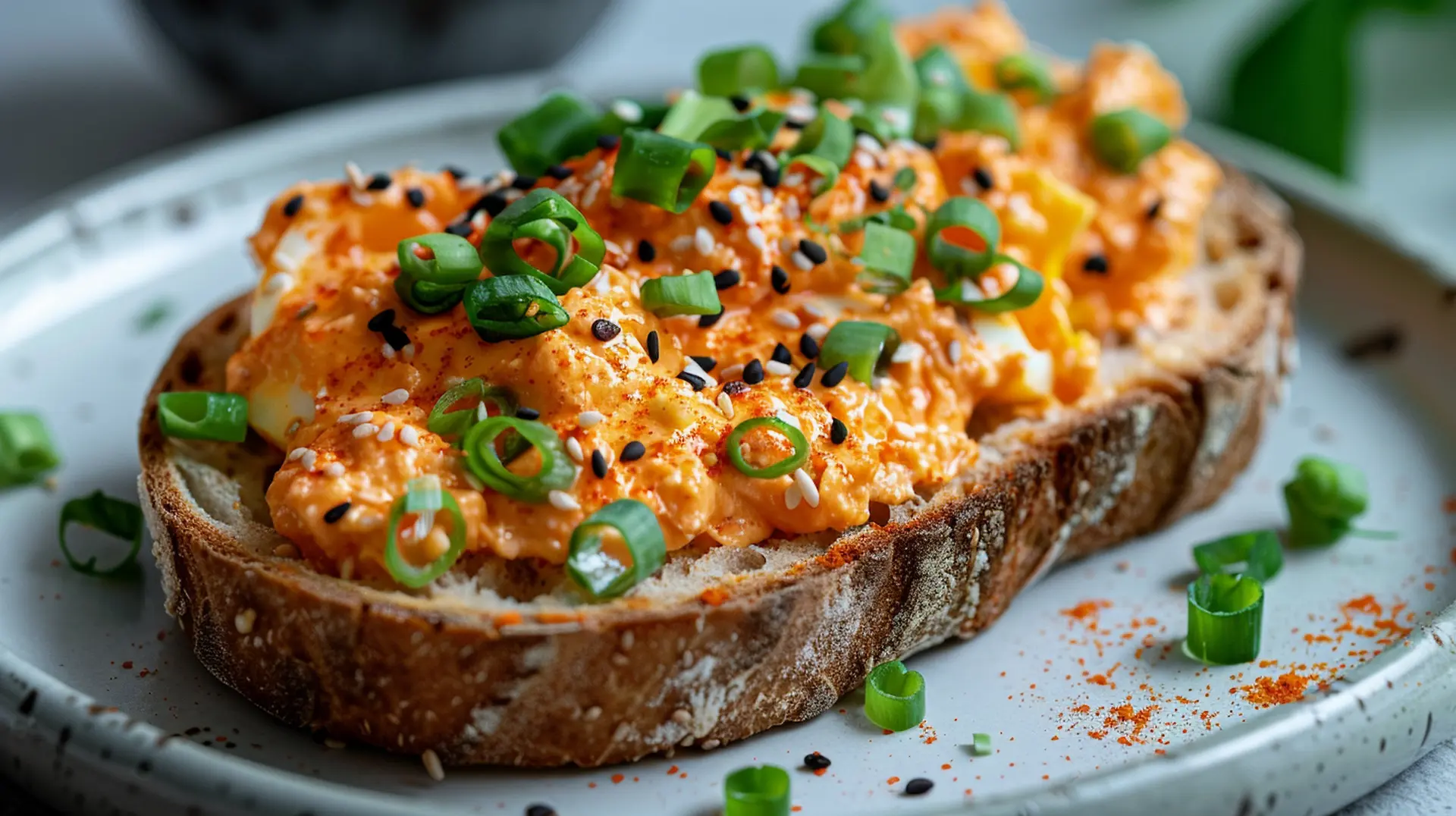
A few weeks ago, I stumbled across a TikTok video showing someone making spicy gochujang eggs on toast. The eggs looked creamy, the sauce was this gorgeous reddish-orange color, and the person eating them literally closed their eyes in satisfaction. I was skeptical I’ve seen plenty of viral food trends that look better than they taste. But I also had a jar of gochujang paste sitting in my fridge, just waiting for the right moment.
So I decided to test it myself. Not just once, but multiple times adjusting the spice level, trying it on different breads, testing it with rice, even experimenting with cottage cheese variations for extra protein. What I discovered surprised me: this isn’t just another viral recipe. It’s genuinely delicious, incredibly versatile, and easier than scrambled eggs.
In this guide, I’ll walk you through exactly how to make perfect gochujang eggs, share tips I learned from testing (including mistakes to avoid), and show you why this Korean-inspired breakfast deserves a permanent spot in your morning routine. Whether you’re making gochujang fried eggs, gochujang scrambled eggs, or the creamy egg salad version, I’ve got you covered.
What Makes Gochujang Eggs So Special?
Gochujang eggs have exploded in popularity thanks to chefs like Yotam Ottolenghi and food creators like Aaron and Claire who’ve championed Korean-inspired breakfast recipes. The combination of creamy eggs with spicy, fermented gochujang paste creates an umami bomb that’s both comforting and exciting.
Unlike regular egg salad that can feel heavy and one-note, gochujang eggs bring layers of flavor sweet, spicy, savory, and slightly tangy all at once. The Korean red pepper paste adds complexity that plain mayo simply can’t match. Plus, this recipe is incredibly flexible. Serve it on crusty sourdough for a quick breakfast, spoon it over steamed rice for lunch, or pack it for meal prep throughout the week.
I tested this recipe against similar versions from Ottolenghi’s cookbook and The Kitchn’s gochujang eggs tutorial, and what I’m sharing here is my perfected version balanced heat, perfect creaminess, and ready in just 15 minutes.
Does Gochujang Go With Eggs?
Absolutely, yes. Gochujang pairs beautifully with eggs because its sweet, spicy, and fermented flavors complement the rich, neutral taste of eggs perfectly. Korean cuisine has long combined gochujang with eggs in dishes like bibimbap (where a fried egg tops spicy rice) and gyeran-jjim (steamed egg custard with gochujang sauce).
The science behind why this works is simple: eggs contain fat and protein that mellow out gochujang’s heat while amplifying its umami depth. When you mix gochujang with mayo and sesame oil (like in this recipe), you create a creamy sauce that coats the eggs without overwhelming them. It’s the same principle that makes honey-based sauces work so well with savory proteins balance is everything.
Korean Cooking Tradition
According to the Korea Foundation, gochujang has been a staple in Korean kitchens for centuries, traditionally used to add depth and heat to everything from stews to marinades. Modern fusion recipes like gochujang scrambled eggs and gochujang garlic eggs are simply evolution of these traditional flavor pairings.
The 5 Essential Ingredients
You only need five core ingredients to make this Korean-style egg salad. It’s the perfect starting point if you’re new to Korean cooking, and just as satisfying if you’re already a gochujang enthusiast.
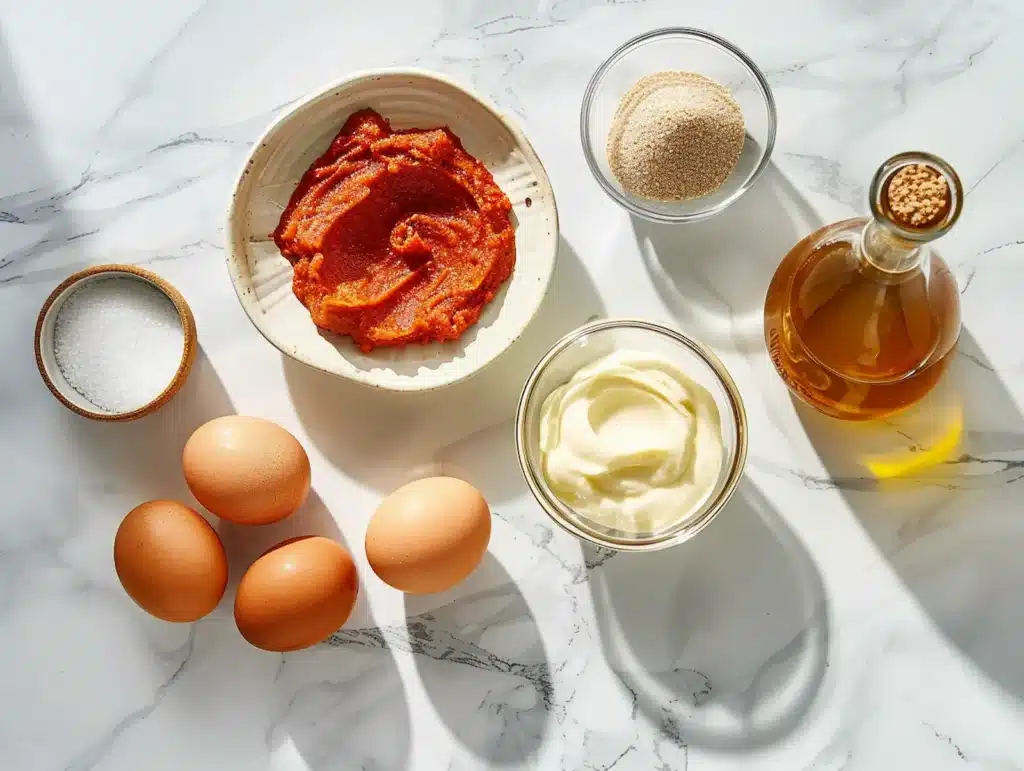
Large Eggs
I typically use 4 large pasture-raised eggs for two servings. The quality of your eggs matters here fresher eggs have firmer whites and richer yolks, which creates better texture in the final salad. If you’re cooking for one, simply halve the recipe.
Gochujang Paste
This is the star ingredient a spicy, fermented Korean red pepper paste that’s different from gochujang sauce or bibimbap sauce. Gochujang paste comes in different heat levels, so start with ½ tablespoon and adjust to your preference. I always add another ½ tablespoon because I love the kick, but you can keep it milder if you’re sensitive to spice.
If you can’t find gochujang paste at your local grocery store, check Asian markets or order online. In a pinch, try ginger-based hot sauces mixed with a touch of miso paste, though the flavor won’t be quite the same.
Mayonnaise
Regular mayo works perfectly, but you can also use Kewpie mayo (Japanese mayonnaise) for extra richness. The mayo creates creaminess and helps distribute the gochujang evenly throughout the eggs. For a lighter version, substitute half the mayo with Greek yogurt.
Toasted Sesame Oil
This adds a nutty, savory depth that’s essential to the Korean flavor profile. Don’t skip it the sesame oil bridges the gap between the spicy gochujang and creamy mayo. Just ½ teaspoon is enough; too much can overpower the dish.
Brown Sugar
A small pinch (¼ teaspoon) balances the heat and adds subtle sweetness. You can omit it if you prefer savory-only flavors, or substitute with honey or maple syrup. This technique is similar to how I use sweeteners in my Costa Rican tea recipes to round out bold flavors.
How to Make Gochujang Eggs (Step-by-Step)
Making perfect gochujang eggs is straightforward, but small details make a big difference in texture and flavor. Here’s my tested method.
Print
Spicy Gochujang Eggs: Perfect Korean-Inspired Breakfast Recipe 2026
- Total Time: 15 minutes
- Yield: 4 servings 1x
Description
This viral Korean breakfast hack makes creamy, spicy gochujang eggs in just 15 minutes with 5 simple ingredients. Perfect for toast, rice bowls, or sandwiches—meal prep friendly and absolutely addictive!
Ingredients
6 large eggs
3 tablespoons gochujang paste (Korean red pepper paste)
4 tablespoons mayonnaise (Japanese Kewpie mayo recommended)
1 tablespoon toasted sesame oil
1 teaspoon brown sugar or honey
2 tablespoons finely chopped green onions (for garnish)
1 tablespoon toasted sesame seeds (black or white)
Salt and black pepper to taste
Instructions
1. Boil the eggs: Place eggs in a pot and cover with cold water. Bring to a rolling boil over high heat, then remove from heat, cover, and let sit for 10-12 minutes. Transfer eggs to an ice bath for 5 minutes, then peel.
2. Make the gochujang mayo: In a medium mixing bowl, whisk together gochujang paste, mayonnaise, sesame oil, and brown sugar until smooth and well combined. Taste and adjust sweetness or spice level.
3. Mash the eggs: Roughly chop the peeled eggs and add them to a separate bowl. Use a fork to mash the eggs to your desired consistency (chunky or smooth).
4. Combine everything: Add the mashed eggs to the gochujang mayo mixture. Gently fold together until eggs are fully coated in the vibrant orange-red sauce. Season with salt and pepper to taste.
5. Garnish and serve: Transfer to a serving bowl or directly onto toast. Garnish with chopped green onions and toasted sesame seeds. Serve immediately or refrigerate for up to 3 days.
Notes
Storage: Keep gochujang eggs in an airtight container in the refrigerator for up to 3 days. Perfect for meal prep!
Spice Level: Adjust gochujang amount based on your heat preference. Start with 2 tablespoons if you prefer mild, or go up to 4 tablespoons for extra spicy.
Mayo Substitute: For a lighter version, use Greek yogurt or sour cream instead of mayo. The flavor will be tangier but still delicious.
Egg Texture: For creamier eggs, mash thoroughly. For a chunkier egg salad texture, mash lightly with a fork.
Serving Ideas: Serve on toasted sourdough, milk bread, rice bowls with kimchi, or as a sandwich filling with lettuce and cucumber.
Vegan Option: Use plant-based mayo and vegan egg alternatives (like JUST Egg) for a plant-based version.
- Prep Time: 5 minutes
- Cook Time: 10 minutes
- Category: Breakfast, Brunch, Lunch
- Method: Boiling, Mixing
- Cuisine: Korean, Korean-Fusion, Asian-Inspired
Nutrition
- Serving Size: 1/4 of recipe (about 1.5 eggs worth)
- Calories: 245
- Sugar: 3g
- Sodium: 420mg
- Fat: 21g
- Saturated Fat: 4g
- Unsaturated Fat: 15g
- Trans Fat: 0g
- Carbohydrates: 5g
- Fiber: 1g
- Protein: 11g
- Cholesterol: 280mg
Keywords: gochujang eggs, Korean eggs, spicy egg salad, Korean breakfast, gochujang egg recipe, Korean egg toast, viral eggs recipe, egg salad Korean style
Step 1: Boil the Eggs Perfectly
Bring a pot of water to a rolling boil over high heat. Using a slotted spoon, carefully lower 4 large eggs into the boiling water. Set a timer for exactly 7½ minutes if you want creamy, jammy yolks (my preference), or 9 minutes for fully hard-boiled eggs.
While the eggs cook, prepare an ice bath by filling a large bowl with cold water and ice cubes. When the timer goes off, immediately transfer the eggs to the ice bath using your slotted spoon. Let them sit for at least 5 minutes this stops the cooking process and makes peeling much easier.
Pro tip: Older eggs (about a week old) peel more easily than super-fresh eggs because the pH changes slightly, making the membrane separate from the shell better.
Step 2: Make the Gochujang Mayo
While the eggs cool, grab a small bowl and mix together:
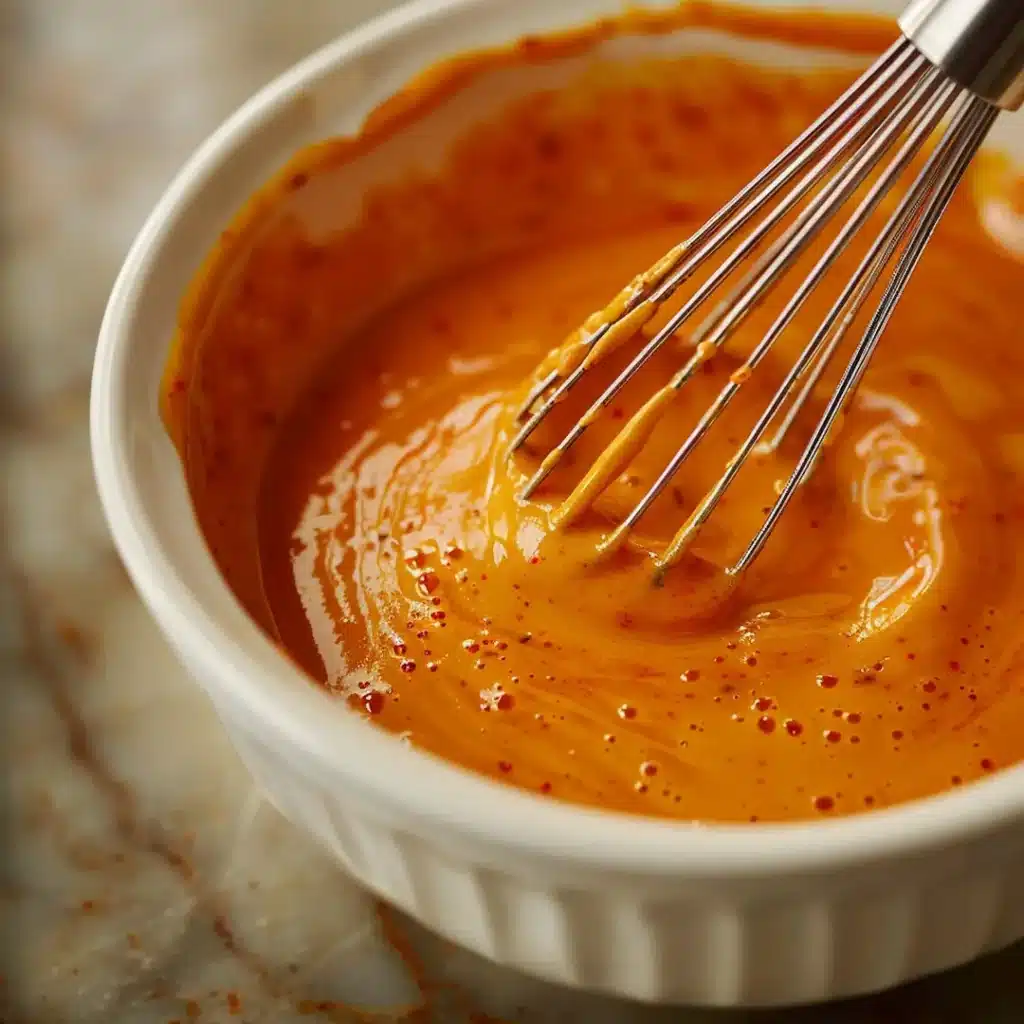
• 2 tablespoons mayonnaise
• ½ tablespoon gochujang paste (add more later if you want extra heat)
• ½ teaspoon toasted sesame oil
• ¼ teaspoon brown sugar (optional)
• Pinch of salt
Whisk everything together until completely smooth and the bright red gochujang is evenly distributed throughout the mayo. Taste it this is your chance to adjust. Want it spicier? Add another ½ tablespoon of gochujang. Want it richer? Add a bit more sesame oil. The beauty of this recipe is how easily you can customize it to your preferences.
This gochujang mayo is incredibly versatile I make big batches and use it on sandwiches, as a dip for vegetables, and drizzled over burger bowls.
Step 3: Mash the Eggs
Once your eggs are cool, peel them under running water (this helps remove any stubborn shell pieces). Place the peeled eggs in a medium bowl and use a fork to mash them. I like a chunky texture with some larger pieces of egg white visible, but if you prefer smoother egg salad, mash more thoroughly.
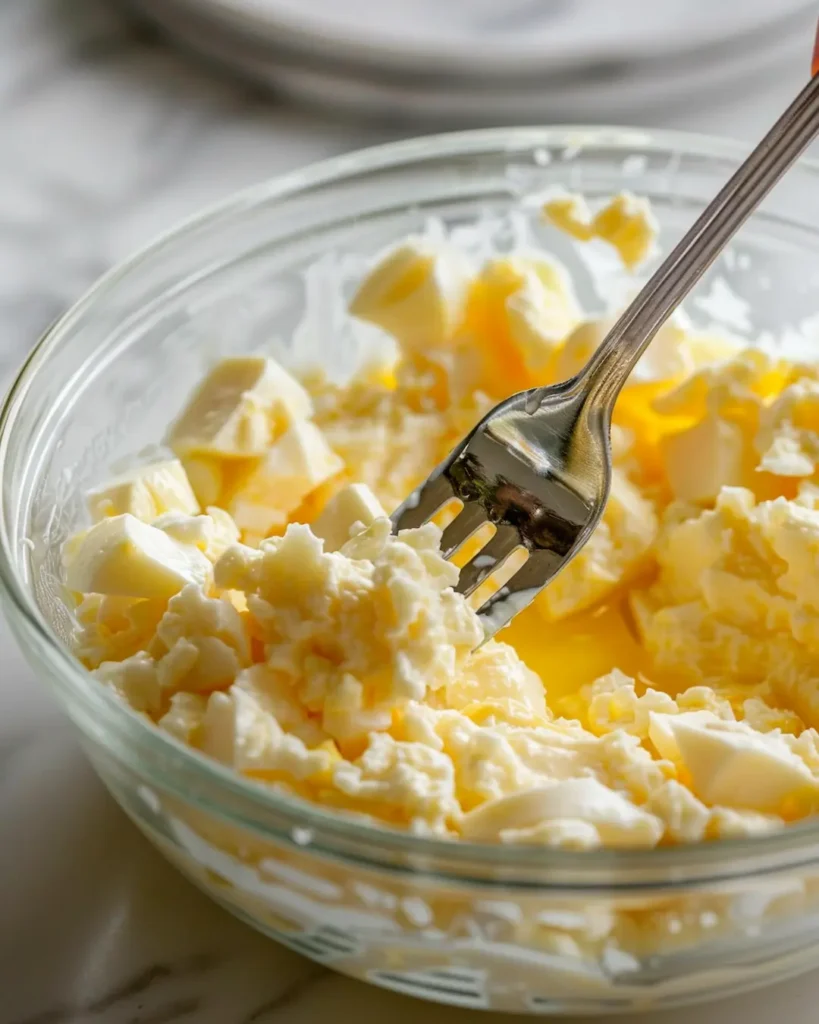
The key here is to mash gently you’re not making deviled egg filling. Those visible chunks of egg white create textural contrast against the creamy sauce.
Step 4: Combine and Season
Pour your gochujang mayo over the mashed eggs and fold everything together with a spoon or spatula. Make sure every piece of egg gets coated in that gorgeous spicy sauce. Season with salt and freshly ground black pepper to taste I usually add about ¼ teaspoon of salt, but start with less and adjust.
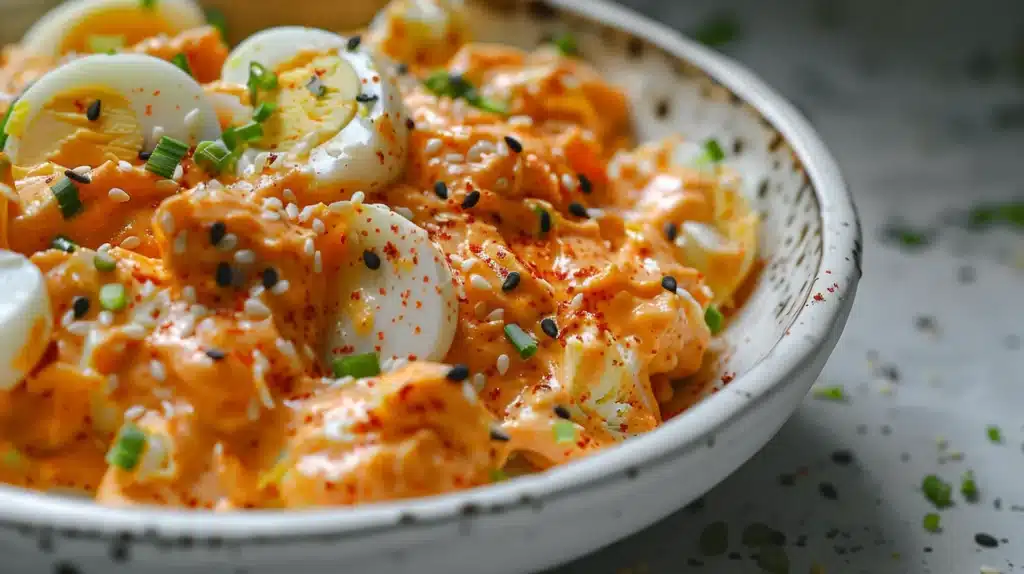
At this point, your gochujang egg salad is ready to eat. You can serve it immediately or refrigerate it in an airtight container for up to 3 days (perfect for meal prep).
How to Make Gochujang Fried Eggs
If you prefer fried eggs over egg salad, here’s my method for crispy-edged gochujang fried eggs that are perfect over rice or noodles.
Heat 1 tablespoon of neutral oil (vegetable or avocado oil) in a non-stick skillet over medium-high heat. Crack 2 eggs into the pan and let them cook undisturbed for 2-3 minutes until the edges are crispy and golden brown but the yolks are still runny.
While the eggs cook, mix ½ tablespoon gochujang paste with 1 teaspoon soy sauce, ½ teaspoon sesame oil, and ½ teaspoon honey in a small bowl. When the eggs are done, transfer them to a plate and drizzle the gochujang sauce over the top. Finish with toasted sesame seeds and sliced green onions.
This method works brilliantly for gochujang eggs and rice bowls just pile steamed white rice in a bowl, top with your fried eggs and sauce, and add kimchi on the side. It’s the kind of quick, satisfying meal I turn to when I’m too tired to cook something elaborate but still want big flavors.
Gochujang Scrambled Eggs Variation
I tested adding gochujang paste directly to scrambled eggs, and honestly, it wasn’t my favorite. The paste tends to clump and doesn’t distribute evenly during scrambling. However, drizzling gochujang mayo OVER scrambled eggs is absolutely delicious.
Here’s what works: scramble 4 eggs with a splash of milk as you normally would. Cook them low and slow for ultra-creamy curds. Once plated, drizzle 1-2 tablespoons of gochujang mayo on top and sprinkle with chives. The contrast between the mild scrambled eggs and spicy sauce is perfection.
For an umami-boosted version, try adding miso paste to your scrambled eggs before cooking, then topping with gochujang mayo. It’s similar to the flavor layering I use in chia seed water recipes where multiple ingredients work together for complex taste.
What Does Gochujang Pair Well With?
Gochujang is incredibly versatile and pairs well with dozens of ingredients. Beyond eggs, here are my favorite combinations:
Proteins: Grilled chicken, pork belly, tofu, salmon, shrimp, and beef all benefit from gochujang marinades or sauces. The fermented flavor adds depth that makes even simple proteins taste restaurant-quality.
Vegetables: Roasted Brussels sprouts, broccoli, cauliflower, green beans, and mushrooms become addictive when tossed with gochujang butter or glaze. The spice cuts through the earthiness of vegetables beautifully.
Starches: Rice (obviously), noodles, potatoes, and even cottage cheese bagels pair wonderfully with gochujang. The paste adds moisture and flavor to otherwise plain carbs.
Dairy: Cream cheese, sour cream, yogurt, and mayo all work as bases for gochujang sauces. The dairy mellows the heat while amplifying umami notes.
According to Maangchi, the Korean cooking expert, gochujang traditionally pairs with fermented vegetables like kimchi, pickled radish, and seasoned bean sprouts. These combinations create layers of fermented, funky flavors that are the hallmark of Korean cuisine.
Serving Suggestions: Beyond Toast
While gochujang eggs on sourdough toast is classic, here are other ways I love to serve this recipe.
Gochujang Eggs and Rice
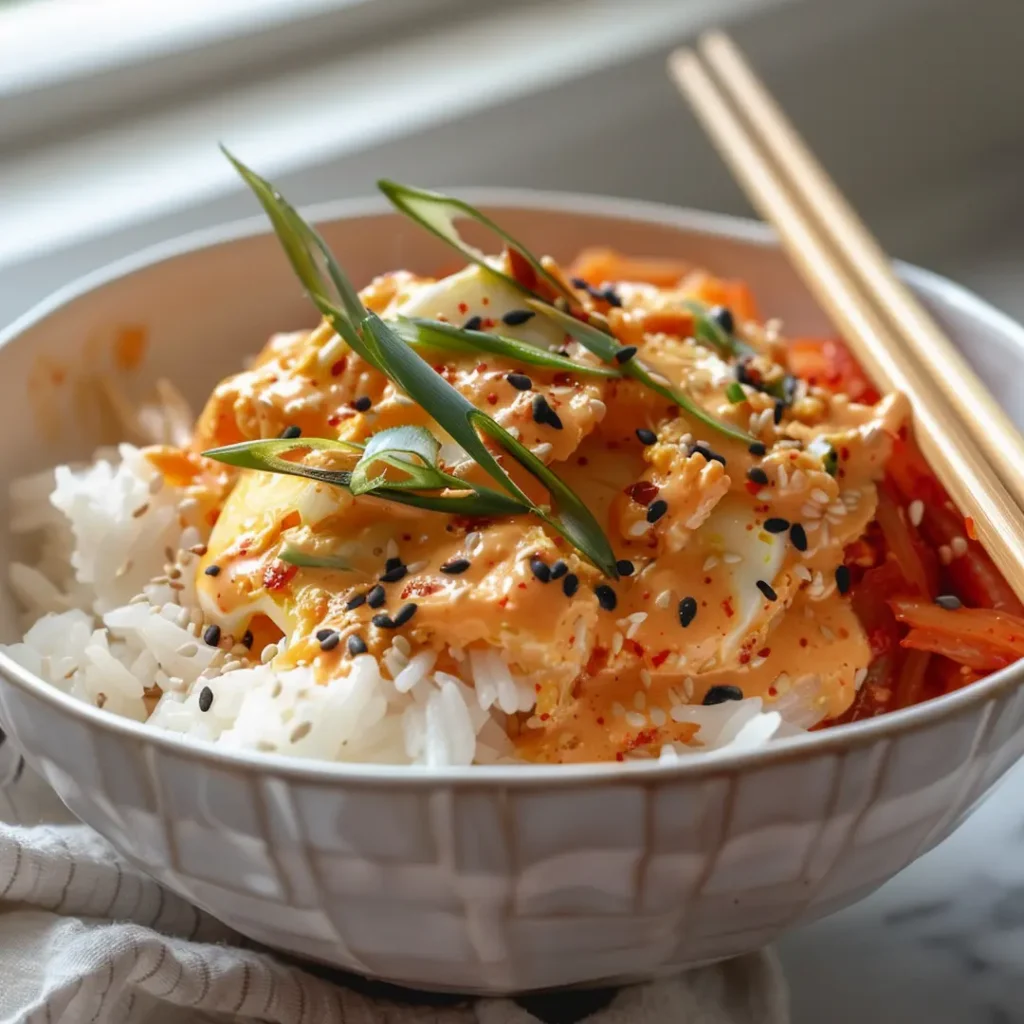
This is my go-to quick dinner. Pile warm steamed white rice in a bowl, top with a generous scoop of gochujang egg salad, add chopped kimchi on the side, and sprinkle with toasted sesame seeds and thinly sliced green onions. Sometimes I add a fried egg on top for extra richness yes, eggs on eggs is delicious.
Egg Salad Sandwich
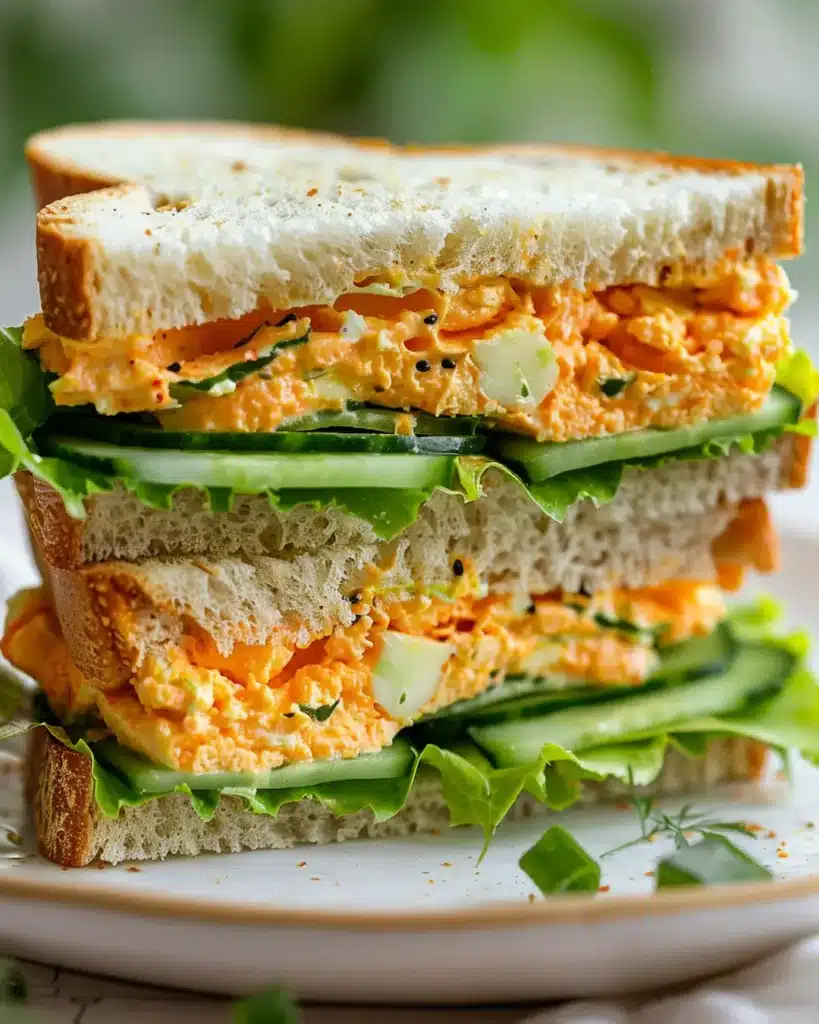
Spread gochujang egg salad between two slices of soft milk bread or brioche for the ultimate spicy egg sandwich. Add crispy lettuce, sliced cucumber, and extra kimchi if you want textural contrast. This is the sandwich I pack for lunch at least once a week.
With Asian-Inspired Sides
Serve gochujang eggs as part of a Korean banchan (small dishes) spread alongside sesame broccoli, green onion salad, and soy sauce braised potatoes. It’s the kind of meal that feels special but comes together in under 30 minutes.
As an Appetizer
Spoon small portions of gochujang egg salad onto crackers or cucumber rounds for an easy appetizer. Top each one with a thin slice of fresh red chili if you want extra heat and visual appeal. I served these at a dinner party last month and they disappeared in minutes.
Breakfast Bowl
Create a protein-packed breakfast bowl by combining gochujang eggs with cottage cheese, sliced avocado, cherry tomatoes, and everything bagel seasoning. It’s similar to the balanced approach I use in weight loss meal plans high protein, healthy fats, and tons of flavor.
Storage and Meal Prep Tips
One of the best things about gochujang egg salad is how well it holds up in the fridge. Make a double or triple batch on Sunday and you’ve got quick breakfasts or lunches sorted for days.
Store the egg salad in an airtight container in the refrigerator for up to 3 days. The flavors actually deepen overnight as the gochujang has time to permeate the eggs. Don’t freeze it the texture of the eggs breaks down and becomes watery when thawed.
If you’re meal prepping, I recommend storing the egg salad separately from your toast, rice, or other serving bases. Assemble just before eating to keep everything at optimal texture. Pack kimchi, sesame seeds, and chives in small separate containers so your toppings stay fresh and crunchy.
Pro tip: Make a big batch of gochujang mayo and store it separately. It keeps for up to a week in the fridge and you can use it on everything sandwiches, roasted vegetables, grain bowls, you name it.
Is Gochujang Healthy?
Gochujang can be part of a healthy diet, but like any condiment, moderation matters. Traditional gochujang paste is made from fermented soybeans, Korean red chili peppers (gochugaru), glutinous rice, and salt. The fermentation process creates beneficial probiotics similar to those in kimchi, yogurt, and miso.
Here’s what you should know about gochujang’s nutritional profile:
The Good: Gochujang contains capsaicin from red peppers, which has been shown to boost metabolism and reduce inflammation. The fermented soybeans provide protein and probiotics that support gut health. It’s also relatively low in calories about 30-35 calories per tablespoon.
The Considerations: Gochujang does contain added sugar and can be high in sodium (around 200-300mg per tablespoon depending on the brand). If you’re watching sugar or salt intake, look for low-sodium versions or simply use less in your recipes.
Compared to other condiments, gochujang is more nutrient-dense than ketchup or BBQ sauce, but higher in sodium than plain hot sauce. In the context of this recipe, where you’re using ½-1 tablespoon mixed with protein-rich eggs and healthy fats from sesame oil, it’s absolutely part of a balanced breakfast.
If you’re focused on weight management, gochujang eggs can support your goals eggs are incredibly satiating, and the spice from gochujang may slightly increase calorie burn. Just pair them with whole grain toast or add vegetables to boost fiber. This is the same principle I follow in recipes like gelatin-based weight loss drinks nutrient density matters more than restriction.
Recipe Variations to Try
Once you’ve mastered the basic gochujang egg salad, here are variations I’ve tested and loved.
Gochujang Eggs in Purgatory
This is a Korean twist on the classic Italian eggs in purgatory. In a skillet, sauté diced onions and garlic in olive oil. Add crushed tomatoes, 1-2 tablespoons gochujang paste, a splash of soy sauce, and a pinch of sugar. Simmer for 10 minutes, then crack eggs directly into the sauce. Cover and cook until the whites are set but yolks are still runny. Serve with crusty bread for dipping.
Gochujang Garlic Eggs
Add minced garlic to your gochujang mayo mixture about 1 clove, finely grated or pressed. The garlic adds pungency that complements the fermented flavors of gochujang beautifully. This version is especially good served over rice with stir-fried vegetables.
Marinated Eggs (Mayak Gyeran)
For a Korean-style marinated egg version, make soft-boiled eggs (6 minutes), peel them, and marinate in a mixture of soy sauce, water, gochujang, minced garlic, sliced green onions, and sesame seeds. Refrigerate for at least 4 hours or overnight. The eggs absorb the flavors and become incredibly savory and addictive mayak gyeran literally means “drug eggs” because they’re so good you can’t stop eating them.
Aaron and Claire’s Method
Food creators Aaron and Claire popularized a version where they add gochujang directly to the egg yolks before mashing, creating a more dramatic red-orange color. They also fold in finely diced kimchi for extra crunch and funk. Try adding 2 tablespoons finely chopped kimchi to your egg salad it adds moisture and tang that’s delicious.
Ottolenghi-Style Presentation
Yotam Ottolenghi’s approach to gochujang eggs emphasizes beautiful presentation. He serves the egg salad on thick-cut sourdough, topped with thinly sliced radishes, microgreens, and a drizzle of extra sesame oil. The fresh, crunchy vegetables contrast beautifully with the creamy, spicy eggs. Check out more inspiration at Ottolenghi’s official site.
Common Mistakes to Avoid
After making this recipe dozens of times and having friends test it too, here are the mistakes I see most often.
Using Gochujang Sauce Instead of Paste
Gochujang paste and gochujang sauce are not the same thing. The paste is thick, concentrated, and fermented it’s the traditional Korean condiment. Gochujang sauce (sometimes labeled as bibimbap sauce) is already thinned out with vinegar, sesame oil, and sometimes sugar. If you use the sauce, your egg salad will be runny and the flavor won’t be as intense. Always look for “gochujang paste” or just “gochujang” on the label.
Overcooking the Eggs
Eggs that are cooked beyond 10 minutes develop a gray-green ring around the yolk and become chalky. For the best texture, aim for 7½ to 9 minutes depending on your preference. The ice bath is crucial it stops the carryover cooking that happens even after you remove eggs from hot water.
Skipping the Sesame Oil
I get it sometimes you want to simplify. But sesame oil is non-negotiable in this recipe. It adds the nutty, toasted flavor that makes these eggs taste authentically Korean. Without it, you’re just making spicy mayo eggs, which are fine but not special. Just ½ teaspoon makes all the difference.
Not Adjusting for Your Gochujang’s Heat Level
Different brands of gochujang have vastly different spice levels. Korean brands like Mother-in-Law’s or Chung Jung One tend to be spicier than mass-market American brands. Always start with less gochujang than the recipe calls for, taste your mayo mixture, and add more gradually. You can always add heat, but you can’t take it away.
Serving on Cold Toast
This seems minor, but it matters. Toast your bread right before serving so it’s still warm and crispy. Cold toast gets soggy quickly when topped with egg salad. If you’re meal prepping, store the toast separately and assemble just before eating.
Pairing Ideas: Complete Meal Combinations
Here’s how I build complete meals around gochujang eggs.
Quick Weekday Breakfast
Gochujang eggs on sourdough toast, chia seed water for hydration, and sliced oranges for vitamin C. Ready in 15 minutes, keeps you full for hours.
Korean-Inspired Lunch
Gochujang egg rice bowl topped with kimchi, roasted vegetables, and a drizzle of extra gochujang mayo. Serve with ginger tea on the side. It’s the kind of lunch that feels restaurant-quality but costs a fraction of the price.
Light Dinner
Gochujang egg salad served with steamed edamame, seaweed salad, and miso soup. Add tteokbokki (Korean rice cakes) if you want something more substantial.
Meal Prep Breakfast
Make a batch of gochujang eggs on Sunday, portion into containers with rice and kimchi, and grab one each morning. Microwave for 60 seconds and breakfast is ready. This approach is similar to how I meal prep for weight loss-focused recipes consistent, nutritious, and convenient.
Frequently Asked Questions
Can I make gochujang eggs vegan?
Yes! Substitute the eggs with firm tofu crumble 14 oz of pressed tofu and mix with the gochujang mayo. For the mayo, use vegan mayo. The texture will be slightly different but the flavors work beautifully. You can also try using chickpeas mashed with the gochujang sauce for a protein-packed vegan alternative.
How spicy are gochujang eggs?
It depends on how much gochujang you use and which brand. Start with ½ tablespoon for mild heat that most people find pleasant, not overwhelming. If you’re spice-sensitive, start with even less (¼ tablespoon) and work your way up. The mayo and sesame oil help mellow the heat significantly.
Can I use another type of Korean chili?
Gochugaru (Korean chili flakes) won’t work as a substitute because it’s just the pepper without the fermented bean paste base. You could try mixing Sriracha with a bit of miso paste and sugar in a pinch, but it won’t taste the same. Gochujang’s fermented complexity is unique.
Is this recipe keto-friendly?
Almost. Traditional gochujang contains rice and sugar, adding about 5-7g of carbs per tablespoon. If you’re on strict keto, look for sugar-free gochujang brands or substitute with Sriracha mixed with a pinch of erythritol and fermented soybean paste. The eggs, mayo, and sesame oil are all keto-compliant.
How long do gochujang eggs last?
The egg salad keeps for 3 days refrigerated in an airtight container. The flavors actually improve after a day as the gochujang has time to infuse the eggs. Don’t leave at room temperature for more than 2 hours due to food safety concerns with mayo-based dishes.
Can I use this for deviled eggs?
Absolutely! Hard boil eggs for 10 minutes, peel them, cut in half, and scoop out the yolks. Mix the yolks with the gochujang mayo mixture, then pipe or spoon back into the egg white halves. Top with sesame seeds and sliced green onions. These Korean-style deviled eggs are always a hit at parties.
Why This Recipe Works
The genius of gochujang eggs lies in how the ingredients balance each other. The eggs provide protein and richness. The gochujang adds spice, umami, and fermented depth. The mayo creates creaminess and helps distribute flavors evenly. The sesame oil contributes nuttiness and authentic Korean taste. And the tiny bit of sugar rounds out the heat.
It’s not a secret ingredient situation it’s about choosing the right components and combining them in the right proportions. This is the same philosophy I apply to all my recipes, from gelatin-based wellness drinks to natural weight loss recipes. Simple ingredients, proper technique, balanced flavors.
The other reason this works is versatility. Whether you make gochujang fried eggs, gochujang scrambled eggs, or this egg salad version, you’re working with a foolproof flavor combination that adapts to different cooking methods and serving styles. It’s forgiving for beginners but interesting enough for experienced cooks.
The Bottom Line
Gochujang eggs have earned their viral status. They’re genuinely delicious, incredibly easy to make, and versatile enough to eat for breakfast, lunch, or dinner. The combination of creamy eggs and spicy-sweet gochujang creates a flavor profile that’s both comforting and exciting familiar enough to love immediately, different enough to keep things interesting.
I’ve been making these eggs at least twice a week since I first tested the recipe, and I’m not tired of them yet. I’ve served them to friends who’d never tried Korean food before, and they always ask for the recipe. That’s the mark of a keeper.
Whether you follow the classic egg salad method, try gochujang fried eggs, or experiment with the marinated egg version, you’re getting a high-protein, flavorful meal that comes together in 15 minutes. No fancy equipment needed, no complicated techniques just smart ingredient pairing and proper execution.
Start with the basic recipe I’ve outlined here, then make it your own. Add more heat if you love spice. Fold in chopped vegetables for extra nutrition. Serve it on homemade bagels or alongside pink salt-cured vegetables. The foundation is solid; the possibilities are endless.
From my kitchen to yours give these gochujang eggs a try this week. I promise they’ll become a regular in your breakfast rotation. And when your friends ask what your secret is, just smile and tell them about that jar of Korean red pepper paste that’s about to change their mornings forever.
For more Korean-inspired recipes and easy breakfast ideas, check out my complete collection of quick flavor-packed meals. And if you make this recipe, I’d love to see how it turns out tag me on social media or leave a comment below.