
Horse gelatin vs beef gelatin is a comparison that comes up often in wellness circles, but most people asking the question do not realize how different these two products actually are in sourcing, availability, and composition. Beef gelatin is a mainstream, well-tested ingredient, while horse gelatin is a niche product that is rarely used in real commercial supply chains.
Chef Lily Jason here from fastflavorbites.com, and I get asked about horse gelatin vs beef gelatin often because viral wellness trends throw the word “gelatin” around loosely without explaining where it actually comes from. Gelatin, regardless of animal source, is made from collagen broken down through heat and processing. The differences between sources are real, but they are smaller than online trends often suggest.
This guide breaks down the real horse gelatin vs beef gelatin comparison, covering sourcing, amino acid makeup, gel strength, and which one actually makes sense for home use. According to the USDA Food Safety and Inspection Service, all animal-derived food ingredients, including gelatin, are subject to inspection and labeling standards that help consumers know exactly what they are buying. You can review those standards directly on the USDA Food Safety and Inspection Service website.
What Is Gelatin, Regardless of Source?
Gelatin is a protein created by breaking down collagen found in animal skin, bones, and connective tissue. It has no flavor on its own and is prized in cooking for its ability to set liquids into a gel. Almost all commercial gelatin comes from bovine, porcine, or fish sources, since those animals are processed at scale for food production.
Regardless of animal source, gelatin is mostly made of the amino acids glycine, proline, and hydroxyproline. A peer-reviewed comparative study published by the National Institutes of Health confirms that these three amino acids are responsible for gelatin’s gel-forming ability across different animal sources. You can read that full study on the National Institutes of Health research database.
Where Beef Gelatin Comes From
Beef gelatin, also called bovine gelatin, is extracted from cow hides and bones. In the ongoing horse gelatin vs beef gelatin conversation, beef gelatin is by far the more established option because of its strong gel strength, low cost, and wide availability.
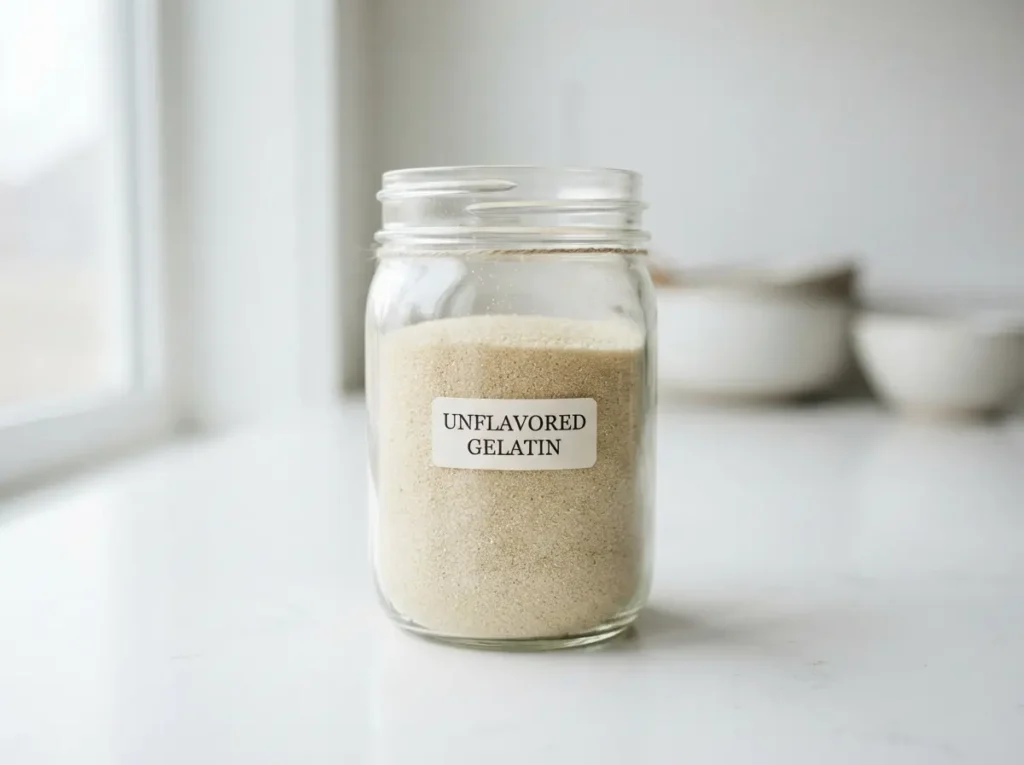
Bovine gelatin is used in gummy candy, marshmallows, dairy desserts, and most powdered gelatin products sold in grocery stores. If you have used unflavored gelatin at home, it was almost certainly beef gelatin unless the label specified otherwise. For a deeper look at how this ingredient is used in daily routines, see this guide on beef gelatin benefits.
Where Horse Gelatin Comes From
Horse gelatin is a far less common product made from horse hide and connective tissue. It is not a mainstream commercial ingredient in most Western grocery markets, and most large-scale gelatin manufacturers focus on beef, pork, and fish sources instead.
Some wellness content online refers to a horse gelatin trend, but in practice, most of those routines use standard bovine gelatin rather than an actual horse-derived product, since horse gelatin is difficult to source commercially. If you want a breakdown of that specific trend and its ingredient reality, see this horse gelatin overview.
Nutritional Differences Between the Two
Both sides of the horse gelatin vs beef gelatin comparison share a similar amino acid backbone, since they come from the same basic biological structure, collagen. The differences that do exist mostly involve slightly different ratios of glycine, proline, and hydroxyproline depending on the animal and the tissue used.
In practical terms, these differences are small enough that they rarely change how gelatin performs in a kitchen or how it behaves nutritionally in a normal diet. The bigger differences between gelatin types usually come from processing method and gel strength, called Bloom strength, not the specific animal source. The Food and Drug Administration outlines general labeling and safety expectations for animal-derived food ingredients on its official FDA food safety page.
Gel Strength and Texture Comparison
| Factor | Beef gelatin | Horse gelatin |
|---|---|---|
| Availability | Widely available commercially | Rare, limited commercial supply |
| Gel strength | High, consistent Bloom rating | Variable, less standardized |
| Typical use | Food production, desserts, wellness routines | Niche or specialty use only |
| Amino acid base | Glycine, proline, hydroxyproline | Similar amino acid base, slightly different ratios |
| Cost | Lower cost due to scale | Higher cost due to limited supply |
Which One Should You Actually Use?
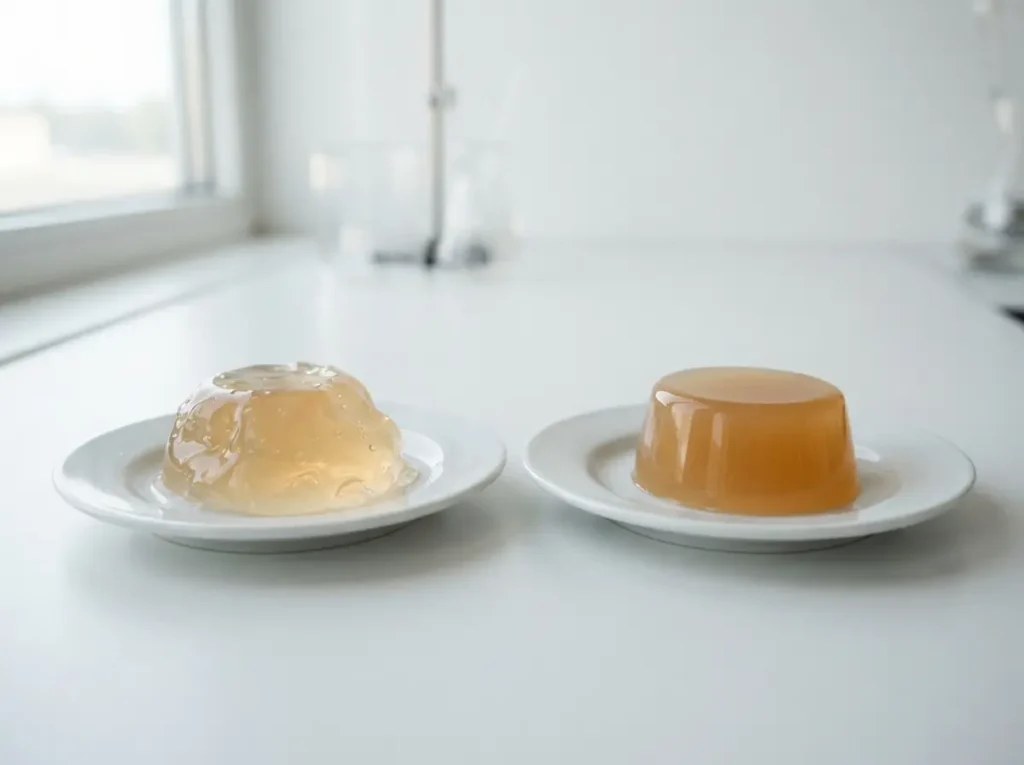
For nearly all home cooking and wellness routines, beef gelatin wins the horse gelatin vs beef gelatin debate simply because of practicality. It is affordable, easy to find, and performs consistently in recipes that rely on a firm set, such as gummies, panna cotta, or homemade jello-style drinks.
Horse gelatin is not something most people will find on a regular grocery shelf, and most online routines that use the name are, in practice, using standard bovine or unspecified gelatin instead. If you are trying to build a simple gelatin habit at home, the ingredient that matters most is unflavored gelatin with a reliable source, not a specific animal type. A good starting point is this gelatin routine guide for a realistic, ingredient-based approach.
If you want to bloom gelatin properly before using it in any recipe, this blooming gelatin guide explains the correct technique so your texture turns out smooth every time.
Dietary and Sourcing Considerations
Because gelatin comes from animal collagen, it is not suitable for vegans or vegetarians regardless of the animal source. If dietary restrictions matter to you, fish gelatin is often used as a halal or kosher-friendly alternative in commercial products.
When buying gelatin, check the packaging for the specific animal source, since many products only say “gelatin” without clarifying whether it is bovine, porcine, or fish-derived. That label detail matters more for dietary compliance than for nutritional differences.
Frequently Asked Questions
Is horse gelatin actually used in most products labeled as such?
Rarely. Most commercial and wellness products that reference horse gelatin online are, in practice, using standard bovine gelatin because true horse-derived gelatin is not widely manufactured at scale.
Is beef gelatin better than horse gelatin?
In the horse gelatin vs beef gelatin comparison, beef gelatin is more practical for most people because it is widely available, affordable, and performs consistently in recipes.
What is gelatin made of?
Gelatin is made from collagen extracted from animal skin, bones, and connective tissue. The main components are the amino acids glycine, proline, and hydroxyproline.
Can vegetarians eat any type of gelatin?
No. All gelatin, including beef, horse, pork, and fish gelatin, comes from animal collagen, so it is not suitable for vegetarians or vegans.
Does the animal source change how gelatin sets in recipes?
The bigger factor is Bloom strength and processing quality, not the specific animal source. Two gelatins from different animals can behave similarly if they have comparable Bloom ratings.

Conclusion
The horse gelatin vs beef gelatin comparison ultimately comes down to practicality. Beef gelatin remains the far more available, tested, and reliable option for everyday use, while horse gelatin exists mostly as a niche or misunderstood product online rather than a common kitchen ingredient.
If your goal is a reliable gelatin routine or recipe, focus on ingredient quality and proper preparation rather than chasing a specific animal source. Start with this beef gelatin benefits guide or learn the correct technique with this blooming gelatin guide before building gelatin into your routine.
Chef Lily Jason is the recipe developer behind fastflavorbites.com, where she breaks down trending food and wellness topics using practical, ingredient-first explanations rather than hype.
Disclaimer
This article is for informational and educational purposes only and does not constitute medical, nutritional, or professional dietary advice. The comparison between horse gelatin vs beef gelatin is based on publicly available research and general food science and is not intended to diagnose, treat, cure, or prevent any medical condition.
Always check ingredient labels carefully, since gelatin sourcing can vary between manufacturers. Individuals with dietary restrictions, allergies, religious dietary requirements, or existing health conditions should consult a qualified healthcare provider or registered dietitian before adding gelatin, collagen, or any new supplement to their routine.
Fastflavorbites.com does not manufacture, sell, or endorse any specific gelatin brand or product mentioned in this article. Any third-party links are provided for reference only and do not imply endorsement.