
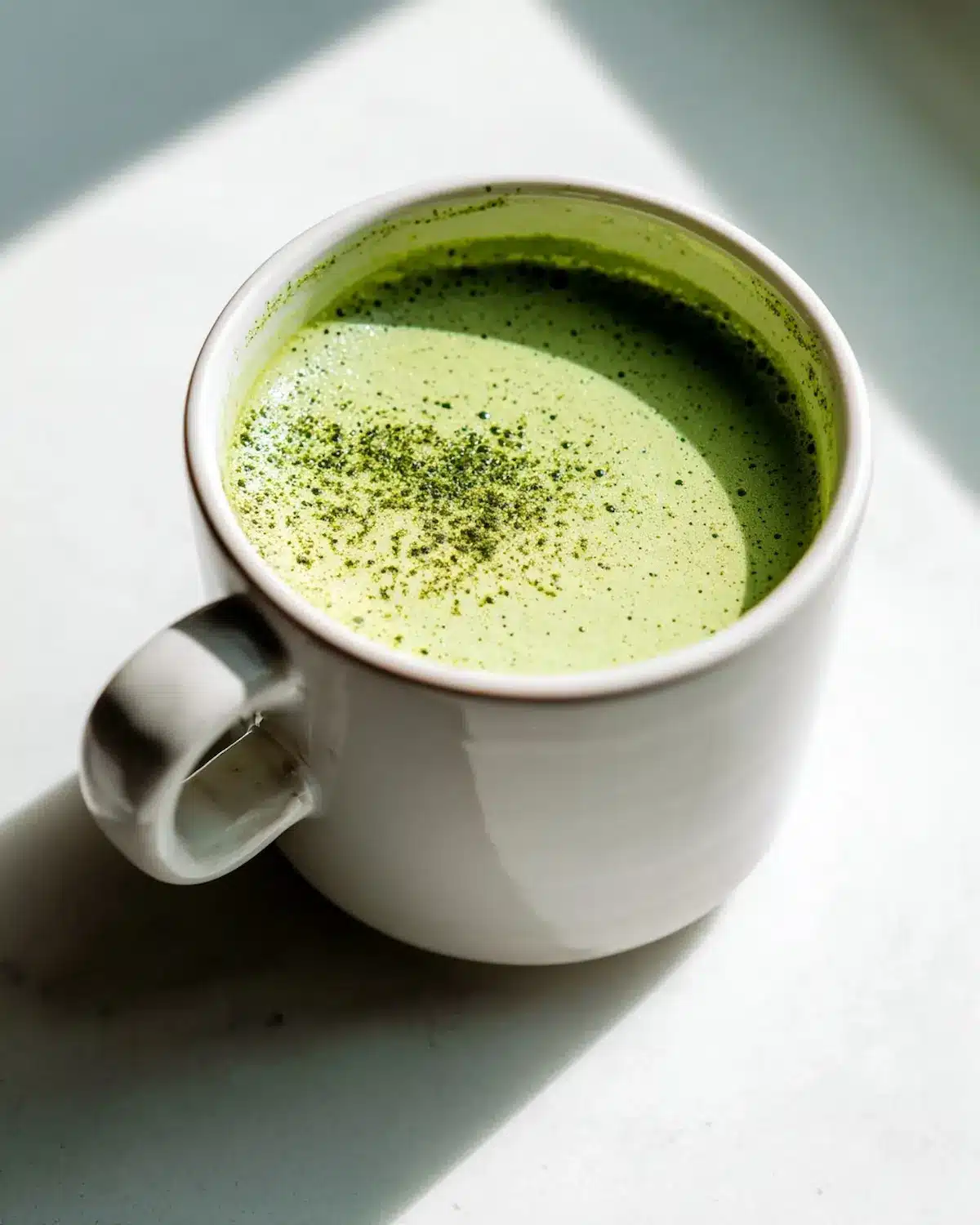
I used to reach for a second coffee every afternoon and still feel wired but oddly tired, with my focus dipping just when I needed it most. One day a friend handed me a small bowl of bright green matcha and said, “Try this instead.” I expected another jittery buzz. Instead, the lift was calm, clean, and somehow clearer.
That sent me down the rabbit hole of Japanese green tea EGCG and why this one compound shows up in so many studies on heart health, metabolism, and brain function. Now, when I whisk that deep emerald powder and see the tiny bubbles form on top, I know I am not just making a cozy drink, I am brewing one of the most researched antioxidants in the tea world. Japanese green tea EGCG has become the quiet backbone of my daily ritual.
What You Will Learn
- How Japanese green tea EGCG actually works in your body, in simple language.
- The key health benefits backed by human and population studies, not just hype.
- Practical daily EGCG ranges from tea versus supplements for real life use.
- Exactly how to brew a simple Japanese green tea EGCG latte you can repeat every day.
- The biggest mistakes that make your tea bitter, weak, or unnecessarily risky.
What Is Japanese Green Tea EGCG
Japanese green tea EGCG is short for epigallocatechin gallate, the star catechin antioxidant found in high amounts in matcha and sencha made from Camellia sinensis leaves. Catechins are a family of polyphenols that give green tea its gentle bitterness and astringency, but EGCG is the most abundant and most studied member of that family.
In Japanese green tea, EGCG can make up roughly half of all catechins and a noticeable share of the dried leaf by weight. Because matcha is stone ground whole leaf powder that you drink entirely, you take in more EGCG per cup compared with standard brewed sencha where many catechins stay behind in the leaves.
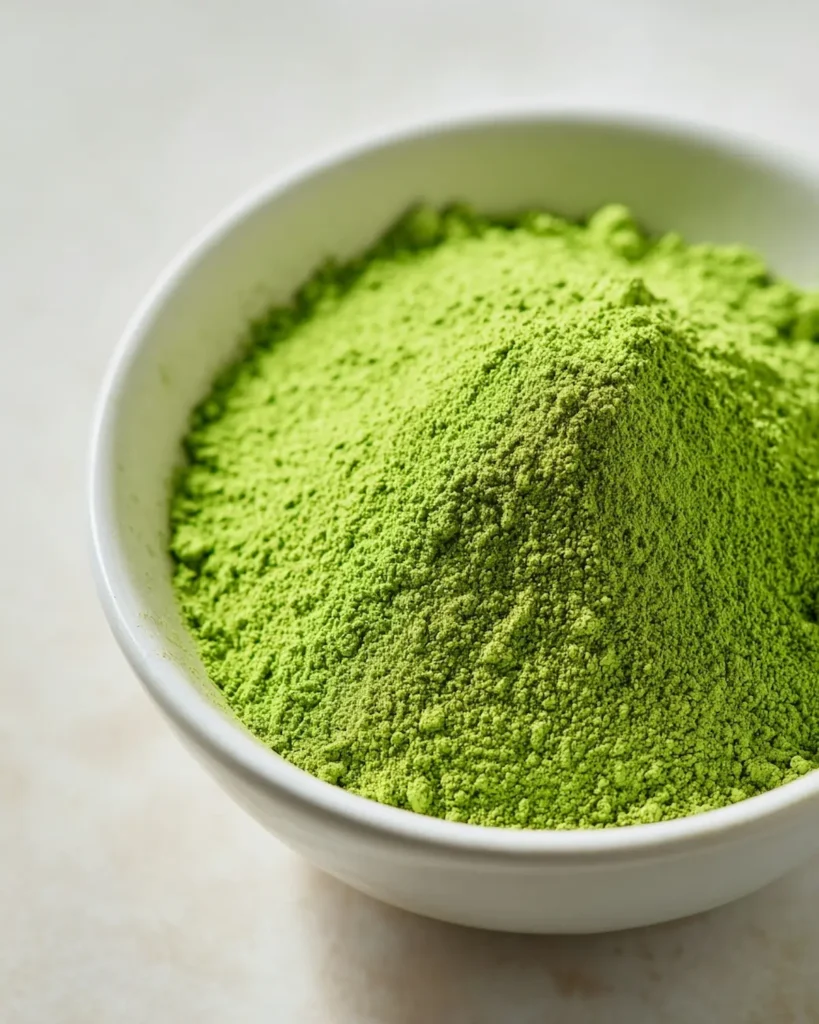
Researchers look at Japanese green tea EGCG because it can neutralize free radicals, modulate inflammation pathways, and interact with cell signaling involved in metabolism, brain function, and cardiovascular health. At the same time, EGCG has a specific, slightly drying grip on your tongue that experienced tea drinkers learn to associate with potency rather than poor brewing.
Japanese Green Tea EGCG Ingredients And What You Need
To build a daily ritual around Japanese green tea EGCG, you do not need a tea ceremony room. You only need a few reliable ingredients and tools you will actually reach for on a busy morning. Here is the core setup for a creamy but clean matcha style drink that still respects the health science.
First, choose a high quality Japanese matcha with clear origin and recent harvest date, since shade grown matcha tends to concentrate catechins and EGCG while preserving that vivid color. Good matcha should smell grassy and slightly sweet, not stale or fishy, and the powder should look vibrant green, not dull brownish.
Second, pick a liquid base that supports catechin absorption and keeps the drink light. I prefer filtered water plus a splash of dairy free milk because cow’s milk proteins can bind strongly to catechins and may reduce their activity. Finally, you will want a small whisk or milk frother, a fine mesh sifter to avoid clumps, and your favorite heat safe cup.
- 1 to 2 teaspoons high quality Japanese matcha powder
- 2 tablespoons room temperature filtered water for whisking
- 6 to 8 ounces hot water around 75 to 80°C, not boiling
- 2 to 4 tablespoons unsweetened oat or almond milk, warmed
- Optional: 1 teaspoon honey or maple syrup if you prefer a touch of sweetness
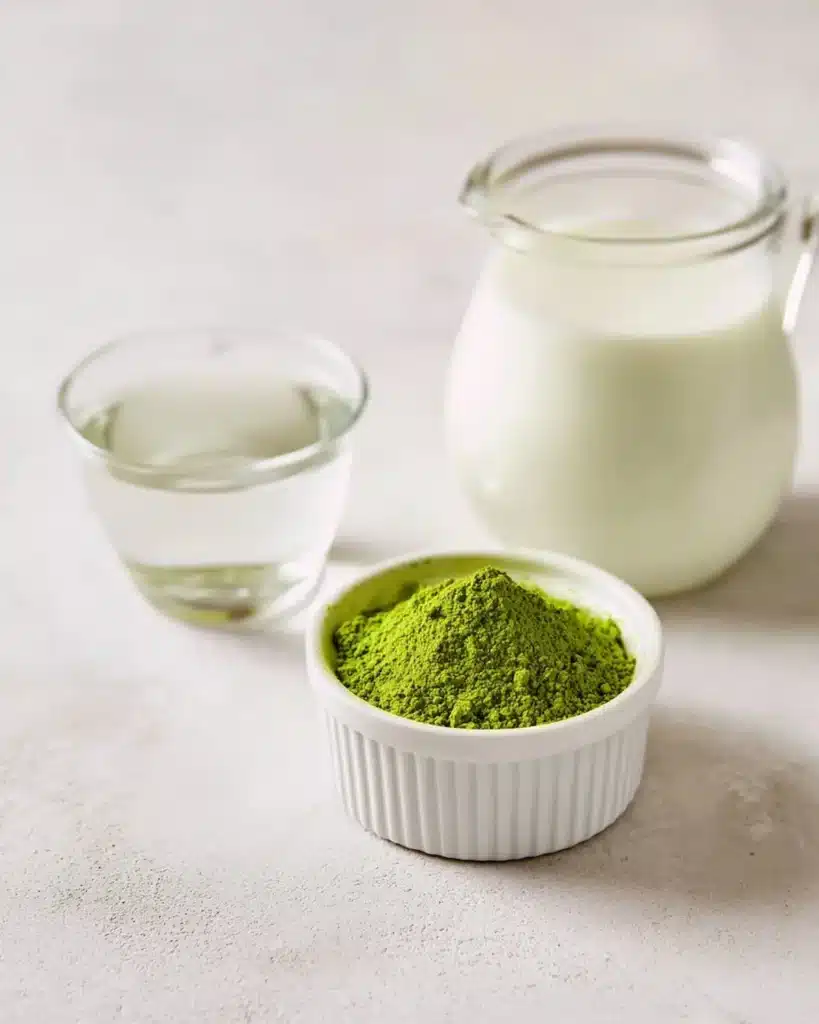
This basic ingredient list gives you a daily Japanese green tea EGCG drink that is simple enough to repeat but flexible enough to tweak for seasons or preferences.
How To Make Japanese Green Tea EGCG Drink Step By Step
Step 1 Sift The Matcha
Start by sifting your Japanese matcha into a small bowl through a fine mesh strainer to remove clumps. This one step keeps your EGCG rich drink silky instead of gritty, which matters because undissolved clumps tend to sink and waste both flavor and catechins in the bottom of the cup.
Step 2 Bloom With Cool Water
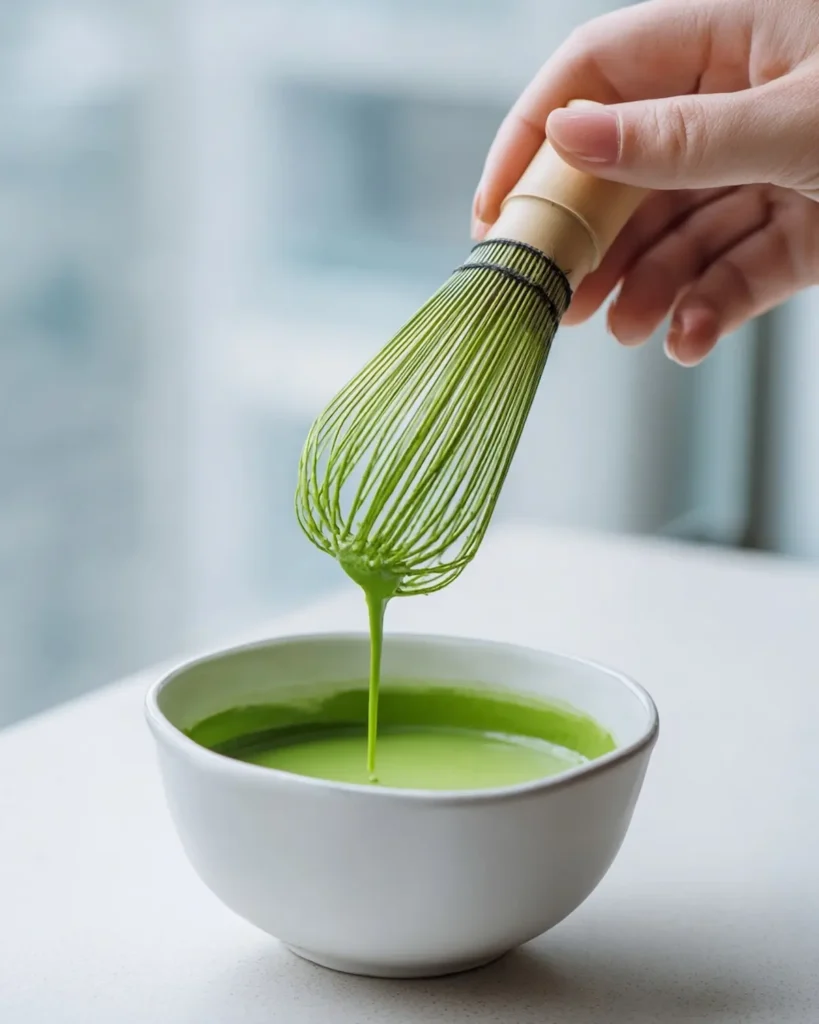
Add the room temperature water to the sifted matcha and whisk gently in circles, then in quick zigzags, until a smooth paste forms with no visible powder lumps. Using cooler water first helps protect EGCG and other fragile catechins from heat shock, which can otherwise increase bitterness and reduce some antioxidant activity.
Step 3 Add Hot Water
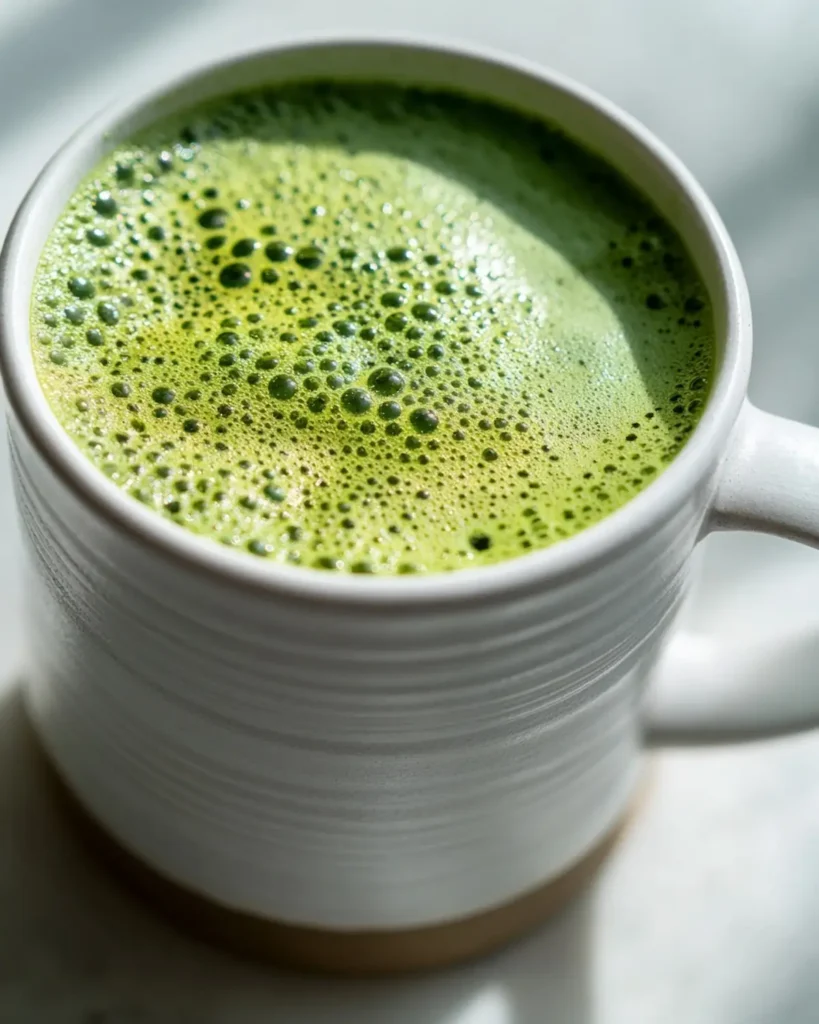
Pour in the hot water that is just below boiling, then whisk briskly until a layer of tiny bubbles covers the surface and the color deepens. Keeping the temperature around 75 to 80°C balances flavor and EGCG preservation, since excessively hot water can damage delicate compounds and create a harsh taste.
Step 4 Finish With Milk
Warm your oat or almond milk separately and froth if you like, then gently pour it over the whisked Japanese green tea EGCG base. You will see the color shift to a creamy jade while the texture becomes smoother and rounder, which makes this drink easier to sip daily without adding heavy creamers.
Step 5 Taste Adjust And Serve
Taste your drink before sweetening. If it feels too intense, add a splash more milk or hot water instead of dumping in sugar. If you decide to sweeten, keep it light so you do not overshadow the subtle umami and astringency that signal the presence of EGCG rich catechins in the cup.
5 Proven Japanese Green Tea EGCG Benefits
- Total Time: 8 minutes
- Yield: 1 serving
Description
Simple, creamy Japanese green tea EGCG latte made with matcha, hot water, and light plant milk. This daily ritual supports gentle energy, focus, and antioxidant intake in one cozy cup.
Ingredients
1–2 tsp high quality Japanese matcha powder
2 tbsp room temperature filtered water
6 oz hot water (about 75–80°C, not boiling)
4 tbsp unsweetened oat or almond milk, warmed
1 tsp honey or maple syrup, optional
Instructions
1. Sift matcha into a small bowl to remove any clumps.
2. Add room temperature water and whisk until a smooth paste forms.
3. Pour in hot water just below boiling and whisk until tiny bubbles cover the surface.
4. Warm the oat or almond milk separately, then pour it over the whisked tea.
5. Sweeten lightly if desired, taste, and adjust with more milk or water as needed.
Notes
Start with 1 tsp matcha if you are sensitive to caffeine and increase gradually.
Use plant milk instead of dairy if you want to keep catechins more available.
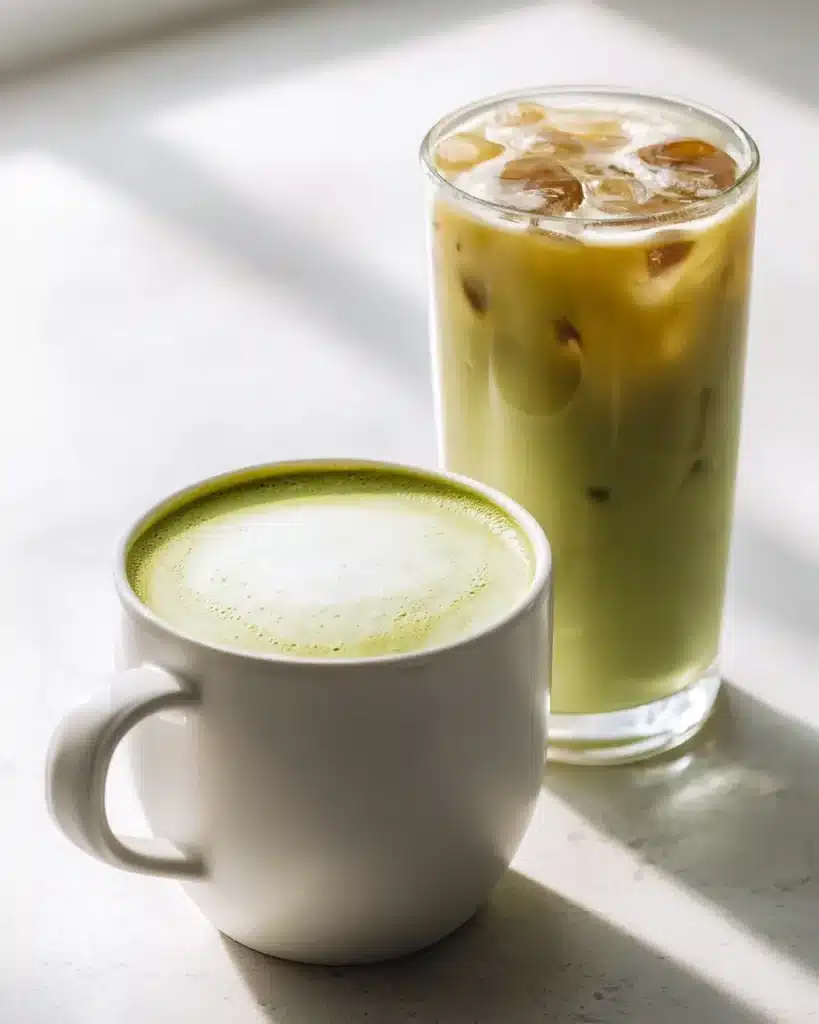
For an iced version, whisk the matcha with cool water, add cold water and milk, then pour over ice.
Pair this latte with a high protein breakfast for smoother energy and better fullness.
Enjoy 1–2 cups per day and pay attention to how your sleep and energy feel.
- Prep Time: 5 minutes
- Cook Time: 3 minutes
- Category: Drinks
- Method: Stir
- Cuisine: Japanese, Wellness
Nutrition
- Serving Size: 1 mug
- Calories: 35
- Sugar: 4g
- Sodium: 15mg
- Fat: 1g
- Saturated Fat: 0g
- Unsaturated Fat: 1g
- Trans Fat: 0g
- Carbohydrates: 6g
- Fiber: 0g
- Protein: 1g
- Cholesterol: 0mg
Keywords: Japanese green tea EGCG, matcha latte, Japanese matcha tea, green tea catechins, antioxidant Japanese tea, Japanese sencha EGCG, matcha weight loss tea, green tea brain health, EGCG safety
Japanese Green Tea EGCG Methods Comparison Table
Different Japanese green tea methods deliver different amounts of EGCG, caffeine, and flavor. This comparison table helps you choose what fits your routine and tolerance on any given day.
| Method | Approx EGCG Per Serving | Caffeine Level | Best For | Notes On Taste |
|---|---|---|---|---|
| Traditional matcha whisked | Roughly 100 mg EGCG in 2 g powder | Medium to high | Focused work, morning energy | Rich, creamy, pronounced umami, noticeable astringency. |
| Hot brewed Japanese sencha | Lower EGCG than matcha | Medium | Daily sipping, lighter afternoons | Clean, grassy, less intense bitterness, gentler body. |
| Cold brew Japanese green tea | Moderate EGCG, smoother extraction | Lower to medium | Hydration, warm weather sipping | Soft sweetness, minimal bitterness, very refreshing. |
| EGCG capsule supplement | Often 100 to 800 mg EGCG per day | None unless added | Targeted dosing under medical guidance | No flavor experience, higher risk of liver strain at high doses. |
Why Japanese Green Tea EGCG Supports Health
One big reason Japanese green tea EGCG gets so much attention is its antioxidant and anti inflammatory potential. EGCG can neutralize free radicals and protect cells from oxidative stress, which is linked to chronic issues like heart disease and certain cancers. Population studies in heavy green tea drinking regions of Japan have found that higher intake is associated with lower cardiovascular mortality and improved cholesterol profiles.
Another key benefit is metabolic support. Green tea catechins, especially EGCG, have been shown to modestly increase energy expenditure and support fat oxidation, which can help with weight management when paired with lifestyle changes. Some research suggests EGCG rich tea can improve blood pressure and arterial function, especially in people who start with higher blood pressure, adding another layer of cardiovascular support.
Japanese green tea EGCG also shows promise for brain and cognitive health. Studies indicate EGCG can reach the brain within a few hours after drinking and may influence learning and memory related pathways, partly by affecting neurotrophic factors. Long term tea drinkers in Japan have shown lower rates of dementia in observational studies compared with non drinkers, though causation is still being explored.
If you enjoy reading the research itself, you can explore a detailed overview of green tea polyphenols and how EGCG works in the body in this National Institutes of Health review on green tea EGCG. It walks through antioxidant effects, heart health support, and other potential benefits using human and experimental data.
Science And Safety Notes On Japanese Green Tea EGCG
When researchers look at EGCG safety, they usually separate amounts you get from tea versus high dose extracts. Scientific reviews suggest that EGCG from traditional green tea infusions is generally well tolerated at typical intakes. Safety concerns have mostly appeared when people take concentrated supplements that deliver hundreds of milligrams of EGCG in a single dose on an empty stomach.
Regulatory and scientific bodies that have reviewed the data often consider daily intakes below about 800 mg EGCG from tea and fortified beverages unlikely to pose a safety concern for the general population. If you are pregnant, managing liver issues, or taking medication that affects the liver, it is smart to talk with a healthcare professional before adding high EGCG supplements, and to focus on moderate tea drinking instead.
For a deeper dive into mechanisms and dosing, you can send curious readers to the same NIH review above and to the European Food Safety Authority green tea catechin safety statement. That document explains how experts evaluate safe daily intakes for EGCG from both traditional tea and concentrated supplements.
Japanese Green Tea EGCG For Meal Prep And Weekly Use
If you want the benefits of Japanese green tea EGCG, consistency matters more than perfection. Most of the research on catechins and health looks at daily or near daily intake over months, not occasional cups. That means building a routine you actually enjoy and can keep up on autopilot.
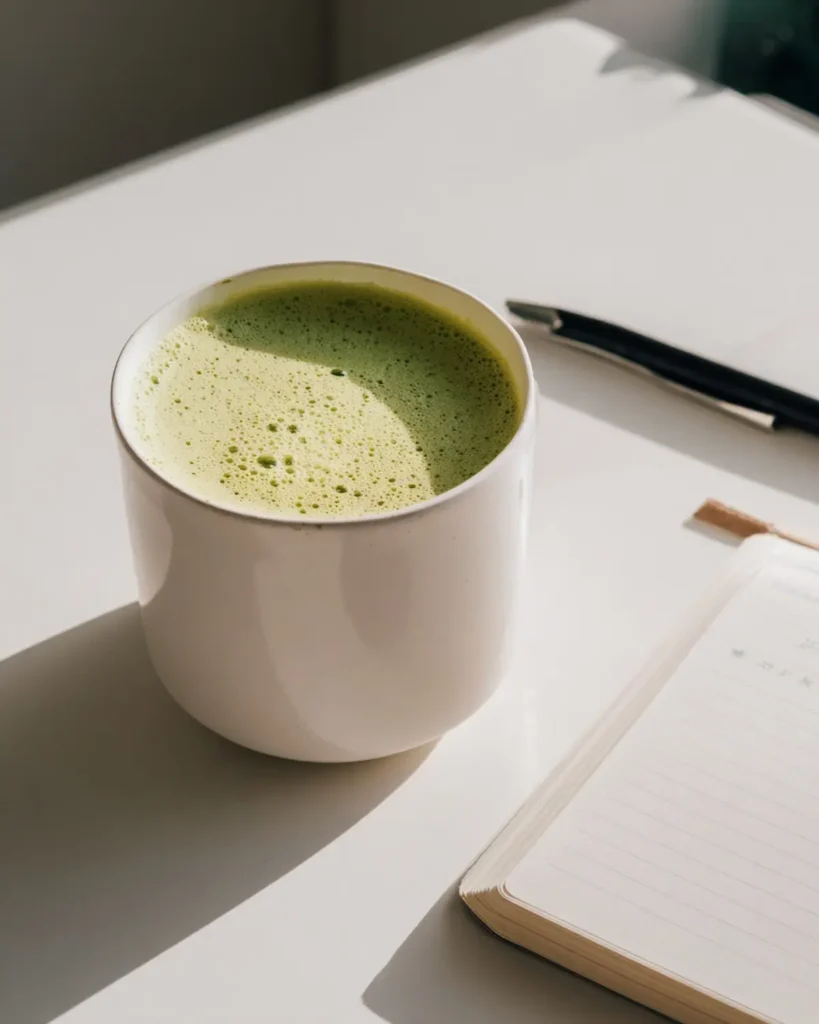
One simple structure is to start weekday mornings with a matcha based drink, then switch to sencha or cold brew later in the day if you want more tea without too much caffeine. Because matcha is rich in EGCG and you consume the whole leaf, one to two servings per day can provide a meaningful dose in a realistic range without feeling overwhelming.
This is where your practical recipes do the heavy lifting. You might direct readers to a creamy but balanced recipe such as an easy matcha latte on your site, or an energizing chilled drink in summer. For example, you can naturally mention a recipe like creamy matcha green tea latte as a morning option and an icy drink such as iced matcha energy drink as an afternoon pick me up.
You can also pair your Japanese green tea EGCG ritual with other small habits, like a high protein breakfast from a roundup such as your high protein breakfast ideas. That way the caffeine and catechins land on some food and feel smoother, and the whole routine turns into a stable anchor for your day instead of a one off experiment.
5 Mistakes To Avoid With Japanese Green Tea EGCG
Here is what I wish someone had told me before my first attempts. I once poured boiling water straight onto expensive matcha, took a sip, and thought I hated Japanese green tea forever. It was flat, aggressively bitter, and almost metallic. The tea was fine. My technique was not.
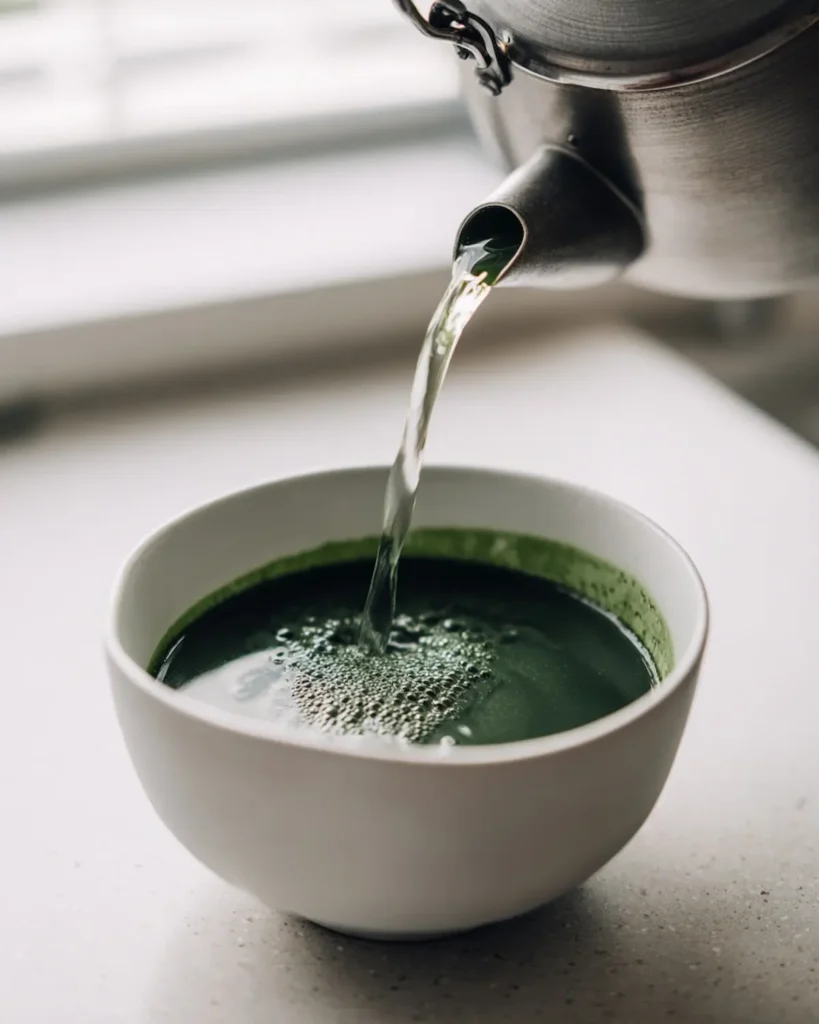
- Using boiling water directly. Water that is too hot can make Japanese green tea EGCG taste harsh and may degrade some catechins. Let the kettle sit for a minute, or aim for around 75 to 80°C instead.
- Overdoing supplements instead of tea. High dose EGCG capsules, especially above several hundred milligrams per day, have been associated with liver strain in some reports, while typical tea intakes appear safer. Tea first, supplements only with professional guidance.
- Assuming more is always better. One cup of matcha can easily deliver a substantial amount of EGCG, so chasing extreme doses with many cups or multiple supplements is rarely helpful. Balancing EGCG intake with total caffeine and your own tolerance is smarter than pushing the upper limits.
- Adding heavy dairy by default. Dairy proteins can bind catechins, potentially reducing their bioactivity, so consider plant milks or drinking at least one cup of Japanese green tea EGCG plain or with light non dairy milk.
- Ignoring overall lifestyle. EGCG is powerful, but it works best alongside good sleep, movement, and balanced meals. Treat Japanese green tea as one supportive pillar, not a cure all shortcut.
Frequently Asked Questions About Japanese Green Tea EGCG
What is Japanese green tea EGCG good for
Japanese green tea EGCG is good for supporting heart health, metabolic function, and cellular antioxidant defenses in the context of an overall healthy lifestyle. Studies link regular green tea drinking with lower cardiovascular risk, modest weight management support, and potential brain benefits when consumed consistently over time.
How much Japanese green tea EGCG should I drink daily
For most healthy adults, one to four cups of Japanese green tea providing a few hundred milligrams of EGCG daily is a practical target range. This usually means one or two servings of matcha plus additional brewed green tea, while staying comfortably below levels used in high dose supplement trials.
Is Japanese green tea EGCG safe every day
Japanese green tea EGCG appears safe for daily use at typical beverage intakes in healthy adults, and clinical trials generally report good tolerance. Concerns mostly arise with high dose extracts or supplements, where some studies describe liver related side effects, especially at very high daily doses without medical supervision.
Does Japanese green tea EGCG help with weight loss
Japanese green tea EGCG can modestly support weight loss by slightly increasing energy expenditure and fat oxidation when combined with diet and activity changes. It is not a standalone solution but may improve body composition and waist measurements over time when used consistently alongside realistic calorie control and daily movement.
Can I drink Japanese green tea EGCG at night
You can drink Japanese green tea EGCG at night if you tolerate caffeine, but many people prefer earlier timing to protect sleep quality. Even though green tea feels gentler than coffee due to the calming effect of L theanine, the combination can still delay sleep onset or reduce deep sleep for sensitive drinkers.
Is Japanese green tea EGCG better than coffee for focus
Japanese green tea EGCG combined with moderate caffeine and L theanine tends to provide smoother focus and mental clarity compared with coffee for many people. EGCG itself is not a stimulant, but it supports brain health pathways while L theanine tempers caffeine’s jitters, often resulting in calm alertness instead of sharp spikes and crashes.
Which Japanese green tea has the most EGCG
Matcha generally has the most Japanese green tea EGCG per serving because you consume the whole powdered leaf rather than discarding brewed leaves. Shade grown matcha and quality sencha both contain catechins, but matcha typically delivers the highest EGCG concentration for a single cup.
Bringing Japanese Green Tea EGCG Into Your Day
Here is what I have learned after many bowls of whisked matcha and plenty of trial and error. When you brew Japanese green tea EGCG with care, it gives you steady energy, a clearer head, and a small daily nudge toward better health. You do not need perfection or a ceremony set, just a simple ritual you repeat often enough that it becomes part of how you look after yourself.
Start with one cup you genuinely enjoy, pay attention to how your body responds, and adjust the strength and timing from there. Over time, those quiet green moments can add up, especially when they sit beside healthy meals, sleep that feels restorative, and movement you can stick with.
Disclaimer For Japanese Green Tea EGCG
The information in this guide is based on current research and personal kitchen experience and is offered for educational purposes only. It is not medical advice, diagnosis, or treatment, and it does not replace a conversation with your healthcare provider.
Japanese green tea EGCG can interact with health conditions, medications, and individual tolerance, especially in high doses or supplement form. Always talk with a qualified professional before changing your diet, starting new supplements, or using EGCG to manage a specific medical condition, and listen closely to how your own body responds.