Is soy sauce gluten free, or is that little splash secretly loaded with wheat? Putting the bottle back is hard when the label looks simple and the flavor tastes like every cozy takeout night you love. The problem is that a tiny drizzle can still matter a lot if you live with celiac disease or a serious gluten sensitivity, which is exactly why so many people keep asking whether soy sauce is gluten free in the first place.
In this guide you’ll see exactly when soy sauce is gluten free, how Kikkoman and tamari fit in, and which alternatives actually taste good instead of sad and salty. By the end you’ll know how to read a label in 10 seconds, how to tell if your favorite brand of soy sauce is gluten free, and how to keep bold, fast flavor on your no-knead gluten free bread nights.
Key takeaways
- Most regular soy sauce is not gluten free because it is brewed with wheat, but clearly labeled gluten free soy sauces and some tamari products are safe options.
- Classic Kikkoman soy sauce contains wheat, while Kikkoman Gluten-Free Soy Sauce is brewed without wheat and labeled to meet gluten free standards.
- Tamari is often gluten free and richer in flavor than regular soy sauce, yet you should still choose bottles that state gluten free on the label.
- Coconut aminos, liquid aminos, and certified gluten free Japanese soy sauces give you salty umami without gluten and can replace soy sauce in most recipes.
- If you have celiac disease you should only trust sauces labeled gluten free, which in the US means less than 20 parts per million gluten under FDA rules.
What is soy sauce, really?
Traditional soy sauce is a fermented seasoning made from soybeans, roasted wheat, water, and salt plus a starter culture that breaks everything down into that deep, savory umami liquid. During months of fermentation, enzymes from the mold and microbes digest proteins and starches into amino acids and sugars, creating the complex flavor we splash over stir fries, rice bowls, dumplings, and noodles.
Soybeans themselves are naturally gluten free, but wheat is not, which is where the confusion starts. Many bottles just say “naturally brewed” or “fermented soy sauce” without clearly shouting that wheat is part of the story. That is why you can’t assume that “soy” always equals gluten free, especially if you are sensitive enough that even crumbs matter and keep wondering “is soy sauce gluten free” every time you cook.
Quick definition paragraph: Soy sauce is a fermented seasoning made by brewing soybeans with wheat, salt, water, and a starter culture until the mixture turns into a dark, salty liquid. Because most traditional recipes include wheat, regular soy sauce is usually not gluten free, so you need bottles that say gluten free on the label if you avoid gluten. Always check the ingredients list before you pour, especially if you are asking yourself whether this particular soy sauce is gluten free.
Is soy sauce gluten free? Ingredients breakdown
Most regular soy sauce is not gluten free because wheat is one of the core ingredients and a source of gluten. A classic ingredient list looks like this: water, soybeans, wheat, salt, plus sometimes alcohol or preservatives to stabilize the flavor. Even though fermentation breaks some proteins apart, it does not magically remove gluten to a level that is automatically safe for celiac disease.
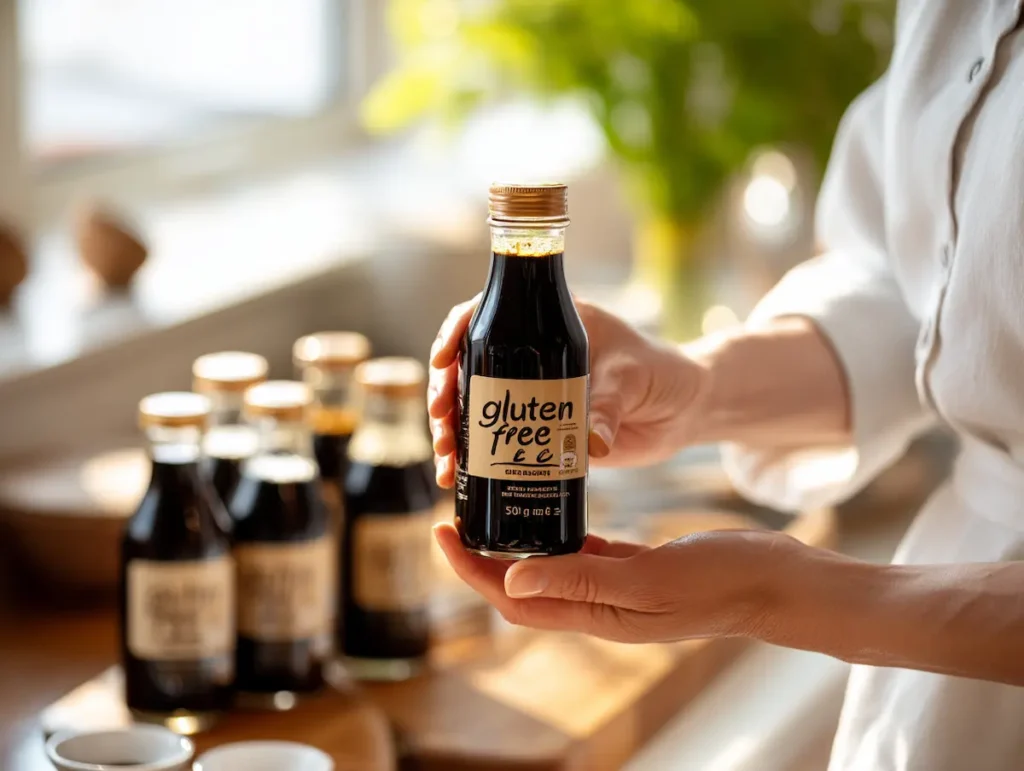
In the United States, a product labeled “gluten free” must contain less than 20 parts per million gluten to meet labeling rules. You can see this explained in detail on the FDA gluten free labeling page. That means you cannot just rely on “naturally brewed” or “traditional” soy sauce and assume it passes the test. Only products that say “gluten free” or similar wording, and that do not list wheat, barley, or rye ingredients, can be trusted if you are medically gluten free and want to be sure your soy sauce is gluten free.
If you do not have celiac disease, some people choose to occasionally use regular soy sauce because the gluten content per teaspoon is small, but that is a personal tolerance question rather than a guarantee of safety. My bias is simple: when a gluten free version exists and tastes great, I would rather upgrade the bottle and stop worrying, the same way I prefer baking no-knead gluten free bread instead of juggling separate loaves for different people.
Is Kikkoman soy sauce gluten free?
Here is the straight answer: Kikkoman’s classic naturally brewed soy sauce is not gluten free because it includes wheat. If you grab the traditional bottle without thinking, you are pouring gluten into your dish no matter how small the splash looks. The good news is that Kikkoman also makes dedicated gluten free soy sauce products that are brewed without wheat and clearly labeled on the front, so those bottles can safely answer “yes” when you ask if this soy sauce is gluten free.
Kikkoman Gluten-Free Soy Sauce is typically made with water, soybeans, salt, and rice instead of wheat, then tested to meet US gluten free labeling standards. When you see “gluten free” on that label, it should comply with the same under-20-ppm rule that applies to other packaged foods. Just do not assume every Kikkoman bottle is safe: you have to read the front and back because the regular formula has a very similar design, and only the gluten free bottle makes sure your Kikkoman soy sauce is gluten free.
If you love the Kikkoman flavor, I recommend keeping the gluten free version as your default cooking soy sauce so you never have to remember which dish is safe for which friend or keep asking yourself whether the soy sauce is gluten free halfway through dinner.
Tamari, mushroom soy, and other bottles
Tamari started as a byproduct of miso making and is usually brewed with more soybeans and little or no wheat, so it often ends up naturally lower in gluten. That is why search histories are full of “tamari soy sauce gluten free” and “is tamari gluten free”: people want the same salty depth without the wheat. Many tamari brands now carry clear gluten free labels, but some still use small amounts of wheat, so you cannot skip reading the ingredients list if you care whether your tamari soy sauce is gluten free.
Mushroom soy sauce is usually regular soy sauce that has been flavored or infused with mushrooms, especially shiitakes, to deepen the umami and color. Since the base is often classic wheat-based soy sauce, mushroom soy is rarely gluten free unless the brand specifically formulates it that way and says so on the label. The same pattern shows up in dark soy sauce and some Japanese-style sauces, which explains why “gluten free dark soy sauce” and “Japanese soy sauce gluten free” are trending among people trying to figure out which soy sauce is gluten free and which is not.
A simple rule: if the bottle does not clearly say gluten free and the ingredients include wheat, barley, or rye, treat it as not safe for strict gluten free diets and assume that soy sauce is not gluten free.
Comparison table gluten free soy sauce alternatives
| Sauce / Product | Gluten free by default? | Flavor profile vs regular soy sauce | Typical sodium level (relative) | Vegan? | Best use cases |
|---|---|---|---|---|---|
| Regular soy sauce | No, brewed with wheat in most brands. | Classic salty, sharp, deeply savory. | High | Usually yes | Everyday stir fries, marinades if you tolerate gluten. |
| Kikkoman classic soy sauce | No, contains wheat. | Familiar takeout-style flavor, balanced umami. | High | Usually yes | General cooking when gluten is not an issue. |
| Kikkoman Gluten-Free Soy Sauce | Yes, brewed without wheat and labeled gluten free. | Very close to classic Kikkoman, slightly cleaner finish. | High | Usually yes | One-to-one swap in recipes, dipping sauces, sushi nights. |
| Certified gluten free tamari | Often yes, check label for gluten free wording. | Rich, round, slightly less sharp, more soy depth. | High to medium | Usually yes | Stir fries, dipping, salad dressings, marinades. |
| Coconut aminos | Yes, no wheat and naturally gluten free in most brands. | Milder, slightly sweet, less intense umami. | Lower to medium | Yes | Lower sodium cooking, kids’ meals, sauces on rice or veggies. |
| Liquid aminos (soy-based, gluten free) | Often yes if labeled gluten free, some use non-wheat sources. | Clean, salty, less fermented complexity. | High | Usually yes | Quick seasoning for veggies, eggs, or grain bowls. |
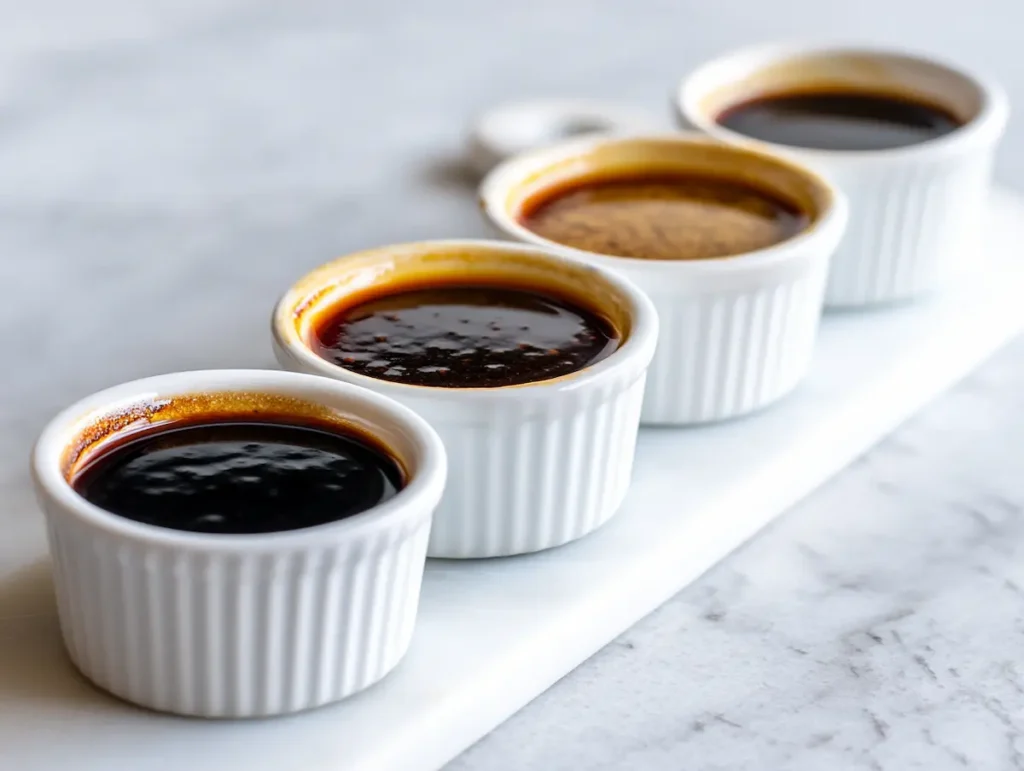
Most medical and regulatory sources agree that “gluten free” on a label means the product should contain less than 20 parts per million gluten, which is the same threshold used in many clinical guidelines for celiac disease. For a deeper explanation of how gluten damages the small intestine in celiac disease, and why it matters whether your soy sauce is gluten free, see this overview from the National Library of Medicine.
Is gluten free soy sauce good for you?
Gluten free soy sauce can absolutely live in a balanced diet, but it is still a salty condiment first and a health food never. You get a small amount of protein and a big hit of umami for very few calories, which helps simple meals feel more satisfying. The trade-off is sodium: many soy sauces contain hundreds of milligrams of sodium per tablespoon, which adds up quickly if you cook with a heavy hand.
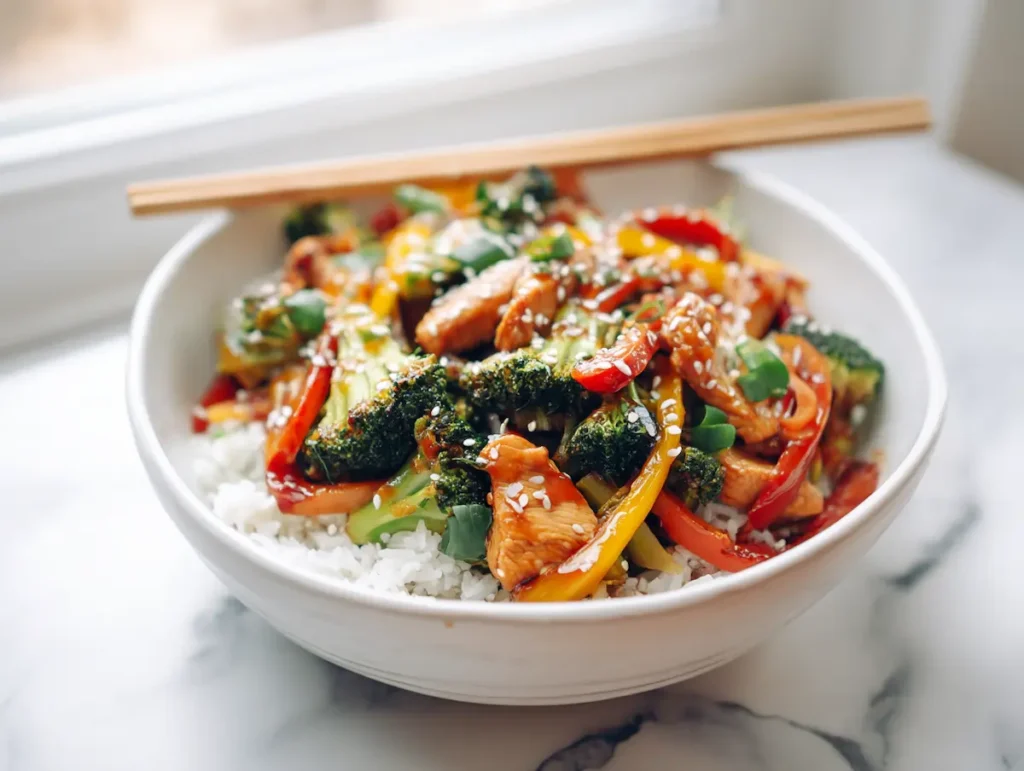
If you are watching blood pressure, try using less overall and pairing it with potassium-rich sides and foods that help keep blood sugar more stable instead of obsessing over “low calorie sauces.” Coconut aminos can be a softer option when you want a similar vibe with less intensity and often slightly less sodium, though you should still check numbers on each brand. For people with celiac disease, the bigger benefit is avoiding immune reactions while still enjoying bold flavor from a soy sauce that is gluten free.
Gluten free soy sauce in your meal prep and daily routine
In my kitchen, gluten free soy sauce is a workhorse, not a specialty item I only pull out when my gluten free friends visit. I keep it right beside my oil and salt and splash it into fast stir fries, five-minute marinades, and noodle bowls when I want dinner to hit the table as quickly as my sheet pan quesadillas. That way I know that soy sauce is gluten free in every pan, instead of guessing at the last minute.
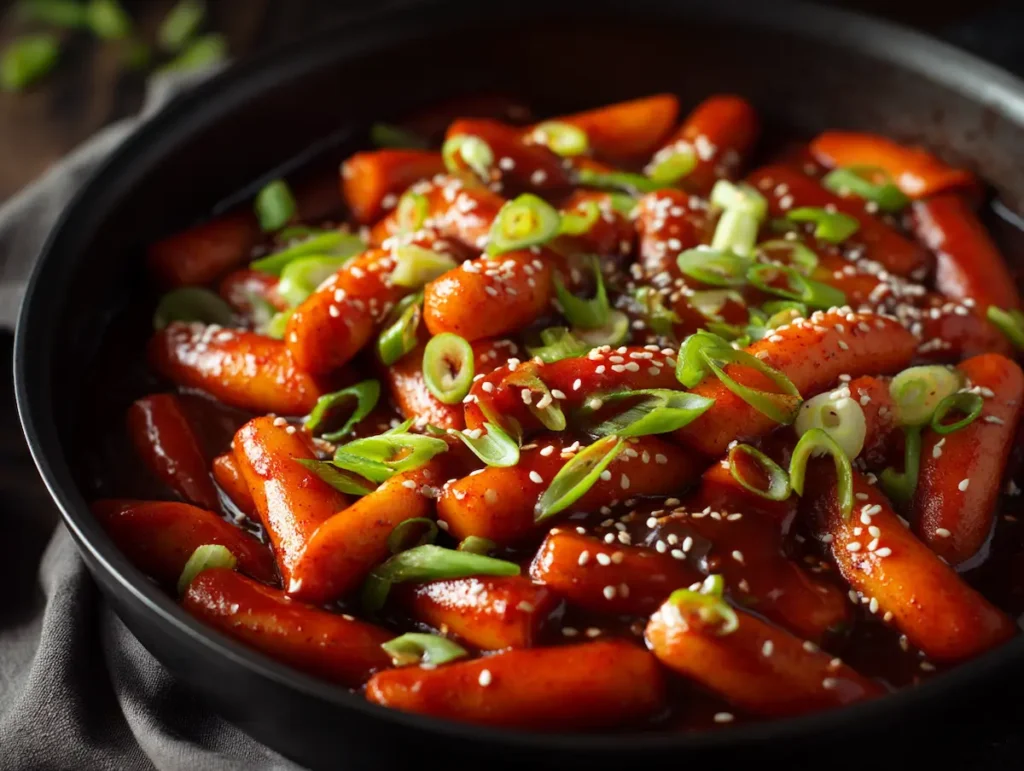
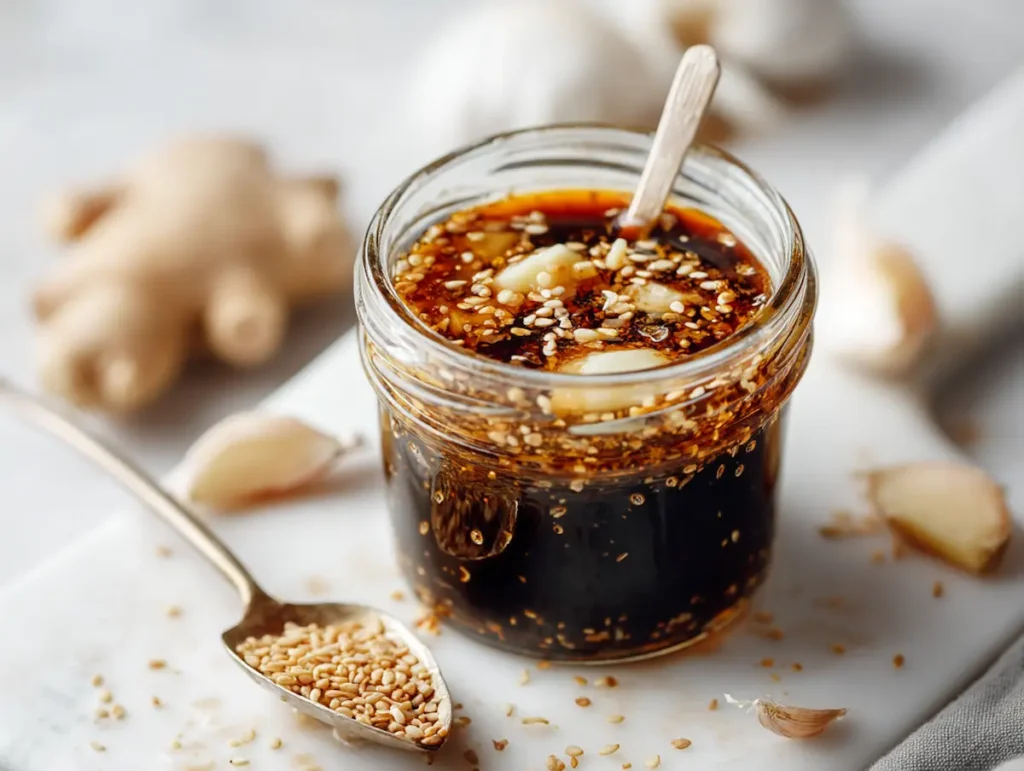
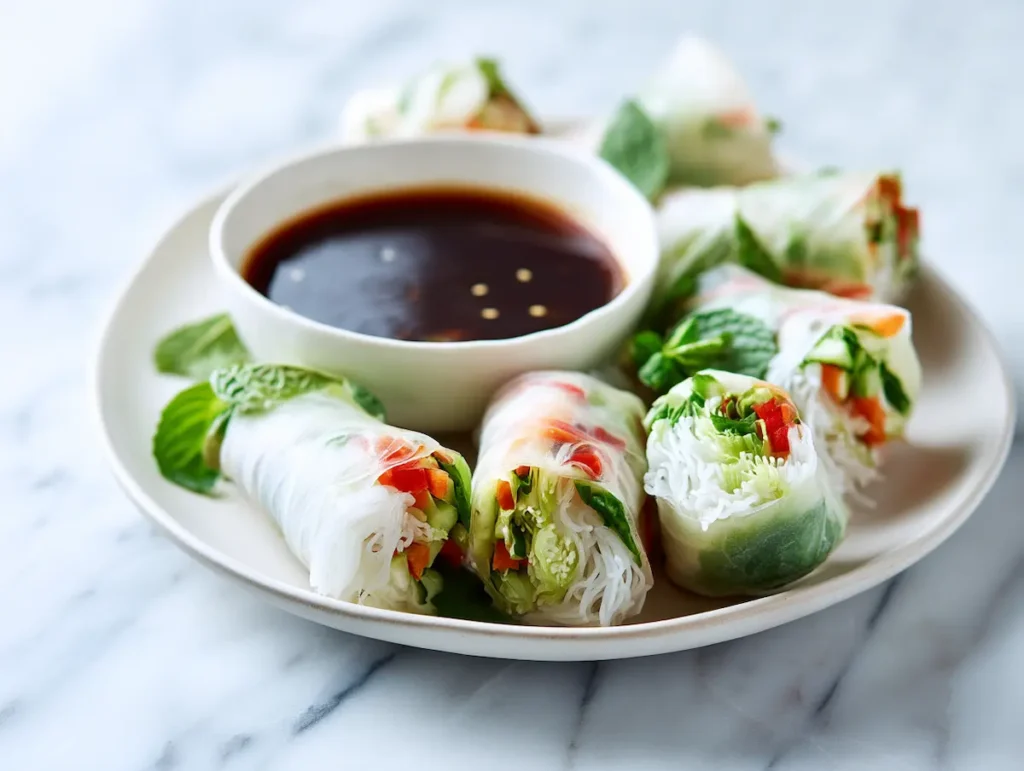
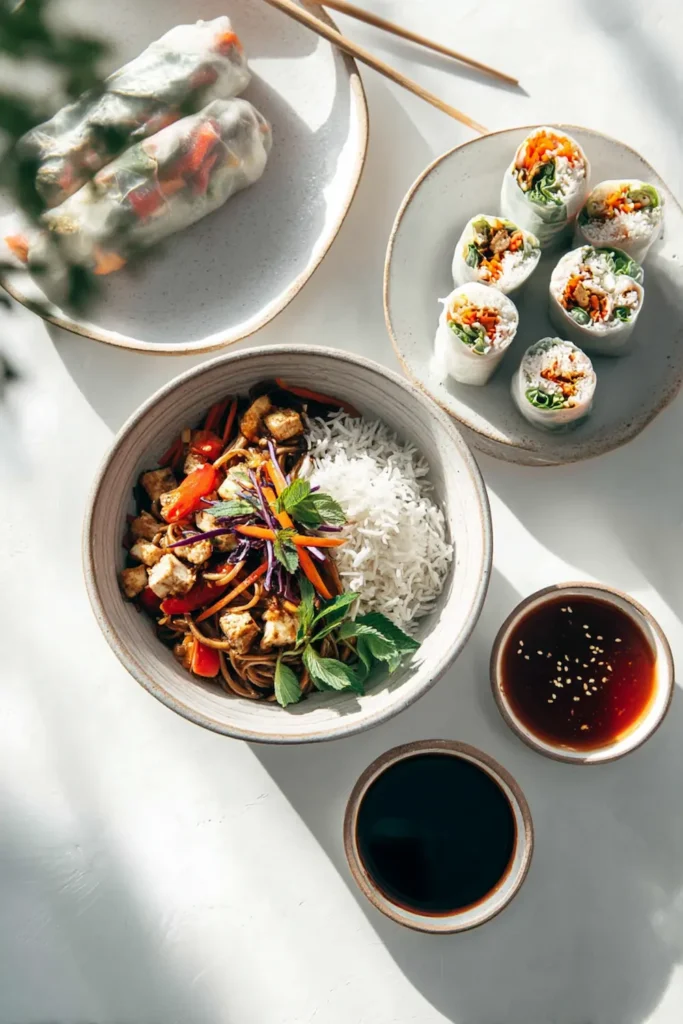
Try whisking gluten free soy sauce with a little garlic, ginger, and sesame oil to marinate chicken, tofu, or mushrooms for sheet pan dinners. If you love Korean food, use gluten free soy sauce in your own version of tteokbokki so the rice cakes stay safe for everyone at the table. For lighter days, build rice paper rolls and serve them with gluten free soy-based dipping sauce so you can enjoy that salty hit alongside a slice of gluten free banana nut bread for dessert.
7 Tested Truths About Whether Soy Sauce Is Gluten Free
- Total Time: 25 minutes
- Yield: 4 servings
Description
Easy gluten free soy sauce marinade that adds big umami to chicken, tofu, or vegetables in minutes. Perfect for quick sheet pan dinners, stir fries, and weekly meal prep.
Ingredients
1/4 cup gluten free soy sauce or tamari
2 tbsp water
1 tbsp gluten free rice vinegar
1 tbsp olive oil or neutral oil
1 tbsp honey or maple syrup
2 cloves garlic, minced
1 tsp fresh ginger, grated
1 tsp sesame oil
1/4 tsp black pepper
1–2 tbsp green onions, sliced (for topping)
Sesame seeds, for garnish (optional)
Instructions
1. Add gluten free soy sauce, water, rice vinegar, oil, and honey to a small bowl or jar.
2. Stir in minced garlic, grated ginger, sesame oil, and black pepper until the marinade is well combined.
3. Place chicken, tofu, shrimp, or vegetables in a shallow dish or zip-top bag and pour the marinade over.
4. Marinate in the fridge for at least 20–30 minutes, or up to 24 hours for deeper flavor.
5. Cook on a sheet pan, grill, skillet, or in an air fryer until done, then garnish with green onions and sesame seeds before serving.
Notes
Always use certified gluten free soy sauce or tamari to keep this marinade truly gluten free.
This gluten free soy sauce marinade works with salmon, firm tofu, or mushrooms for a quick protein.
Serve with rice bowls, stir fried vegetables, or slices of no-knead gluten free bread for a complete meal.
Double the batch and store in the fridge for up to 3 days, then whisk before using if it separates.
- Prep Time: 10 minutes
- Cook Time: 15 minutes
- Category: Snacks
- Method: Stir and Dissolve
- Cuisine: International
Nutrition
- Serving Size: about 3 tbsp marinade per serving
- Calories: 80
- Sugar: 6g
- Sodium: 620mg
- Fat: 4g
- Saturated Fat: 1g
- Unsaturated Fat: 3g
- Trans Fat: 0g
- Carbohydrates: 9g
- Fiber: 0g
- Protein: 2g
- Cholesterol: 0mg
Keywords: is soy sauce gluten free, gluten free soy sauce marinade, tamari marinade, gluten free stir fry sauce, gf soy sauce, quick gluten free dinner, coconut aminos marinade, weeknight marinade
5 mistakes to avoid with gluten free soy sauce
My biggest fail was making a huge pan of tteokbokki for a gluten free friend and realizing halfway through that I had grabbed the regular soy sauce bottle, not the gluten free one. It looked the same, the cap felt the same, and I had to start over from scratch. Since then, I treat gluten free soy sauce like any other ingredient with rules, not an afterthought.
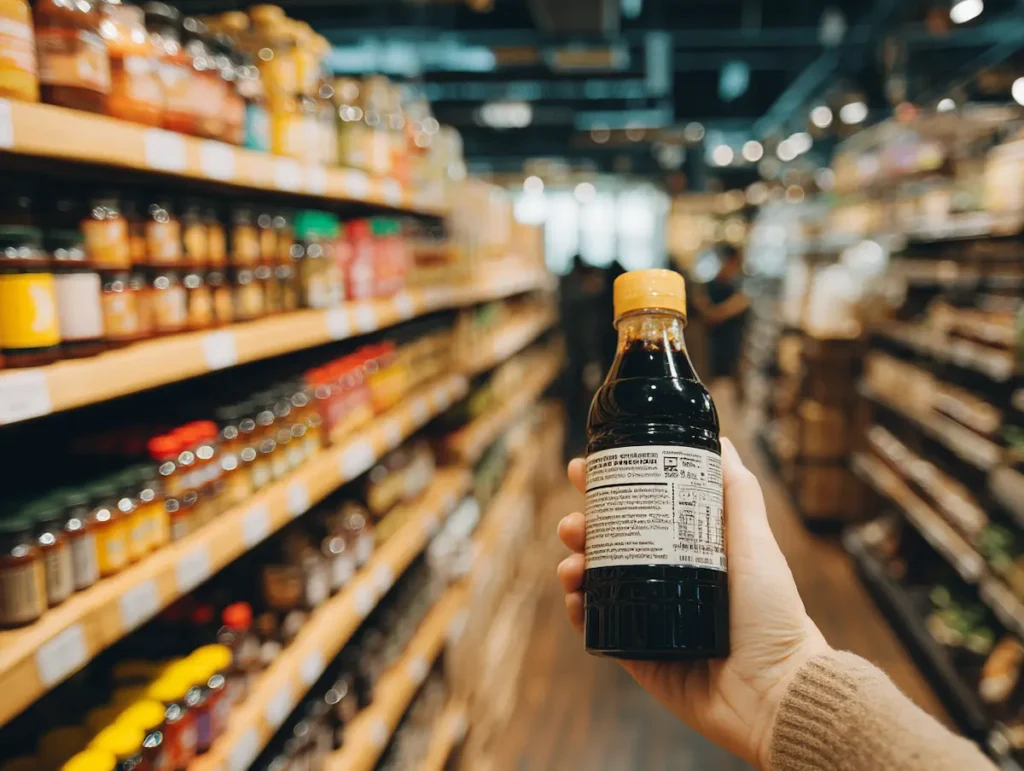
First, never assume any brown Asian sauce is gluten free just because it is liquid: soy sauce, oyster sauce, hoisin, teriyaki, and even some broths can hide wheat. Second, “naturally brewed” does not mean “no gluten,” so you need an actual gluten free claim and an ingredient list without wheat, barley, or rye whenever you want to be sure your soy sauce is gluten free. Third, watch cross-contact: if someone dips a gluteny dumpling into your gluten free soy sauce bowl, it is no longer safe for strict celiac diets.
Fourth, many people forget how salty these sauces are and pour with their heart, then wonder why their rings feel tight that night. Use a measured tablespoon the first few times and adjust from there, especially if you are also adding salty stocks, miso, or sriracha to your pan. Finally, if you are confused about gluten or celiac disease in general, it is worth reading the educational resources at Beyond Celiac so you know why labels and cross-contact matter more than trends and can answer “is soy sauce gluten free” with confidence.
Frequently asked questions about “is soy sauce gluten free?”
Is soy sauce gluten free?
Most regular soy sauce is not gluten free because it is brewed with wheat, which contains gluten. If you want soy sauce that is gluten free, look for bottles clearly labeled “gluten free” and double-check that wheat, barley, and rye are missing from the ingredients list. When in doubt, skip that brand and choose a certified gluten free option instead.
Is Kikkoman soy sauce gluten free?
Kikkoman’s classic naturally brewed soy sauce is not gluten free because it includes wheat in the ingredient list. Kikkoman does make a separate Gluten-Free Soy Sauce that is brewed without wheat and labeled gluten free to meet labeling standards. Always read the front label and ingredients so you grab the Kikkoman soy sauce that is gluten free instead of the regular version.
Is tamari soy sauce gluten free?
Tamari is often gluten free because it is usually brewed with mostly soybeans and little or no wheat, but recipes vary by brand. To be safe, only choose tamari bottles that state “gluten free” on the label and do not list wheat in the ingredients. Many gluten free cooks prefer tamari because it keeps their soy sauce gluten free and adds a rich, smooth flavor.
Is mushroom soy sauce gluten free?
Most mushroom soy sauce is not gluten free because it starts as regular soy sauce, which typically contains wheat, then gets infused with mushrooms. Unless the product is specifically made without wheat and labeled gluten free, you should assume mushroom soy contains gluten. If you want that deeper flavor, look for a soy sauce that is gluten free and add your own mushrooms during cooking instead.
Are there gluten free soy sauce alternatives?
Yes, there are several gluten free soy sauce alternatives, including certified gluten free soy sauce, gluten free tamari, coconut aminos, and some gluten free liquid aminos. These options give you salty, umami flavor without wheat and can usually replace regular soy sauce in marinades, stir fries, and dipping sauces. Start with small amounts and adjust to taste because each soy sauce that is gluten free has its own flavor profile.
How much gluten is in soy sauce?
The exact gluten content of regular soy sauce varies by brand and batch, and fermentation does not guarantee that gluten is removed enough for celiac safety. In the US, only products labeled “gluten free” must meet the under-20-parts-per-million gluten standard. If you have celiac disease, it is safer to avoid regular soy sauce and only use soy sauce that is gluten free and clearly labeled.
Is soy sauce gluten free and vegan?
Regular soy sauce is usually vegan because it is made from soybeans, wheat, salt, and water, but it is not gluten free in most cases due to the wheat. Many gluten free soy sauces and tamari products are also vegan, though you should still glance at the label for any unusual additives. If you want soy sauce that is gluten free and vegan, look for bottles that clearly state both.
Is soy sauce gluten free good for you?
Gluten free soy sauce is not a superfood, but it can be part of a healthy diet when used in small amounts for flavor. It is low in calories, offers some umami satisfaction, and makes simple meals more enjoyable, yet it is still high in sodium per tablespoon. Use soy sauce that is gluten free to season balanced meals instead of drowning dishes, and consider coconut aminos if you want a gentler option.
Conclusion
So, is soy sauce gluten free? Most of the time the answer is no, unless you have deliberately grabbed a gluten free soy sauce, tamari, or alternative that was brewed without wheat and labeled with a clear gluten free claim. Once you know how to read the ingredients list, you can bring back salty, savory flavor without the stress of hidden gluten.
My kitchen rule is simple: buy one soy sauce that is gluten free and tastes great and use it for everyone instead of juggling separate bottles. From quick fried rice to weeknight marinades and no-knead gluten free bread toasted under a soy-brushed broiler, you can keep flavor big and the guesswork small. Next time you are staring at the sauce aisle, check the label, grab the soy sauce that is gluten free, and cook like everybody at your table is welcome.