
Health Disclaimer: The information in this article is for educational purposes only and does not constitute medical advice. Always consult your physician or a registered dietitian before making changes to your diet, especially if you are managing diabetes or prediabetes.
Millions of Americans are managing high blood sugar every single day, and what you eat is your most powerful tool.
If you are researching foods to lower blood sugar, you are already doing the most important thing: focusing on what you can control every day.
According to the CDC National Diabetes Data Brief (November 2024), 15.8% of all US adults have diabetes, with 11.3% diagnosed and 4.5% undiagnosed. A further 98 million American adults have prediabetes, the majority without knowing it.
The good news: the right foods to lower blood sugar are not exotic, expensive, or hard to find. Most of them are already sitting in your local Walmart, Target, or grocery store right now.
In this article I am going to walk you through 8 science-backed, dietitian-approved foods to lower blood sugar that help stabilize glucose naturally, how much to eat, and exactly how to add them to your daily meals.
You can think of this as a practical starter plan for foods to lower blood sugar, built for real breakfasts, lunches, and dinners.
These picks are aligned with both the American Diabetes Association Superstar Foods guidelines and the USDA 2025 Dietary Guidelines Advisory Committee systematic review on dietary patterns and type 2 diabetes for US adults managing blood sugar in 2026.
For most people, the best foods to lower blood sugar are the ones you can repeat consistently week after week.
What Causes Blood Sugar Spikes?
Blood sugar spikes happen when your body receives more glucose than it can process quickly. The main culprits are refined carbohydrates, added sugars, low-fiber foods, and sedentary habits after meals.
Every food you eat has a glycemic index (GI) score that measures how fast it raises blood glucose. Foods with a high GI score cause rapid spikes. Foods with a low GI score cause slow, steady rises that your insulin can manage.
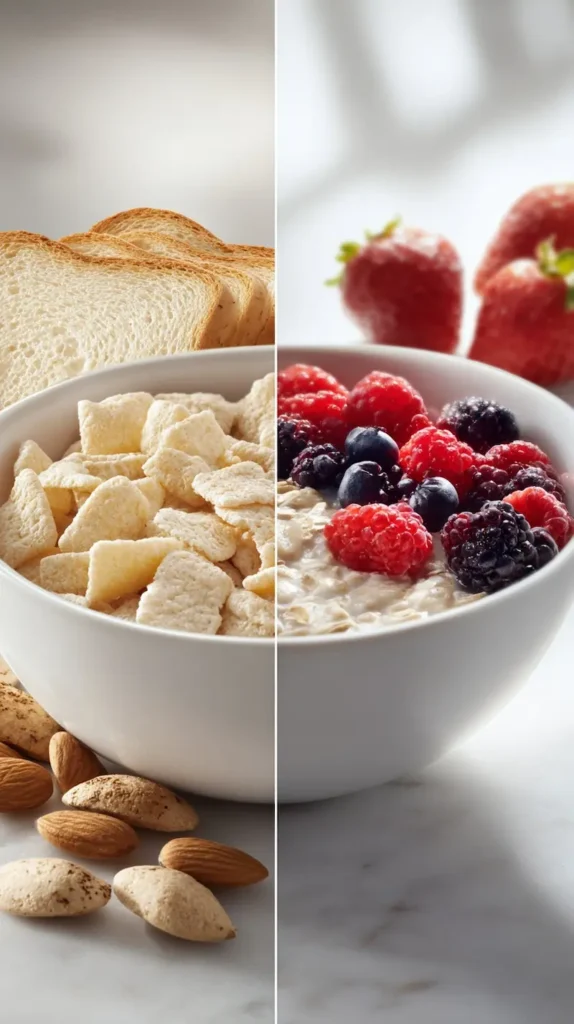
Fiber, healthy fats, and protein all slow glucose absorption and reduce the insulin demand on your body. That is exactly why the foods to lower blood sugar below work so well together.
If your goal is to build meals around foods to lower blood sugar, start by adding fiber first, then protein, then healthy fat.
8 Best Foods to Lower Blood Sugar (Quick List)
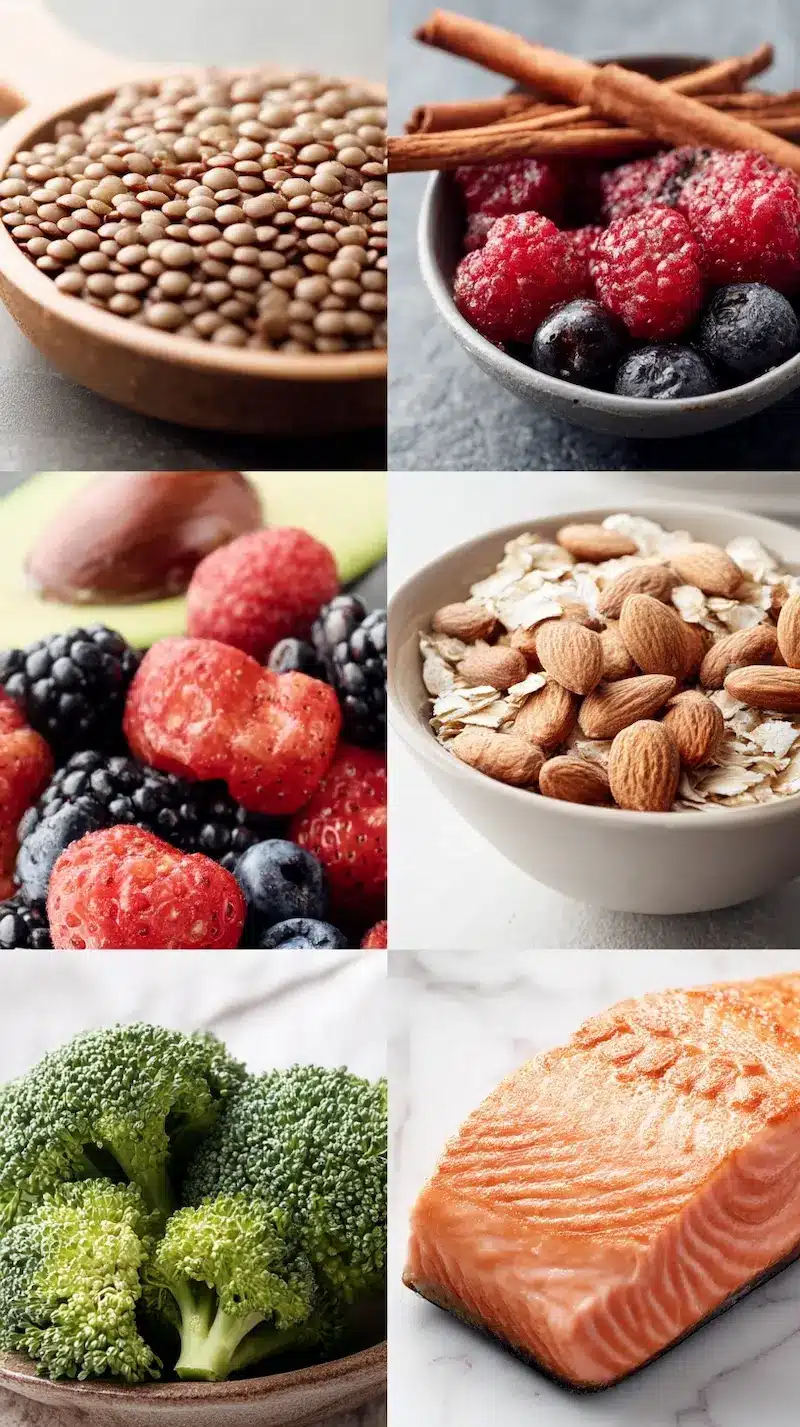
Here are the 8 best foods to lower blood sugar naturally, backed by science and recommended by dietitians across the United States:
1. Lentils
2. Avocado
3. Berries
4. Oatmeal
5. Almonds
6. Broccoli
7. Cinnamon
8. Salmon
This is the core “short list” of foods to lower blood sugar I recommend starting with if you feel overwhelmed.
Quick Comparison: Glycemic Index and Key Benefits
Lentils | GI: 32 | Fiber and protein slow glucose | Best in soups and salads
Avocado | GI: ~15 | Healthy fats reduce sugar spikes | Best on toast or in smoothies
Berries | GI: 25 to 40 | Antioxidants reduce post-meal spike | Best on oatmeal or as snacks
Oatmeal | GI: 55 (steel-cut: 42) | Beta-glucan fiber | Best as a breakfast bowl
Almonds | GI: 0 | Magnesium improves insulin response | Best as a snack or nut butter
Broccoli | GI: 10 | Sulforaphane reduces fasting glucose | Best roasted or stir-fried
Cinnamon | GI: 0 | Cinnamaldehyde mimics insulin | Best sprinkled on oats or coffee
Salmon | GI: 0 | Omega-3s reduce insulin resistance | Best baked or grilled
When you choose foods to lower blood sugar, the pattern matters more than a single “superfood.”
1. Lentils — The Best Legume for Blood Sugar Control
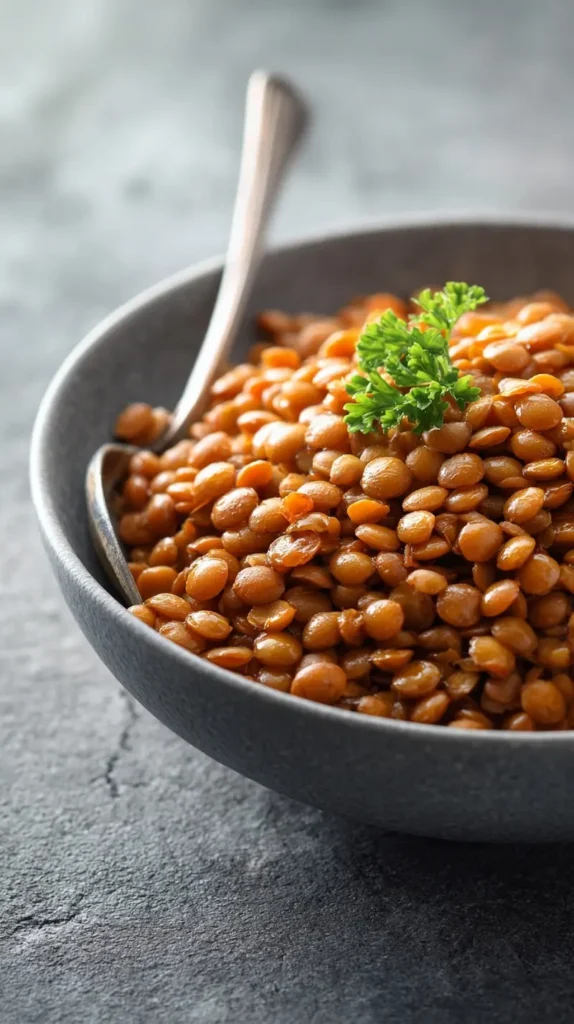
Lentils are one of the most powerful foods to lower blood sugar available in any US grocery store. With a glycemic index of approximately 32, they cause one of the slowest, most gradual glucose rises of any carbohydrate-containing food.
That low GI is driven by two mechanisms working together: soluble fiber and resistant starch. Both slow the rate at which glucose enters your bloodstream after a meal, giving your insulin time to keep up without spiking.
If you are building a weekly routine with foods to lower blood sugar, lentils are one of the easiest “repeat foods” because they work in soups, salads, and bowls.
Lentils are also rich in magnesium and plant-based protein, two nutrients directly linked to improved insulin sensitivity. The American Diabetes Association specifically lists lentils as a superstar plant-based protein for people with diabetes.
The ideal serving is 1/2 to 1 cup of cooked lentils per day. Red lentils have a slightly lower GI of approximately 26, making them marginally better for glucose control than green or brown varieties.
Add them to soups, salads, grain bowls, or use them as a rice substitute. They are available at every major US grocery store and cost under $2 per pound dry.
2. Avocado — Healthy Fats That Block Glucose Spikes
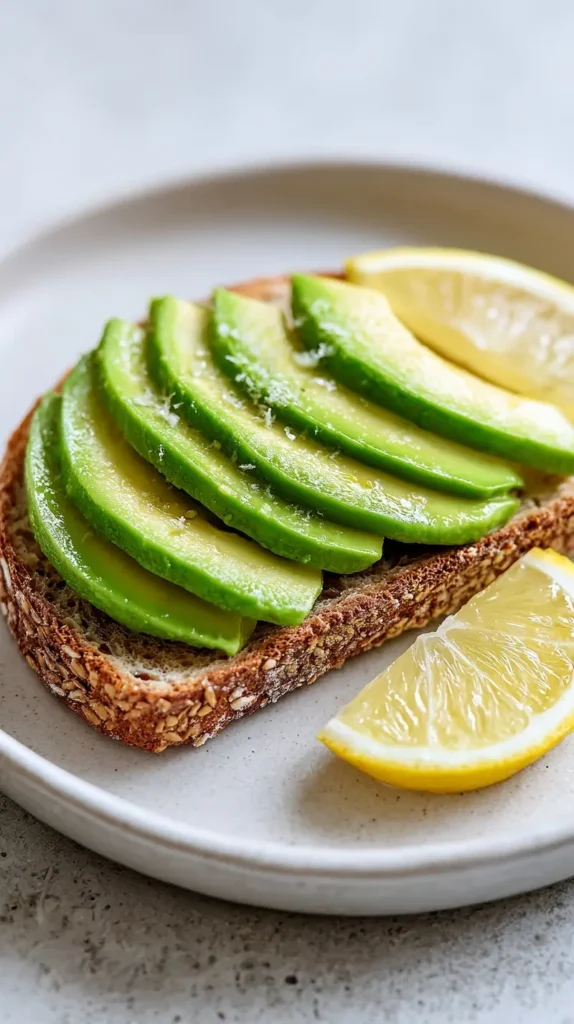
Avocado contains less than 1 gram of sugar per serving and has a glycemic index of approximately 15. The ADA lists avocado as a Diabetes Superstar Food because of its unique combination of heart-healthy fat and fiber.
As far as foods to lower blood sugar go, avocado is especially helpful at breakfast because it blunts the glucose rise from toast, oats, or fruit.
The mechanism is its high monounsaturated fat content. These healthy fats slow gastric emptying, which means glucose from the rest of your meal enters your bloodstream more slowly and gradually.
Research has also associated regular avocado consumption with lower BMI and reduced metabolic syndrome risk, both major risk factors for type 2 diabetes in Americans.
The recommended serving is half an avocado per day. Add it to toast, salads, smoothies, or eat it plain with a pinch of pink salt and lemon juice.
3. Berries — Antioxidant Powerhouses for Glucose Control
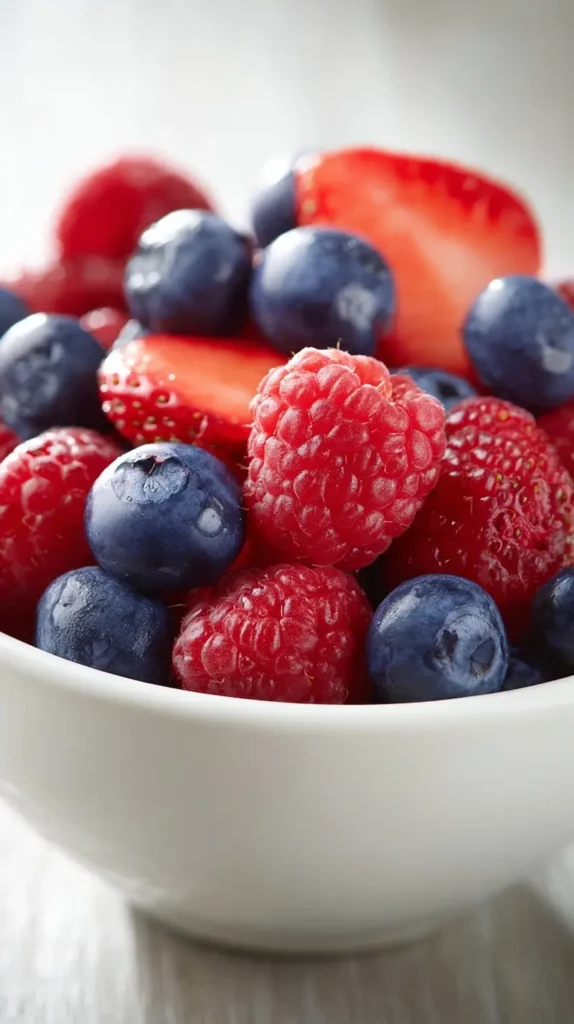
Berries are among the best foods to lower blood sugar because they combine natural sweetness with a low GI between 25 and 40, plus some of the highest antioxidant concentrations of any food.
If you want foods to lower blood sugar that still feel like a treat, berries are one of the best options in the produce aisle.
Blueberries, strawberries, and raspberries all contain polyphenols that directly reduce post-meal blood sugar spikes. The ADA recognizes berries as a Diabetes Superstar Food, noting they are packed with antioxidants, vitamins C and K, and fiber, making them a safe way to satisfy a sweet craving.
Blueberries and raspberries rank highest for blood sugar benefits due to their superior fiber and antioxidant content. A 1/2 to 1 cup serving is ideal for daily use.
For maximum effect, pair berries with oatmeal, plain Greek yogurt, or almonds. The combination of fiber from multiple sources creates a compounding blood sugar benefit at breakfast.
4. Oatmeal — The Beta-Glucan Blood Sugar Fighter
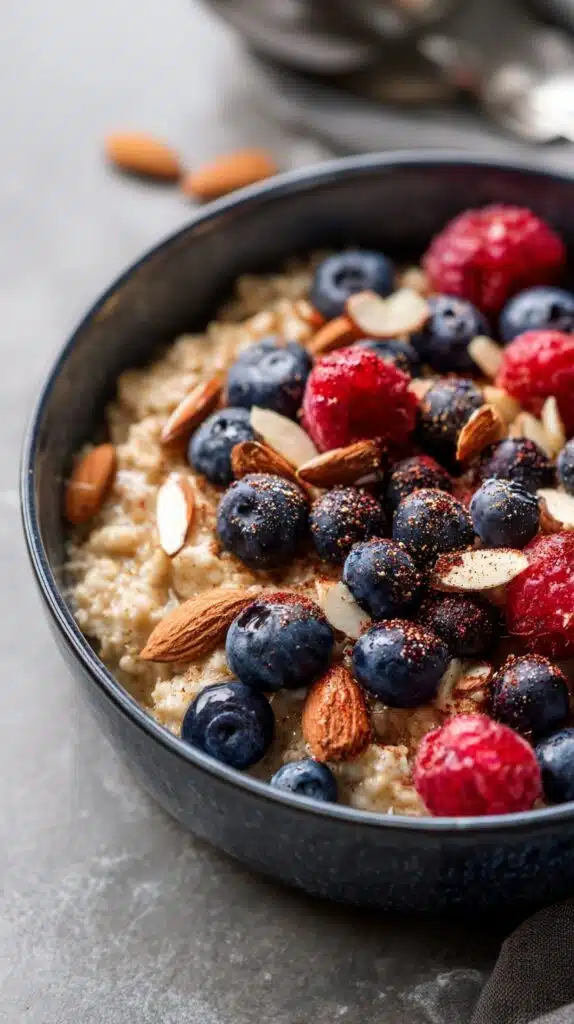
Oatmeal is one of the most studied foods to lower blood sugar in clinical research. Its secret weapon is beta-glucan, a soluble fiber that forms a thick gel in your digestive tract and dramatically slows glucose absorption.
When people ask me for everyday foods to lower blood sugar, oatmeal is often my first recommendation because it is cheap, filling, and easy to customize.
Multiple studies have shown that regular oatmeal consumption reduces both HbA1c levels and fasting blood sugar in people with type 2 diabetes. Steel-cut oats have a GI of approximately 42. Rolled oats sit around 55. Instant oats climb to 83, making them a poor choice for blood sugar management.
The best preparation is plain steel-cut or rolled oats cooked in water, then topped with berries, almonds, and a sprinkle of Ceylon cinnamon. That combination stacks three blood sugar benefits into one breakfast bowl.
Aim for 3 to 5 servings per week as part of a balanced breakfast. Steel-cut oats are available at Walmart, Target, and Amazon across the United States for under $5 per container.
5. Almonds — The Zero-GI Magnesium Snack
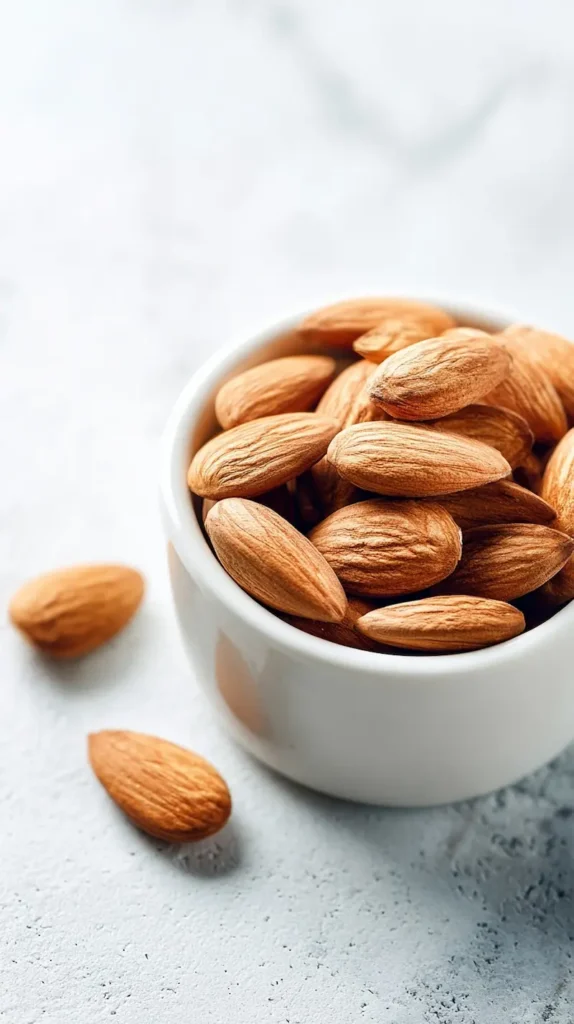
Almonds have a glycemic index of zero, meaning they produce no blood sugar response on their own. But their real power as one of the best foods to lower blood sugar comes from their magnesium content.
If you are snacking, almonds are one of the simplest foods to lower blood sugar swaps you can make instead of chips, crackers, or candy.
Magnesium is a mineral directly involved in insulin receptor function. Studies consistently show that people with low magnesium levels have higher rates of insulin resistance. A single 1-ounce serving of almonds provides approximately 20% of the daily recommended magnesium intake.
Eating almonds alongside carbohydrate-rich meals measurably reduces the post-meal glucose spike from those carbohydrates. The protein and healthy fat content of almonds physically slow gastric emptying and blunt the glycemic response.
1 ounce of raw almonds per day is the ideal serving. That equals approximately 23 almonds. Natural almond butter with no added sugar delivers the same benefits in spreadable form.
6. Broccoli — The Sulforaphane Blood Sugar Reducer
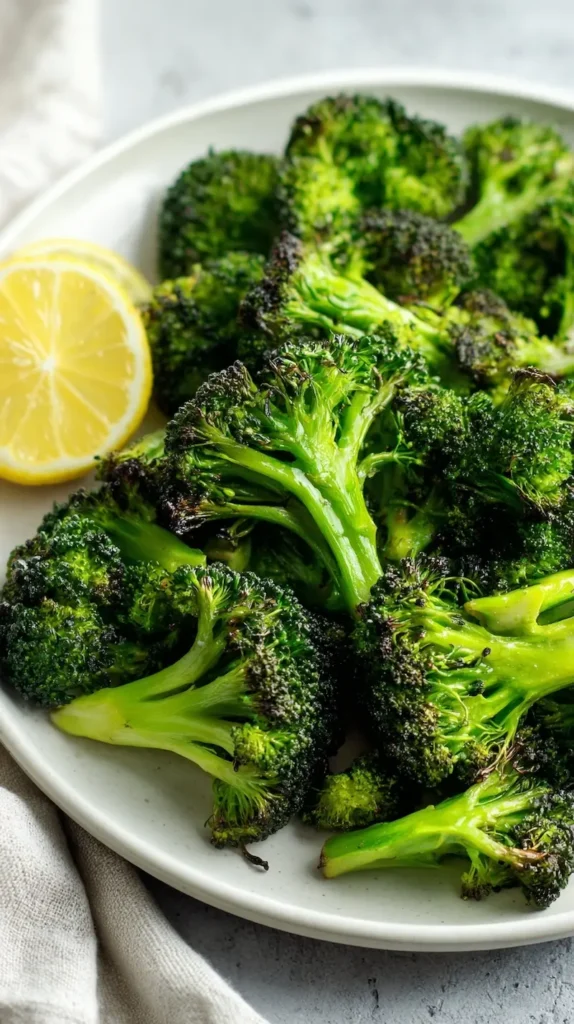
Broccoli has a glycemic index of approximately 10, one of the lowest of any vegetable. But its most remarkable property as one of the top foods to lower blood sugar is a compound called sulforaphane.
For dinner plates, broccoli is one of the easiest foods to lower blood sugar because it replaces higher-carb sides without feeling like a “diet” food.
Sulforaphane has been shown in clinical research to significantly reduce fasting blood glucose levels. It works by activating a cellular pathway that improves the body’s ability to process and use insulin effectively.
Broccoli is also high in chromium, a trace mineral that enhances insulin action at the cellular level. Broccoli sprouts contain even higher concentrations of sulforaphane than mature broccoli heads.
For maximum sulforaphane retention, eat broccoli raw, lightly steamed, or roasted. Boiling destroys a significant portion of sulforaphane content. Broccoli is available year-round at every US grocery store.
7. Cinnamon — The Spice That Mimics Insulin
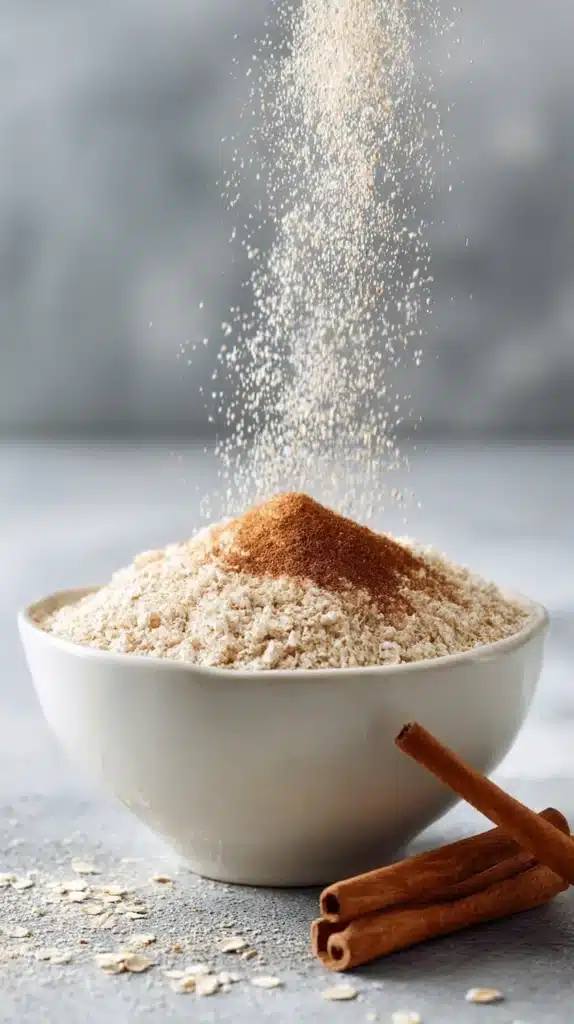
Cinnamon is the most accessible and affordable of all foods to lower blood sugar on this list. A single half teaspoon added to your morning oatmeal or coffee can measurably improve your glucose response throughout the day.
In terms of “add-on” foods to lower blood sugar, cinnamon is perfect because it upgrades meals you already eat, like oats, yogurt, and smoothies.
The active compound is cinnamaldehyde. Research shows it mimics the action of insulin by activating the same cellular receptors, improving glucose uptake into cells without requiring additional insulin output from the pancreas.
Multiple studies have demonstrated that consistent daily cinnamon consumption reduces fasting blood sugar levels, with measurable effects appearing within 1 to 2 weeks of daily use.
Ceylon cinnamon is strongly preferred over Cassia cinnamon for daily use. Cassia contains higher levels of coumarin, a compound that can affect liver health at high doses. Ceylon cinnamon is available at Walmart, Whole Foods, and Amazon across the United States.
8. Salmon — Zero Glycemic Impact with Maximum Metabolic Benefit
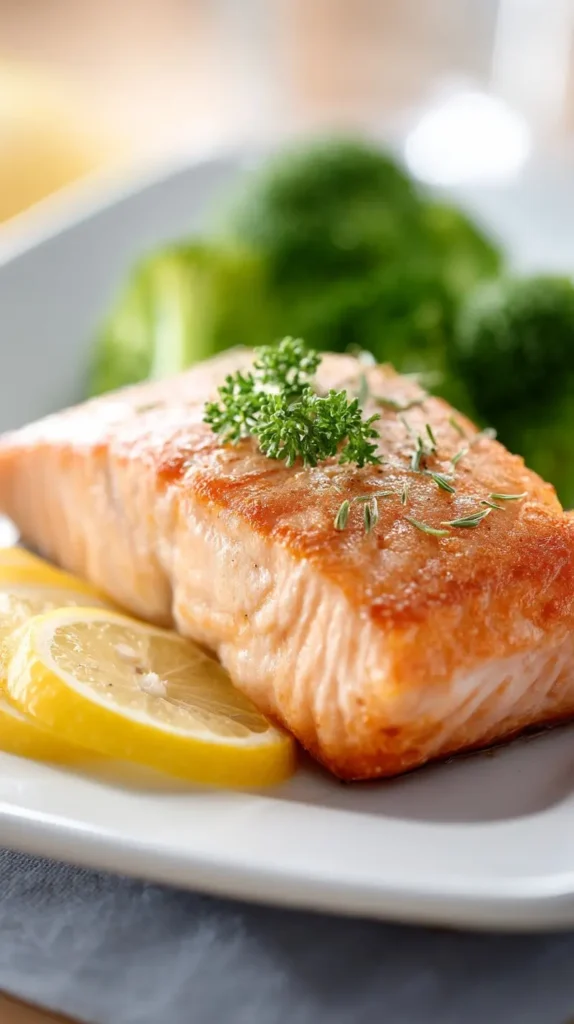
Salmon contains zero carbohydrates and has a glycemic index of zero. It earns its place among the top foods to lower blood sugar through its omega-3 fatty acids (EPA and DHA), which directly reduce chronic inflammation, one of the primary drivers of insulin resistance.
If you are choosing proteins, salmon is one of the smartest foods to lower blood sugar because it supports insulin sensitivity without adding carbs.
The American Diabetes Association recommends eating fatty fish like salmon at least 2 to 3 times per week as part of a diabetes-friendly eating pattern.
Replacing red meat with salmon even twice per week has been shown to significantly improve metabolic markers including fasting insulin levels and triglycerides.
Wild-caught Alaskan salmon is available fresh, frozen, and canned at Walmart, Costco, and Target across the United States. Canned wild-caught salmon retains similar omega-3 benefits as fresh salmon and is a more affordable option for daily US meal planning.
When you are planning dinners with foods to lower blood sugar, salmon plus broccoli is one of the simplest “default meals” you can repeat.
1-Day Blood Sugar-Friendly Meal Plan
Here is how to combine all 8 foods into a single day of eating for maximum blood sugar benefit.
This sample day is built entirely from foods to lower blood sugar, so you can copy it as-is and repeat it.
Breakfast: Steel-cut oatmeal topped with 1/2 cup blueberries, 1 ounce almonds, and 1/2 teaspoon Ceylon cinnamon.
Lunch: Red lentil soup with a broccoli and avocado salad. Drizzle of olive oil and lemon juice.
Dinner: Baked wild-caught salmon fillet with steamed broccoli and a 1/2 cup lentil side dish.
Snack: 1 ounce raw almonds and a handful of raspberries or strawberries.
This single day of eating stacks all 8 blood-sugar-lowering mechanisms: fiber, resistant starch, healthy fats, magnesium, omega-3s, sulforaphane, polyphenols, and cinnamaldehyde. Every meal works together to keep glucose stable from morning to night.
For busy weeks, this is exactly how I like to use foods to lower blood sugar: repeat the same breakfast, rotate the lunch, and keep dinner protein-based.
Print
8 Best Foods to Lower Blood Sugar Fast (Science-Backed)
- Total Time: 18 minutes
- Yield: 1 bowl
Description
This cinnamon berry oat bowl is a simple, satisfying breakfast made with foods to lower blood sugar, including steel-cut oats, berries, almonds, and cinnamon. It’s high in fiber and balanced with protein and healthy fats to support steadier glucose after breakfast.
Ingredients
1/3 cup dry steel-cut oats (or 1/2 cup rolled oats)
1 cup water (or unsweetened milk of choice)
1/2 cup mixed berries (blueberries + raspberries)
1 oz almonds (about 23), chopped or sliced
1/2 tsp Ceylon cinnamon
Pinch of salt
Optional: 1/3 cup plain Greek yogurt (adds protein)
Optional: 1–2 tsp chia seeds (extra fiber)
Optional: lemon zest (bright flavor, no added sugar)
Instructions
1. Bring water to a gentle simmer in a small pot (do not boil aggressively).
2. Stir in oats and a pinch of salt. Cook until creamy: steel-cut 15–20 minutes (or rolled oats 5–7 minutes), stirring occasionally.
3. Turn off heat and let the oats rest for 2 minutes to thicken.
4. Stir in cinnamon.
5. Top with berries and almonds.
6. Optional: add a scoop of plain Greek yogurt and sprinkle chia seeds.
7. Serve warm. For the best “steady energy” effect, eat slowly and pair with a short walk after breakfast.
Notes
Choose plain, unsweetened oats and avoid instant flavored packets for better blood sugar control.
Ceylon cinnamon is preferred for regular use.
Frozen berries work perfectly and can lower cost.
Make it meal-prep friendly: cook oats, portion into containers, and add berries + nuts right before eating.
- Prep Time: 3 minutes
- Cook Time: 15 minutes
- Category: Breakfast
- Method: Simmer & Assemble
- Cuisine: American Wellness
Nutrition
- Serving Size: 1 bowl
- Calories: 390
- Sugar: 10g
- Sodium: 95mg
- Fat: 16g
- Saturated Fat: 2g
- Unsaturated Fat: 13g
- Trans Fat: 0g
- Carbohydrates: 52g
- Fiber: 12g
- Protein: 13g
- Cholesterol: 0mg
Keywords: foods to lower blood sugar breakfast, oatmeal for blood sugar, cinnamon berry oats, steel-cut oats, berries for diabetics, almonds snack for diabetics
Foods to Avoid for Blood Sugar
Just as important as what you add to your diet is what you reduce.
White bread, white rice, and refined pasta spike glucose rapidly due to their high GI and near-zero fiber content.
Sugary breakfast cereals and flavored instant oatmeal packets are marketed as healthy but often contain more added sugar than a candy bar. The CDC notes that rising rates of diabetes in younger US adults are directly linked to increased consumption of processed foods and sugar-sweetened beverages.
Fruit juices, sweetened coffee drinks, and energy drinks deliver concentrated sugar directly into your bloodstream with no fiber to slow absorption.
Flavored yogurts, processed snack foods, and fast food all combine refined carbohydrates with inflammatory fats that worsen insulin resistance over time.
If you are focusing on foods to lower blood sugar, these are the categories that most often undo progress without you realizing it.
Swapping even two of these foods per day for options from the list above creates a measurable difference in fasting blood sugar within 2 to 4 weeks.
What US Health Experts and Trending Searches Tell Us About Salmon in 2026
The surge in salmon-related searches in the United States is not accidental. It reflects a genuine shift in how Americans are thinking about food and health in 2026.
Google Trends data from November 2025 through February 2026 shows that the top US salmon searches are overwhelmingly practical and cooking-focused: salmon recipe, salmon oven, how to bake salmon, baked salmon recipe, salmon calories, and protein in salmon.
The fastest rising queries include wild caught salmon (up 30%), salmon nutrition facts (up 20%), and how much protein in salmon (up 10%). These searches tell us that US adults are not just curious about salmon. They are actively choosing it as a health food and want to know exactly how to prepare it.
This aligns perfectly with ADA guidance. The more Americans cook salmon at home rather than relying on processed proteins, the more their metabolic health improves.
If you want to start cooking salmon at home this week, the Wegovy-friendly recipes guide on FastFlavorBites includes several salmon-based meal ideas built for blood sugar management.
Used the right way, salmon becomes one of the easiest foods to lower blood sugar meals because it is high-protein, fast to cook, and naturally low carb.
More Blood Sugar and Wellness Resources on FastFlavorBites
These articles on FastFlavorBites.com connect directly to what you just read and will help you build a complete blood-sugar-friendly routine:
90 30 50 Meal Plan: A structured daily eating framework that naturally incorporates low-GI foods including lentils, oats, and healthy proteins. Perfect for building on the meal plan in this article.
Chia Seed Water Recipe: Chia seeds share many of the same soluble fiber and blood sugar benefits as lentils and oatmeal. This is one of the simplest daily habits you can add alongside the foods in this article.
Ginger Tea for Weight Loss: Ginger has documented anti-inflammatory properties that complement the insulin-sensitizing effects of the foods in this article. A warm cup before meals supports the same satiety and metabolic goals.
Moringa Recipes Guide: Moringa is one of the most nutrient-dense blood sugar support foods in 2026, packed with chromium and antioxidants that complement every food on this list.
Magnesium Glycinate Sleep Benefits: Magnesium appears in this article as a key mineral in almonds and lentils. This guide explains why supplementing magnesium at night may further improve insulin sensitivity for US adults with prediabetes.
Natural Mounjaro Drink Recipe: One of the most searched wellness drinks in the United States in 2026, built around ingredients that reduce appetite and support metabolic health, making it a strong complement to a blood-sugar-lowering diet.
Zepbound Diet Plan: If you are using GLP-1 medications like Zepbound or Wegovy, this guide shows exactly how to structure your meals around the 8 foods in this article for maximum metabolic benefit.
If you want more recipe ideas that use foods to lower blood sugar, these internal guides will help you plan your week without overthinking it.
Final Thoughts: Start With 2 Foods This Week
You do not need to overhaul your entire diet overnight. The most effective approach for US adults managing blood sugar in 2026 is to add two of these foods this week and build from there.
Start with oatmeal and berries at breakfast. Add a handful of almonds as your afternoon snack. Then work salmon and lentils into two dinners next week.
If you want the fastest results, prioritize foods to lower blood sugar at breakfast and lunch. Those meals set your glucose pattern for the rest of the day.
Each of these 8 foods to lower blood sugar is affordable, widely available at Walmart, Target, and Costco across the United States, and backed by decades of clinical research and official US health authority guidelines.
When you build meals around foods to lower blood sugar, you are not just managing glucose. You are also supporting energy, cravings, and long-term heart health.
Small consistent changes produce the most durable results. Save this meal plan, pin it to your Pinterest board, and come back to it whenever you need a reset.
Nutritional Disclaimer: Glycemic index values and nutritional information provided in this article are based on published research and standard food composition databases. Individual responses to foods vary. This article does not constitute medical or nutritional advice. Always consult a registered dietitian or your physician before making dietary changes, especially if you are managing diabetes, prediabetes, or any other health condition.