
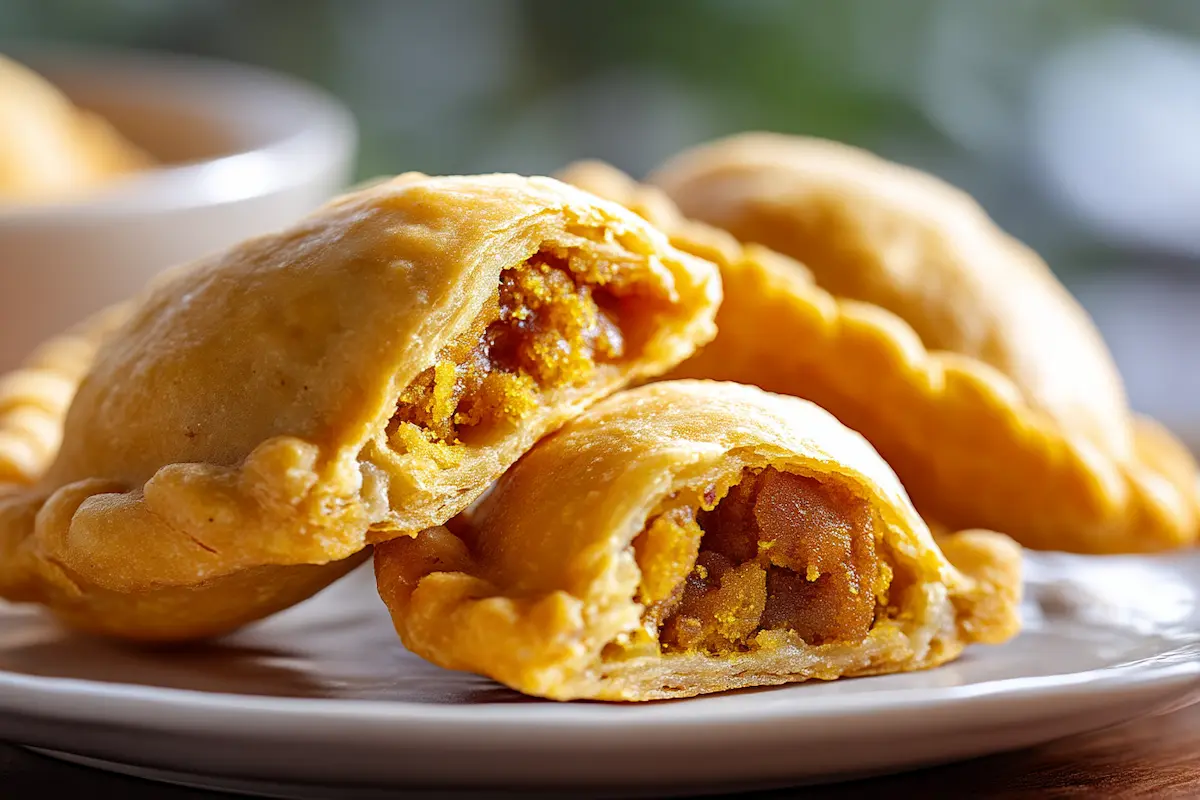
I tested this bakshalu recipe over and over until I stopped tearing the dough and finally got that soft, ghee-kissed sweet flatbread I grew up craving. One batch puffed beautifully, the next stuck to the tawa, and my kitchen smelled like caramelized jaggery every time. The turning point was getting the dough softer than regular roti and cooking the chana dal filling just enough to mash, not dry it out. In this version,
I’ll walk you through the exact balance so your bakshalu come out thin, flexible, and stuffed edge to edge. Chef Lily Jason here from fastflavorbites.com, and this is the bakshalu recipe I’d serve on a festival night or a cozy Sunday with my daughter Nouha running around the kitchen. You’ll also see how this sweet flatbread connects to bobbatlu, holige, and puran poli, and how to prep everything ahead so festival mornings feel calm instead of chaotic.
What Is Bakshalu Recipe?
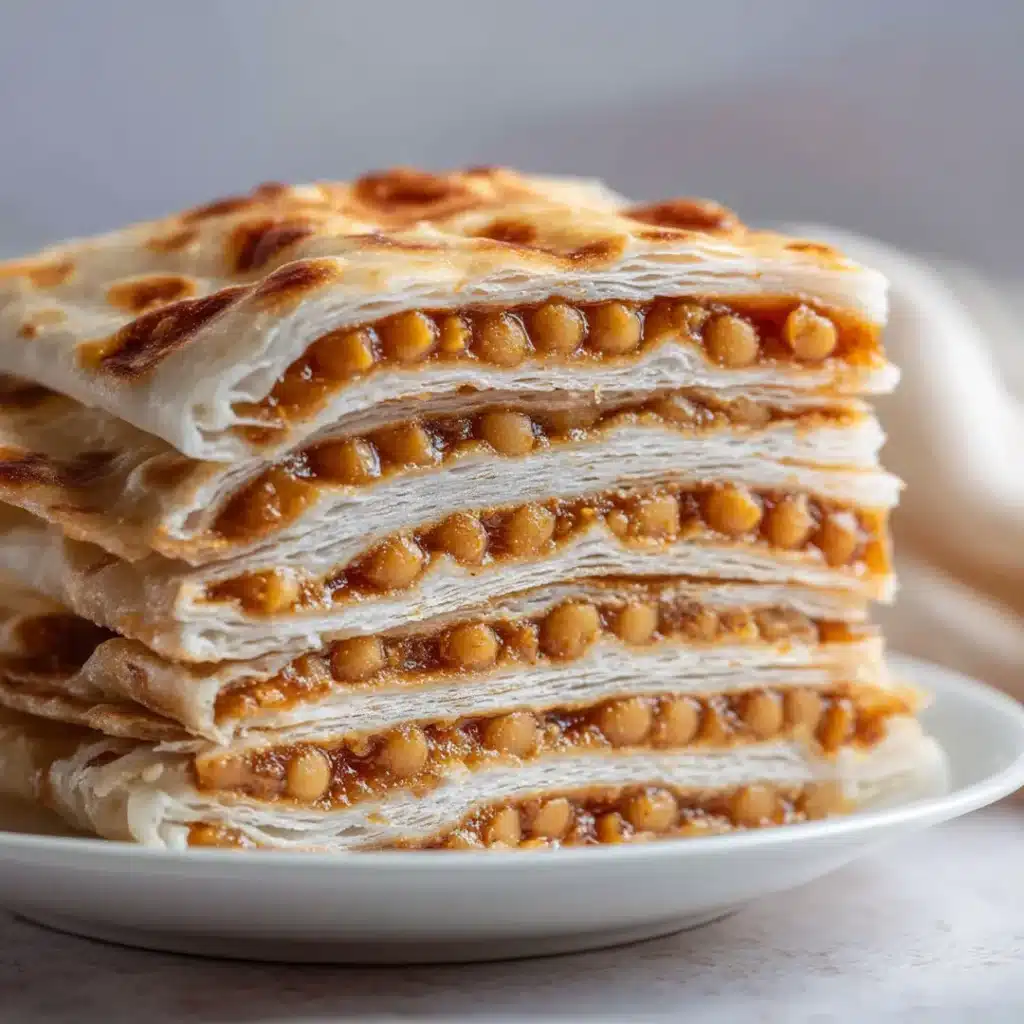
A bakshalu recipe is a method for making soft, sweet flatbreads stuffed with a mashed chana dal and jaggery filling, similar to bobbatlu, holige, or puran poli. Think of it as a stuffed chapati where the center is a smooth, cardamom-scented poornam and the outside is a thin layer of wheat and all-purpose flour fried in ghee. Traditionally these are made for festivals like Ugadi and Ganesh Chaturthi across Andhra, Telangana, Karnataka, and Maharashtra. When you nail the dough texture and filling consistency, each bakshalu bends without cracking and tastes like a warm jaggery dessert wrapped in a soft roti.
Bakshalu Recipe Ingredients US Measurements Only
For about 10 bakshalu, you’ll need one bowl for dough and one for filling so the workflow stays clean and easy.
Dough ingredients
- 1 cup all purpose flour (maida)
- 1 cup whole wheat flour
- 1 teaspoon sugar
- 1 teaspoon neutral oil
- 1 teaspoon ghee
- 1 pinch turmeric powder (optional, for color)
- 1/2 teaspoon salt
- About 3/4 cup lukewarm water, plus more as needed
Filling (poornam)
- 1 cup chana dal (Bengal gram), rinsed and soaked 30–40 minutes
- 3 cups water for boiling the dal
- 1 cup grated or powdered jaggery, tightly packed
- 1/2 teaspoon cardamom powder
- 1 teaspoon ghee
For cooking
- 3–4 tablespoons ghee, for frying the bakshalu
- Extra dry flour for dusting the board
For detailed nutrient data on lentils and grains like chana dal and wheat flour, you can explore the official USDA FoodData Central database, which lists protein, fiber, and micronutrients for hundreds of foods.
How to Make Bakshalu Recipe Step by Step
Step 1: Soak and Cook the Chana Dal
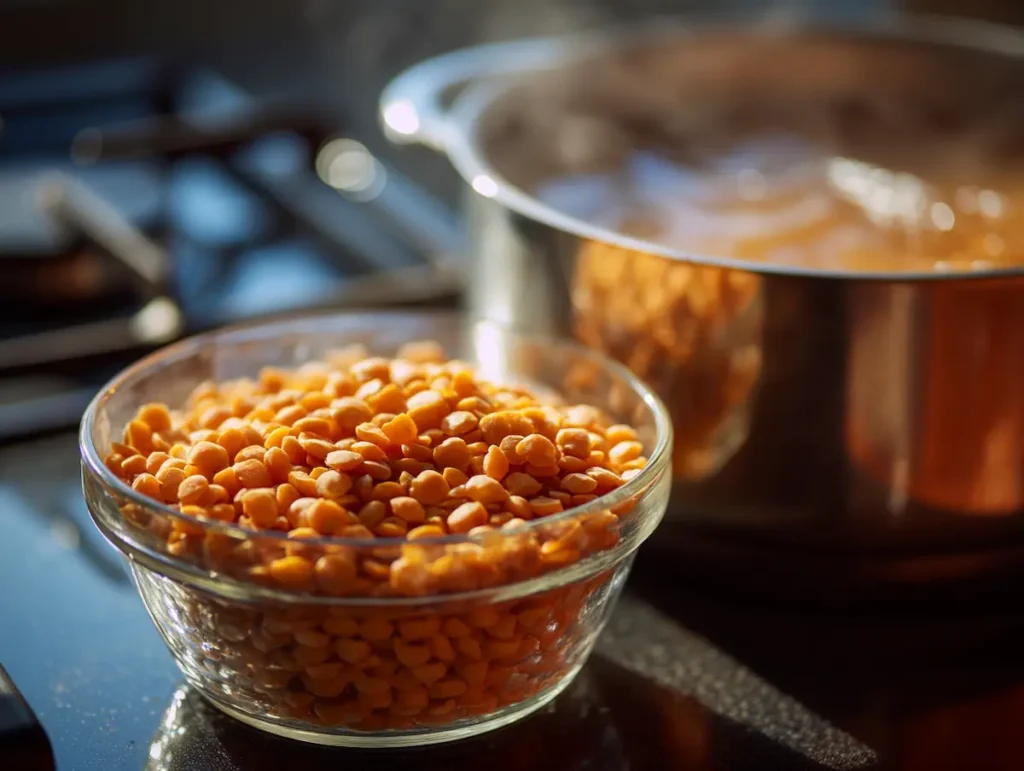
Rinse the chana dal well, then soak it in plenty of water for 30 to 40 minutes so it cooks evenly and mashes easily later. Drain, add to a pot with 3 cups fresh water, and simmer until the dal is very soft but not falling apart or mushy; you want grains that hold shape yet crush between your fingers. As the dal simmers, your kitchen will start to smell nutty and warm.
Step 2: Make the Dough Soft and Stretchy
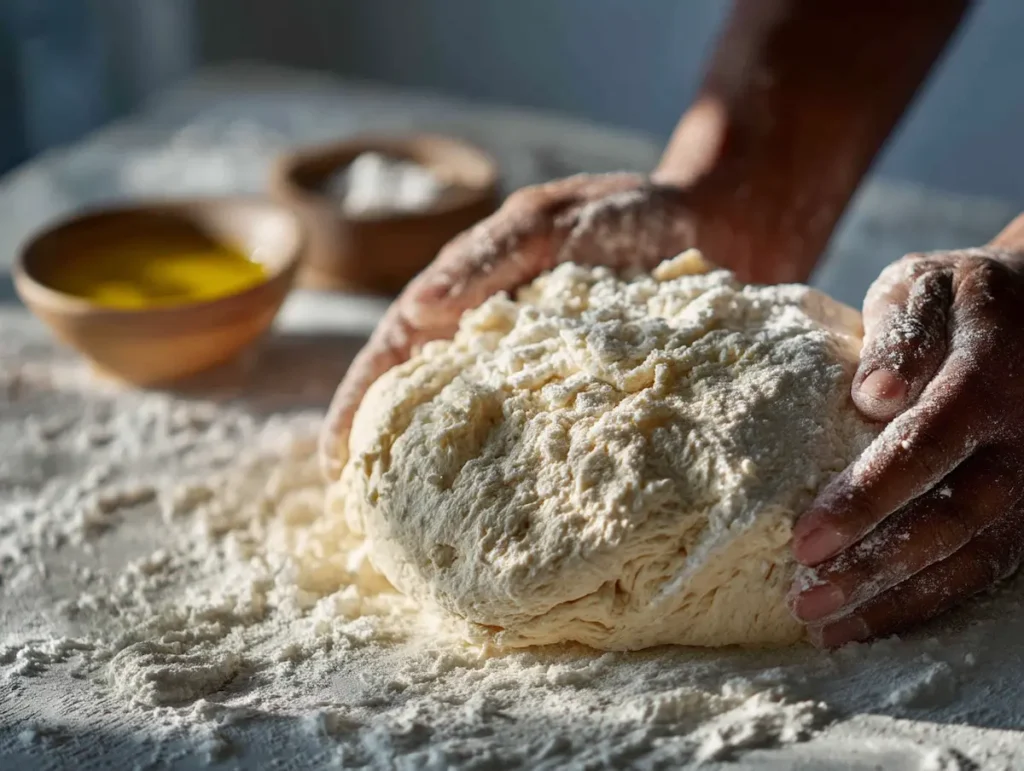
In a mixing bowl, combine the all purpose flour, whole wheat flour, sugar, turmeric, and salt, then drizzle in oil and ghee. Slowly pour in lukewarm water while mixing with your fingers until a very soft dough forms, looser than normal roti dough so it can stretch around the filling without tearing. Knead for 8 to 10 minutes until the surface feels smooth and slightly bouncy, then coat lightly with oil and rest covered for 30 minutes.
Step 3: Prepare the Jaggery Poornam
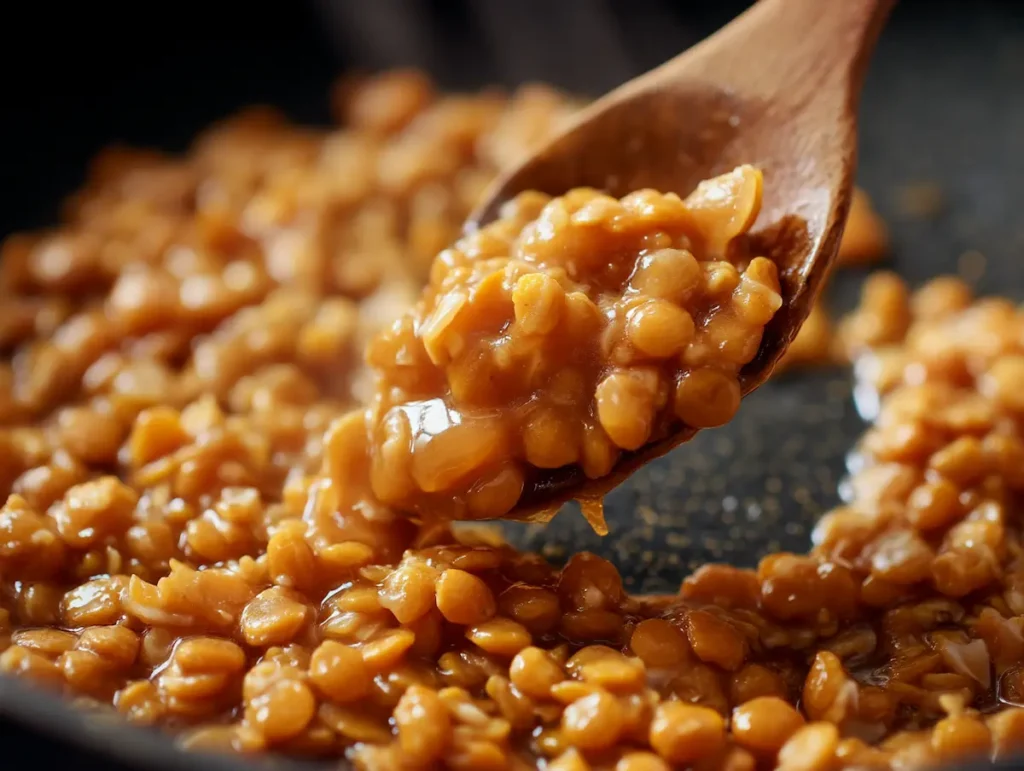
Once the chana dal is cooked, drain it completely, then mash or pulse it into a coarse paste so there are no hard pieces left. In a pan, melt jaggery with a splash of water on low heat, stir in the mashed dal, cardamom, and ghee, and cook until the mixture thickens and comes together into a soft, non-sticky ball. You’ll know it is ready when it smells like caramel and cardamom and you can roll a little portion between your fingers without it crumbling.
Step 4: Shape the Dough and Filling Balls
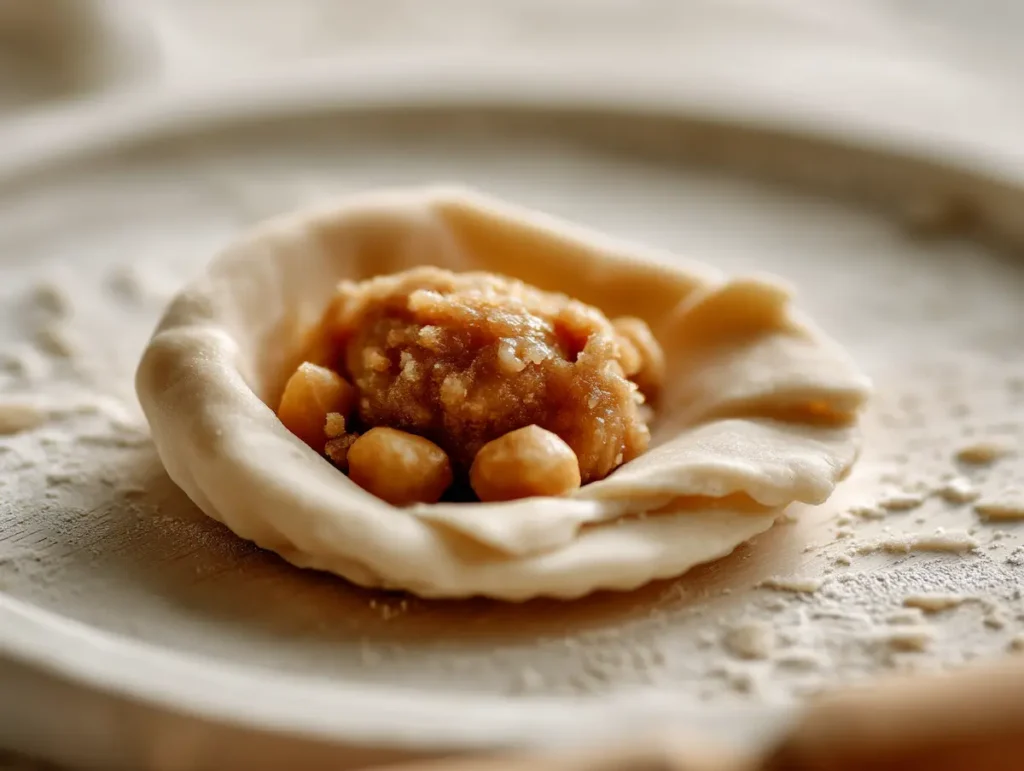
Divide the rested dough into 10 equal balls and the cooled poornam into 10 portions so you can keep the stuffing ratio consistent. Roll each dough ball into a small disc, place a filling ball in the center, gather the edges, and pinch them together to seal, then gently flatten with your fingers, keeping the seam side down. Sprinkle a little dry flour and roll each piece into a thin disc, about 5 to 6 inches wide, watching the surface stretch like a soft pillow without cracking.
Step 5: Cook the Bakshalu on a Hot Tawa
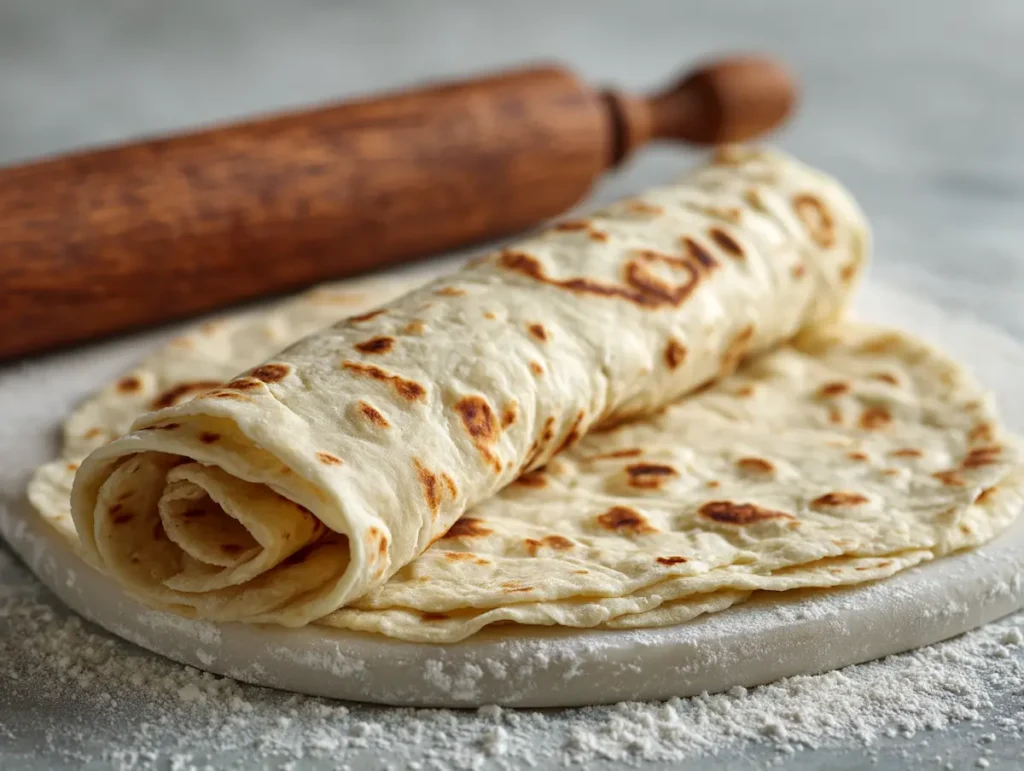
Heat a tawa or flat skillet over medium heat until a drop of water sizzles instantly, then place one rolled bakshalu on the hot surface. When you see small bubbles and light golden spots on the underside, flip, brush with ghee, then cook both sides until deep golden with some darker patches, pressing gently with a spatula for even contact. The bakshalu should feel soft and bendable, with a sweet, toasty smell from the jaggery and ghee.

Bakshalu Recipe
- Total Time: 1 hour 10 minutes
- Yield: 10 bakshalu 1x
Description
Soft, golden bakshalu filled with a smooth chana dal and jaggery poornam, fried in ghee until tender and flexible. A classic South Indian festival sweet flatbread made with a half wheat, half maida dough that stretches without tearing. Ready in about 1 hour 30 minutes and makes 10 bakshalu perfect for Ugadi, Ganesh Chaturthi, or any cozy family occasion.
Ingredients
Dough
1 cup all-purpose flour (maida)
1 cup whole wheat flour
1 teaspoon sugar
1 teaspoon neutral oil
1 teaspoon ghee
1 pinch turmeric powder (optional, for color)
1/2 teaspoon salt
3/4 cup lukewarm water, plus more as needed
Filling (Poornam)
1 cup chana dal (Bengal gram), rinsed and soaked 30–40 minutes
3 cups water, for boiling the dal
1 cup grated or powdered jaggery, tightly packed
1/2 teaspoon cardamom powder
1 teaspoon ghee
For Cooking
3–4 tablespoons ghee, for frying the bakshalu
Extra dry flour, for dusting the board
Instructions
Soak and Cook the Chana Dal: Rinse the chana dal, soak in water for 30–40 minutes, then drain. Add to a pot with 3 cups fresh water and simmer until very soft but still holding shape. The dal should crush easily between your fingers.
Make the Dough: Combine all-purpose flour, whole wheat flour, sugar, turmeric, and salt in a bowl. Add oil and ghee, then slowly mix in lukewarm water until a very soft, stretchy dough forms. Knead for 8–10 minutes until smooth, coat lightly with oil, cover, and rest for 30 minutes.
Prepare the Jaggery Poornam: Drain the cooked dal and mash or pulse into a coarse paste. In a pan, melt jaggery with a splash of water on low heat, stir in the mashed dal, cardamom, and ghee. Cook until the mixture thickens and pulls together into a soft, non-sticky ball that smells like caramel and cardamom.
Shape Dough and Filling Balls: Divide the rested dough and cooled poornam into 10 equal portions each. Roll each dough ball into a small disc, place a filling ball in the center, gather the edges, pinch to seal, and gently flatten. Dust lightly with flour and roll each piece into a thin disc about 5–6 inches wide.
Cook on a Hot Tawa: Heat a tawa over medium heat until a drop of water sizzles instantly. Place one rolled bakshalu on the tawa, wait for small bubbles and golden spots on the underside, then flip. Brush with ghee and cook both sides until deep golden with some darker patches, pressing gently with a spatula. Each bakshalu should feel soft and bendable when done.
Notes
Dough softness is key: The dough should be softer than regular roti dough. If it springs back or cracks while rolling, knead in a little more water.
Meal prep tip: Make the filling a day ahead and store in the fridge. The dough also keeps refrigerated overnight with a light oil coat.
Storage: Bakshalu keep 1 day at room temperature or 2–3 days in an airtight container in the fridge. Place parchment between layers to prevent sticking.
Reheat: Warm on a dry pan over low heat to bring back the soft, ghee-scented texture.
Variation: Add grated coconut to the filling or replace part of the wheat flour with semolina for extra texture.
- Prep Time: 40 minutes
- Cook Time: 30 minutes
- Category: Dessert
- Method: Pan-fried
- Cuisine: Indian
Keywords: bakshalu, bobbatlu, sweet flatbread, chana dal, jaggery, South Indian recipe, festival recipe, Ugadi, puran poli
Bakshalu vs Puran Poli vs Bobbatlu Sweet Flatbread Comparison
| Sweet flatbread | Main filling | Flour used | Region / name | Typical occasion |
|---|---|---|---|---|
| Bakshalu / Bobbatlu | Chana dal and jaggery with cardamom | Wheat flour and all purpose flour | Andhra and Telangana | Ugadi, festivals, special family meals |
| Puran poli | Chana dal or toor dal with jaggery | Wheat flour or maida | Maharashtra, Gujarat, Karnataka | Holi, Ganesh Chaturthi, festive lunches |
| Holige / Obbattu | Dal plus coconut and jaggery, or sugar | Maida or a mix of flours | Karnataka and South India | Regional festivals and celebrations |
| Bellam bakshalu | Jaggery and coconut, sometimes no dal | Wheat flour or semolina-based dough | Various South Indian regions | Offerings and sweet cravings |
For more background on lentils and how they are used and stored in everyday cooking, you can check educational resources such as government-linked lentil guides like UnlockFood’s lentil storage tips, which summarize recommendations based on official food safety advice.
Why This Bakshalu Recipe Works
This bakshalu recipe works because it combines a protein-rich dal, mineral-rich jaggery, and aromatic spices inside a thin, ghee-brushed flatbread that feels indulgent but still rooted in home cooking. The dal provides body and structure so the filling stays soft instead of leaking out, while jaggery brings that deep caramel flavor that pairs perfectly with cardamom. I like to keep the dough half wheat and half maida so you get a balance of softness and a tiny bit of chew that makes every bite feel satisfying, not heavy. Once you learn the feel of the dough and the thickness of the filling, you can repeat that texture every time without overthinking measurements.

One nice side benefit is how flexible this base recipe is once you understand the ratios. You can swap part of the wheat flour for semolina for extra texture, or add grated coconut to the filling for a richer festival version without changing the core method. Because the dough is softer than normal roti, it can stretch around slightly wetter fillings too, as long as you cook the poornam long enough for excess moisture to evaporate. This is exactly where many people go wrong, ending up with cracked edges or sticky centers, so I always test a small ball first: roll, cook, and adjust before committing to the whole batch.
Bakshalu Recipe for Meal Prep and Daily Routine
Even though bakshalu recipe is usually a festival treat, you can make it work in a regular week if you split the steps across a couple of days. Prepare the chana dal and jaggery filling the night before, let it cool completely, and store it in an airtight container in the fridge so it stays firm and easy to portion the next day. The dough also rests well in the fridge when lightly oiled and wrapped, and the extra time actually relaxes the gluten so rolling feels easier, not harder.
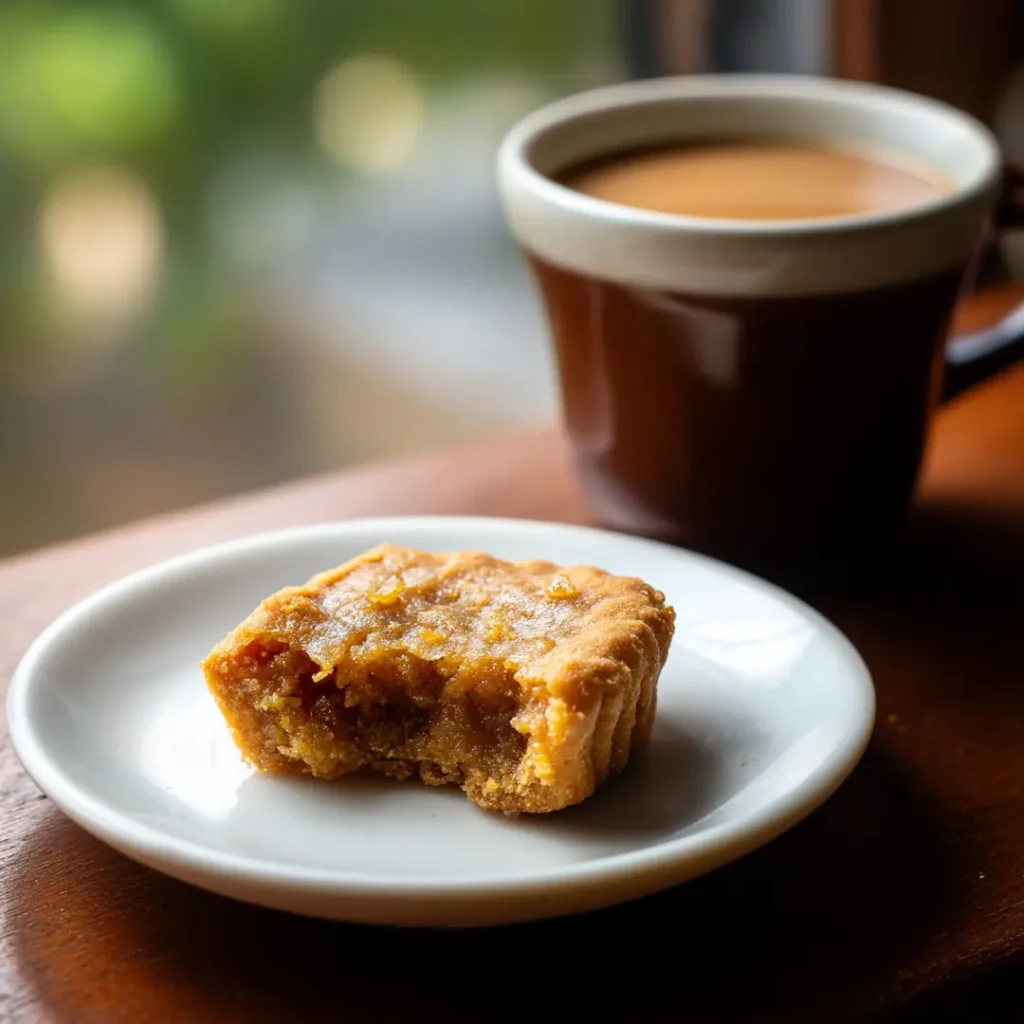
On a busy weeknight, you can roll and cook just a few bakshalu and keep the rest of the dough and filling chilled for 24–48 hours, which is helpful if you’re juggling work and kids. If you like playing with breads, this is also a fun companion recipe to your savory flatbreads: for example, you could serve a savory meal with a side of quick homemade naan from your fast naan recipe, then finish with one warm bakshalu per person as dessert. I also love pairing leftover bakshalu with tea on the second day, heated on a dry pan until the jaggery almost melts again, for a low-effort afternoon treat.
5 Mistakes to Avoid With Bakshalu Recipe
The first few times I made bakshalu recipe, I rushed the dough and ended up with discs that cracked as soon as I rolled them, which is frustrating after all that soaking and mashing. The biggest mistake is keeping the dough as stiff as chapati dough; for bakshalu you need a softer, almost loose dough so it hugs the poornam without resisting. I also learned the hard way that undercooking the jaggery filling leaves extra moisture that makes the bakshalu break or ooze while frying, so now I always cook until the mixture thickens and leaves the sides of the pan.
- Dough too stiff: Your dough should feel softer than roti dough; if it springs back too much or cracks while rolling, add a teaspoon or two of water and knead again until pliable.
- Filling too wet: If the poornam feels sticky or spreads on its own, cook it a bit longer on low heat until it thickens into a soft ball that you can roll cleanly.
- Tawa too cold or too hot: A lukewarm pan makes the dough dry out without browning, while an overheated pan burns the outside before the layers cook, so aim for an even medium heat.
- Rolling unevenly: If one side is too thin and the other thick, the filling will leak on the thin side; rotate the dough a quarter turn after every few rolls and use light pressure to keep it even.
- Storing while still hot: Stacking bakshalu straight from the tawa traps steam, making them soggy and prone to tearing; let each one cool slightly on a rack before stacking in a container.
For more context on how long cooked lentil fillings stay safe, you can look at government-backed advice summarised in guides like lentil storage recommendations, which note that cooked lentils kept in the fridge are typically best within several days. If you enjoy stuffed dough projects, this is also a good time to explore something savory like the potato-filled pastry guide for another filling-and-dough combo night.
Frequently Asked Questions About Bakshalu Recipe
How do you make soft bakshalu recipe at home?
What is the difference between bakshalu, bobbatlu, holige, and puran poli? How long does bakshalu recipe keep and how should you store it? Can you make bakshalu dough with only wheat flour instead of maida? Can you freeze bakshalu recipe for later? How do you stop bakshalu from tearing when you roll them?
How do you make soft bakshalu recipe at home?
You make soft bakshalu recipe at home by using a looser dough than regular roti, soaking and cooking the chana dal until it mashes easily, and cooking the jaggery filling until thick but still moist. Rest the dough for at least 30 minutes, roll gently with light flour dusting, and cook on a medium hot tawa with ghee until golden, which keeps the flatbreads flexible and tender.
What is the difference between bakshalu, bobbatlu, holige, and puran poli?
Bakshalu, bobbatlu, holige, and puran poli are regional names for similar sweet flatbreads made with a dal and jaggery filling wrapped in a thin flour dough and fried or roasted with ghee. Andhra and Telangana often say bakshalu or bobbatlu, Karnataka uses holige or obbattu, and Maharashtra says puran poli, but the basic method and festival feeling stay very similar in every version.
How long does bakshalu recipe keep and how should you store it?
Bakshalu recipe keeps well for one day at room temperature and up to two or three days in the refrigerator if stored in an airtight container once completely cooled. Place parchment between layers to avoid sticking, then reheat on a dry pan over low heat until warm and slightly crisp at the edges, which brings back the soft, ghee-scented texture without drying them out.
Can you make bakshalu dough with only wheat flour instead of maida?
Yes, you can make bakshalu dough with only wheat flour instead of maida, but the texture changes slightly, becoming a bit more hearty and less stretchy. To keep the bakshalu recipe soft with pure wheat, add a little extra oil or ghee while kneading, extend the rest time, and roll gently with more patience, which still gives you thin, flavorful flatbreads that feel more wholesome.
Can you freeze bakshalu recipe for later?
You can freeze bakshalu recipe by either freezing the rolled, uncooked discs separated with parchment or by freezing fully cooked and cooled bakshalu in airtight containers. For best results, reheat frozen cooked bakshalu directly on a medium hot tawa with a bit of ghee until heated through, as this prevents sogginess and refreshes the edges so they taste close to freshly made.
How do you stop bakshalu from tearing when you roll them?
To stop bakshalu from tearing, keep the dough softer than chapati dough, make sure the filling is cool and slightly firm, and flatten each stuffed ball gently before rolling slowly from the center outward. Dust the board lightly with flour instead of overloading it, rest the stuffed balls briefly, and fix small cracks with a touch of dough, which protects the bakshalu recipe from leaking or breaking on the tawa.
Conclusion
Bakshalu recipe is one of those sweets that looks complicated from the outside but becomes deeply satisfying once you understand the rhythm of soaking, mashing, rolling, and frying. A soft dough, a smooth poornam, and a steady medium heat are really all you need for thin, golden flatbreads that bend without breaking and taste like festival comfort food. When I want to balance a rich sweet with something savory,
I’ll often pair a bakshalu night with simple dishes like your fast naan recipe or playful mains like spicy tteokbokki for that fastflavorbites mix of bold and nostalgic cooking. Once you’ve tried this version, you can start riffing with coconut, semolina, or different flours, but this tested base will always be your go-to for soft, ghee-brushed bakshalu that actually work.
For dessert lovers who want even more sweet projects after bakshalu, you can also bake something trendy like chewy pookies so your kitchen turns into a full-on dessert workshop.