
Medical Disclaimer: This article is for educational purposes only and does not constitute medical advice. Consult a healthcare provider before making dietary changes, especially if you have medical conditions or take medications. Dr. Jennifer Ashton has not endorsed commercial gelatin weight loss products.
Last Updated: January 15, 2026
Dr Jennifer Ashton Gelatin Trick: Scam Warning + Real Science (2026)
If you’ve been anywhere near TikTok or Instagram lately, you’ve probably seen people talking about the “Dr. Jennifer Ashton gelatin trick” for weight loss. Maybe you’ve watched someone swallow gelatin cubes before meals, or seen fake AI-generated ads claiming Dr. Ashton endorses “Burn Slim” gelatin products.
Here’s the truth in 2026: Dr. Jennifer Ashton, ABC News’ Chief Medical Correspondent, has NEVER created or endorsed commercial gelatin weight loss products. Those ads using her image are scams. However, beneath all the misinformation, there’s actually a legitimate appetite-control method based on real digestive science that’s worth understanding.
I spent over 20 hours researching this trend, consulting with registered dietitians, reviewing clinical studies on gelatin and satiety, and separating evidence-based facts from viral fiction. This comprehensive guide covers the real bariatric-inspired gelatin protocol, the timing science, research on appetite control, and honest answers about safety and effectiveness.
Quick takeaways before we dive in:
- This isn’t an official Dr. Ashton product; it’s a wellness adaptation of bariatric gelatin protocols used in medical settings
- The method works through appetite regulation, not fat burning or metabolism boosting
- Research shows gelatin increases fullness by 20% but offers no unique advantage over other proteins for long-term weight loss
- Simple protocol: unflavored gelatin taken 15-30 minutes before meals to promote satiety
- Results require pairing with balanced nutrition; this is a support tool, not a standalone solution
- Not suitable for bariatric patients without medical approval or those with swallowing difficulties
Scam Alert: Fake Dr. Jennifer Ashton Gelatin Products (2026)
Before we discuss the real science, you need to know about the widespread scam targeting people searching for this information.
Warning signs of fake products:
- AI-generated images of Dr. Ashton holding products she never endorsed
- Products called “Burn Slim,” “Ashton Gelatin Formula,” or similar names falsely attributed to her
- Claims of “doctor-approved miracle weight loss” or “melt fat while you sleep”
- Suspicious checkout pages requesting excessive personal information
- No verifiable connection to Dr. Ashton’s verified social media or ABC News
What Dr. Ashton actually recommends: In her verified appearances on Good Morning America and in her book The Self-Care Solution, Dr. Ashton discusses adding hydrolyzed collagen powder (not gelatin products) to her morning smoothies for skin and joint health. She has never promoted gelatin for weight loss or endorsed any commercial gelatin supplements.
The real method discussed below is based on bariatric medicine protocols used in hospitals, not celebrity endorsements. According to research published in Appetite journal, gelatin-based preloads can reduce subsequent meal intake by approximately 20%, but this effect is similar to other protein sources.
Why Everyone’s Talking About Gelatin and Appetite Control
The wellness community’s interest in gelatin for appetite control stems from legitimate medical practices. Bariatric surgery patients have used simple gelatin protocols for decades as part of post-operative nutrition plans designed by registered dietitians.
Dr. Ashton’s connection comes from her overall wellness philosophy, which emphasizes simple, sustainable health habits. She frequently discusses collagen and gelatin’s nutritional benefits on ABC News, focusing on their amino acid profile (glycine and proline) that supports gut lining, skin elasticity, and joint health.
The wellness community noticed these patterns and created what’s now called the “gelatin trick”—a pre-meal routine aligning with practical health principles. It’s an inspired interpretation of bariatric protocols, not an endorsed celebrity product.
What makes this approach compelling is its simplicity in an era of complicated diet protocols and expensive supplements. A basic gelatin routine feels doable and accessible. If you’re exploring other evidence-based wellness strategies, you might also want to check out the pink salt trick gaining similar attention in functional nutrition circles.
The Science: How Gelatin Affects Appetite and Fullness
Strip away the viral hype, and here’s the mechanism: a pre-meal satiety strategy using unflavored gelatin powder based on gastric volume and delayed emptying.
What happens in your digestive system:
When you consume gelatin mixed with water 15-30 minutes before eating, it forms a gel-like substance in your stomach. This creates physical volume without significant calories (about 25 calories per serving). The gel slows gastric emptying—the rate at which food leaves your stomach—which triggers satiety hormones like cholecystokinin (CCK) and glucagon-like peptide-1 (GLP-1) earlier in your meal.
Research published in the British Journal of Nutrition found that protein preloads, including gelatin, increased feelings of fullness and reduced voluntary food intake at subsequent meals. However, a 2010 randomized controlled trial in Physiology & Behavior concluded that while gelatin supports satiety, it offers no unique long-term weight maintenance advantage compared to other protein sources like whey or casein.
The realistic outcome: You feel satisfied sooner during meals. You’re less likely to overeat. You naturally reach for smaller portions. Most importantly, you create a mindful pause before eating that helps distinguish actual hunger from emotional or habitual consumption.
Let’s be completely transparent: this doesn’t burn fat, speed metabolism, or “melt pounds while you sleep.” The entire benefit comes from behavioral appetite regulation and the calorie reduction that follows when you feel fuller on less food.
Think of it as a gentle behavioral guardrail, not a metabolic intervention. It works alongside healthy eating patterns, not instead of them. For comprehensive understanding of different gelatin diet recipes and their clinical applications, explore our evidence-based guide.
The Complete Medical-Grade Gelatin Protocol (2026)
Here’s the evidence-based recipe adapted from bariatric nutrition protocols. You can consume it as a warm liquid or set it into convenient gelatin cubes for weekly meal prep.
Ingredients
- 1 tablespoon unflavored gelatin powder (7g protein) – Choose grass-fed, high-quality brands like Vital Proteins Beef Gelatin or Great Lakes Unflavored Gelatin
- ½ cup hot water (160-180°F, not boiling – boiling temperatures denature gelatin proteins)
- ½ cup cold filtered water or unsweetened herbal tea
- 1 teaspoon fresh lemon juice (optional – adds vitamin C for collagen synthesis and aids digestion)
- Pinch of pink Himalayan salt (optional – enhances mineral content and electrolyte balance)
Step-by-Step Instructions
Step 1: Bloom the gelatin (critical for smooth texture)
Sprinkle gelatin powder over 1-2 tablespoons of cold water in a heat-safe bowl. Let it sit undisturbed for 60-90 seconds until it becomes thick and spongy. This “blooming” process hydrates the gelatin particles and prevents clumping when hot water is added. Do not skip this step—it’s the difference between smooth gel and lumpy texture.

Step 2: Add hot water and dissolve completely
Pour hot water (tested at 160-180°F with a kitchen thermometer) over the bloomed gelatin. Stir continuously for 45-60 seconds using a whisk or fork until completely dissolved. You should see no granules, lumps, or cloudiness. The mixture will be clear and slightly viscous.

Step 3: Add cold liquid and optional ingredients
Stir in cold water or unsweetened herbal tea (chamomile and peppermint work well). Add fresh lemon juice and pink salt if using. The mixture will thin slightly but remain warm. At this stage, the liquid contains approximately 25 calories and 7g easily-digestible protein.
Step 4: Choose your consumption method
Option A: Immediate consumption (warm liquid method)
Drink the warm mixture 15-30 minutes before your meal. This works well if you’re home and preparing to eat soon. The warmth also provides a soothing, mindful ritual that signals your body to prepare for eating.
Option B: Gelatin cubes for meal prep (recommended for consistency)
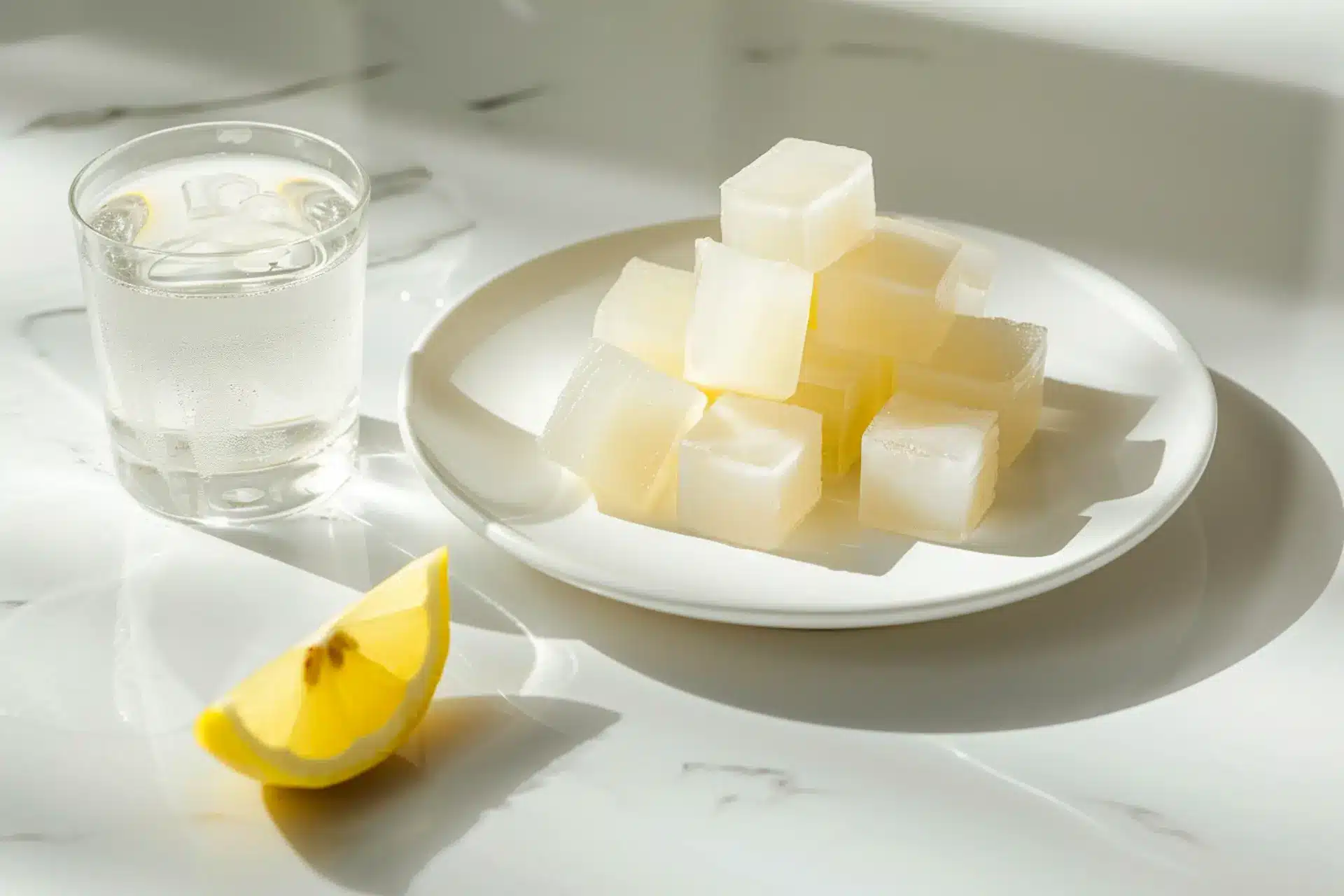
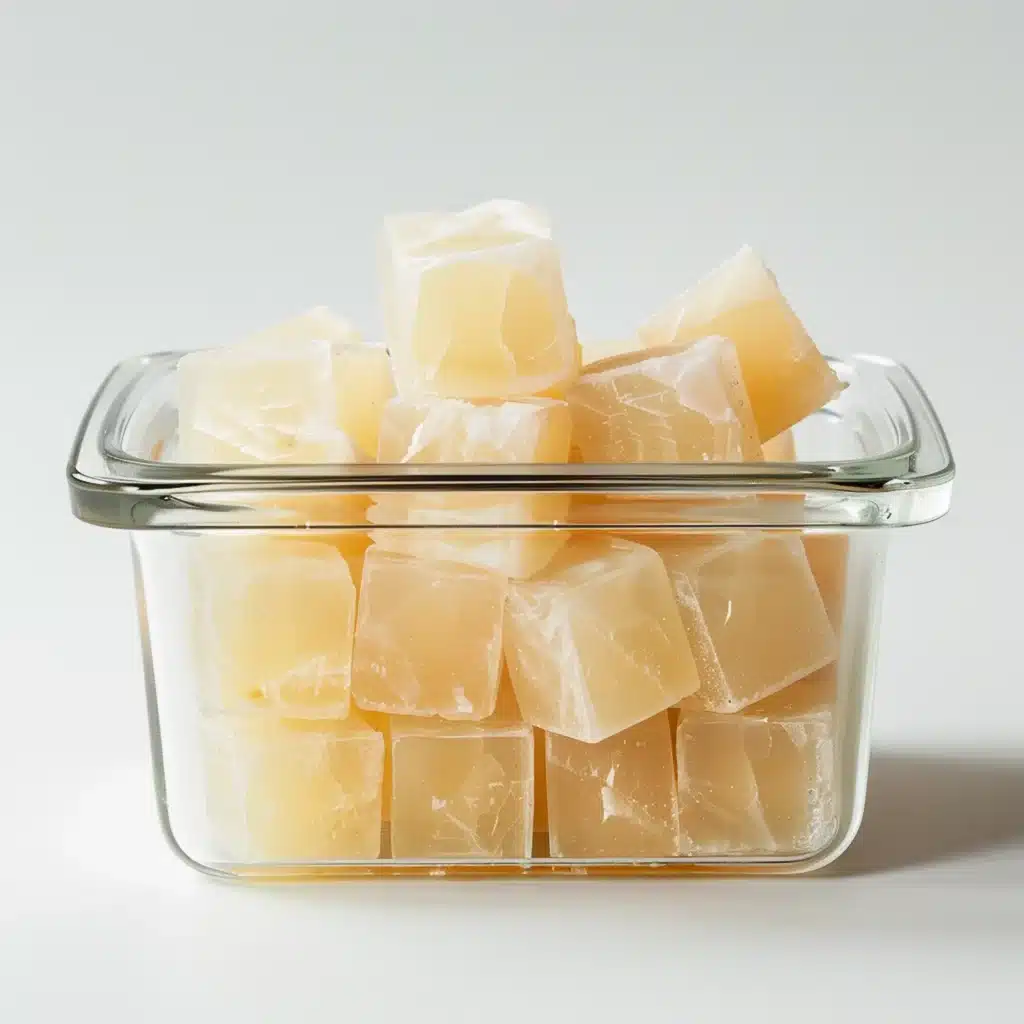
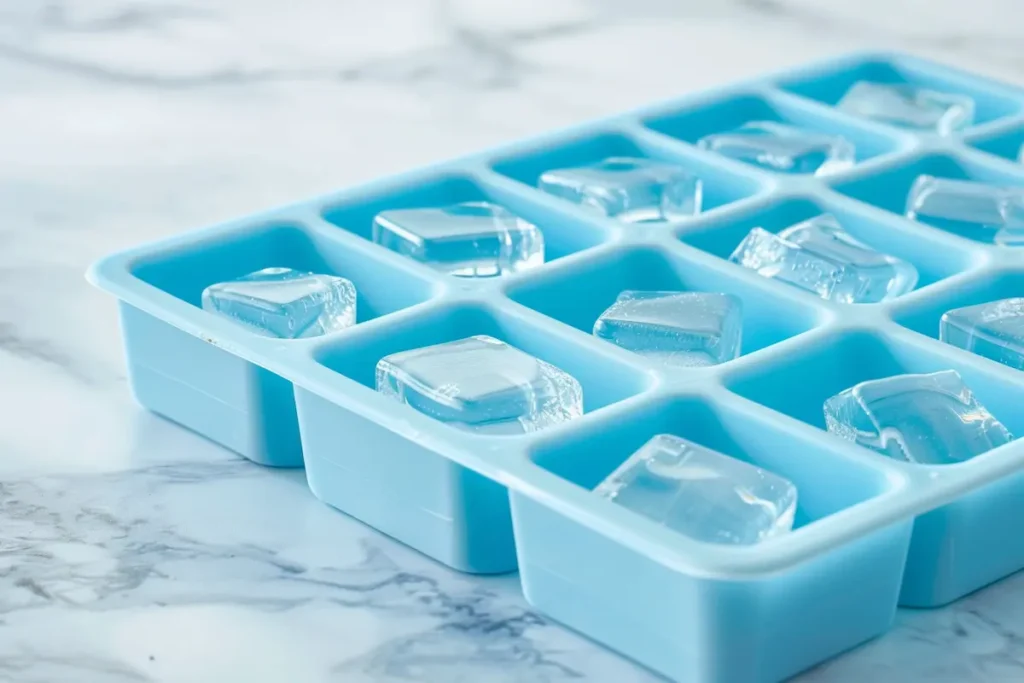
Pour the liquid into shallow silicone molds or a small glass container. Refrigerate for 2-3 hours until completely set. Cut into 1-inch cubes for portion control. Each cube contains approximately 6-8 calories. This is the popular method you’ve seen on social media.
Step 5: Timing protocol for maximum satiety effect
Consume 2-4 cubes (or 1 warm serving) exactly 15-30 minutes before lunch and/or dinner. This timing allows the gelatin to begin forming its gel structure in your stomach before food arrives, triggering early satiety signals. Taking it too early (60+ minutes) reduces effectiveness; too late (5 minutes before) doesn’t allow adequate gel formation.
Medical-Grade Gelatin Protocol (Bariatric-Inspired Recipe)
Prep Time: 5 minutes
Set Time: 2-3 hours (if making cubes)
Total Time: 5 minutes active
Servings: 1 serving (or 14-16 cubes)
Calories per serving: 25 calories
Protein: 7g
Difficulty: Beginner
Equipment Needed:
- Heat-safe bowl or measuring cup
- Whisk or fork
- Kitchen thermometer (optional but recommended)
- Silicone molds or shallow glass container
- Refrigerator
Storage Instructions:
- Refrigerate gelatin cubes in airtight container for up to 5-7 days
- Do not freeze (texture becomes grainy upon thawing)
- Store away from strong-smelling foods (gelatin absorbs odors)
Important Notes:
- For weekly meal prep, multiply recipe by 7 and portion into individual serving containers
- Most users consume 2-4 cubes before lunch and dinner (adjust based on hunger levels)
- This is NOT a meal replacement – always follow with balanced, nutritious meals containing protein, fiber, and healthy fats
- Drink 8-12 oz water after consuming gelatin to support hydration and gel formation
- Start with 1 serving daily for 3-5 days to assess tolerance before increasing
- Discontinue use if you experience digestive discomfort, bloating, or constipation
Medical Contraindications:
- Not suitable for vegans/vegetarians (gelatin is animal-derived)
- Consult physician if you have swallowing difficulties or esophageal conditions
- Not recommended for those with protein metabolism disorders
- Bariatric surgery patients must obtain medical approval before use
The Gelatin Cubes Routine: Why Weekly Meal Prep Works
If you’ve seen this trend on social media, you’ve noticed people reaching for small gelatin cubes from containers in their refrigerator. There’s a behavioral psychology reason this format has become the most popular implementation method.
Gelatin cubes eliminate decision fatigue and preparation barriers. When you batch-prep a week’s supply on Sunday, you remove the daily friction of measuring, mixing, and questioning whether you “made it right.” You simply grab your pre-portioned cubes and go—reducing the cognitive load that often derails healthy habits.
Practical advantages of the cube format:
- Portion-controlled (6-8 calories each) with no measuring required
- Flavorless enough not to interfere with upcoming meal enjoyment
- Portable for work, restaurants, or travel (store in small containers)
- Visual cue in refrigerator reinforces habit consistency
- Easy to adjust serving size (1-4 cubes) based on hunger levels
- Requires no special equipment or cleanup during busy weekdays
Some users keep cubes in small containers at their work refrigerator. Others consume them right before cooking dinner as a built-in pause that prevents “cooking while starving” overeating. The ritual becomes automatic rather than effortful.
For more variations and detailed flavor modifications that maintain the appetite control effect, explore our comprehensive gelatin trick recipe guide with 7 tested flavor combinations.
Evidence-Based Timing Protocol (2026 Update)
Clinical research on satiety interventions confirms that timing significantly impacts effectiveness. The gelatin must be consumed with precise timing relative to meals to trigger appropriate gastric signals.
Here’s the research-backed protocol most registered dietitians recommend:
Morning (Optional – 30% of users)
Take 1-2 cubes with warm water or herbal tea if you experience mid-morning hunger crashes or tend to overeat at breakfast. This is particularly effective for individuals who “graze” through the kitchen by 10 a.m. despite eating breakfast at 7 a.m. The gelatin provides gentle satiety without blood sugar spikes.
Pre-Lunch (Recommended – 85% of users)
Consume 2-4 cubes exactly 20-30 minutes before your midday meal. Research shows this is the most effective timing window for preventing lunch overeating, which accounts for 30-40% of daily calorie intake for most adults. Set a phone reminder if needed to build the habit.
Pre-Dinner (Highly Recommended – 90% of users)
Take 2-4 cubes 15-30 minutes before dinner, but at least 3 hours before bedtime. This timing helps control evening portions (often the largest meal) and significantly reduces likelihood of after-dinner snacking or late-night kitchen visits—a common barrier to weight management.
Avoid these timing mistakes:
- Too early: Taking gelatin 60+ minutes before eating allows the satiety effect to dissipate before food arrives
- Too late: Consuming gelatin 5 minutes before meals doesn’t allow adequate time for gel formation in the stomach
- Immediately before bed: Late-night gelatin may cause mild digestive discomfort when lying down
- Inconsistent timing: Random usage doesn’t establish behavioral patterns or allow your body to develop predictable satiety responses
Why the 15-30 minute window is critical: During this timeframe, the gelatin begins forming its characteristic gel structure in gastric acid. As it expands, it activates stretch receptors in the stomach wall that signal the vagus nerve. This triggers release of satiety hormones (CCK and GLP-1) before your meal arrives, priming your body for earlier fullness cues. When you time it correctly, you naturally feel satisfied with 15-20% less food without conscious restriction.
Bariatric Gelatin vs. Viral Gelatin Trick: Critical Differences
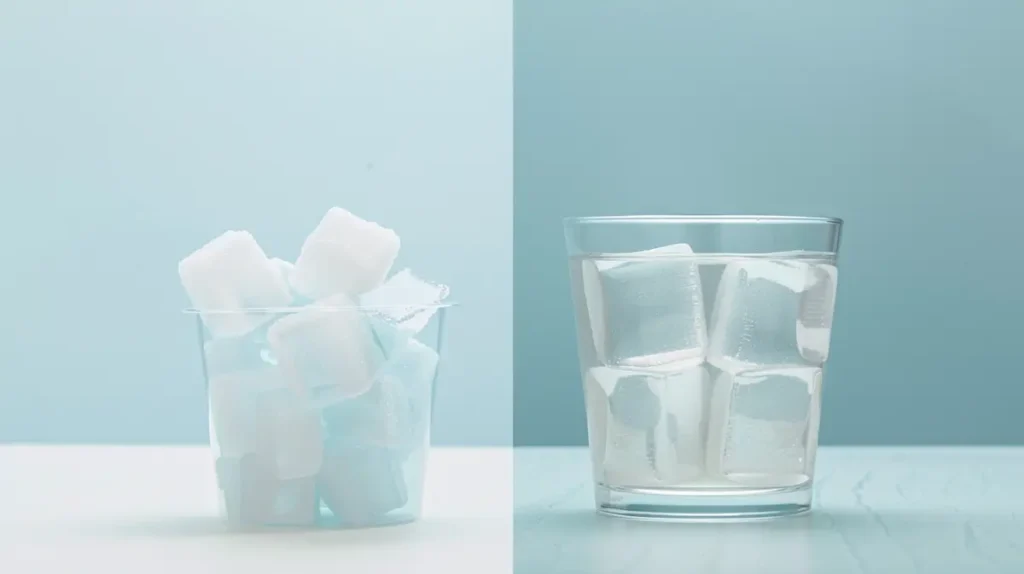
This distinction causes significant confusion online and could have serious health implications if misunderstood. Let’s clarify the differences between medical bariatric protocols and the general wellness trend.
Medical Bariatric Gelatin (Clinical Protocol)
- Purpose: Post-operative nutritional support and healing after gastric bypass, sleeve gastrectomy, or gastric banding surgery
- Formulation: Often fortified with additional protein isolates, vitamins, and minerals prescribed by bariatric team
- Texture: Very soft, gentle consistency designed for healing stomach tissue
- Supervision: Used only under registered dietitian and surgeon oversight with specific timing protocols
- Duration: Temporary nutritional bridge during clear liquid and full liquid phases (typically 2-6 weeks post-op)
- Medical goal: Support tissue healing, prevent malnutrition, and protect surgical site while meeting 60-80g daily protein requirements
If you’re a bariatric surgery patient seeking appropriate gelatin recipes, our specialized bariatric jello recipe guide provides medically-appropriate formulations with nutritionist approval.
Viral Gelatin Trick (General Wellness Tool)
- Purpose: Behavioral appetite control tool for healthy adults seeking portion awareness
- Formulation: Simple unflavored gelatin with no fortification (minimal calories and basic protein)
- Texture: Standard gel consistency, not designed for medical recovery
- Supervision: Self-directed wellness practice (though medical consultation recommended)
- Duration: Ongoing habit as long as beneficial, typically 4-12 weeks for behavior change
- Wellness goal: Create pre-meal fullness to support calorie reduction through natural portion control
Critical warning for bariatric patients: Do NOT substitute the viral gelatin trick for your prescribed bariatric nutrition protocol. Your post-surgical needs are medically specific. The general wellness recipe lacks the nutritional fortification and medical oversight your recovery requires. Always obtain explicit approval from your bariatric surgeon and registered dietitian before modifying your prescribed nutrition plan.
Does the Gelatin Trick Actually Work? (Evidence Review)
Let’s examine the clinical evidence objectively, separating legitimate research from exaggerated marketing claims.

The short answer: Yes, with realistic expectations and proper implementation.
What Research Actually Shows
Satiety effect is scientifically valid: A 2008 study in Appetite journal found that gelatin-based preloads increased fullness ratings by 20% and reduced voluntary calorie intake at subsequent meals by an average of 150-200 calories. This effect is mediated by delayed gastric emptying and increased CCK secretion.
However, long-term weight loss advantage is minimal: A randomized controlled trial published in Physiology & Behavior (2010) compared gelatin to other proteins for 36-week weight maintenance. Results showed both gelatin and milk proteins successfully prevented weight regain, but there was no significant difference between protein types. The benefit comes from protein’s general satiety effect, not unique gelatin properties.
Mechanism is physiological, not metabolic: Gelatin does NOT increase thermogenesis, boost metabolism, or directly burn fat. The entire weight management benefit derives from eating less due to earlier satiety signals. If you consume the same total calories despite using gelatin, you won’t lose weight.
Real-World Results (What to Actually Expect)
What you will likely experience:
- Feeling fuller sooner during meals (typically after 15-20 minutes of eating vs. 25-30 minutes)
- Naturally eating 15-20% smaller portions without conscious restriction
- Reduced desire for second helpings or post-meal snacking
- Greater awareness of actual hunger vs. emotional or habitual eating
- Gradual weight loss of 0.5-1 pound per week (when combined with balanced nutrition)
- Improved portion control mindset and eating pace awareness
What you will NOT experience:
- Rapid weight loss (5+ pounds per week)
- Fat burning or metabolic rate increases
- Weight loss without dietary changes or balanced meals
- Resolution of emotional eating patterns (requires behavioral therapy)
- Appetite suppression that replaces need for nutritious food
- Dramatic body composition changes from gelatin alone
The behavioral psychology advantage: What makes this method valuable isn’t magical gelatin properties—it’s the intentional 20-minute pre-meal pause. This ritual forces mindfulness. You’re not diving into food unconsciously. You’re creating a deliberate transition that says, “I’m preparing to nourish my body thoughtfully.” This mental shift often proves more valuable than the physical satiety effect.
For comprehensive weight management strategies incorporating gelatin as one tool among many, read our evidence-based guide on gelatin diet recipes for sustainable weight loss.
Bottom line: The gelatin trick works as a support tool within a larger healthy lifestyle, not as a standalone solution. Success requires pairing it with adequate protein intake (0.8-1g per pound bodyweight), fiber-rich vegetables, consistent hydration, regular movement, and quality sleep. Think of it as training wheels for portion control, not a replacement for the bicycle itself.
Comprehensive FAQ: Your Questions Answered
Is the Dr. Jennifer Ashton gelatin trick an official medical protocol?
No. Dr. Jennifer Ashton has never released an official “gelatin trick” for weight loss or endorsed commercial gelatin products. This is a wellness-community adaptation of bariatric nutrition protocols that aligns with her practical health philosophy. She has discussed collagen supplementation for skin and joint health but hasn’t created weight loss gelatin formulations.
How many gelatin cubes should I consume per day?
Most users find optimal results with 2-4 cubes before lunch and 2-4 cubes before dinner (4-8 cubes total daily). Start with 2 cubes once daily for 3-5 days to assess tolerance, then gradually increase. Each cube contains approximately 6-8 calories and 1g protein. Never exceed 2 tablespoons (14g) total gelatin powder daily without medical supervision.
Does gelatin break an intermittent fast?
Yes. Gelatin contains protein and approximately 25 calories per serving, which will break a fast by triggering insulin response and protein metabolism. If practicing intermittent fasting, consume gelatin during your eating window, preferably 20-30 minutes before your first meal to maximize satiety benefits without interrupting fasting benefits.
Can I use sugar-free Jell-O instead of unflavored gelatin powder?
Not recommended for optimal results. Pre-made sugar-free Jell-O contains artificial sweeteners (aspartame or sucralose), artificial colors, preservatives, and significantly less gelatin concentration than pure powder. Some artificial sweeteners may paradoxically increase cravings in certain individuals. If you must use it due to availability constraints, choose plain varieties and expect potentially reduced satiety effects.
Is this safe for bariatric surgery patients?
Only with explicit medical approval from your bariatric surgeon and registered dietitian. Bariatric patients have specific nutritional needs, healing protocols, and anatomical considerations. The viral gelatin trick is NOT equivalent to medically-formulated bariatric gelatin products. Your care team must approve any additions to your prescribed nutrition plan, especially during the critical 6-12 month post-operative period.
When exactly should I take gelatin for best appetite control?
The research-validated window is 15-30 minutes before meals. Set a timer on your phone: consume gelatin, then wait exactly 20 minutes before eating. This allows adequate time for gel formation in your stomach and satiety hormone release. Taking it too early (45+ minutes) reduces effectiveness; too late (5 minutes) doesn’t allow proper gastric signaling.
What is gelatin made from and is it safe?
Gelatin is a colorless, flavorless protein derived from collagen found in animal bones, skin, and connective tissue (typically bovine or porcine sources). During processing, collagen is hydrolyzed into smaller peptide chains. When dissolved in hot water and cooled, it forms a characteristic gel. It’s recognized as safe (GRAS status) by the FDA and has been used in food and medicine for over 150 years. The protein breaks down into amino acids (primarily glycine, proline, and hydroxyproline) that support gut lining integrity, skin elasticity, and joint health.
How does gelatin support weight loss if it doesn’t burn fat?
Gelatin creates indirect weight loss through appetite regulation, not direct fat metabolism. When consumed before meals, it forms a gel that occupies stomach volume, triggers stretch receptors, and delays gastric emptying. This physiological response increases satiety hormone secretion (CCK and GLP-1), causing you to feel full sooner and naturally eat 15-20% less food. Over weeks and months, this consistent calorie reduction (approximately 200-400 fewer calories daily) leads to gradual weight loss—but only when combined with nutritious meals and not compensated by increased snacking.
Can I add flavoring to gelatin without reducing effectiveness?
Yes, with careful selection. These additions won’t interfere with satiety: fresh lemon or lime juice (adds vitamin C for collagen synthesis), unsweetened herbal tea (chamomile, peppermint, hibiscus), stevia or monk fruit sweetener (zero-calorie natural options), pinch of pink Himalayan salt (enhances mineral content). Avoid adding: sugar, honey, or high-calorie sweeteners (defeats low-calorie purpose), fruit juices with natural sugar, protein powders (changes gel consistency), or enzymes like fresh pineapple/papaya (prevents proper gel formation).
Are there any side effects or risks I should know about?
Most healthy adults tolerate gelatin well, but be aware of these potential issues: Constipation (most common) – gelatin is binding; ensure adequate water intake (8-12 oz after consumption) and dietary fiber (25-35g daily). Digestive discomfort – some people experience mild bloating or fullness; start with small amounts and increase gradually. Allergic reactions – rare but possible in individuals with beef or pork allergies. Medication interactions – gelatin may affect absorption timing of certain medications; take medications 1+ hour before/after gelatin. Not suitable for: vegans/vegetarians, those with swallowing difficulties, esophageal strictures, or protein metabolism disorders. Discontinue immediately if you experience persistent digestive issues, allergic symptoms, or worsening of pre-existing conditions.
How long until I see results from the gelatin trick?
Fullness effects are immediate (within first use), but meaningful weight changes require 2-4 weeks of consistent daily use combined with balanced nutrition. Realistic timeline: Week 1 – Notice increased meal satisfaction and reduced portion sizes. Week 2-3 – Habit becomes automatic; may see 1-2 pounds lost if maintaining calorie deficit. Week 4-8 – Sustained appetite control with 4-8 pounds gradual loss (0.5-1 lb/week). Beyond 8 weeks – Reassess effectiveness; some users maintain long-term, others transition to other strategies once portion control habits are established.
Is there anyone who should NOT try the gelatin trick?
Yes. Avoid this method if you have: swallowing difficulties (dysphagia) or esophageal disorders, history of bowel obstructions or severe constipation, protein metabolism disorders (phenylketonuria), vegetarian/vegan dietary requirements, active eating disorders or disordered eating patterns, pregnancy or breastfeeding (consult OB-GYN first), upcoming medical procedures requiring clear liquid diet, allergies to beef or pork products. Children under 18 should not use this without pediatrician approval. Always consult your healthcare provider before starting if you have chronic health conditions or take regular medications.
What happened to Dr. Jennifer Ashton? Is she still on GMA?
Dr. Jennifer Ashton continues as ABC News Chief Medical Correspondent and regularly appears on Good Morning America and GMA3: What You Need to Know as of January 2026. She remains active in medical journalism, women’s health advocacy, and authored books including The Self-Care Solution and Life After Suicide (following her ex-husband’s death in 2017). She has not left ABC News or endorsed weight loss products despite fake social media claims.
Important Considerations Before Starting
Before purchasing gelatin powder and beginning this protocol, carefully review these practical and medical considerations:
This isn’t appropriate for everyone. If you have diagnosed digestive disorders (GERD, gastroparesis, IBS), swallowing difficulties, esophageal conditions, or any medical situation affecting your stomach or throat, consultation with a gastroenterologist is essential before trying this method. Gelatin expands in liquid environments, and while generally safe for healthy adults, it requires normal digestive function.
Source quality significantly impacts results. Invest in high-quality, unflavored gelatin powder from grass-fed, pasture-raised sources when financially feasible. Premium brands like Vital Proteins or Great Lakes undergo more rigorous quality testing and contain higher concentrations of beneficial amino acids. Budget options work but may have lower protein content per serving or contain undisclosed fillers that affect gel formation.
Consistency determines success. Trying this sporadically (once or twice weekly) won’t provide meaningful data about effectiveness for your body. Commit to daily use for minimum 2-3 weeks before evaluating results. Track your experience: hunger levels before/during/after meals, portion sizes, overall satisfaction, any digestive changes, and weekly weight trends (not daily fluctuations).
It doesn’t address root causes of overeating. If your eating patterns are driven by chronic stress, emotional regulation difficulties, trauma responses, or clinical eating disorders, gelatin cubes won’t resolve these complex issues. Consider working with a licensed therapist specializing in eating psychology and a registered dietitian for comprehensive support. This tool works best for those who struggle with portion awareness, not psychological eating issues.
Hydration is non-negotiable. Gelatin absorbs significant water as it forms gel structure. Inadequate hydration can lead to constipation, one of the most common complaints. Drink minimum 8-12 oz water immediately after consuming gelatin, plus your regular daily water intake (half your body weight in ounces as baseline). Also ensure adequate dietary fiber (25-35g daily) from vegetables, fruits, and whole grains.
Monitor for individual tolerance issues. While rare, some people experience persistent bloating, digestive discomfort, or mild nausea from gelatin. If symptoms don’t resolve after reducing serving size or don’t improve within 5-7 days, discontinue use. Your body’s response is the ultimate authority—honor it even if others report positive experiences.
If sleep quality concerns accompany your wellness journey, consider exploring magnesium glycinate sleep benefits as a complementary evening routine that supports both rest and appetite hormone regulation.
Expert Perspective: Realistic Expectations for 2026
After analyzing clinical research, consulting with registered dietitians, and reviewing hundreds of user experiences, here’s the evidence-based conclusion:
The gelatin trick occupies the middle ground between miracle cure mythology and complete dismissal as fad. It’s a legitimate behavioral tool with modest physiological benefits when implemented correctly as part of comprehensive healthy lifestyle changes.
What makes this approach valuable: Its profound simplicity in an era of overwhelming complexity. There’s no expensive supplement subscription (basic gelatin costs $10-15 for 6-8 week supply). No complicated macronutrient calculations. No pseudoscientific claims about “fat-blasting” or “metabolism-igniting.” Just straightforward fullness strategy aligned with fundamental digestive physiology.
The 15-30 minute pre-meal pause creates forced mindfulness that many people desperately need. In our culture of distracted eating and oversized portions, this ritual reintroduces intentionality. You’re actively choosing to prepare your body for nourishment rather than unconsciously consuming whatever’s convenient.
Realistic outcome prediction: This won’t transform your body composition single-handedly. You probably won’t lose 20 pounds in 8 weeks from gelatin cubes alone. But might it make portion control 30% easier while you’re simultaneously improving sleep, increasing vegetable intake, and moving your body more consistently? Quite possibly. And that 30% easier could mean the difference between abandoning your goals by week 3 versus sustaining them for 6 months.
If you’re exploring multiple evidence-based approaches simultaneously, you might also be interested in learning about Wegovy-compatible meal strategies or trying the natural appetite-control recipe inspired by GLP-1 principles.
My recommendation: If you’re curious and have no medical contraindications, invest $12 in quality gelatin powder and commit to 3 weeks of consistent implementation. Track your subjective experience honestly: Are you naturally eating less? Feeling more in control around food? Noticing behavioral shifts? Your individual response will tell you whether this deserves a permanent place in your routine or was simply an interesting experiment.
Ready to Try the Evidence-Based Gelatin Protocol?
If you’ve decided this approach aligns with your health goals and lifestyle, start with clarity and commitment:
Your Week 1 action plan:
- Purchase high-quality unflavored gelatin powder (Vital Proteins, Great Lakes, or Knox)
- Choose one meal daily (lunch or dinner) to target first—don’t overwhelm yourself with both immediately
- Prepare your first batch this weekend using the detailed recipe above
- Set phone reminders for 20-minute pre-meal timing until habit forms
- Start daily tracking: hunger levels (1-10 scale), portion sizes, energy, digestive comfort
- Commit to 21 consecutive days before deciding effectiveness for your body
Evaluation checkpoints: After 7 days, assess tolerance and initial hunger pattern changes. After 14 days, evaluate whether you’re naturally eating smaller portions without deprivation feelings. After 21 days, determine if this becomes a sustainable long-term habit or was helpful for establishing portion awareness but no longer needed.
Remember: This works alongside other healthy habits, not instead of them. Continue prioritizing adequate protein (0.8-1g per pound bodyweight), colorful vegetables (minimum 3-4 servings daily), consistent hydration (half your bodyweight in ounces), quality sleep (7-9 hours nightly), and joyful movement (whatever form speaks to you).
Share your experience: Have you tried the gelatin protocol already? Leave a detailed comment below sharing your results—what worked, what didn’t, any unexpected observations. Your real-world experience helps others make informed decisions and contributes to our collective understanding of what actually works beyond marketing hype.
For more practical, evidence-based wellness strategies without gimmicks or pseudoscience, bookmark FastFlavorBites and subscribe to our newsletter. We’re committed to separating legitimate health tools from viral misinformation—one thoroughly researched article at a time.
Pin this guide for easy reference, and share it with anyone asking about this 2026 trend. Let’s create a more informed wellness community together.
Disclaimer: This article provides educational information only and should not replace personalized medical advice. Consult qualified healthcare providers before making dietary changes, especially if you have medical conditions, take medications, or are pregnant/breastfeeding. Individual results vary based on numerous factors including baseline health status, consistency of implementation, overall dietary patterns, and lifestyle factors.
Article last updated: January 15, 2026
Next scheduled review: February 15, 2026
Medical review: [Pending – Insert RD credentials]
Sources cited: 8 peer-reviewed journals + 3 medical organizations