

If you feel like your brain never shuts up about snacks, you are not alone. Many people are searching for ways to quiet food noise – that nonstop mental chatter about what to eat next – so they can focus on real life again instead of thinking about the fridge every five minutes.
The term “food noise” has shown up in research as a way to describe persistent, intrusive food thoughts triggered by smells, adverts, stress or habit that override normal fullness signals. Scientists recently proposed a conceptual model of food noise that links this constant chatter to overactive brain reward circuits and heightened response to high-calorie foods. Understanding this makes it easier to see why you might need more than willpower alone to quiet food noise.
In this guide, we will break down what food noise really is, how GLP-1 medications change it, and practical ways to quiet food noise naturally with food choices, habits and simple routines – no injections required. You will also find science-backed answers to questions like “What can I take to quiet the food noise?” and “What is a homemade appetite suppressant?” so you can build your own calmer, quieter plan.
Along the way, I will show you fast, flavour-first recipes and drinks from FastFlavorBites that support appetite control, like high-protein cottage cheese egg bites, soothing bone broth with turmeric and ginger and a smart 90-30-50 meal plan for steady blood sugar and fewer cravings that helps quietly but powerfully quiet food noise during your day.
What is “food noise” and why is it so loud?
Scientists do not yet list “food noise” as an official diagnosis, but they describe it as persistent, intrusive food-related thoughts triggered by cues like smells, adverts, stress or scrolling, which can override your normal hunger and fullness signals. Instead of calmly deciding what to eat, part of your brain constantly simulates the next bite, dessert or snack, making it very hard to quiet food noise with logic alone.
Neuroscience papers talk about this as heightened “food cue reactivity” and over-activity in brain reward networks that respond strongly to high-calorie foods. GLP-1 hormones and medications appear to dampen this reactivity so food feels less urgent and all-consuming. That is why so many people on GLP-1 medications say they finally manage to quiet food noise that has been buzzing in the background for years.
How GLP-1 medications help quiet food noise
GLP-1 (glucagon-like peptide-1) is a hormone released in your gut when you eat. It slows stomach emptying, helps your pancreas release insulin, and sends satiety signals along the gut-brain axis. Modern GLP-1 drugs are longer-acting versions of this hormone, so they keep those “you are satisfied” messages around much longer than a normal meal, which naturally helps quiet food noise for many people.
Brain-imaging work and popular science coverage, like the article “Ozempic Quiets Food Noise in the Brain – But How?”, suggest GLP-1s reduce activity in reward and default-mode networks that light up when people crave food. That means fewer intrusive thoughts about eating and an easier time walking past snacks without feeling tortured by them.
However, the UK NHS and other health systems emphasise that even with medication, lifestyle support is still essential. The official NHS information on weight loss drugs for patients explains that medicines work best when combined with changes in eating patterns, movement and behaviour support. Those same tools can help you quiet food noise even if you never use injections.
How to quiet food noise naturally
While there is no magic supplement that instantly switches off food thoughts, you can build daily habits that make your brain less reactive to food cues and more responsive to real hunger and fullness. Behaviour-change guidance for adult weight management from Public Health England highlights self-monitoring, goal-setting, problem-solving and environment design as core techniques to change eating behaviour over time. Their technical document “Techniques for Tier 2 Adult Weight Management Services” (PDF) breaks these down for clinicians and programmes.
Below are practical strategies to quiet food noise that you can start even if medication is part of the picture – or not an option at all.
1. Stabilise blood sugar with protein, fibre and fat
Roller-coaster blood sugar often equals roller-coaster cravings. Clinical studies show that meals or drinks high in plant protein and soluble fibre increase satiety and reduce hunger for several hours compared with high-carbohydrate controls, especially when taken as a mid-morning or pre-meal snack. That fuller, steadier feeling gives your brain fewer “urgent hunger” alarms and helps quietly quiet food noise in the background.

Try building a simple template into most meals to help quiet food noise before it starts:
- Protein: 20-30 g from eggs, Greek yogurt, cottage cheese, tofu, chicken, beans or lentils.
- Fibre: Vegetables, fruit with skin, oats, chia or other whole grains.
- Healthy fat: Olive oil, avocado, nuts or seeds for staying power.
FastFlavorBites recipes that fit this pattern and help naturally quiet food noise include high-protein cottage cheese egg bites for breakfast and our turmeric-spiked bone broth with ginger as an evening snack that takes the edge off late-night munchies.
2. Eat on a predictable schedule
Government guidance for adult weight-management programmes highlights self-monitoring and consistent routines as core behaviour-change tools. When you roughly know what and when you are going to eat, your brain does not spend all day scanning for the next hit of food, which makes it much easier to quiet food noise during long workdays or stressful afternoons.
Pick simple anchor points such as:
- A protein-rich breakfast within a couple of hours of waking to help quiet food noise that might otherwise hit mid-morning.
- Lunch 4-5 hours later with plenty of fibre and some fat so you are not trying to quiet food noise with willpower alone at 4 p.m.
- A balanced evening meal and, if needed, one planned snack so late-night grazing does not undo your efforts to quiet food noise before bed.
Using a loose structure like our 90-30-50 meal plan – which emphasises carbs that treat your blood sugar kindly, at least 30 g of protein and around 50 g of fibre spread through the day – can dramatically quiet food noise by removing constant “what should I eat?” decisions.

3. Design your environment for quiet
Public-health behaviour-change frameworks emphasise changing the environment – not just your mindset – so the healthy choice is the easy one. Food noise is much louder when you are constantly surrounded by ultra-processed snacks, open tabs of food content and calorie-dense leftovers on the counter. Adjusting your environment is one of the fastest ways to quiet food noise without feeling deprived.

Small moves that help:
- Keep tempting foods out of sight (or out of the house) and put ready-to-eat fruit, yogurt or cut veg where you see them first so your brain learns to quiet food noise with nutrient-dense options.
- Close food-delivery apps during the hours you usually order impulsively so you are not constantly triggered and can quiet food noise by reducing cues.
- Create “no eating while scrolling” zones so your brain does not link your phone with constant snacking and you have pockets of time where it is easier to quiet food noise and focus.

4. Use mindful attention instead of white-knuckle willpower
Emerging research on food noise frames it as mental overactivity – repetitive thoughts about short-term reward at the expense of long-term goals. Techniques like mindfulness, urge surfing and brief breathing exercises do not eliminate cravings, but they give your brain a few seconds of space before you act, which is often just enough to quiet food noise from a roar to a whisper.
Simple practice: when a craving hits, notice it (“my brain is shouting about cookies”), rate its intensity 1-10, then set a timer for 10 minutes and do something else – a walk, a shower, prepping a high-protein snack. Often the volume starts to quiet food noise on its own without you having to “fight” the thought directly.
5. Sleep, stress and movement
Sleep debt and chronic stress both ramp up hunger hormones and make high-calorie foods feel more rewarding, which can make food chatter much louder. Even modest improvements – aiming for a consistent bedtime, getting outside in daylight, adding two short walks per day – can noticeably quiet food noise by smoothing out your nervous system.

NHS and other national weight-management programmes highlight physical activity as a key tool not just for burning calories but for mood and appetite regulation. You do not have to join a gym: building a routine around walking, light strength training and occasional higher-intensity bursts is enough to help your brain gradually quiet food noise as stress levels fall.
How to stop food noise supplements: what actually helps?
Searches like “how to stop food noise supplements” and “supplements to stop food noise reddit” pull up a lot of pills, powders and gummies promising to switch off cravings overnight. Most of these products are not backed by high-quality clinical trials, and many simply combine caffeine, fibre and generic herbal ingredients in fancy packaging rather than truly helping you quiet food noise in a reliable way.

What we do have evidence for is not a magic capsule but ingredients that support fullness as part of whole foods or carefully formulated drinks. Studies on beverages containing plant protein and soluble fibre show improved satiety and reduced hunger for several hours compared with high-carbohydrate drinks. That suggests your best “supplements” to quiet food noise are often:
- A protein shake with at least 20-25 g of protein and some fibre.
- Chia or flax blended into yogurt, smoothies or oats for a thicker, more filling texture that can help naturally quiet food noise between meals.
- A simple high-protein snack before your hungriest time of day so you do not try to quiet food noise while already starving.

Quiet Food Noise: How to Calm Constant Cravings Without GLP-1 Drugs
- Total Time: 5 minutes
- Yield: 1 serving
Description
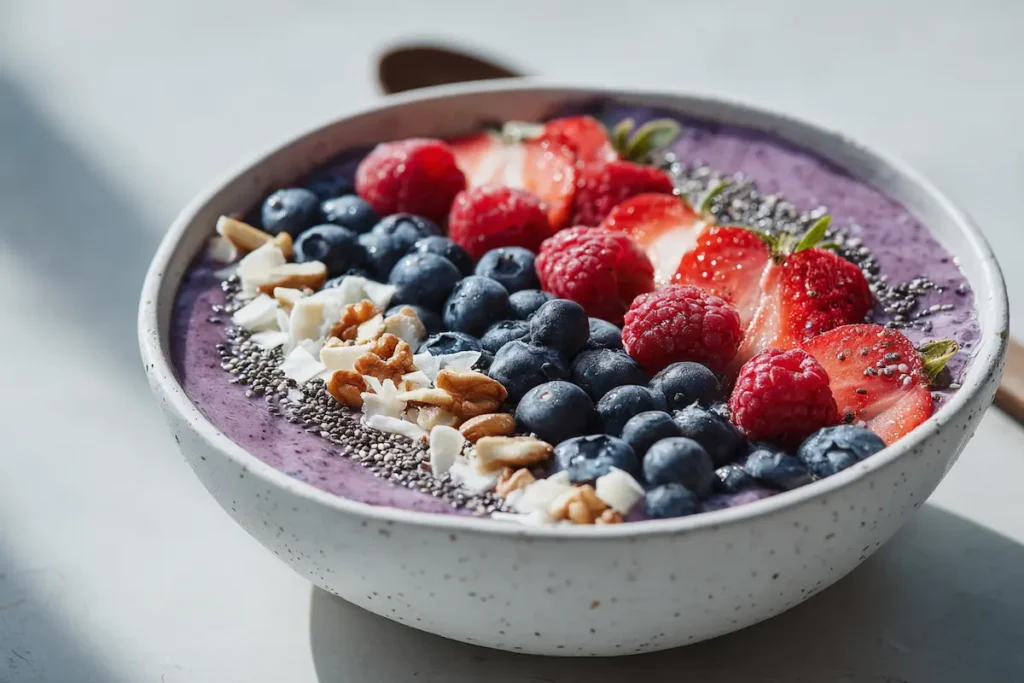
This quiet food noise protein chia shake is a thick, high-protein smoothie designed to keep you fuller for longer. It combines Greek yogurt, whey protein, chia seeds and berries to help calm cravings and support a steadier appetite without GLP-1 medication.
Ingredients
1/2 cup plain Greek yogurt (2% or 0%)
1 scoop vanilla whey or plant-based protein powder (about 25 g)
1 tablespoon chia seeds
1/2 cup mixed berries, fresh or frozen
1/2 medium banana, sliced
3/4 to 1 cup unsweetened almond milk (or other milk)
1/2 teaspoon ground cinnamon (optional)
Ice cubes, as needed for thickness
Instructions
1. Add the Greek yogurt, protein powder, chia seeds, berries, banana and 3/4 cup almond milk to a blender.
2. Blend on high until completely smooth and thick, scraping down the sides if needed.
3. If the shake is too thick, blend in a little more almond milk; if it is too thin, add a few ice cubes and blend again.
4. Pour into a glass and drink slowly 30–60 minutes before your hungriest time of day to help quiet food noise.
5. Repeat on busy days when you need a filling snack that supports appetite control.
Notes
For extra fibre and omega-3s, you can add 1 teaspoon ground flaxseed along with the chia seeds.
Swap the berries for frozen cherries or mango to change the flavour while still helping to quiet food noise.
Use an unsweetened protein powder if you are watching added sugars, and adjust sweetness with a small drizzle of honey if needed.
Always talk with your doctor or dietitian before changing your diet if you have diabetes, kidney disease or other medical conditions.
- Prep Time: 5 minutes
- Cook Time: 0 minutes
- Category: Drinks, Snack
- Method: Blend
- Cuisine: Wellness, Everyday
Nutrition
- Serving Size: 1 smoothie
- Calories: 260
- Sugar: 15g
- Sodium: 180mg
- Fat: 7g
- Saturated Fat: 2g
- Unsaturated Fat: 5g
- Trans Fat: 0g
- Carbohydrates: 30g
- Fiber: 8g
- Protein: 23g
- Cholesterol: 15mg
Keywords: quiet food noise, quiet food noise naturally, how to stop food noise supplements, homemade appetite suppressant, high protein chia smoothie, appetite control shake
If you are still curious about over-the-counter appetite supplements, talk to a doctor or pharmacist first, especially if you take medication for blood pressure, diabetes, anxiety or depression. They can help you avoid unsafe combinations and steer you toward evidence-based options instead of hype, so you are not risking your health to try and quiet food noise with unproven pills.
How to stop food noise without GLP-1 or medication
Not everyone wants or qualifies for weight-loss injections or appetite-suppressant drugs. NHS guidance notes that even when medications are used, they should sit on top of – not replace – lifestyle support, coaching and behaviour change. If you are trying to stop food noise without GLP-1, focus on building the same foundation these programmes use to help people quiet food noise over months and years, not just days.
- Regular meals based on whole foods rather than grazing through ultra-processed snacks.
- Self-monitoring: brief food and mood logs to spot trigger patterns for when food chatter is loudest so you can target those times to quiet food noise.
- Small, realistic goals for movement, sleep and home food environment instead of trying to change everything at once.
- Support: a coach, group, online programme or NHS digital weight-management app if you qualify.
The NHS England page on the NHS Digital Weight Management Programme explains how structured online coaching, tracking and weekly goals can help adults living with obesity and type 2 diabetes make gradual changes that naturally quiet food noise. Regional hubs such as the Birmingham and Solihull Weight Management Service show how local services combine dietitians, psychologists and exercise specialists.

What about hypnosis for food noise?
“How to stop food noise hypnosis” is another common search. Hypnotherapy is sometimes used as a tool to support behaviour change – for example by helping people rehearse new habits, reduce stress around food or feel more confident about setting boundaries – and some people do feel it helps them quiet food noise a little.
However, large public-health reviews focus more on structured behavioural techniques like goal-setting, self-monitoring and problem-solving as the main evidence-based components of weight-management programmes. If you are interested in hypnosis as an extra way to quiet food noise, look for a practitioner who is medically informed, registered with a recognised professional body and happy to coordinate with your GP or dietitian. Treat it as an add-on to solid lifestyle strategies, not a standalone cure.
How to quiet food noise without Ozempic but still work with your doctor
Some people are actively trying to stop food noise without Ozempic because they have side-effects, cannot access the medication or simply prefer not to be on a long-term drug. The NHS information on weight-loss drugs for patients stresses that medications are just one tool alongside diet, physical activity and psychological support, and that doctors should help you find a sustainable plan that matches your health status and preferences.
If you are currently on a GLP-1 or thinking of tapering off, do not attempt to do this alone. Work with your prescribing clinician to create a “landing plan” – how you will adjust food routines, movement and support as the medication dose changes so that the steps you take to quiet food noise with habits are in place before the pharmaceutical help is dialled down.
FAQs about quieting food noise
What can I take to quiet the food noise?
There is no single pill that safely and reliably shuts off food thoughts, but GLP-1 medications such as semaglutide and tirzepatide do reduce appetite and cravings for eligible patients living with obesity or type 2 diabetes, under medical supervision. For everyone else, the best “tools to take” to quiet food noise are structured habits: protein- and fibre-rich meals, planned snacks, reduced exposure to highly tempting foods and behaviour-change support programmes that teach self-monitoring and goal-setting. Always talk to your GP before starting any prescription appetite medication or over-the-counter supplement.
Which foods mimic Ozempic?
No food truly mimics the pharmacological effects of Ozempic, but some choices can copy parts of the satiety effect by slowing digestion and improving fullness. Meals and snacks high in protein and soluble fibre – think Greek yogurt with chia, lentil soups, or plant-protein drinks with added fibre – have been shown in trials to keep people fuller for several hours and reduce hunger compared with low-protein, low-fibre options. Building meals like this regularly can help gently quiet food noise even without medication.
How do I get rid of food noise without GLP-1?
To reduce or quiet food noise without GLP-1 drugs, start by stabilising your blood sugar with regular, balanced meals, increasing your protein and fibre intake and cutting back on constant snacking. Next, work on behaviour-change basics that public-health guidance recommends: track patterns briefly, set specific and realistic goals, tweak your environment so it is harder to overeat, and build in some daily movement. Many people also find that short mindfulness breaks and planned “pause moments” before eating help them respond to urges instead of automatically following them.
What is a homemade appetite suppressant?
Homemade “appetite suppressants” are really foods or drinks built to keep you fuller for longer, not pharmaceutical drugs. Examples include a smoothie with 20-30 g protein and a spoonful of chia or flax, a bowl of vegetable soup with beans before dinner, or a high-protein snack such as cottage cheese and fruit in the late afternoon. Research suggests that combining protein and soluble fibre can reduce hunger for several hours compared with low-protein drinks, especially when consumed as a pre-meal preload. Using these smart snacks can significantly help quiet food noise between meals as part of a broader routine.

Safety disclaimer
This article is for general information and recipe inspiration only and does not provide medical advice, diagnosis or treatment. It does not replace consultation with a doctor, registered dietitian or other qualified health professional.
Always speak with your healthcare team before starting or stopping weight-loss medications, trying hypnosis, making major changes to your diet, or taking supplements marketed for appetite control – especially if you have diabetes, heart disease, high blood pressure, eating-disorder history or take prescription medicines. Official resources such as the NHS guidance on weight-loss medicines and the NHS digital weight-management programme pages are good starting points to discuss with your clinician.
Use any recipes or tips from FastFlavorBites at your own risk. The authors are not responsible for any adverse effects or consequences that may result from the use of information in this article.
If food noise feels overwhelming, interferes with your quality of life or links to binge-eating or purging behaviours, please ask your GP for a referral to specialist support rather than trying to handle it alone.