
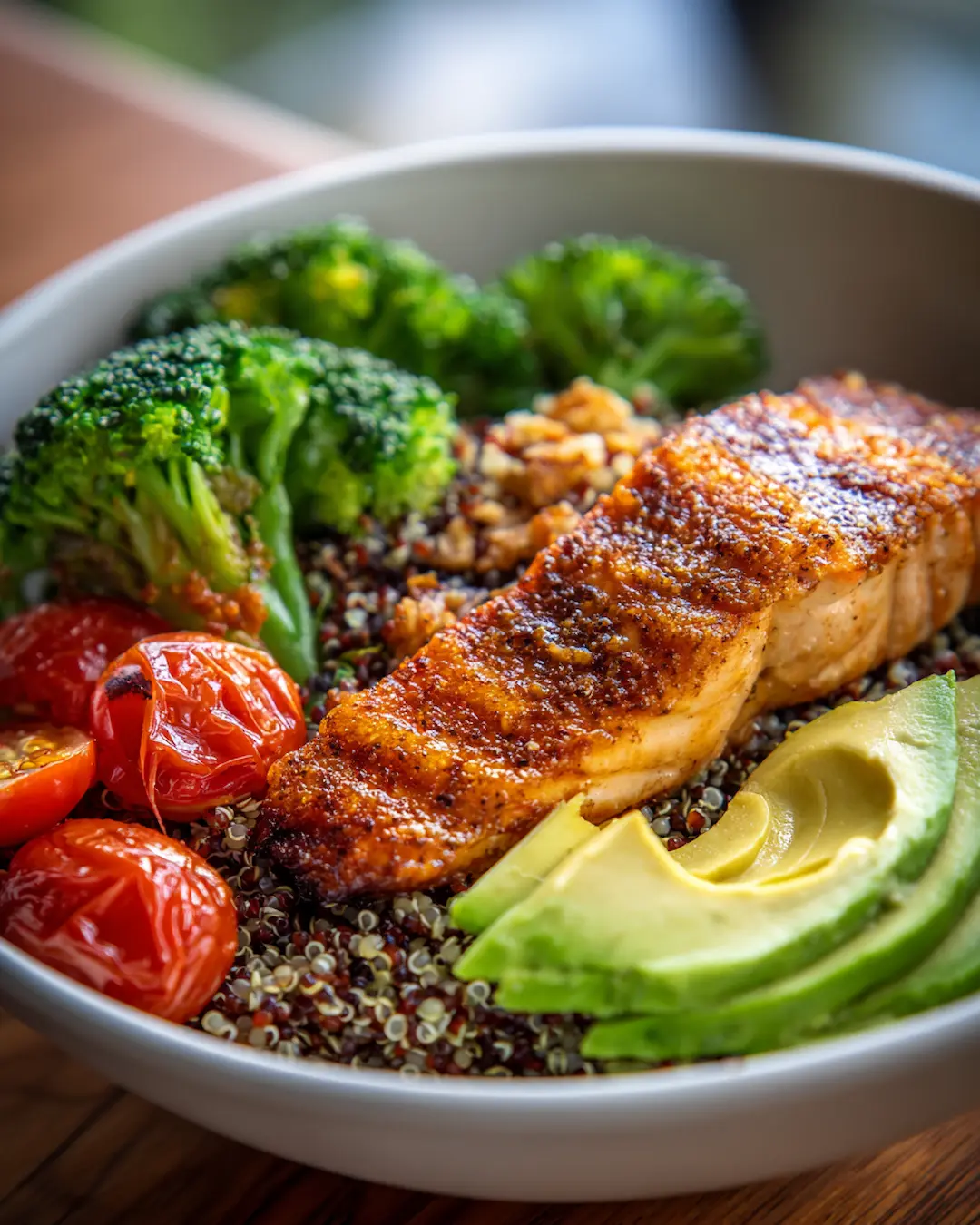
Health Disclaimer: The content on this page is for informational purposes only and does not replace advice from a qualified healthcare professional. Always consult your doctor or a registered dietitian before making changes to your diet, especially if you have a health condition or take medication.
Most diets I’ve tried had so many rules I gave up before week two. Points systems, calorie spreadsheets, forbidden food lists longer than my grocery receipt. I kept looking for something that was actually simple to follow without being vague. Then I found the 90 30 50 meal plan and something clicked. Three numbers. That’s it. Hit 90 grams of protein, 30 grams of fiber, and 50 grams of healthy fat every day, and you have a framework that actually works without obsessing over every bite.
This 7 day 90 30 50 meal plan is built for beginners. I’ve laid out every meal, every snack, and a full grocery list so you can get started this week with zero guesswork. If you’ve been searching for a 90 30 50 diet plan for beginners printable style guide, this is it.
Key Takeaways for the 90 30 50 Meal Plan
Daily targets are simple: 90g protein, 30g fiber, 50g healthy fat. No calorie counting required.
The 90 30 50 diet plan supports weight loss, blood sugar balance, digestive health, and lean muscle preservation simultaneously.
The full 7-day plan uses 33 whole food ingredients you can find in any grocery store.
Protein is the hardest target to hit for beginners. Breakfast is where most people fall short first.
This plan works for omnivores, pescatarians, and can be adapted as a 90 30 50 vegetarian meal plan with swaps noted below.
What Is the 90 30 50 Meal Plan?
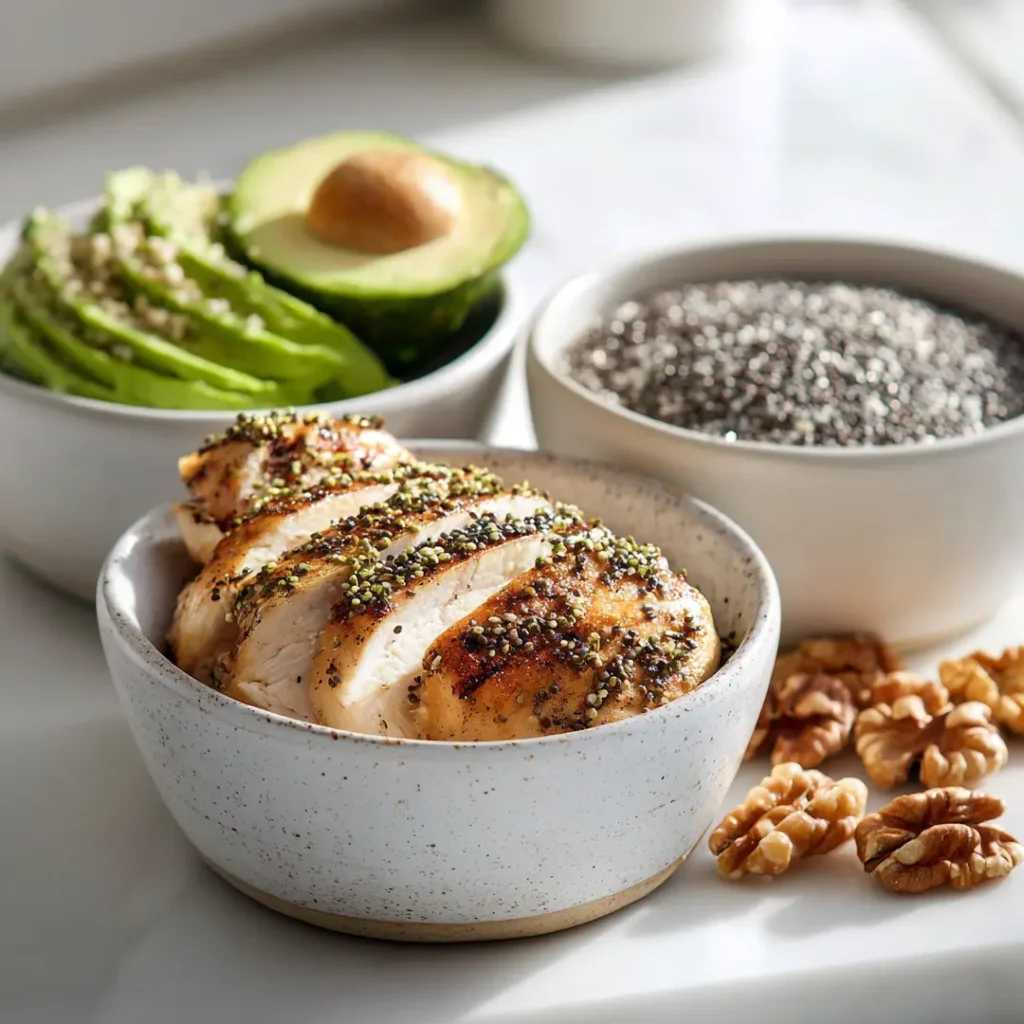
The 90 30 50 meal plan is a macro-based eating method built around three specific daily nutritional targets: 90 grams of protein, 30 grams of fiber, and 50 grams of healthy fats. Unlike calorie-restriction diets that leave you counting and restricting, this method focuses on what you add to your plate, not what you remove.
The logic behind each number is practical. According to Healthline’s protein intake guide, higher protein diets have been shown to increase satiety, support muscle preservation during weight loss, and boost metabolic rate. The 90g target is achievable for most adults and provides enough protein to protect muscle while in a caloric deficit. The 30g fiber target slows digestion, feeds gut bacteria, and prevents the blood sugar spikes that trigger cravings. The 50g healthy fat target from sources like avocado, olive oil, salmon, and nuts supports hormone regulation and keeps you satisfied between meals.
This is what makes the 90 30 50 diet plan different from rigid macro tracking. You are not measuring everything. You are simply making sure your day contains enough of the three nutrients that do the most work for body composition and energy.
Who Created the 90 30 50 Method?
The 90 30 50 method was popularized by registered dietitian Courtney Kassis, who shared it widely on TikTok and social media as an accessible macro framework for women. It gained traction quickly because it is straightforward enough to follow without a nutrition degree, yet grounded in real nutritional science. The 90 30 50 diet book by Kassis expanded the framework with meal ideas and recipes for those who want a deeper guide.
Foods to Eat on the 90 30 50 Meal Plan
The 90 30 50 diet plan menu is built from whole, minimally processed foods across four categories:
Lean proteins (to hit 90g daily): chicken breast, salmon fillets, lean ground turkey, eggs, Greek yogurt, cottage cheese, tofu, lentils, chickpeas, black beans.
High fiber foods (to hit 30g daily): oats, quinoa, brown rice, sweet potatoes, spinach, broccoli, bell peppers, chia seeds, flaxseeds, apples, blueberries, strawberries.
Healthy fats (to hit 50g daily): avocados, almonds, walnuts, olive oil, coconut oil, salmon (counts for both protein and fat).
Complex carbohydrates for energy: whole wheat bread, oats, quinoa, brown rice, sweet potatoes.
Foods to Avoid on the 90 30 50 Diet Plan
The 90 30 50 meal plan does not have a strict forbidden list, but certain foods make it harder to hit your targets without adding excess calories or inflammation:
Refined carbohydrates like white bread, pastries, and sugary cereals displace fiber-rich foods from your plate.
High sugar foods like candy, soda, fruit juices, and sweetened yogurts spike blood sugar and crowd out protein and fiber.
Processed meats like sausages and bacon add saturated fat without contributing meaningfully to your healthy fat target.
Trans fats found in margarine, commercial baked goods, and fried foods work against the hormone-supporting benefits of your healthy fat target.
Alcohol adds empty calories and disrupts the sleep and metabolism benefits this eating pattern is designed to support.
Your 7-Day 90 30 50 Meal Plan With Recipes
Every day in this 7 day 90 30 50 meal plan is structured with four eating moments: breakfast, lunch, dinner, and one snack. Each day is designed to reach or closely approach your daily macro targets when portions are standard. Let’s go through it.
Day 1: 90 30 50 Meal Plan Kickoff Day
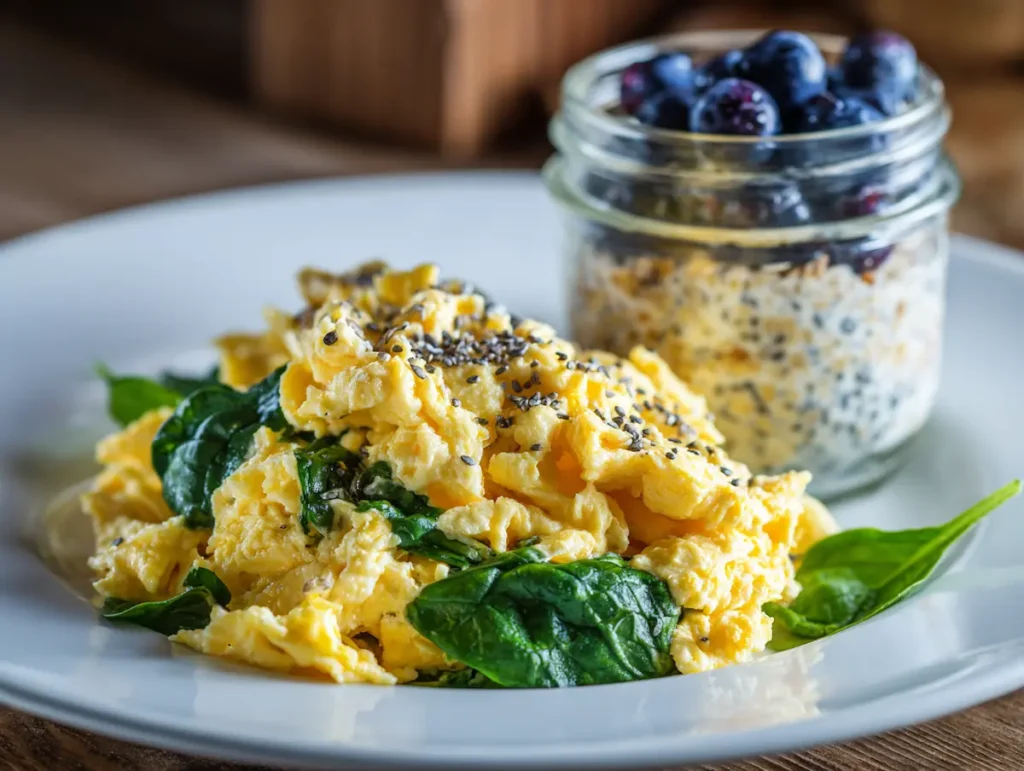
Breakfast: Oatmeal with chia seeds, blueberries, and sliced banana. This is one of the best 90 30 50 breakfast ideas with oats and eggs to hit your morning fiber target fast. One cup of oats delivers around 10g fiber. Add a chia tablespoon and you’re nearly at 14g before 9am.
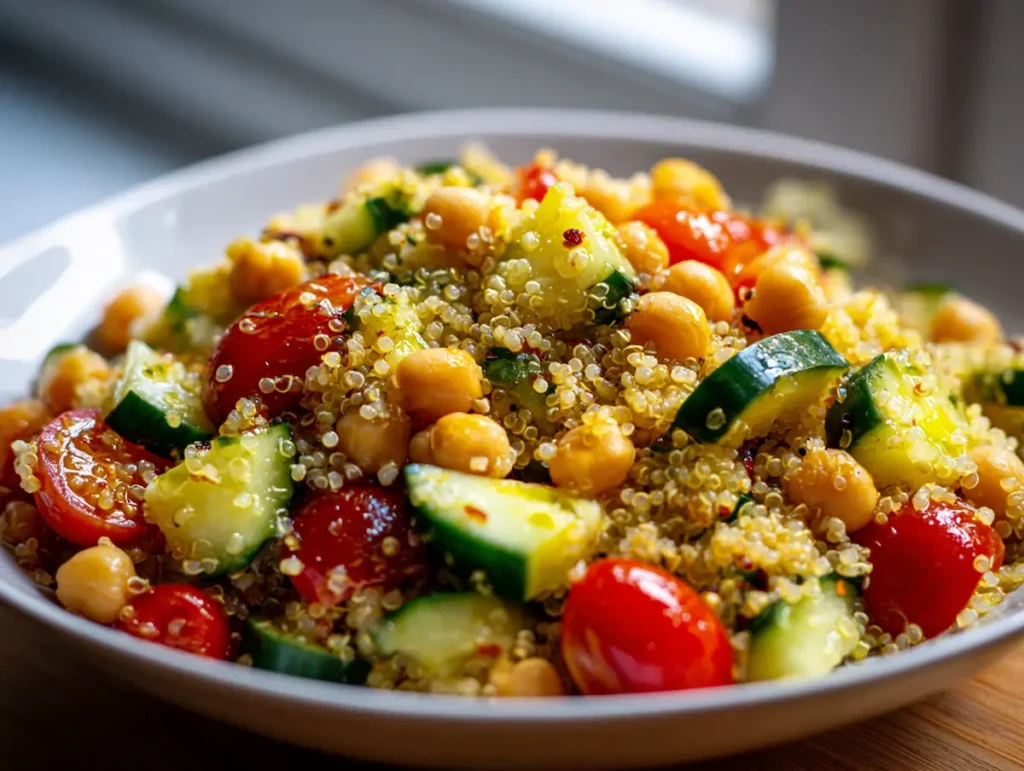
Lunch: Quinoa salad with chickpeas, cucumber, tomatoes, and olive oil dressing. One of the top 90 30 50 lunch ideas high fiber. Chickpeas alone give you 12g protein and 10g fiber per cup.
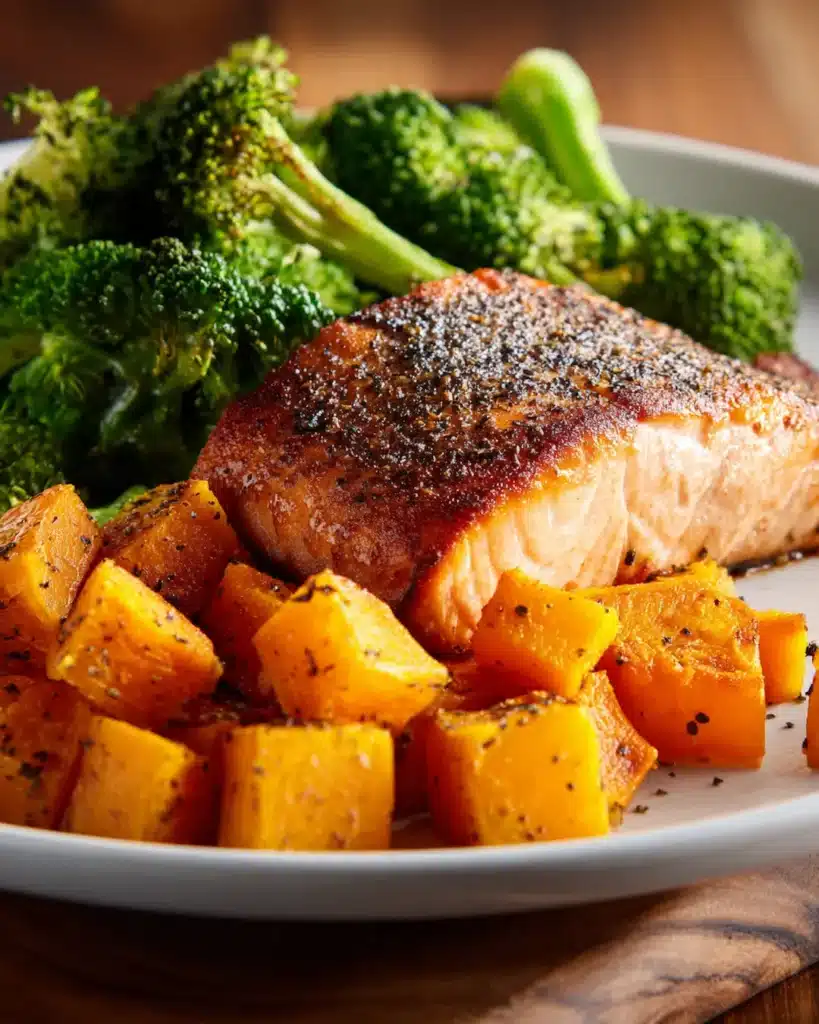
Dinner: Grilled salmon with steamed broccoli and sweet potato. This is a textbook 90 30 50 dinner recipe under 600 calories. Salmon covers both your protein and healthy fat targets in one ingredient. A 6oz fillet gives you around 34g protein and 13g healthy fat.
Snack: Greek yogurt with sliced strawberries and flaxseeds.
Day 2: 90 30 50 Meal Plan High Protein Eggs Day
Breakfast: Scrambled eggs with spinach and whole wheat toast. A solid high protein 90 30 50 breakfast recipe. Two eggs plus a cup of spinach gives you roughly 14g protein and 3g fiber before you add toast.
Lunch: Lentil soup with carrots and bell peppers, served with whole wheat bread. Lentils are the most powerful fiber ingredient in this entire 90 30 50 meal plan, delivering 15g fiber per cup.
Dinner: Baked chicken breast with tomatoes and bell peppers over brown rice.
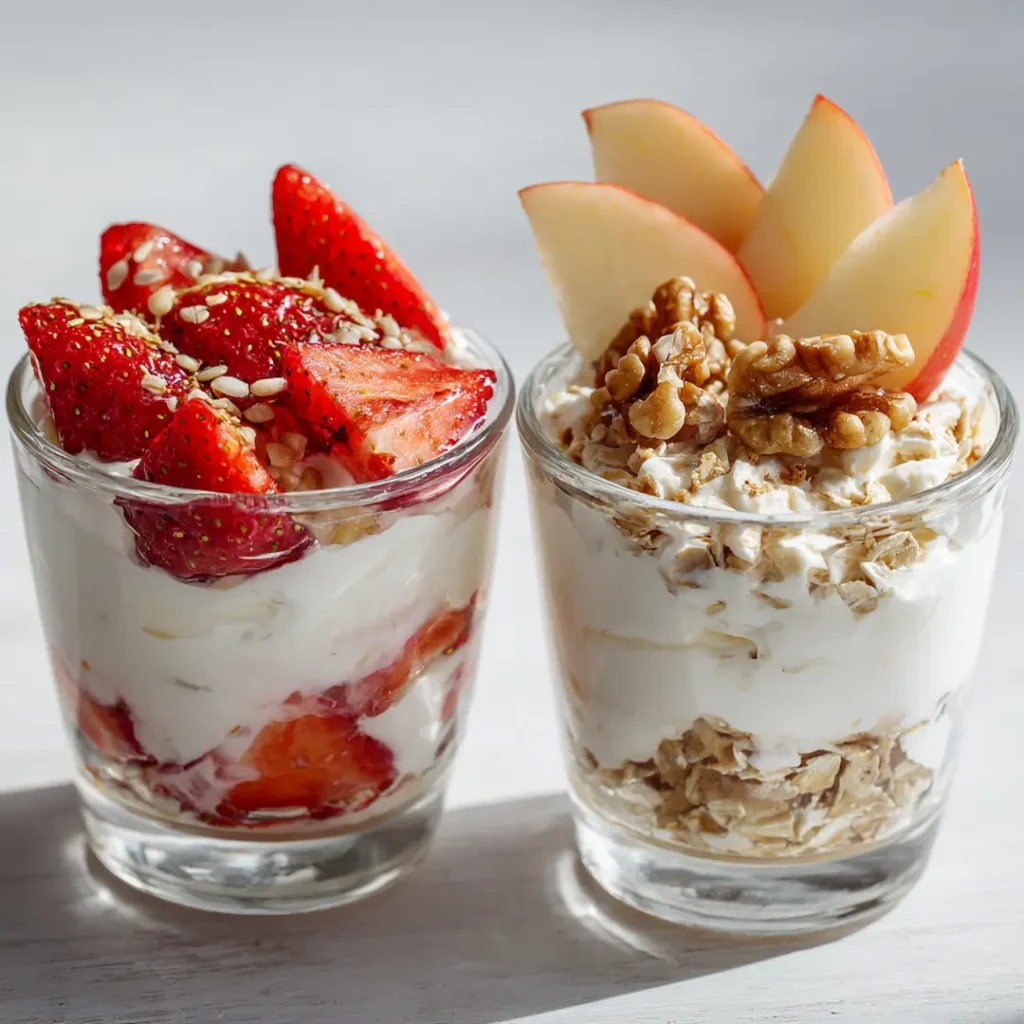
Snack: Cottage cheese with sliced apples and walnuts. This is one of the easiest 90 30 50 snack ideas to hit protein goal, with cottage cheese providing about 25g protein per cup.
Day 3: 90 30 50 Meal Plan Salmon and Tofu Day
Breakfast: Greek yogurt with sliced bananas and almonds.
Lunch: Tofu stir-fry with quinoa, broccoli, and carrots. This is also the foundation of a strong 90 30 50 vegetarian meal plan recipes day. Tofu plus quinoa gives you a complete amino acid profile without any animal protein.
Dinner: Baked salmon with roasted sweet potatoes and spinach.
Snack: Hummus with cucumber slices and carrot sticks. Hummus is chickpea-based, so it contributes both protein and fiber to your daily targets.
Day 4: 90 30 50 Meal Plan Avocado and Turkey Day
Breakfast: Whole wheat toast with avocado and poached eggs. This is the best 90 30 50 breakfast idea when you want to hit your healthy fat target early. One avocado has around 21g healthy fat and 10g fiber.
Lunch: Turkey and spinach salad with avocado, chickpeas, and olive oil dressing.
Dinner: Grilled chicken breast with quinoa and steamed bell peppers. A clean 90 30 50 high protein one pan dinner when cooked on a single sheet pan in the oven.
Snack: A handful of almonds and blueberries.
Day 5: 90 30 50 Meal Plan Smoothie and Tofu Day
Breakfast: Smoothie with Greek yogurt, strawberries, bananas, and flaxseeds. Blend everything and you have a protein and fiber rich breakfast recipe that takes 3 minutes.
Lunch: Lentils with brown rice and steamed spinach.
Dinner: Baked tofu with broccoli and sweet potatoes. Another strong 90 30 50 vegetarian meal plan dinner option that also works as a 90 30 50 diet recipe for PCOS weight loss since it avoids processed foods entirely.
Snack: Cottage cheese with sliced peaches and chia seeds.
Day 6: 90 30 50 Meal Plan Turkey Meatballs Day
Breakfast: Oats with coconut oil, sliced apples, and walnuts. Coconut oil in oatmeal is an underrated way to hit your healthy fat target before noon.
Lunch: Black bean salad with tomatoes, cucumber, and avocado drizzled with olive oil. Black beans are packed with 15g fiber per cup, making this one of the best 90 30 50 lunch ideas high fiber in the entire plan.
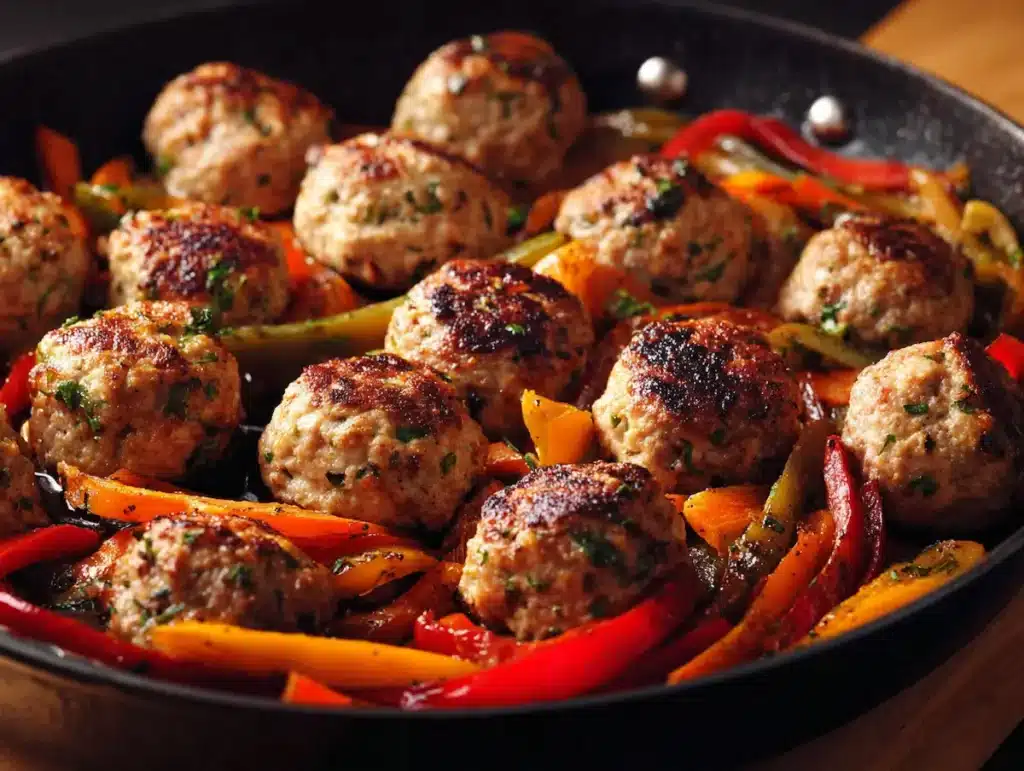
Dinner: Lean ground turkey meatballs with quinoa and sautéed carrots. This is a go-to easy 90 30 50 sheet pan dinner idea. Roll the meatballs, place them on a baking sheet with carrot chunks, and roast at 400°F for 25 minutes. Cook quinoa on the side.
Snack: Hummus with bell pepper slices and cucumber.
Day 7: 90 30 50 Meal Plan Wrap-Up Day
Breakfast: Scrambled tofu with spinach and tomatoes on whole wheat toast.
Lunch: Chickpea stew with quinoa and roasted bell peppers. A hearty 90 30 50 slow cooker high protein soup alternative if you let the chickpeas simmer low and slow.
Dinner: Salmon fillets with steamed broccoli and brown rice.
Snack: Greek yogurt with chopped almonds and blueberries.
The Ultimate 7-Day 90 30 50 Meal Plan for Beginners
- Total Time: 20 minutes
- Yield: 15 cookies
Description
These cottage cheese chocolate chip cookies are soft, chewy, high in protein, and made with just 7 simple ingredients. No refined flour, no butter, no guilt. Ready in 20 minutes and kid-approved every single time.
Ingredients
1 cup (210g) full-fat cottage cheese
1/4 cup (60ml) maple syrup or honey
1 tsp vanilla extract
1 cup (112g) almond flour
1/2 cup (54g) vanilla protein powder
2 tbsp coconut oil, melted
1/2 cup (90g) chocolate chips
Instructions
1. Preheat your oven to 350°F (175°C). Line a large baking sheet with parchment paper.
2. Add cottage cheese, maple syrup, and vanilla extract to a small food processor or blender. Pulse until completely smooth with no visible curds.
3. Transfer the blended cottage cheese mixture to a large mixing bowl.
4. Add almond flour, vanilla protein powder, and melted coconut oil to the bowl. Mix until fully combined into a soft dough.
5. Fold in the chocolate chips evenly.
6. Use a cookie scoop to portion the dough into balls. Place on the prepared baking sheet and press each one down gently to flatten slightly.
7. Add a few extra chocolate chips on top of each cookie if desired.
8. Bake for 13 to 15 minutes until the edges are golden brown.
9. Allow cookies to cool on the baking sheet for 5 minutes before transferring to a wire rack. They firm up as they cool.
Notes
Use 4% milk fat cottage cheese for the best texture and richest flavor. Low-fat versions produce a slightly softer, less structured cookie.
If you don’t have vanilla protein powder, substitute with an equal amount of oat flour or additional almond flour plus 1 tablespoon of coconut flour. Add 1 extra tablespoon of maple syrup to compensate for the lost sweetness.
Any neutral oil works in place of coconut oil. Avocado oil and light olive oil are both good substitutes.
Do not skip the blending step. Unblended cottage cheese leaves visible curds in the dough and creates an uneven texture.
Store cookies in an airtight container in the fridge for up to 5 days. They taste even better cold.
- Prep Time: 5 minutes
- Cook Time: 15 minutes
- Category: High-Protein Dessert, Snack
- Method: Bake
- Cuisine: American Wellness
Nutrition
- Serving Size: 1 cookie
- Calories: 131
- Sugar: 7g
- Sodium: 54mg
- Fat: 8g
- Saturated Fat: 3g
- Unsaturated Fat: 4g
- Trans Fat: 0g
- Carbohydrates: 10g
- Fiber: 1g
- Protein: 5g
- Cholesterol: 10mg
Keywords: cottage cheese chocolate chip cookies, cottage cheese cookies, high protein cookies, protein cookies recipe, almond flour cookies, gluten free chocolate chip cookies, cottage cheese baking recipes
90 30 50 Meal Plan Grocery List
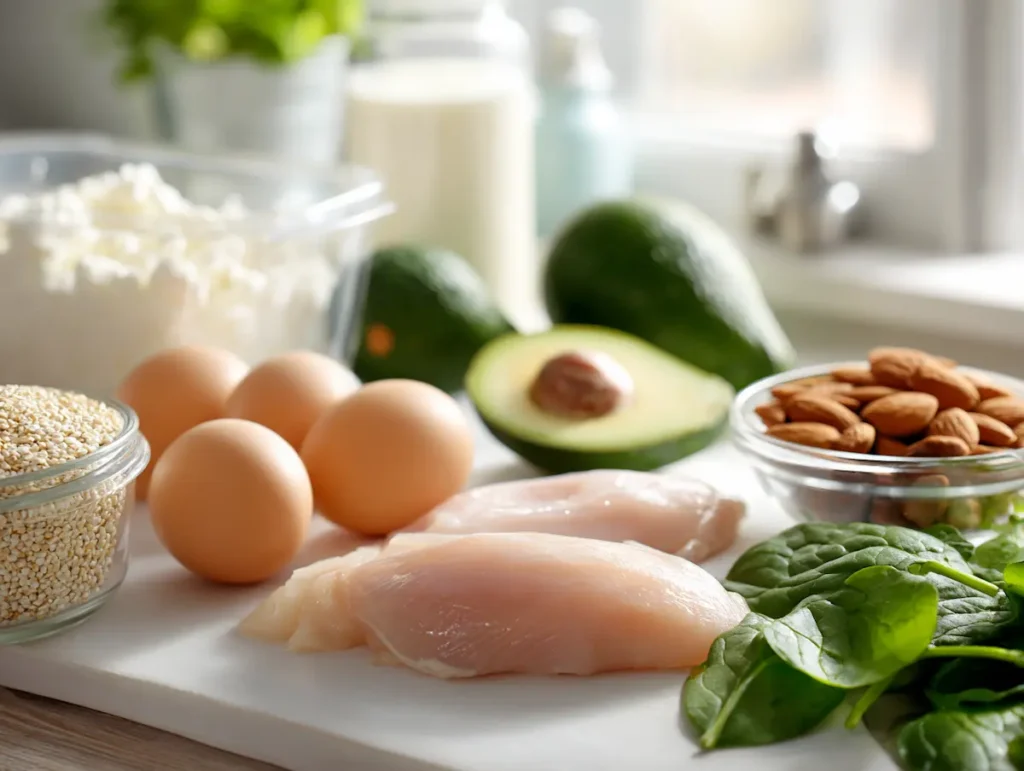
This is the complete grocery list for your full 90 30 50 meal plan week. Organized by category so your store run takes 20 minutes, not 45.
Proteins: chicken breast, salmon fillets, lean ground turkey, eggs, Greek yogurt (full fat), cottage cheese, tofu, hummus.
Legumes and grains: quinoa, brown rice, whole wheat bread, oats, lentils, black beans, chickpeas.
Produce: spinach, broccoli, bell peppers (mixed), carrots, cucumbers, tomatoes, sweet potatoes, avocados, strawberries, blueberries, apples, bananas, peaches.
Fats and seeds: almonds, walnuts, olive oil, coconut oil, flaxseeds, chia seeds.
For a 90 30 50 meal plan pdf free download style printable version of this list, simply copy this section into a notes app or document and check items off as you shop. This is as close to a 90 30 50 diet plan for beginners printable as you’ll need for week one.
How to Hit Your Daily 90 30 50 Macro Targets
Protein at 90g is the target most beginners miss in week one. Here’s what 90g actually looks like in a day on this 90 30 50 meal plan: two eggs at breakfast (12g), Greek yogurt snack (17g), grilled chicken at lunch (35g), salmon at dinner (34g). That’s already over 90g and doesn’t include the incidental protein from quinoa, lentils, or cottage cheese.
Fiber at 30g is easier than it sounds if you build every meal around a fiber anchor: oats or chia at breakfast, lentils or chickpeas at lunch, sweet potato and broccoli at dinner. Each of those single foods delivers 8 to 15g fiber on its own.
Healthy fat at 50g is covered naturally when you use olive oil for cooking (14g per tablespoon), eat half an avocado daily (11g), and include salmon twice a week (13g per serving). You hit 50g without trying if you use real ingredients instead of low-fat substitutes.
According to Mayo Clinic’s weight loss guidance, sustainable weight loss comes from long-term lifestyle changes that include balanced macronutrients, regular activity, and foods you actually want to eat. The 90 30 50 diet plan fits that framework precisely.
What I Eat in a Day on the 90 30 50 Meal Plan
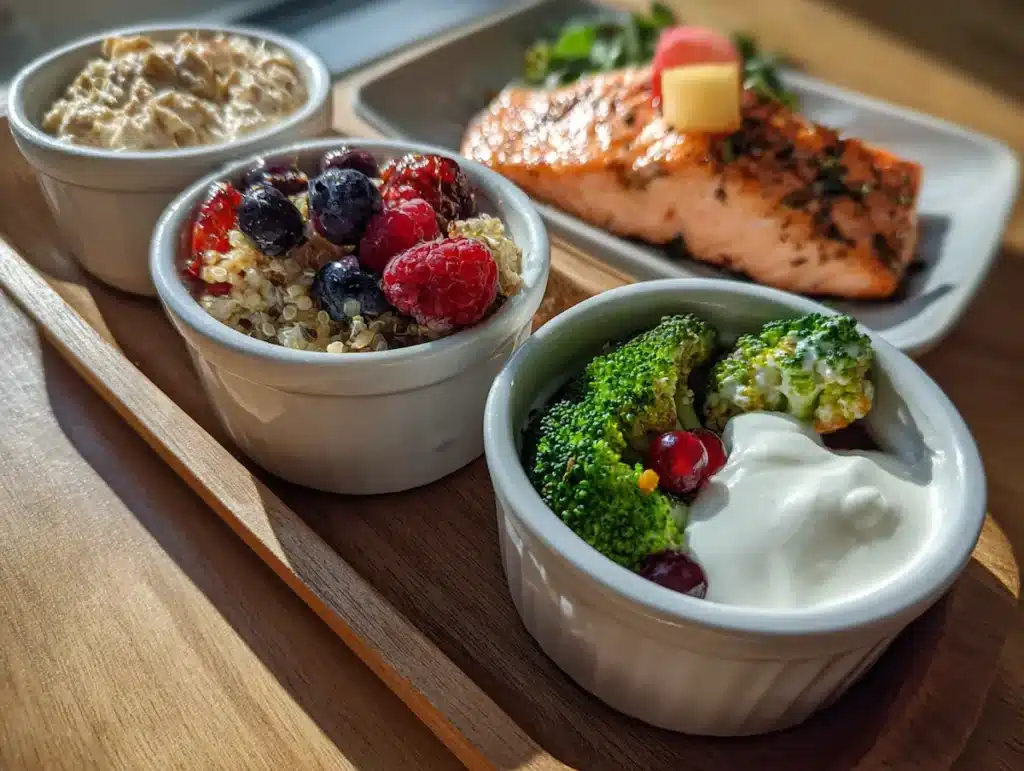
A real what I eat in a day 90 30 50 recipes day looks like this in my kitchen: overnight oats with chia and berries in the morning (takes 3 minutes to prep the night before), a quinoa and chickpea bowl for lunch that I batch-cook on Sundays, a salmon and sweet potato dinner that goes in the oven in one pan, and Greek yogurt with almonds as an afternoon snack. Total active cooking time for the whole day is about 40 minutes. The rest is prepped ahead.
That’s what makes this macro friendly meal prep recipe approach work in real life. You are not making something new every meal. You cook once and eat three or four times from the same batch of protein or grains. On the 90 30 50 meal plan, batch-cooking quinoa, pre-portioning snacks, and marinating proteins on Sunday evening means your weekday meals take less than 15 minutes each.
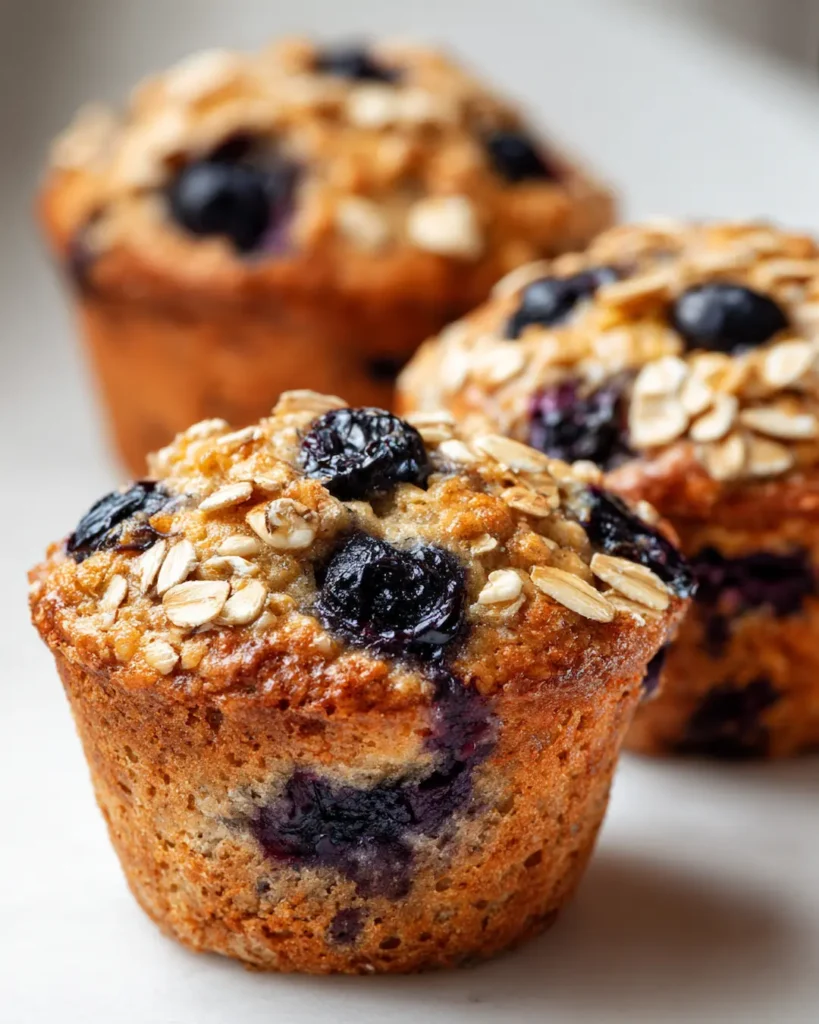
If you want portable 90 30 50 high protein high fiber muffins for breakfast on the go, batch a tray of blueberry oat protein muffins using oat flour, Greek yogurt, eggs, and flaxseeds on the weekend. Each muffin delivers around 8g protein and 4g fiber. Two muffins plus a Greek yogurt cup gets you halfway to your daily protein target before leaving the house.
Common Questions About the 90 30 50 Meal Plan
What Is the 90 30 50 Diet Plan for Beginners?
The 90 30 50 diet plan for beginners is a macro-based eating method that sets three daily nutritional targets: 90 grams of protein, 30 grams of fiber, and 50 grams of healthy fats. There is no calorie counting and no strict food elimination. You simply build each meal around foods that help you hit those three numbers. It was designed to be accessible for people who are new to structured eating and want clear, trackable goals without complex rules. The 90 30 50 diet plan for beginners printable format, like the grocery list and meal plan in this article, makes it easy to follow from day one.
What Diet Is Best for Weight Loss in 7 Days?
No single diet produces dramatic, lasting weight loss in just 7 days. What a structured 7 day 90 30 50 meal plan can do is reduce bloating, stabilize blood sugar, lower snacking, and set you up with habits that produce real results over 3 to 4 weeks. According to Mayo Clinic, a safe and sustainable rate of weight loss is 0.5 to 2 pounds per week through a combination of balanced nutrition and physical activity. The 90 30 50 meal plan supports that rate because it is satiating enough to reduce total calorie intake without making you feel deprived.
What Should I Eat to Lose 15 Pounds in 3 Weeks?
Losing 15 pounds in 3 weeks is not a safe or realistic target for most people. Rapid weight loss at that rate typically involves water weight, muscle loss, and metabolic adaptation that makes it harder to maintain results. A more honest and useful goal on the 90 30 50 diet plan is 3 to 6 pounds of actual fat loss in 3 weeks, combined with significantly reduced bloating and improved energy. Focus on hitting your 90 30 50 meal plan targets consistently, staying hydrated, and adding 30 minutes of daily movement. That combination delivers real, visible results without the rebound.
What Is the 3-3-3 Rule for Weight Loss?
The 3-3-3 rule for weight loss refers to a behavioral framework, not a macro system. It typically means eating 3 meals per day, waiting 3 hours between eating occasions, and stopping eating 3 hours before bed. It is a timing and habit-based approach. The 90 30 50 method meal plan works well alongside the 3-3-3 rule because the macro targets keep each of your 3 meals filling and balanced, which makes the 3-hour windows between meals much easier to maintain without snacking off-plan.
Final Thoughts From Laly’s Kitchen
What I like most about the 90 30 50 meal plan is that it gives you a framework instead of a cage. You are not eating the same meals forever. You are learning how to build a plate that works, and once you know how, you do not need to follow a plan at all. The first two or three days are the hardest because you are learning how much protein and fiber are actually in the foods you already eat. After that, it becomes second nature.
If you try this 7 day 90 30 50 meal plan, I would genuinely love to know how it goes for you. Drop your experience in the comments. Tell me which day felt hardest to hit the protein target, or which meal you loved most. That information helps me make better content for you.
For more recipes that fit perfectly within the 90 30 50 diet plan, check out the chia jello recipe for a high-fiber snack idea, the blueberry cottage cheese breakfast bake for a high-protein morning option, and the 3-ingredient jello weight loss recipe as a low-calorie dessert that keeps you on track. If you want to understand how protein supplements can complement your 90 30 50 meal plan, the gelatin diet recipe for weight loss is worth reading too.
Nutritional Disclaimer: Nutrition estimates in this 90 30 50 meal plan are approximations based on standard ingredient values. Actual values vary by brand, portion size, and preparation method. This information is not intended as professional nutritional advice.